Computational Risk Management – serie
Visar alla böcker i serien Computational Risk Management. Handla med fri frakt och snabb leverans.
16 produkter
16 produkter
Inbunden, Engelska, 2020
956 kr
Skickas inom 10-15 vardagar
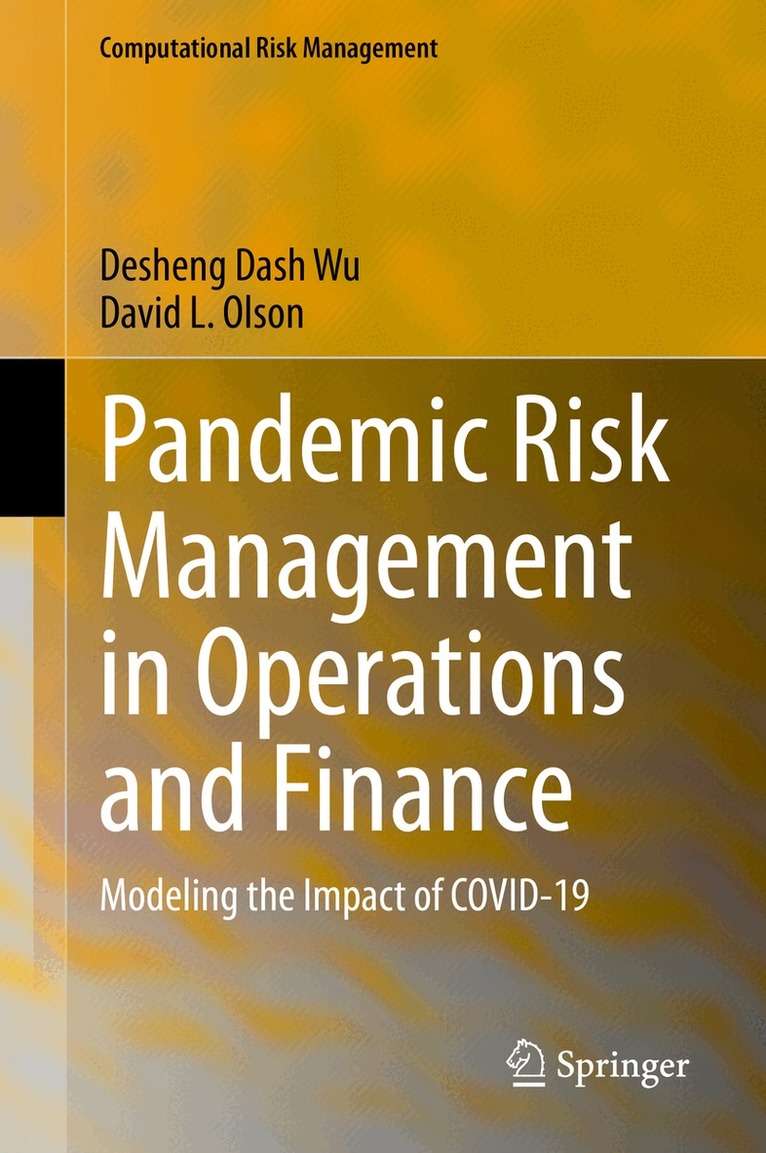
COVID-19 has spread around the world, causing tremendous structural change, and severely affecting global supply chains and financial operations. As such there is a need for analytic tools help deal with the impact of the pandemic on the world’s economies; these tools are not panaceas and certainly won’t cure the problems faced, but they offer a means to aid governments, firms, and individuals in coping with specific problems. This book provides an overview of the COVID-19 pandemic and evaluates its effect on financial and supply chain operations. It then discusses epidemic modeling, presenting sources of quantitative and text data, and describing how models are used to illustrate the pandemic impact on supply chains, macroeconomic performance on financial operations. It highlights the specific experiences of the banking system, which offers predictions of the impact on the Swedish banking sector. Further, it examines models related to pandemic planning, such as evaluation of financial contagion, debt risk analysis, and health system efficiency performance, and addresses specific models of pandemic parameters. The book demonstrates various tools using available data on the ongoing COVID-19 pandemic. While it includes some citations, it focuses on describing the methods and explaining how they work, rather than on theory. The data sets and software presented were all selected on the basis of their widespread availability to any reader with computer links.
Inbunden, Engelska, 2010
1 684 kr
Skickas inom 10-15 vardagar
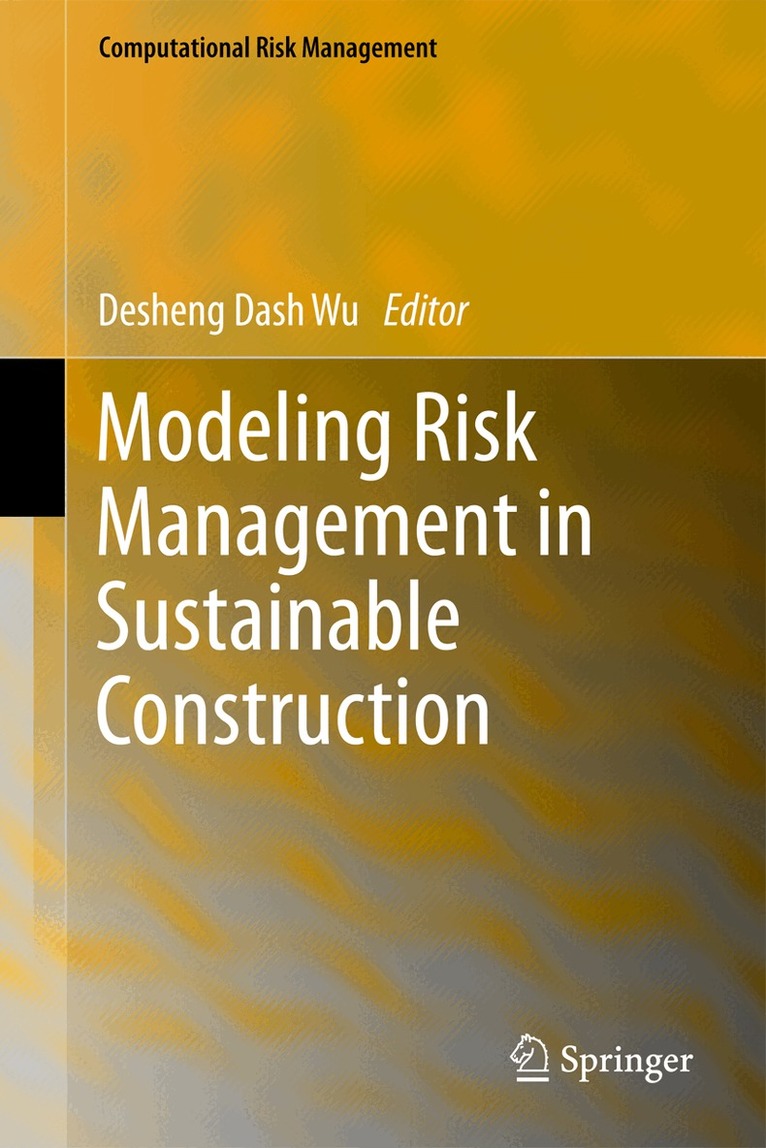
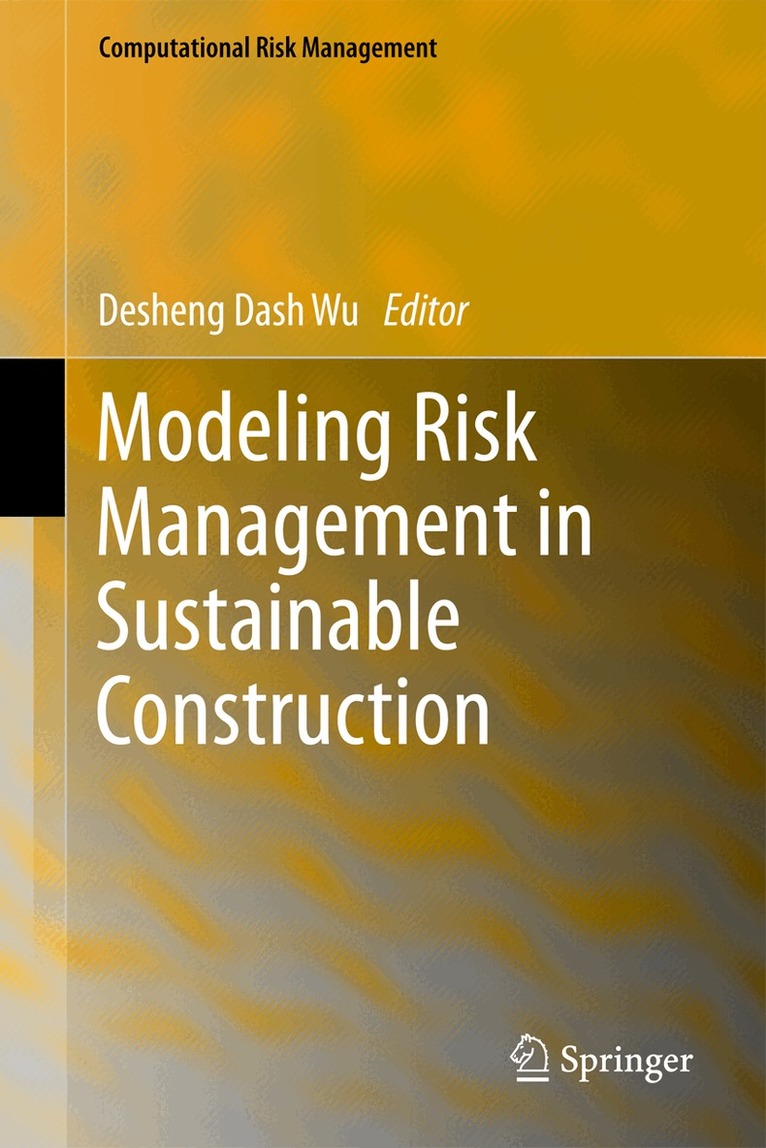
In this edited volume, we present the state-of-the-art views of the perspective of enterprise risk management, to include frameworks and controls in the ERM process with respect to supply chains, constructions, and project, energy, environmental and sustainable development risk management. The bulk of this volume is devoted to presenting a number of modeling approaches that have been (or could be) applied to enterprise risk management in construction.
Inbunden, Engelska, 2011
1 635 kr
Skickas inom 10-15 vardagar
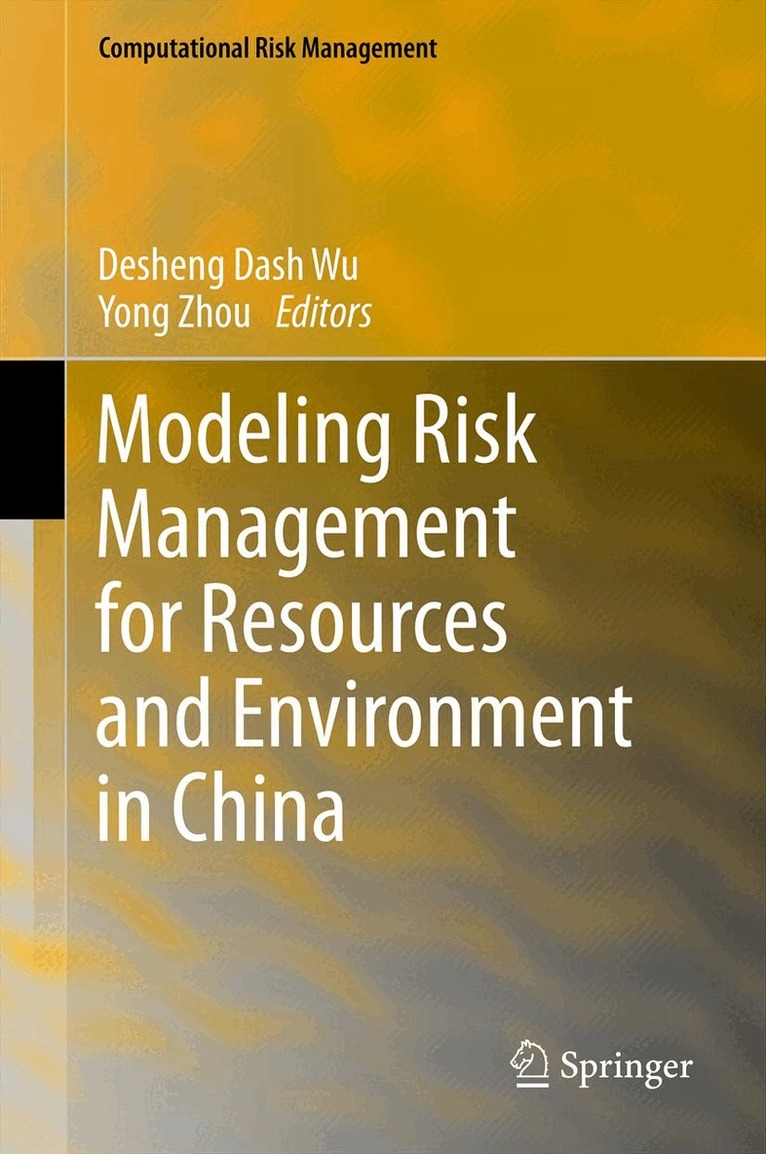
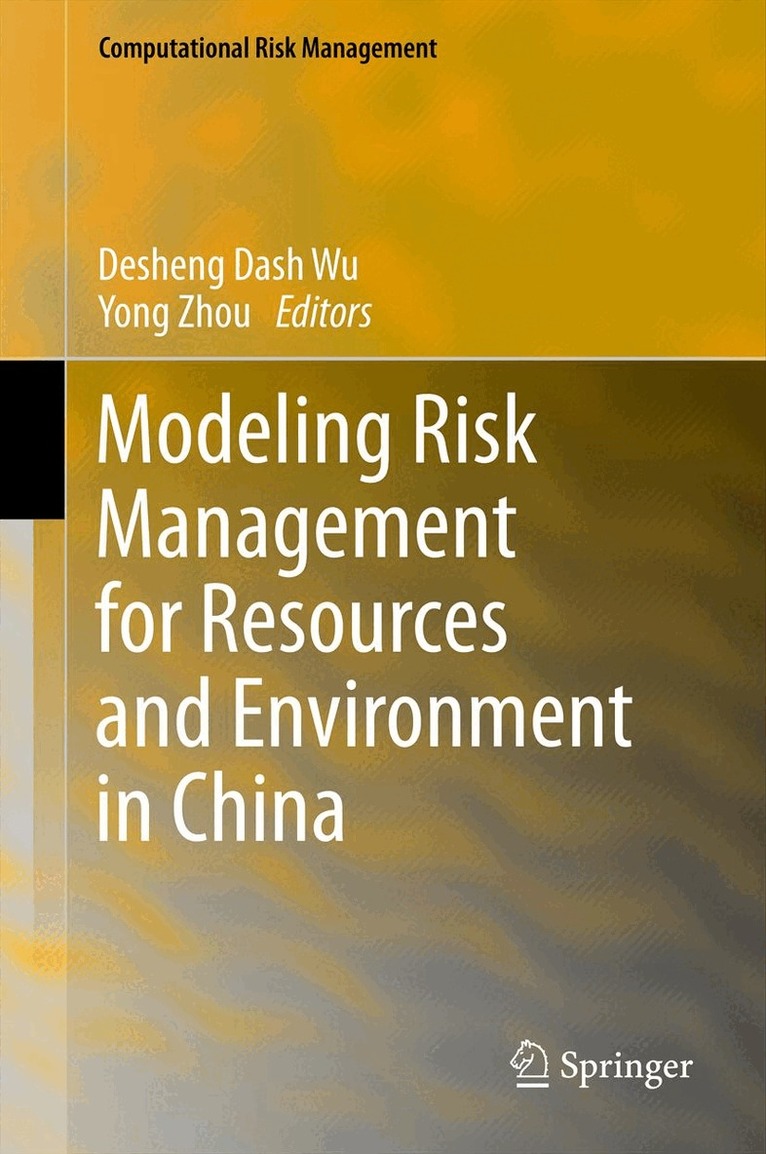
This edited volume expands the scope of risk management beyond finance to include resources and environment issues in China. It presents the state-of-the-art approaches of using risk management to effectively manage resources and environment. Both case studies and theoretical methodologies are discussed.
Inbunden, Engelska, 2011
1 684 kr
Skickas inom 10-15 vardagar
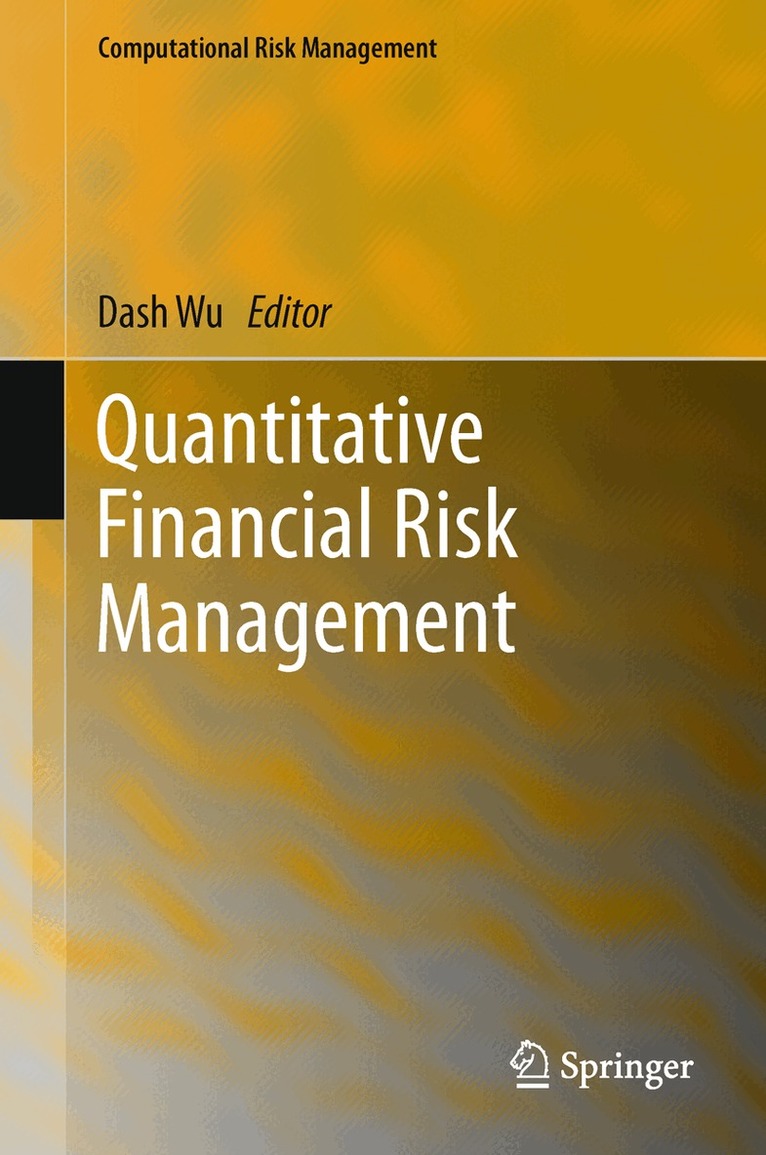
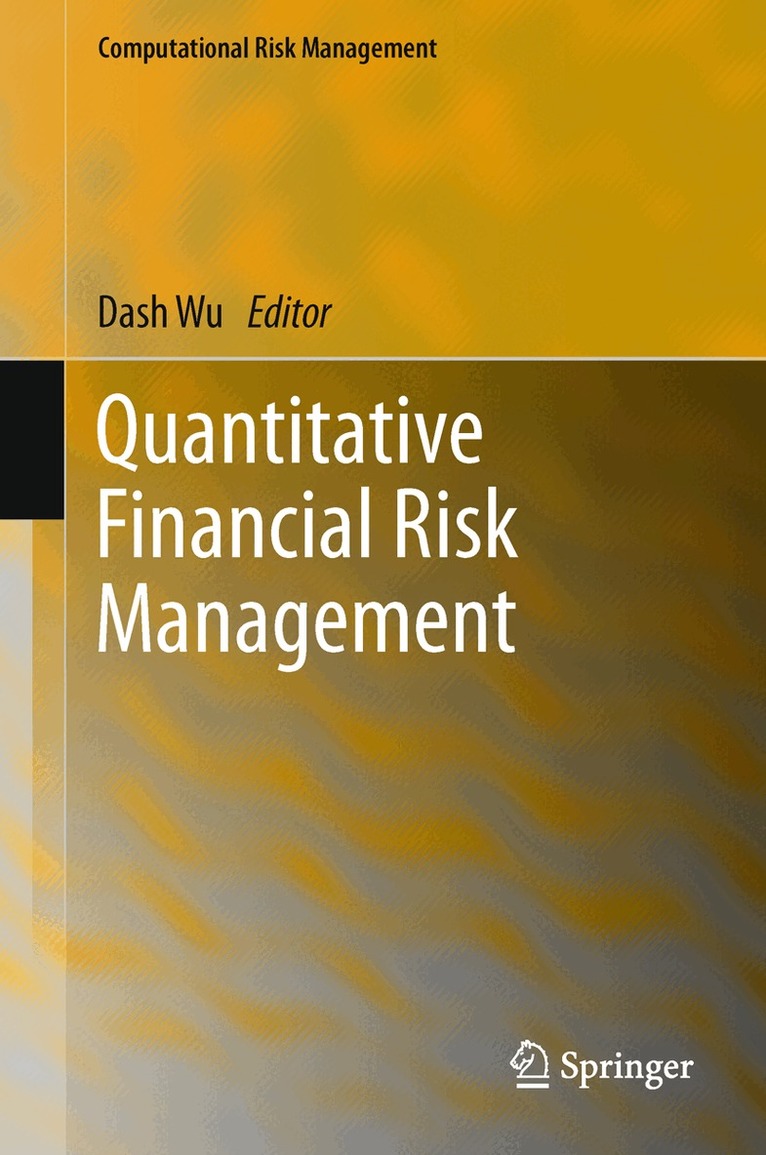
The bulk of this volume deals with the four main aspects of risk management: market risk, credit risk, risk management - in macro-economy as well as within companies. It presents a number of approaches and case studies directed at applying risk management to diverse business environments. Included are traditional market and credit risk management models such as the Black-Scholes Option Pricing Model, the Vasicek Model, Factor models, CAPM models, GARCH models, KMV models and credit scoring models.
Häftad, Engelska, 2012
1 684 kr
Skickas inom 10-15 vardagar
In this edited volume, we present the state-of-the-art views of the perspective of enterprise risk management, to include frameworks and controls in the ERM process with respect to supply chains, constructions, and project, energy, environmental and sustainable development risk management. The bulk of this volume is devoted to presenting a number of modeling approaches that have been (or could be) applied to enterprise risk management in construction.
Häftad, Engelska, 2013
1 684 kr
Skickas inom 10-15 vardagar
The bulk of this volume deals with the four main aspects of risk management: market risk, credit risk, risk management - in macro-economy as well as within companies. It presents a number of approaches and case studies directed at applying risk management to diverse business environments. Included are traditional market and credit risk management models such as the Black-Scholes Option Pricing Model, the Vasicek Model, Factor models, CAPM models, GARCH models, KMV models and credit scoring models.
Häftad, Engelska, 2013
1 635 kr
Skickas inom 10-15 vardagar
This edited volume expands the scope of risk management beyond finance to include resources and environment issues in China. It presents the state-of-the-art approaches of using risk management to effectively manage resources and environment. Both case studies and theoretical methodologies are discussed.
Inbunden, Engelska, 2014
1 125 kr
Skickas inom 10-15 vardagar
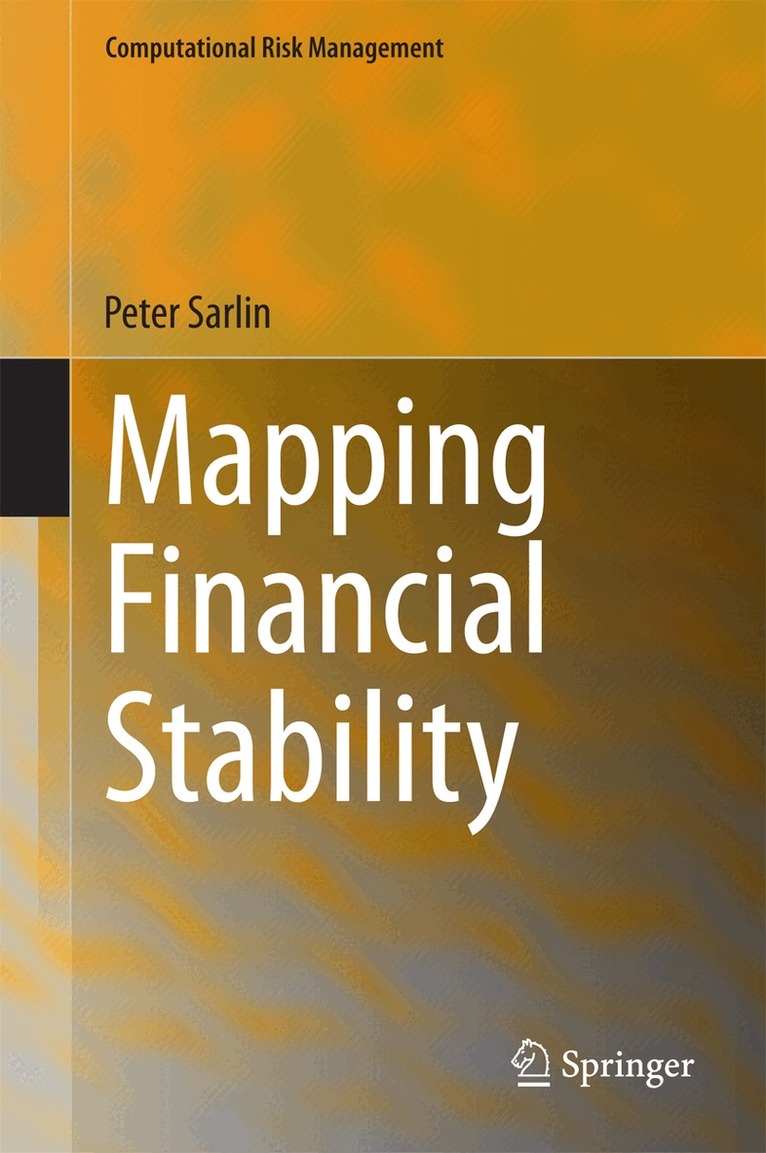
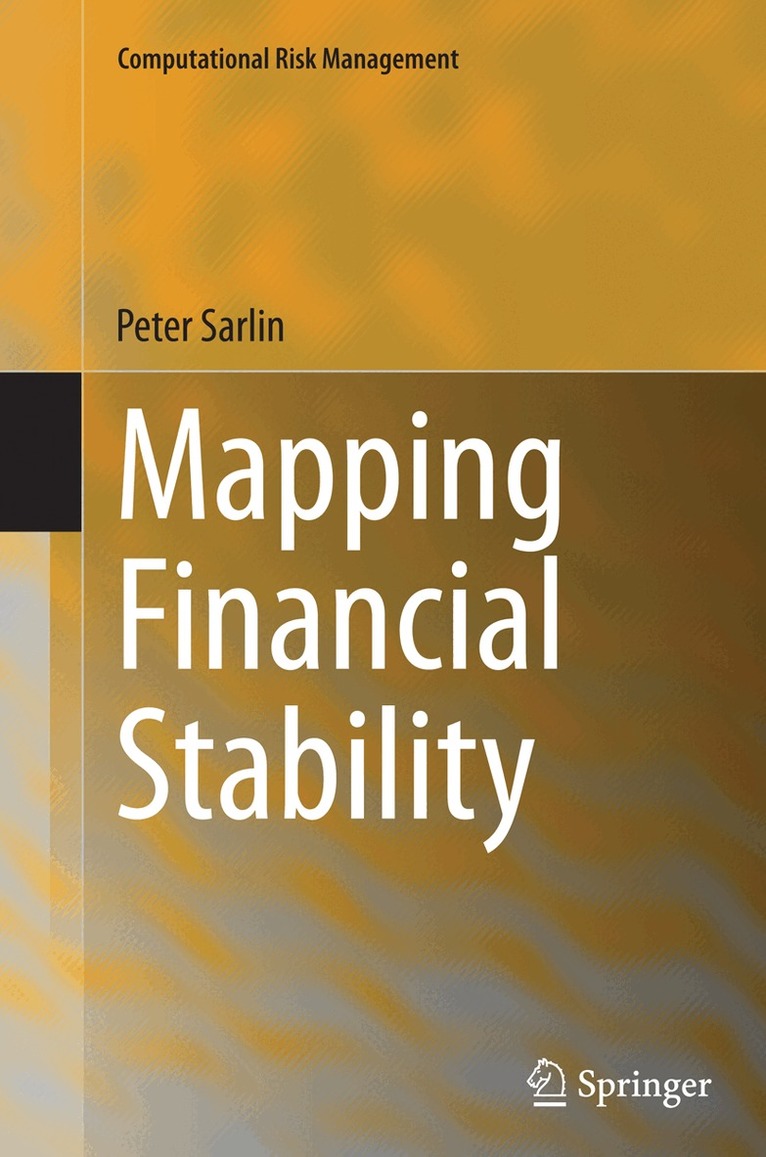
This book approaches macroprudential oversight from the viewpoint of three tasks. The focus concerns a tight integration of means for risk communication into analytical tools for risk identification and risk assessment. Generally, this book explores approaches for representing complex data concerning financial entities on low-dimensional displays. Data and dimension reduction methods, and their combinations, hold promise for representing multivariate data structures in easily understandable formats. Accordingly, this book creates a Self-Organizing Financial Stability Map (SOFSM), and lays out a general framework for mapping the state of financial stability. Beyond external risk communication, the aim of the visual means is to support disciplined and structured judgmental analysis based upon policymakers' experience and domain intelligence.
Häftad, Engelska, 2016
1 123 kr
Skickas inom 10-15 vardagar
This book approaches macroprudential oversight from the viewpoint of three tasks. The focus concerns a tight integration of means for risk communication into analytical tools for risk identification and risk assessment. Generally, this book explores approaches for representing complex data concerning financial entities on low-dimensional displays. Data and dimension reduction methods, and their combinations, hold promise for representing multivariate data structures in easily understandable formats. Accordingly, this book creates a Self-Organizing Financial Stability Map (SOFSM), and lays out a general framework for mapping the state of financial stability. Beyond external risk communication, the aim of the visual means is to support disciplined and structured judgmental analysis based upon policymakers' experience and domain intelligence.
Inbunden, Engelska, 2016
1 123 kr
Skickas inom 10-15 vardagar
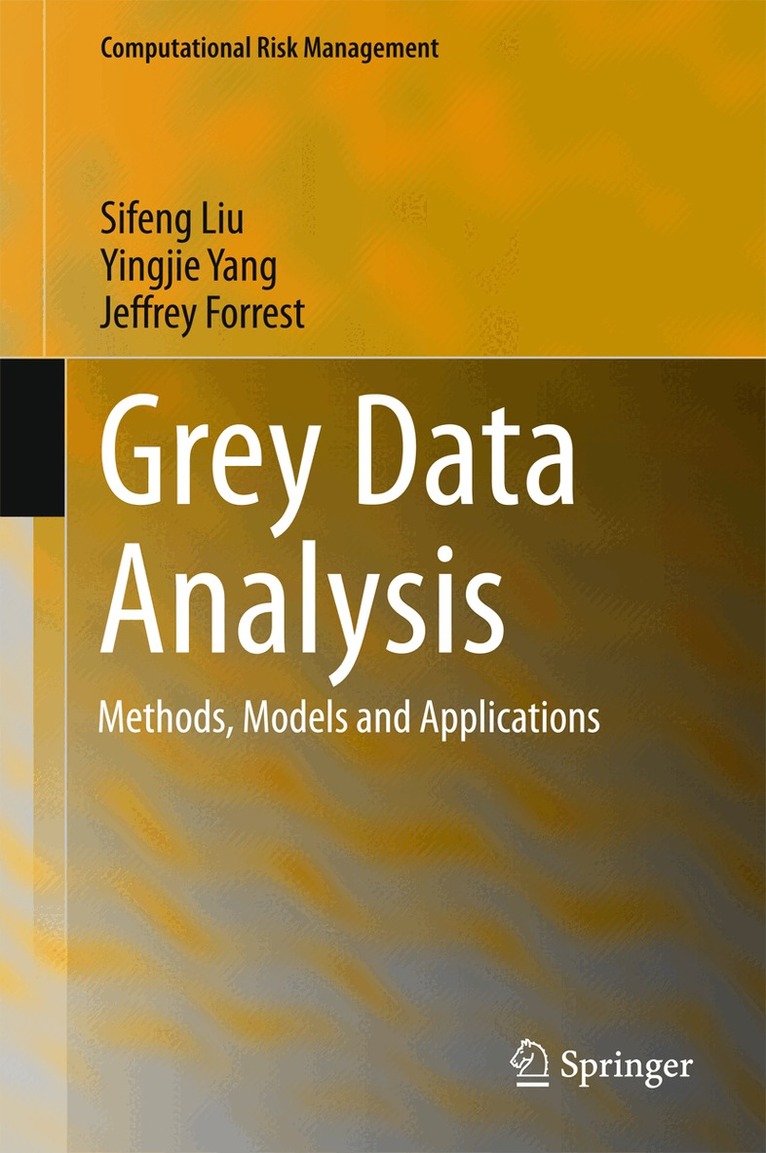
This book inclusively and systematically presents the fundamental methods, models and techniques of practical application of grey data analysis, bringing together the authors’ many years of theoretical exploration, real-life application, and teaching. It also reflects the majority of recent theoretical and applied advances in the theory achieved by scholars from across the world, providing readers a vivid overall picture of this new theory and its pioneering research activities. The book includes 12 chapters, covering the introduction to grey systems, a novel framework of grey system theory, grey numbers and their operations, sequence operators and grey data mining, grey incidence analysis models, grey clustering evaluation models, series of GM models, combined grey models, techniques for grey systems forecasting, grey models for decision-making, techniques for grey control, etc. It also includes a software package that allows practitioners to conveniently and practically employ the theory and methods presented in this book. All methods and models presented here were chosen for their practical applicability and have been widely employed in various research works.I still remember 1983, when I first participated in a course on Grey System Theory. The mimeographed teaching materials had a blue cover and were presented as a book. It was like finding a treasure: This fascinating book really inspired me as a young intellectual going through a period of confusion and lack of academic direction. It shone with pearls of wisdom and offered a beacon in the mist for a man trying to find his way in academic research. This book became the guiding light in my life journey, inspiring me to forge an indissoluble bond with Grey System Theory.——Sifeng Liu
Häftad, Engelska, 2018
1 123 kr
Skickas inom 10-15 vardagar
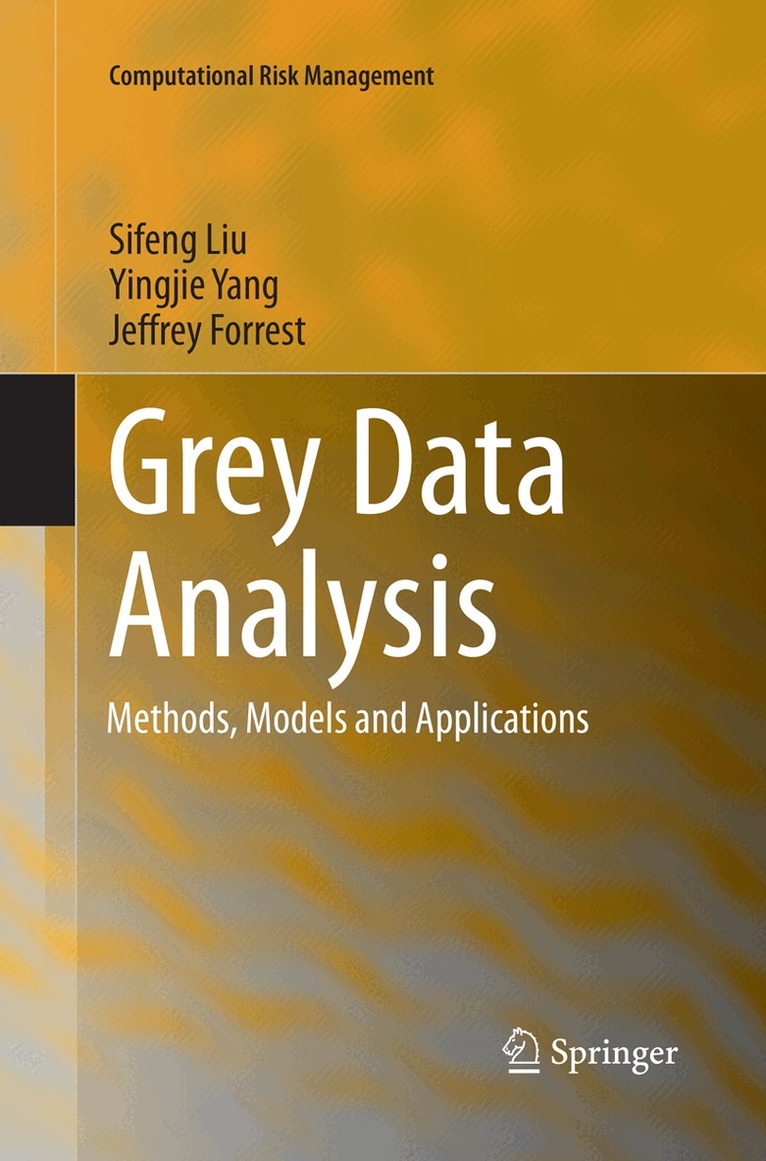
This book inclusively and systematically presents the fundamental methods, models and techniques of practical application of grey data analysis, bringing together the authors’ many years of theoretical exploration, real-life application, and teaching. It also reflects the majority of recent theoretical and applied advances in the theory achieved by scholars from across the world, providing readers a vivid overall picture of this new theory and its pioneering research activities. The book includes 12 chapters, covering the introduction to grey systems, a novel framework of grey system theory, grey numbers and their operations, sequence operators and grey data mining, grey incidence analysis models, grey clustering evaluation models, series of GM models, combined grey models, techniques for grey systems forecasting, grey models for decision-making, techniques for grey control, etc. It also includes a software package that allows practitioners to conveniently and practically employ the theory and methods presented in this book. All methods and models presented here were chosen for their practical applicability and have been widely employed in various research works.I still remember 1983, when I first participated in a course on Grey System Theory. The mimeographed teaching materials had a blue cover and were presented as a book. It was like finding a treasure: This fascinating book really inspired me as a young intellectual going through a period of confusion and lack of academic direction. It shone with pearls of wisdom and offered a beacon in the mist for a man trying to find his way in academic research. This book became the guiding light in my life journey, inspiring me to forge an indissoluble bond with Grey System Theory.——Sifeng Liu
Häftad, Engelska, 2018
1 319 kr
Skickas inom 5-8 vardagar
This book reviews forecasting data mining models, from basic tools for stable data through causal models, to more advanced models using trends and cycles. These models are demonstrated on the basis of business-related data, including stock indices, crude oil prices, and the price of gold. The book’s main approach is above all descriptive, seeking to explain how the methods concretely work; as such, it includes selected citations, but does not go into deep scholarly reference. The data sets and software reviewed were selected for their widespread availability to all readers with internet access.
Häftad, Engelska, 2018
1 644 kr
Skickas inom 5-8 vardagar
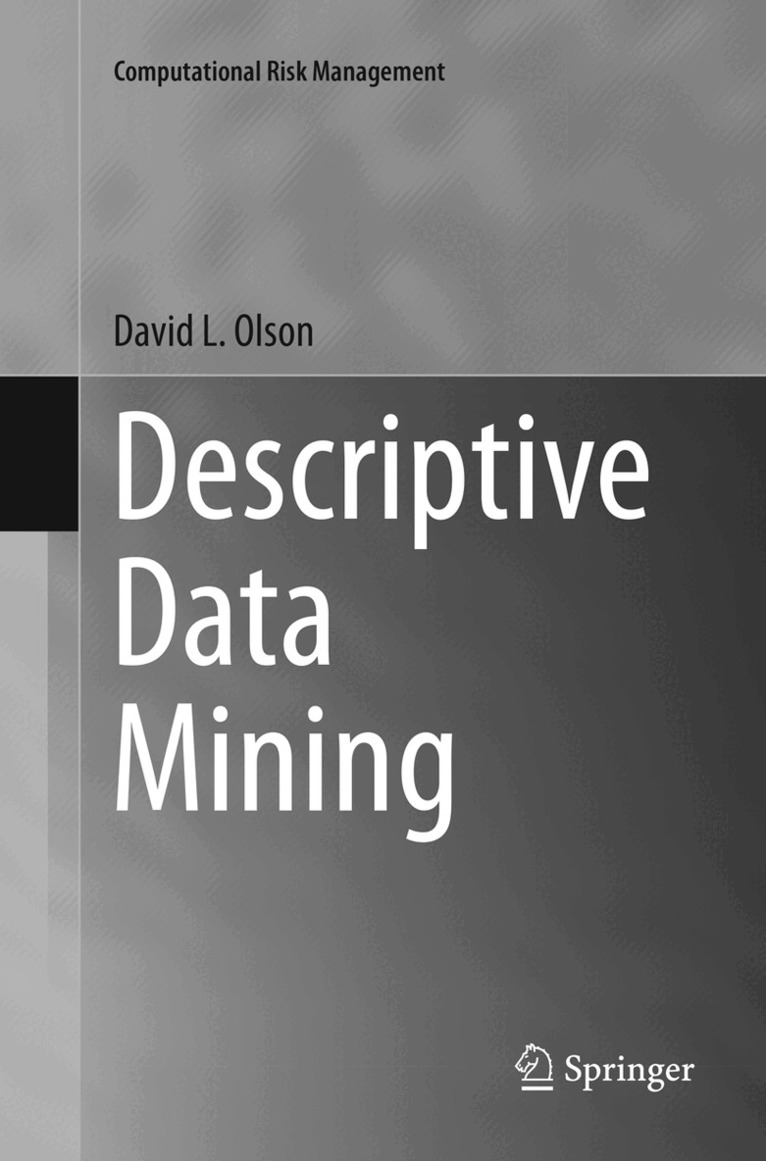
This book offers an overview of knowledge management. It starts with an introduction to the subject, placing descriptive models in the context of the overall field as well as within the more specific field of data mining analysis. Chapter 2 covers data visualization, including directions for accessing R open source software (described through Rattle). Both R and Rattle are free to students. Chapter 3 then describes market basket analysis, comparing it with more advanced models, and addresses the concept of lift. Subsequently, Chapter 4 describes smarketing RFM models and compares it with more advanced predictive models. Next, Chapter 5 describes association rules, including the APriori algorithm and provides software support from R. Chapter 6 covers cluster analysis, including software support from R (Rattle), KNIME, and WEKA, all of which are open source. Chapter 7 goes on to describe link analysis, social network metrics, and open source NodeXL software, and demonstrates link analysis application using PolyAnalyst output. Chapter 8 concludes the monograph.Using business-related data to demonstrate models, this descriptive book explains how methods work with some citations, but without detailed references. The data sets and software selected are widely available and can easily be accessed.
Inbunden, Engelska, 2019
1 681 kr
Skickas inom 10-15 vardagar
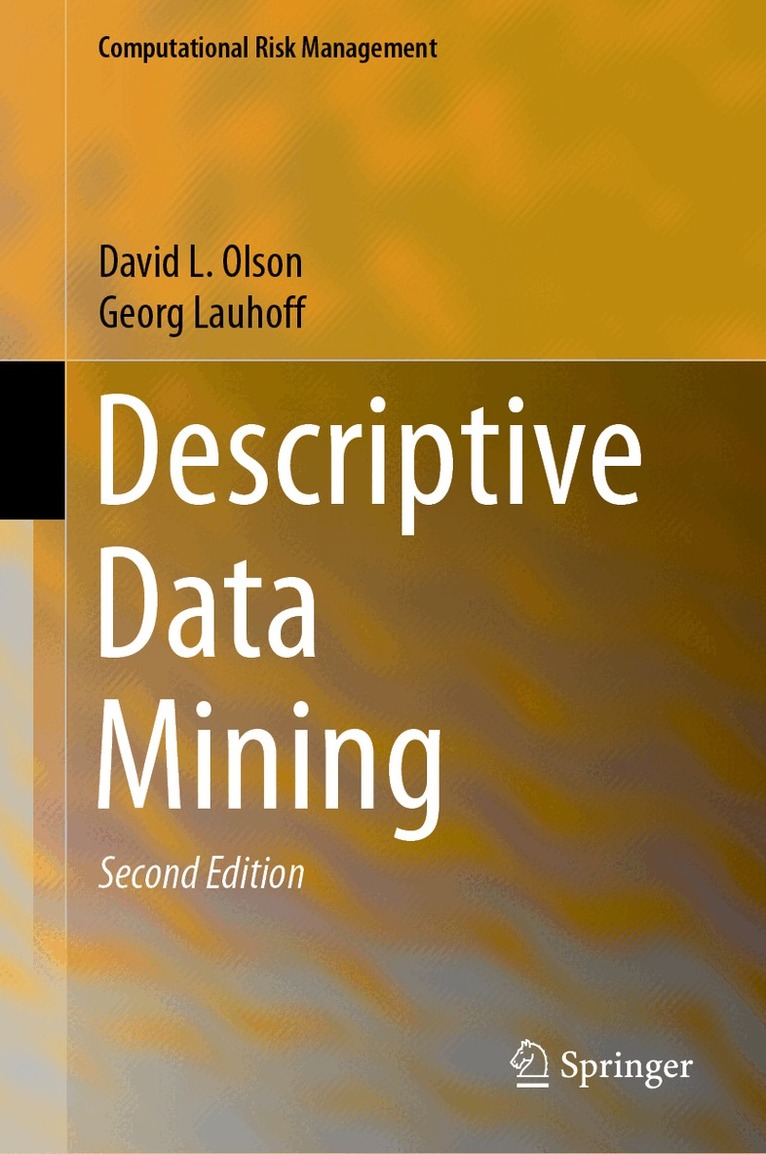
This book provides an overview of data mining methods demonstrated by software. Knowledge management involves application of human knowledge (epistemology) with the technological advances of our current society (computer systems) and big data, both in terms of collecting data and in analyzing it. We see three types of analytic tools. Descriptive analytics focus on reports of what has happened. Predictive analytics extend statistical and/or artificial intelligence to provide forecasting capability. It also includes classification modeling. Diagnostic analytics can apply analysis to sensor input to direct control systems automatically. Prescriptive analytics applies quantitative models to optimize systems, or at least to identify improved systems. Data mining includes descriptive and predictive modeling. Operations research includes all three. This book focuses on descriptive analytics.The book seeks to provide simple explanations and demonstration of some descriptive tools. This second edition provides more examples of big data impact, updates the content on visualization, clarifies some points, and expands coverage of association rules and cluster analysis. Chapter 1 gives an overview in the context of knowledge management. Chapter 2 discusses some basic software support to data visualization. Chapter 3 covers fundamentals of market basket analysis, and Chapter 4 provides demonstration of RFM modeling, a basic marketing data mining tool. Chapter 5 demonstrates association rule mining. Chapter 6 is a more in-depth coverage of cluster analysis. Chapter 7 discusses link analysis. Models are demonstrated using business related data. The style of the book is intended to be descriptive, seeking to explain how methods work, with some citations, but without deep scholarly reference. The data sets and software are all selected for widespread availability and access by any reader with computer links.
Inbunden, Engelska, 2019
1 235 kr
Skickas inom 10-15 vardagar
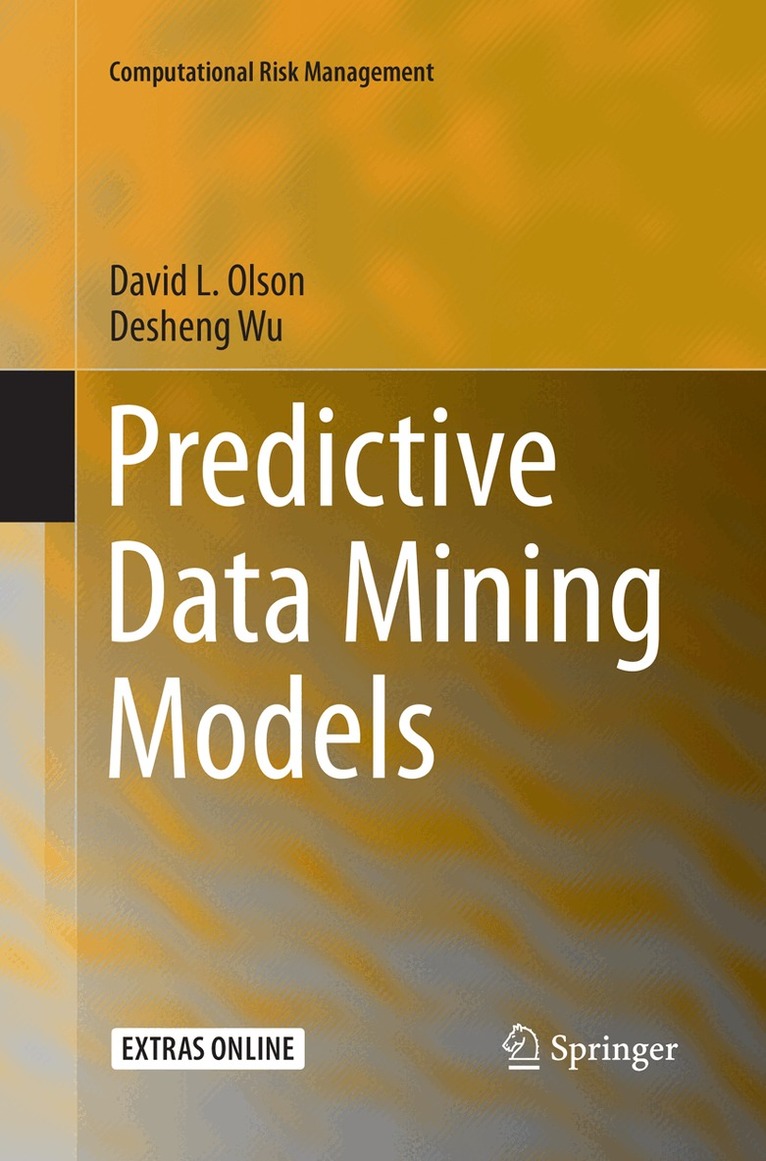
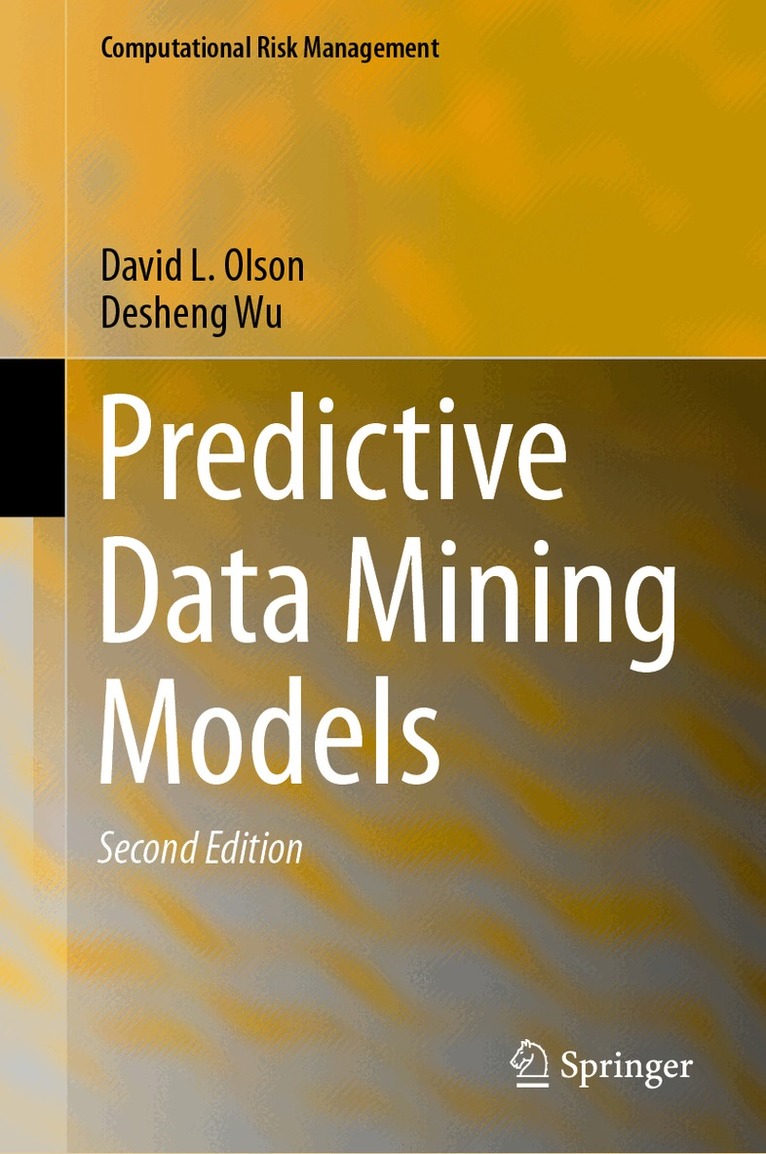
This book provides an overview of predictive methods demonstrated by open source software modeling with Rattle (R’) and WEKA. Knowledge management involves application of human knowledge (epistemology) with the technological advances of our current society (computer systems) and big data, both in terms of collecting data and in analyzing it. We see three types of analytic tools. Descriptive analytics focus on reports of what has happened. Predictive analytics extend statistical and/or artificial intelligence to provide forecasting capability. It also includes classification modeling. Prescriptive analytics applies quantitative models to optimize systems, or at least to identify improved systems. Data mining includes descriptive and predictive modeling. Operations research includes all three. This book focuses on prescriptive analytics.The book seeks to provide simple explanations and demonstration of some descriptive tools. This second editionprovides more examples of big data impact, updates the content on visualization, clarifies some points, and expands coverage of association rules and cluster analysis. Chapter 1 gives an overview in the context of knowledge management. Chapter 2 discusses some basic data types. Chapter 3 covers fundamentals time series modeling tools, and Chapter 4 provides demonstration of multiple regression modeling. Chapter 5 demonstrates regression tree modeling. Chapter 6 presents autoregressive/integrated/moving average models, as well as GARCH models. Chapter 7 covers the set of data mining tools used in classification, to include special variants support vector machines, random forests, and boosting. Models are demonstrated using business related data. The style of the book is intended to be descriptive, seeking to explain how methods work, with some citations, but without deep scholarly reference. The data sets and software are all selected for widespread availability and access by any reader with computer links.
Häftad, Engelska, 2020
900 kr
Skickas inom 10-15 vardagar
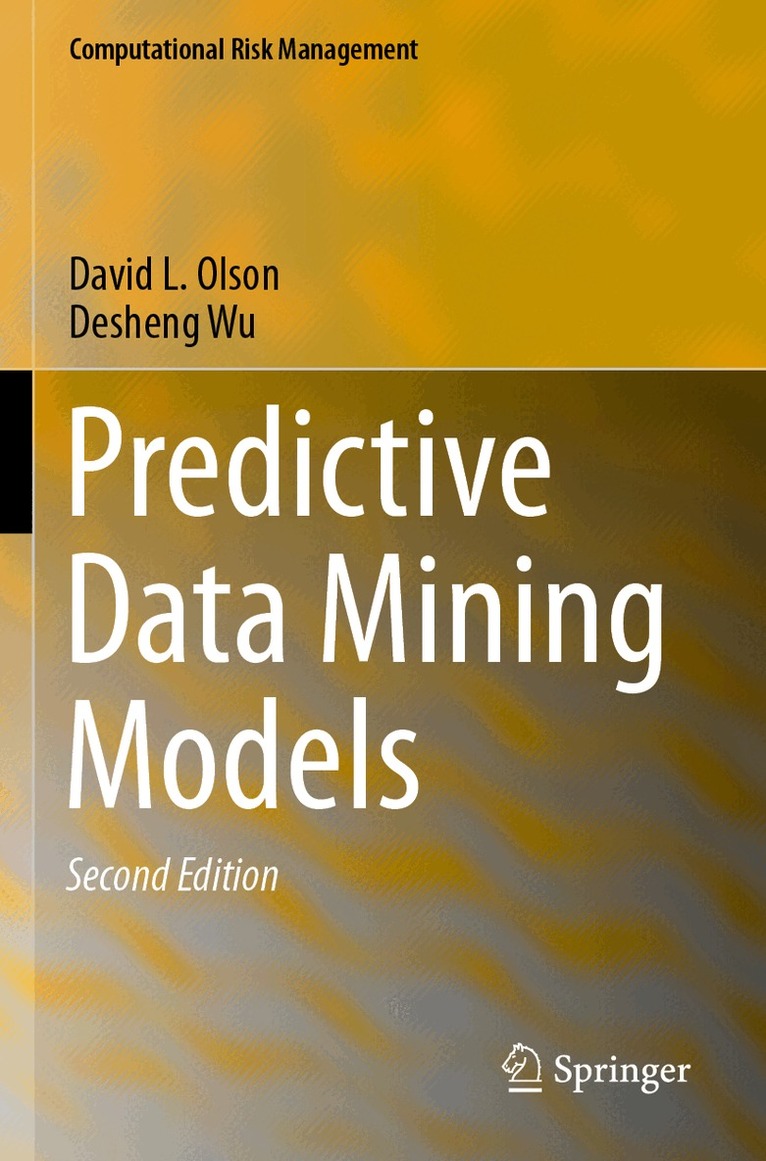
This book provides an overview of predictive methods demonstrated by open source software modeling with Rattle (R’) and WEKA. Knowledge management involves application of human knowledge (epistemology) with the technological advances of our current society (computer systems) and big data, both in terms of collecting data and in analyzing it. We see three types of analytic tools. Descriptive analytics focus on reports of what has happened. Predictive analytics extend statistical and/or artificial intelligence to provide forecasting capability. It also includes classification modeling. Prescriptive analytics applies quantitative models to optimize systems, or at least to identify improved systems. Data mining includes descriptive and predictive modeling. Operations research includes all three. This book focuses on prescriptive analytics.The book seeks to provide simple explanations and demonstration of some descriptive tools. This second editionprovides more examples of big data impact, updates the content on visualization, clarifies some points, and expands coverage of association rules and cluster analysis. Chapter 1 gives an overview in the context of knowledge management. Chapter 2 discusses some basic data types. Chapter 3 covers fundamentals time series modeling tools, and Chapter 4 provides demonstration of multiple regression modeling. Chapter 5 demonstrates regression tree modeling. Chapter 6 presents autoregressive/integrated/moving average models, as well as GARCH models. Chapter 7 covers the set of data mining tools used in classification, to include special variants support vector machines, random forests, and boosting. Models are demonstrated using business related data. The style of the book is intended to be descriptive, seeking to explain how methods work, with some citations, but without deep scholarly reference. The data sets and software are all selected for widespread availability and access by any reader with computer links.