Contemporary Trends Institute Series - Böcker
Visar alla böcker i serien Contemporary Trends Institute Series. Handla med fri frakt och snabb leverans.
2 produkter
2 produkter
3 336 kr
Skickas inom 10-15 vardagar
The last five years have seen a major paradigm shift in the role of human factors in product design. Previously this was seen as pertaining almost exclusively to product usability, but new recognition is being given to "pleasure-based" human factors. This emphasizes the holistic nature of the experience of person-product interaction. While traditional human factors approaches tended to characterize the user in terms of his or her physical or cognitive processing capabilities, new human factors approaches are concerned with wider lifestyle issues. The quality of a design is judged not only on its fit with a person's cognitive and physical abilities but also depends on how it fits the person's lifestyle and self image -- his hopes, dreams, values, and aspirations. Under the new paradigm, human factors specialists are concerned not only with the interaction design of products, but also with the product's sensorial and aesthetic qualities.Usability may once have been a seen as an added bonus, but consumers now tend to expect a product to be usable and are disappointed if they have difficulties in use. If human factors specialists are to continue to add value to a product, then their contribution must extend beyond traditional usability issues to capture the essence of what makes a product a real joy to use. This book gives an overview of the state-of-the-art in human factors approaches, consisting of specially invited contributions from leading practitioners in both industry and academia.
2 588 kr
Skickas inom 10-15 vardagar
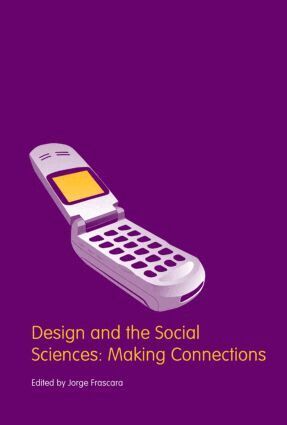
The social sciences have a distinctive contribution to make to the understanding and handling of design issues, both in product and systems design and in the design of the built environment. The role of cognitive psychology, particularly ergonomics, to the design process has traditionally been well appreciated. Because it provides important insights into the way people process information cognitively, it is a powerful tool for the design of usable products, buildings and systems.This book explores the disciplines of social psychology, sociology and anthropology, which provide techniques for investigating the relationships between people and design, in assessing the role that products and the built environment play in peoples lives and in setting product requirements based on this understanding. These include ergonomic user requirements, such as usability and accessibility, and also functional and aesthetic issues which will determine the overall quality of a design in terms of how it is experienced. This means looking at the functional and ergonomic properties of a design and going beyond to issues relating to the fit of the design to the lifestyle and aspirations of those who experience it.Written by specialists working at the front line in the consumer product industries - as well as by designers and applied theorists - the book describes new ways of understanding product development, innovation and design. Methods for the incorporation of user population in the design process are discussed and notions of use and experience, instead of forms and materials, serve as a basis to present the design of consumer products under a totally new light.