Continuum Intelligence Studies - Böcker
Visar alla böcker i serien Continuum Intelligence Studies. Handla med fri frakt och snabb leverans.
4 produkter
4 produkter
2 225 kr
Skickas inom 10-15 vardagar
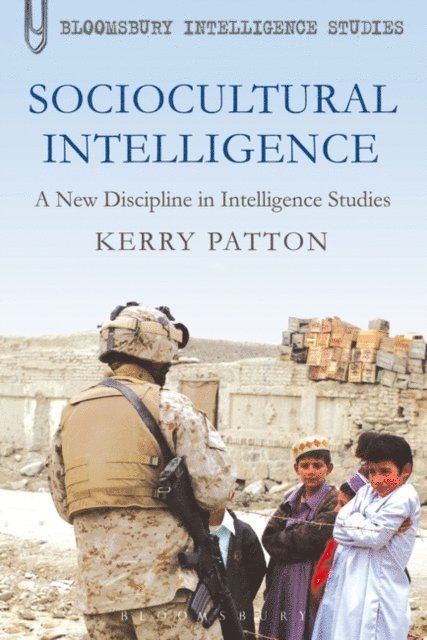
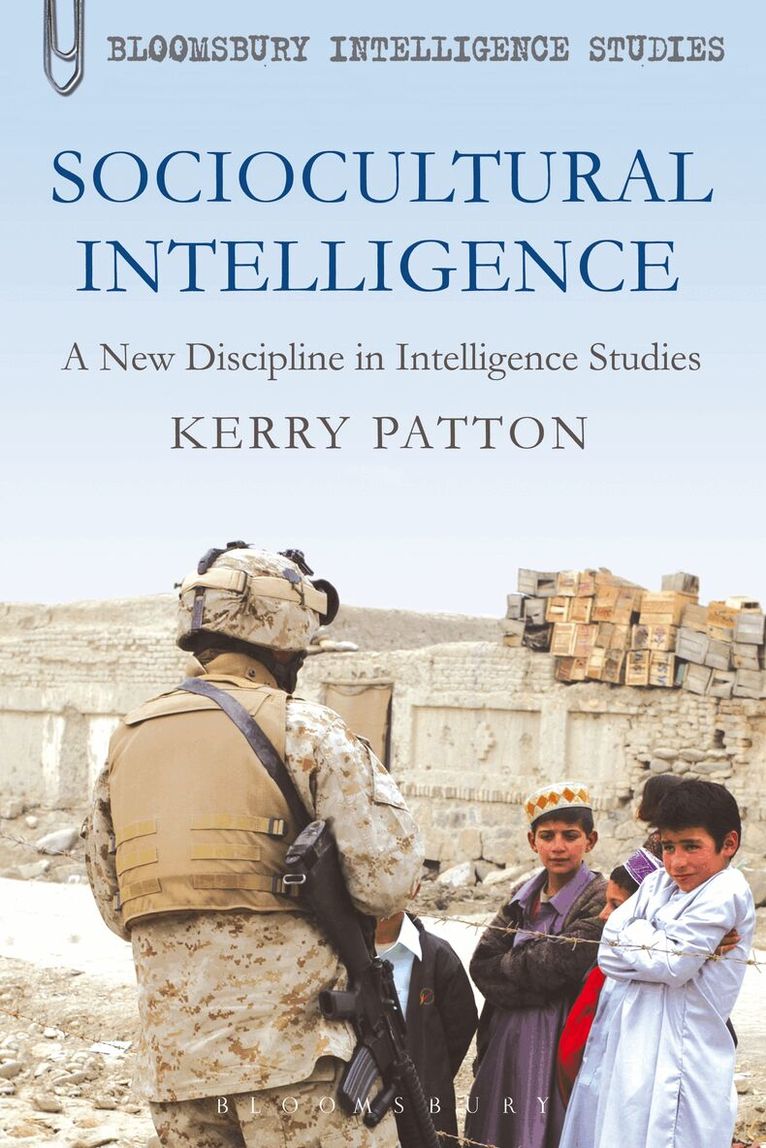
This new discipline proposes a systematic understanding of the customs, moral attitudes, and cultures of foreign populations to enhance the efficacy of national security initiatives. The book offers an in-depth analysis and conceptualization of a much needed intelligence discipline, Sociocultural intelligence (SOCINT). SOCINT means observing and analyzing such elements as the land, the people, and their communities. Customs, moral attitudes, and culture of foreign populations are integrated into the analysis of the information gathered to maximize the efficiency of security initiatives. A key tool in intelligence and covert operations, SOCINT can mostly be used for non-lethal operations that require a thorough understanding of networks and systems. Simply, by understanding the behavioral aspects of relationships and systems, we will have a greater opportunity for 'success' by knowing who, what, where, when, why, and how to influence within the systems themselves. Not only a tool for war fighting, SOCINT is needed for multiple uses, such as law enforcement operations and business.Written by an international expert, this unique book combines theoretical analysis with practical application to present and advocate for the systematic use of SOCINT to students and practitioners in intelligence studies, intelligence communities, and national security. "The Continuum Intelligence Studies Series" presents new research to enhance both the study and practice of intelligence. The volumes in CITS will focus on theory, concepts, teaching methods, new research, methodologies, best practices, and more across all fields of intelligence studies. The focus will be on contemporary issues and new research. Composed of coursebooks, monographs, practical guides, and reference works written by scholars and experts, the series is geared toward students in intelligence and security studies, as well as practitioners and policymakers.
1 703 kr
Skickas inom 10-15 vardagar
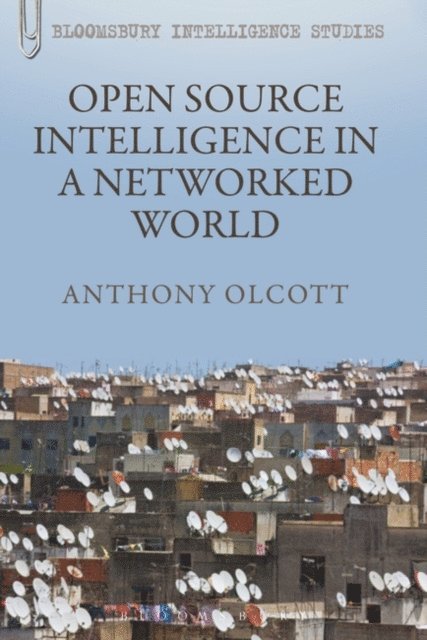
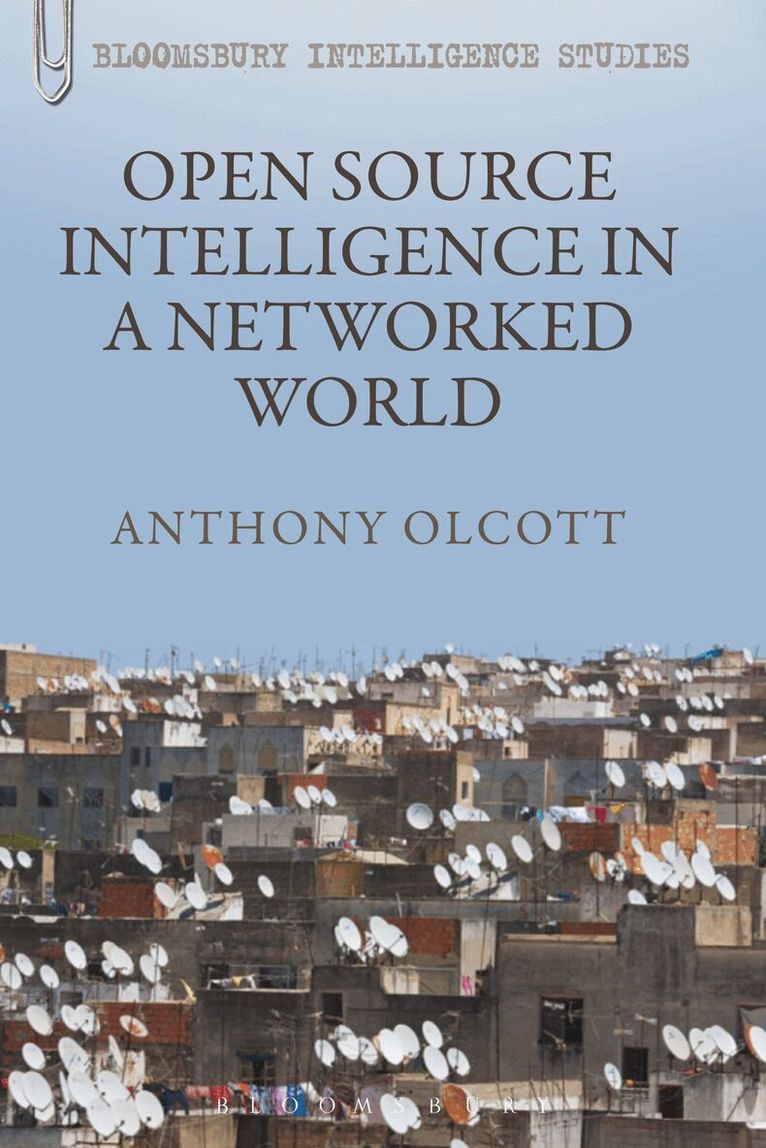
The amount of publicly and often freely available information is staggering. Yet, the intelligence community still continues to collect and use information in the same manner as during WWII, when the OSS set out to learn as much as possible about Nazi Germany and Imperial Japan by scrutinizing encyclopedias, guide books, and short-wave radio. Today, the supply of information is greater than any possible demand, and anyone can provide information. In effect, intelligence analysts are drowning in information. The book explains how to navigate this rising flood and make best use of these new, rich sources of information. Written by a pioneer in the field, it explores the potential uses of digitized data and the impact of the new means of creating and transmitting data, recommending to the intelligence community new ways of collecting and processing information. This comprehensive overview of the world of open source intelligence will appeal not only to practitioners and students of intelligence, but also to anyone interested in communication and the challenges posed by the information age.
528 kr
Skickas inom 10-15 vardagar
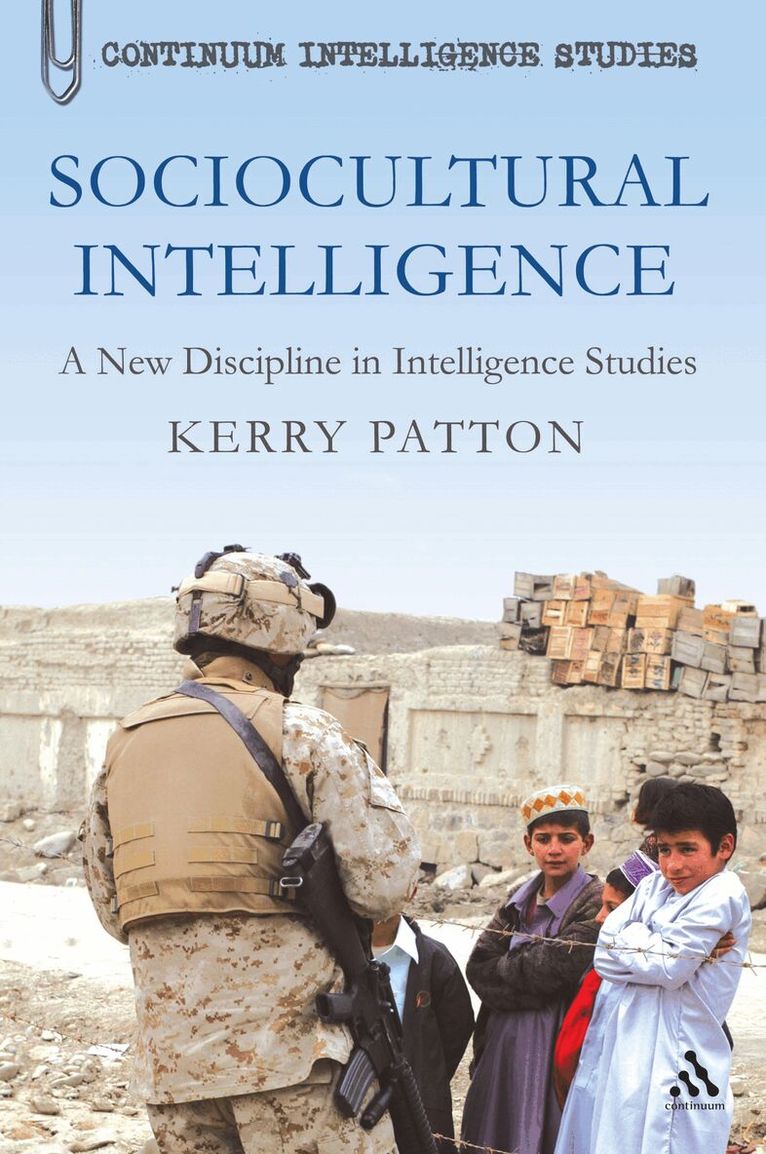
This new discipline proposes a systematic understanding of the customs, moral attitudes, and cultures of foreign populations to enhance the efficacy of national security initiatives. The book offers an in-depth analysis and conceptualization of a much needed intelligence discipline, Sociocultural intelligence (SOCINT). SOCINT means observing and analyzing such elements as the land, the people, and their communities. Customs, moral attitudes, and culture of foreign population are integrated into the analysis of the information gathered to maximize the efficiency of security initiatives. A key tool in intelligence and covert operations, SOCINT can mostly be used for non-lethal operations that require a thorough understanding of networks and systems. Simply, by understanding the behavioral aspects of relationships and systems, we will have a greater opportunity for 'success' by knowing who, what, where, when, why, and how to influence within the systems themselves. Not only a tool for war fighting, SOCINT is needed for multiple uses, such as law enforcement operations and business.Written by an international expert, this unique book combines theoretical analysis with practical application to present and advocate for the systematic use of SOCINT to students and practitioners in intelligence studies, intelligence communities, and national security. "The Continuum Intelligence Studies Series" presents new research to enhance both the study and practice of intelligence. The volumes in CITS will focus on theory, concepts, teaching methods, new research, methodologies, best practices, and more across all fields of intelligence studies. The focus will be on contemporary issues and new research. Composed of coursebooks, monographs, practical guides, and reference works written by scholars and experts, the series is geared toward students in intelligence and security studies, as well as practitioners and policymakers.
488 kr
Skickas inom 10-15 vardagar
The amount of publicly and often freely available information is staggering. Yet, the intelligence community still continues to collect and use information in the same manner as during WWII, when the OSS set out to learn as much as possible about Nazi Germany and Imperial Japan by scrutinizing encyclopedias, guide books, and short-wave radio. Today, the supply of information is greater than any possible demand, and anyone can provide information. In effect, intelligence analysts are drowning in information. The book explains how to navigate this rising flood and make best use of these new, rich sources of information. Written by a pioneer in the field, it explores the potential uses of digitized data and the impact of the new means of creating and transmitting data, recommending to the intelligence community new ways of collecting and processing information. This comprehensive overview of the world of open source intelligence will appeal not only to practitioners and students of intelligence, but also to anyone interested in communication and the challenges posed by the information age.