Studies in Insurgency, Counterinsurgency and National Security – serie
Visar alla böcker i serien Studies in Insurgency, Counterinsurgency and National Security. Handla med fri frakt och snabb leverans.
10 produkter
10 produkter
Häftad, Engelska, 2020
653 kr
Skickas inom 10-15 vardagar
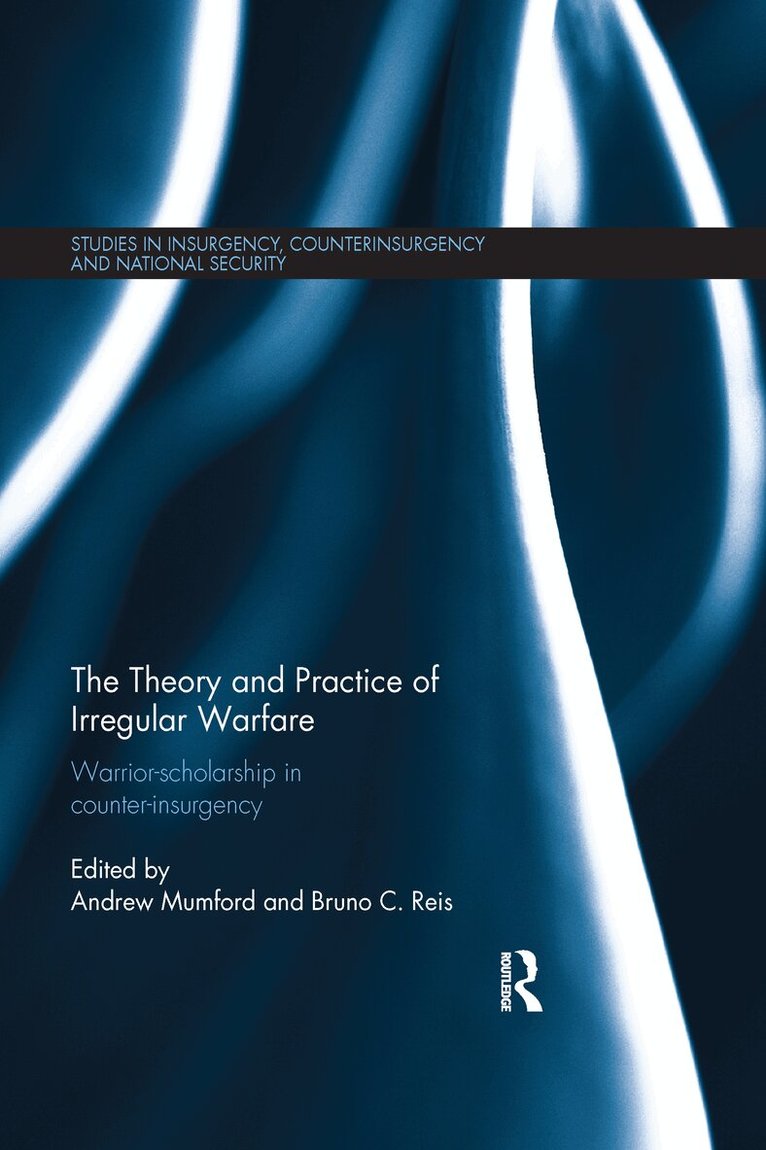
This book offers an analysis of key individuals who have contributed to both the theory and the practice of counterinsurgency (COIN). Insurgencies have become the dominant form of armed conflict around the world today. The perceptible degeneration of the occupations of Iraq and Afghanistan into insurgent quagmires has sparked a renewal of academic and military interest in the theory and practice of counterinsurgency. In light of this, this book provides a rigorous analysis of those individuals who have contributed to both the theory and practice of counterinsurgency: ‘warrior-scholars’. These are soldiers who have bridged the academic-military divide by influencing doctrinal and intellectual debates about irregular warfare. Irregular warfare is notoriously difficult for the military, and scholarly understanding about this type of warfare is also problematic; especially given the residual anti-intellectualism within Western militaries. Thus, The Theory and Practice of Irregular Warfare is dedicated to analysing the best perceivable bridge between these two worlds. The authors explore the theoretical and practical contributions made by a selection of warrior-scholars of different nationalities, from periods ranging from the French colonial wars of the mid-twentieth century to the Israeli experiences in the Middle East; from contributions to American counter-insurgency made during the Iraq War, to the thinkers who shaped the US war in Vietnam.This book will be of much interest to students of counterinsurgency, strategic studies, defence studies, war studies and security studies in general.
Häftad, Engelska, 2021
625 kr
Skickas inom 10-15 vardagar
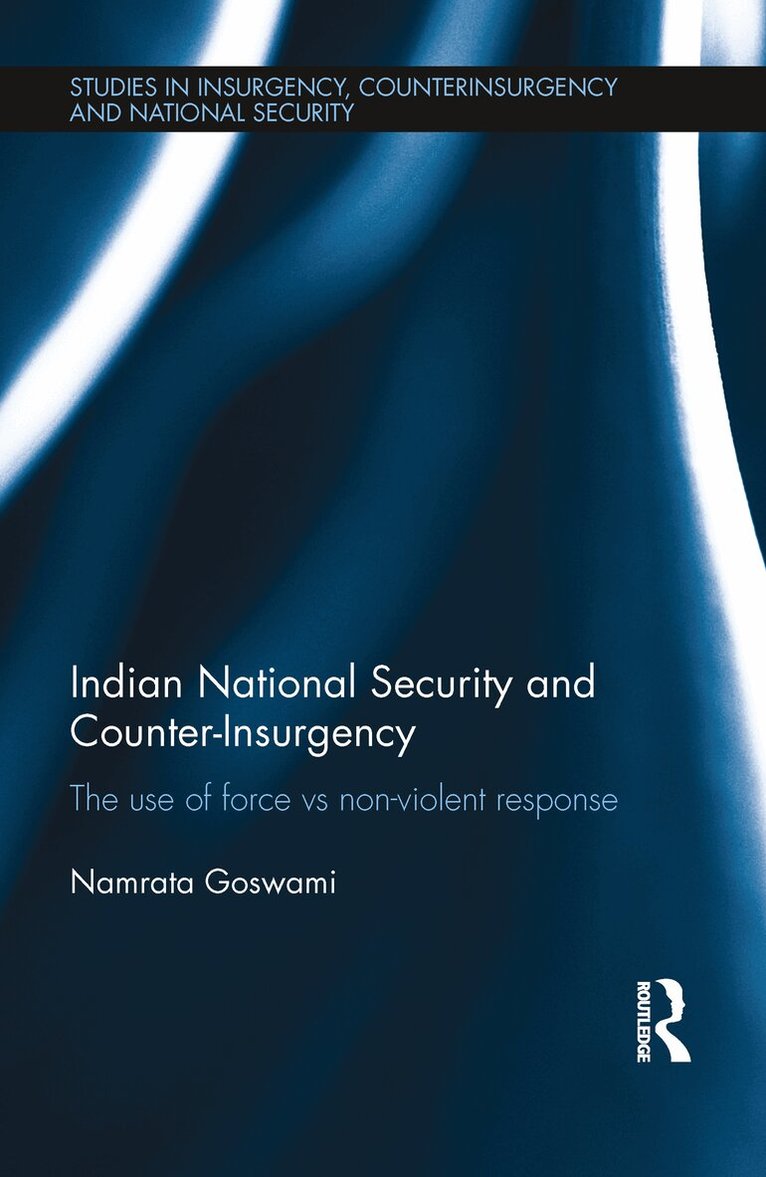
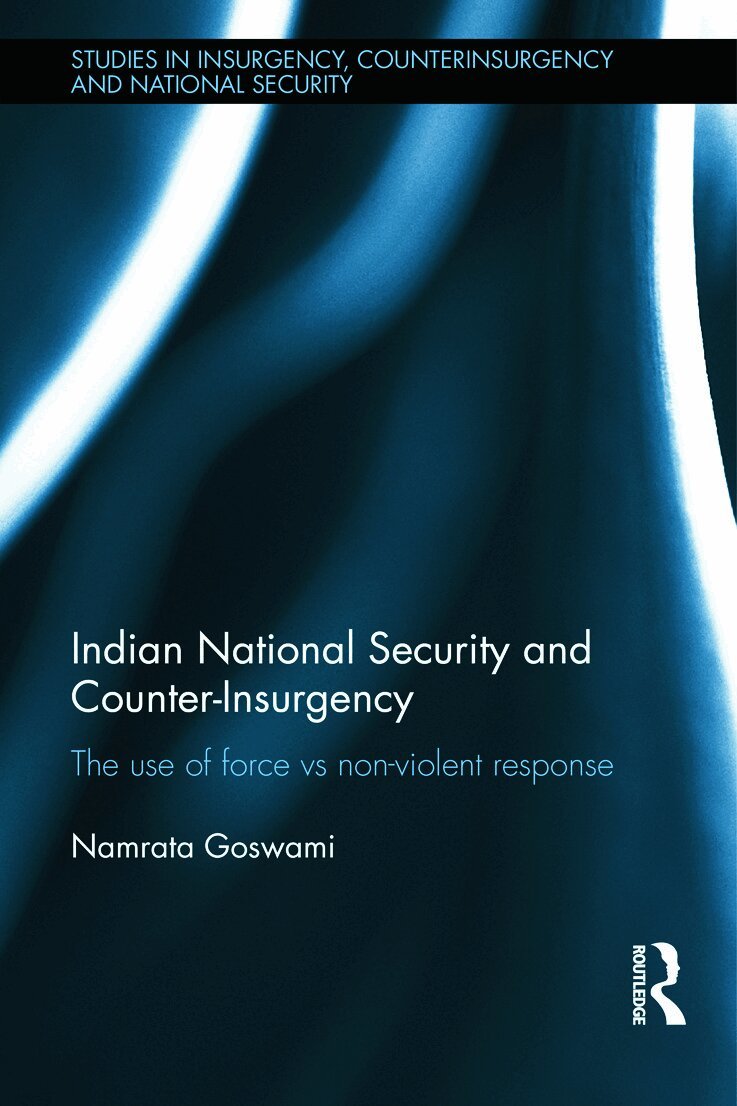
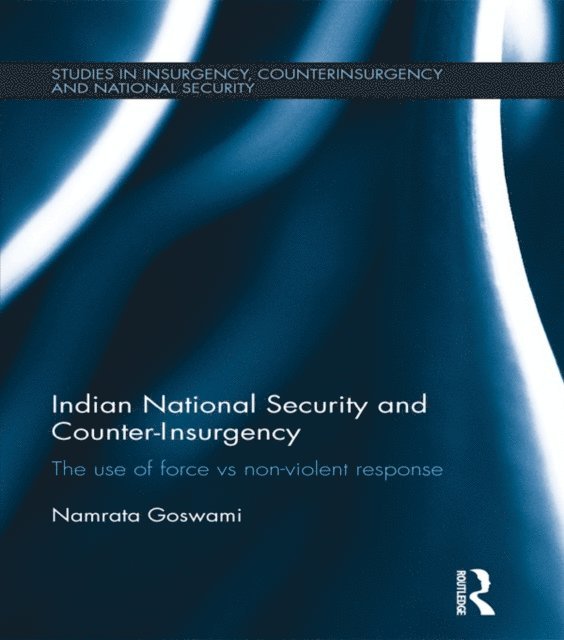
This book, based on extensive field research, examines the Indian state’s response to the multiple insurgencies that have occurred since independence in 1947. In reacting to these various insurgencies, the Indian state has employed a combined approach of force, dialogue, accommodation of ethnic and minority aspirations and, overtime, the state has established a tradition of negotiation with armed ethnic groups in order to bolster its legitimacy based on an accommodative posture. While these efforts have succeeded in resolving the Mizo insurgency, it has only incited levels of violence with regard to others. Within this backdrop of ongoing Indian counter-insurgency, this study provides a set of conditions responsible for the groundswell of insurgencies in India, and some recommendations to better formulate India’s national security policy with regard to its counter-insurgency responses. The study focuses on the national institutions responsible for formulating India’s national security policy dealing with counter-insurgency – such as the Prime Minister’s Office, the Cabinet Committee on Security, the National Security Council, the Ministry of Home Affairs and the Indian military apparatus. Furthermore, it studies how national interests and values influence the formulation of this policy; and the overall success and/or failure of the policy to deal with armed insurgent movements. Notably, the study traces the ideational influence of Kautilya and Gandhi in India’s overall response to insurgencies. Multiple cases of armed ethnic insurgencies in Assam, Manipur, Mizoram, and Nagaland in the Northeast of India and the ideologically oriented Maoist or Naxalite insurgency affecting the heartland of India are analysed in-depth to evaluate the Indian counter-insurgency experience. This book will be of much interest to students of counter-insurgency, Asian politics, ethnic conflict, and security studies in general.
Häftad, Engelska, 2019
672 kr
Skickas inom 10-15 vardagar
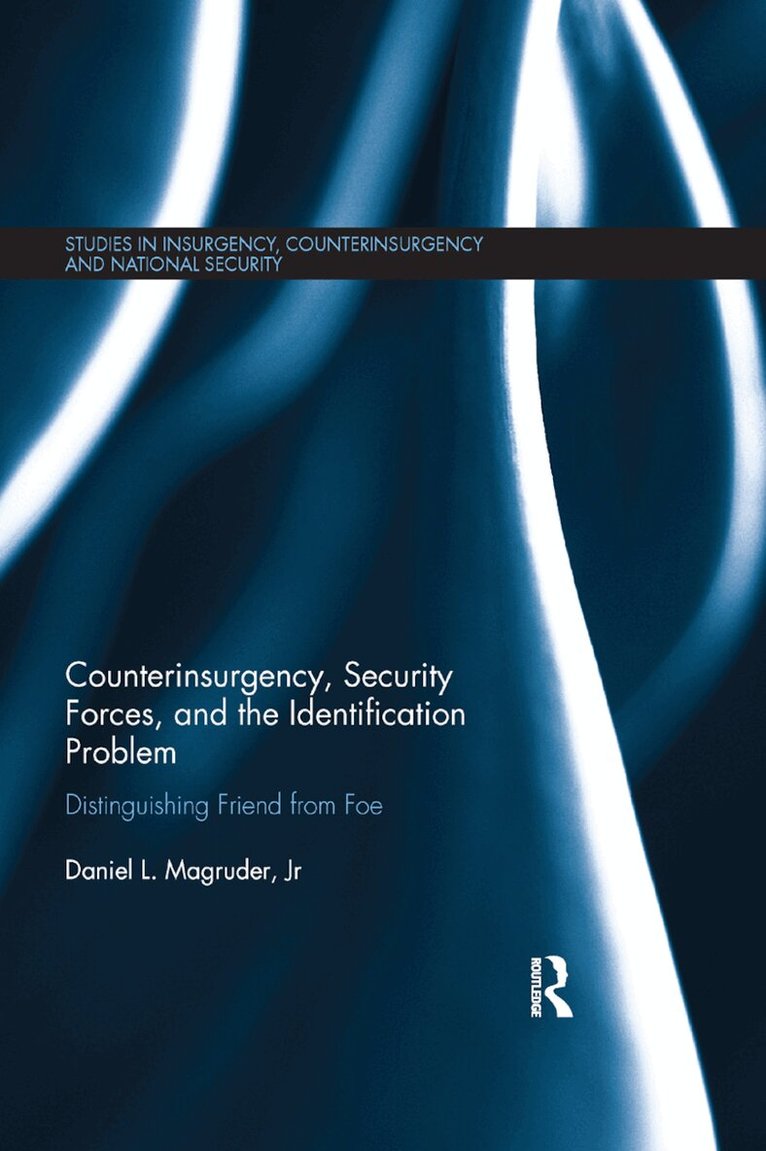
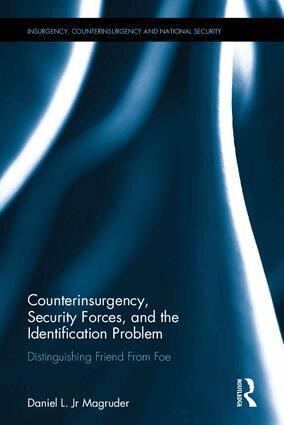
This book presents a theory and empirical evidence for how security forces can identify militant suspects during counterinsurgency operations.A major oversight on the part of academics and practitioners has been to ignore the critical antecedent issue common to persuasion and coercion counterinsurgency (COIN) approaches: distinguishing friend from foe. This book proposes that the behaviour of security forces influences the likelihood of militant identification during a COIN campaign, and argues that security forces must respect civilian safety in order to create a credible commitment to facilitate collaboration with a population. This distinction is important as conventional wisdom has wrongly assumed that the presence of security forces confers control over terrain or influence over a population. Collaboration between civilian and government actors is the key observable indicator of support in COIN. Paradoxically, this theory accounts for why and how increased risk to government forces in the short term actually improves civilian security in the long run. Counterinsurgency, Security Forces, and the Identification Problem draws on three case studies: the Huk Rebellion in the Philippines post-World War II; Marines Corps’ experiences in Vietnam through the Combined Action Program; and Special Operations activities in Iraq after 2003. For military practitioners, the work illustrates the critical precursor to establishing "security" during counterinsurgency operations. The book also examines the role and limits of modern technology in solving the identification problem.This book will be of interest to students of counterinsurgency, military history, strategic studies, US foreign policy, and security studies in general.
Häftad, Engelska, 2019
653 kr
Skickas inom 10-15 vardagar
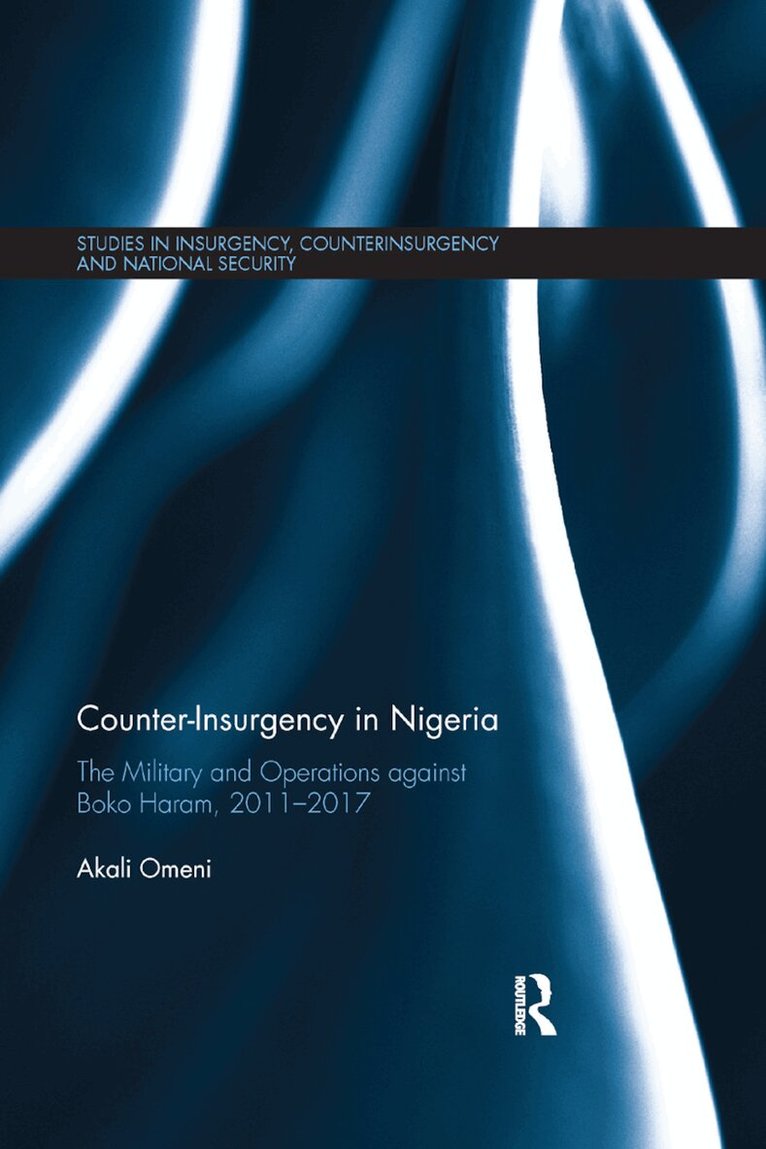
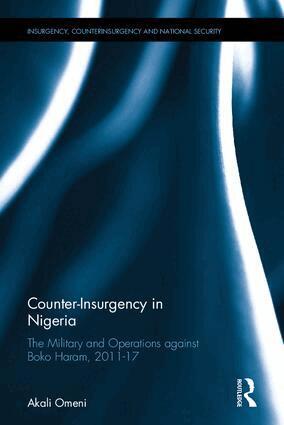
This book offers a detailed examination of the counter-insurgency operations undertaken by the Nigerian military against Boko Haram between 2011 and 2017. Based on extensive fieldwork conducted with military units in Nigeria, Counter-Insurgency in Nigeria has two main aims. First, it seeks to provide an understanding of the Nigerian military’s internal role – a role that today, as a result of internal threats, pivots towards counter-insurgency. The book illustrates how organizational culture, historical experience, institutions, and doctrine, are critical to understanding the Nigerian military and its attitudes and actions against the threat of civil disobedience, today and in the past. The second aim of the book is to examine the Nigerian military campaign against Boko Haram insurgents – specifically, plans and operations between June 2011 and April 2017. Within this second theme, emphasis is placed on the idea of battlefield innovation and the reorganization within the Nigerian military since 2013, as the Nigerian Army and Air Force recalibrated themselves for COIN warfare. A certain mystique has surrounded the technicalities of COIN operations by the Army against Boko Haram, and this book aims to disperse that veil of secrecy. Furthermore, the work’s analysis of the air force’s role in counter-insurgency is unprecedented within the literature on military warfare in Nigeria.This book will be of great interest to students of military studies, counter-insurgency, counter-terrorism, African politics and security studies in general.
Inbunden, Engelska, 2014
2 274 kr
Skickas inom 10-15 vardagar
This book, based on extensive field research, examines the Indian state’s response to the multiple insurgencies that have occurred since independence in 1947. In reacting to these various insurgencies, the Indian state has employed a combined approach of force, dialogue, accommodation of ethnic and minority aspirations and, overtime, the state has established a tradition of negotiation with armed ethnic groups in order to bolster its legitimacy based on an accommodative posture. While these efforts have succeeded in resolving the Mizo insurgency, it has only incited levels of violence with regard to others. Within this backdrop of ongoing Indian counter-insurgency, this study provides a set of conditions responsible for the groundswell of insurgencies in India, and some recommendations to better formulate India’s national security policy with regard to its counter-insurgency responses. The study focuses on the national institutions responsible for formulating India’s national security policy dealing with counter-insurgency – such as the Prime Minister’s Office, the Cabinet Committee on Security, the National Security Council, the Ministry of Home Affairs and the Indian military apparatus. Furthermore, it studies how national interests and values influence the formulation of this policy; and the overall success and/or failure of the policy to deal with armed insurgent movements. Notably, the study traces the ideational influence of Kautilya and Gandhi in India’s overall response to insurgencies. Multiple cases of armed ethnic insurgencies in Assam, Manipur, Mizoram, and Nagaland in the Northeast of India and the ideologically oriented Maoist or Naxalite insurgency affecting the heartland of India are analysed in-depth to evaluate the Indian counter-insurgency experience. This book will be of much interest to students of counter-insurgency, Asian politics, ethnic conflict, and security studies in general.
Häftad, Engelska, 2016
557 kr
Skickas inom 10-15 vardagar
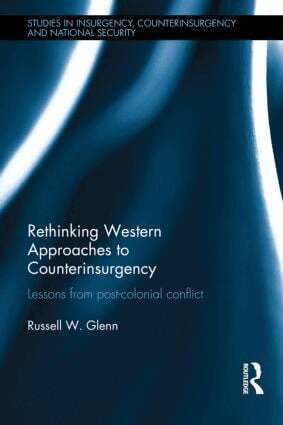
This book critically examines the Western approach to counter-insurgency in the post-colonial era and offers a series of recommendations to address current shortfalls. The author argues that current approaches to countering insurgency rely too heavily on conflicts from the post-World War II years of waning colonialism. Campaigns conducted over half a century ago – Malaya, Aden, and Kenya among them – remain primary sources on which the United States, British, Australian, and other militaries build their guidance for dealing with insurgent threats, this though both the character of those threats and the conflict environment are significantly different than was the case in those earlier years. This book addresses the resulting inconsistencies by offering insights, analysis, and recommendations drawn from campaigns more applicable to counter-insurgency today.Eight post-colonial conflicts; to include Northern Ireland, Sierra Leone, Colombia and Iraq; provide the basis for analysis. All are examples in which counterinsurgents attained or continue to demonstrate considerable progress when taking on enterprises better known for disaster and disappointment. Recommendations resulting from these analyses challenge entrenched beliefs to serve as the impetus for essential change. Rethinking Western Approaches to Counterinsurgency will be of much interest to students of counter-insurgencies, military and strategic studies, security studies and IR in general.
Inbunden, Engelska, 2013
2 206 kr
Skickas inom 10-15 vardagar
This book offers an analysis of key individuals who have contributed to both the theory and the practice of counterinsurgency (COIN). Insurgencies have become the dominant form of armed conflict around the world today. The perceptible degeneration of the occupations of Iraq and Afghanistan into insurgent quagmires has sparked a renewal of academic and military interest in the theory and practice of counterinsurgency. In light of this, this book provides a rigorous analysis of those individuals who have contributed to both the theory and practice of counterinsurgency: ‘warrior-scholars’. These are soldiers who have bridged the academic-military divide by influencing doctrinal and intellectual debates about irregular warfare. Irregular warfare is notoriously difficult for the military, and scholarly understanding about this type of warfare is also problematic; especially given the residual anti-intellectualism within Western militaries. Thus, The Theory and Practice of Irregular Warfare is dedicated to analysing the best perceivable bridge between these two worlds. The authors explore the theoretical and practical contributions made by a selection of warrior-scholars of different nationalities, from periods ranging from the French colonial wars of the mid-twentieth century to the Israeli experiences in the Middle East; from contributions to American counter-insurgency made during the Iraq War, to the thinkers who shaped the US war in Vietnam.This book will be of much interest to students of counterinsurgency, strategic studies, defence studies, war studies and security studies in general.
Inbunden, Engelska, 2017
2 137 kr
Skickas inom 10-15 vardagar
This book offers a detailed examination of the counter-insurgency operations undertaken by the Nigerian military against Boko Haram between 2011 and 2017. Based on extensive fieldwork conducted with military units in Nigeria, Counter-Insurgency in Nigeria has two main aims. First, it seeks to provide an understanding of the Nigerian military’s internal role – a role that today, as a result of internal threats, pivots towards counter-insurgency. The book illustrates how organizational culture, historical experience, institutions, and doctrine, are critical to understanding the Nigerian military and its attitudes and actions against the threat of civil disobedience, today and in the past. The second aim of the book is to examine the Nigerian military campaign against Boko Haram insurgents – specifically, plans and operations between June 2011 and April 2017. Within this second theme, emphasis is placed on the idea of battlefield innovation and the reorganization within the Nigerian military since 2013, as the Nigerian Army and Air Force recalibrated themselves for COIN warfare. A certain mystique has surrounded the technicalities of COIN operations by the Army against Boko Haram, and this book aims to disperse that veil of secrecy. Furthermore, the work’s analysis of the air force’s role in counter-insurgency is unprecedented within the literature on military warfare in Nigeria.This book will be of great interest to students of military studies, counter-insurgency, counter-terrorism, African politics and security studies in general.
Inbunden, Engelska, 2017
2 137 kr
Skickas inom 10-15 vardagar
This book presents a theory and empirical evidence for how security forces can identify militant suspects during counterinsurgency operations.A major oversight on the part of academics and practitioners has been to ignore the critical antecedent issue common to persuasion and coercion counterinsurgency (COIN) approaches: distinguishing friend from foe. This book proposes that the behaviour of security forces influences the likelihood of militant identification during a COIN campaign, and argues that security forces must respect civilian safety in order to create a credible commitment to facilitate collaboration with a population. This distinction is important as conventional wisdom has wrongly assumed that the presence of security forces confers control over terrain or influence over a population. Collaboration between civilian and government actors is the key observable indicator of support in COIN. Paradoxically, this theory accounts for why and how increased risk to government forces in the short term actually improves civilian security in the long run. Counterinsurgency, Security Forces, and the Identification Problem draws on three case studies: the Huk Rebellion in the Philippines post-World War II; Marines Corps’ experiences in Vietnam through the Combined Action Program; and Special Operations activities in Iraq after 2003. For military practitioners, the work illustrates the critical precursor to establishing "security" during counterinsurgency operations. The book also examines the role and limits of modern technology in solving the identification problem.This book will be of interest to students of counterinsurgency, military history, strategic studies, US foreign policy, and security studies in general.
Inbunden, Engelska, 2015
2 206 kr
Skickas inom 10-15 vardagar
This book critically examines the Western approach to counter-insurgency in the post-colonial era and offers a series of recommendations to address current shortfalls. The author argues that current approaches to countering insurgency rely too heavily on conflicts from the post-World War II years of waning colonialism. Campaigns conducted over half a century ago – Malaya, Aden, and Kenya among them – remain primary sources on which the United States, British, Australian, and other militaries build their guidance for dealing with insurgent threats, this though both the character of those threats and the conflict environment are significantly different than was the case in those earlier years. This book addresses the resulting inconsistencies by offering insights, analysis, and recommendations drawn from campaigns more applicable to counter-insurgency today.Eight post-colonial conflicts; to include Northern Ireland, Sierra Leone, Colombia and Iraq; provide the basis for analysis. All are examples in which counterinsurgents attained or continue to demonstrate considerable progress when taking on enterprises better known for disaster and disappointment. Recommendations resulting from these analyses challenge entrenched beliefs to serve as the impetus for essential change. Rethinking Western Approaches to Counterinsurgency will be of much interest to students of counter-insurgencies, military and strategic studies, security studies and IR in general.