Critical Topics in Contemporary Anthropology – Serie
Visar alla böcker i serien Critical Topics in Contemporary Anthropology. Handla med fri frakt och snabb leverans.
6 produkter
6 produkter
1 241 kr
Skickas inom 11-20 vardagar
370 kr
Skickas inom 11-20 vardagar
2 113 kr
Skickas inom 10-15 vardagar
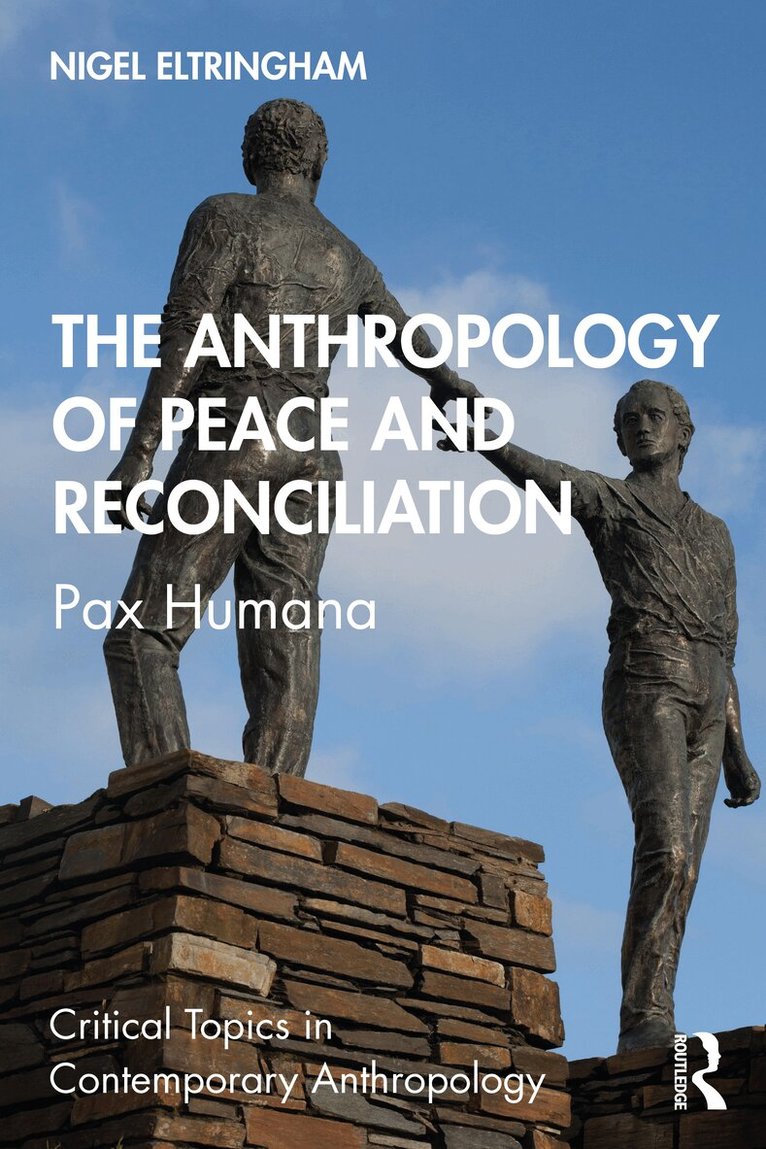
This book offers a uniquely comparative, case-study perspective on the anthropology of peace and reconciliation. In the contemporary world, the end of violent conflict often gives way to one, or a combination, of five interventions designed to strengthen “peace” and facilitate “reconciliation”. These interventions are: the reinvigoration of “traditional” conflict management mechanisms; the collection and preservation of testimony; truth commissions; international criminal trials; and memorialisation. Social anthropologists have challenged the received wisdom on which these interventions are based, arguing that they fail to adequately take into account and sensitively manage the needs and expectations of those who have lived through conflict. Exploring the five interventions through detailed ethnographic accounts from around the world, this book demonstrates that although social anthropologists adopt a critical stance, they do not dismiss “received wisdom” out of hand; rather, they advocate that interventions should be subject to continuous evaluation according to the evolving, often contradictory, needs and wishes of those who strive to survive among the ruins of their former lives.This is essential reading for scholars of peace studies, conflict resolution studies and those taking an anthropological approach to conflict, violence, human rights and law.
564 kr
Skickas inom 10-15 vardagar
This book offers a uniquely comparative, case-study perspective on the anthropology of peace and reconciliation. In the contemporary world, the end of violent conflict often gives way to one, or a combination, of five interventions designed to strengthen “peace” and facilitate “reconciliation”. These interventions are: the reinvigoration of “traditional” conflict management mechanisms; the collection and preservation of testimony; truth commissions; international criminal trials; and memorialisation. Social anthropologists have challenged the received wisdom on which these interventions are based, arguing that they fail to adequately take into account and sensitively manage the needs and expectations of those who have lived through conflict. Exploring the five interventions through detailed ethnographic accounts from around the world, this book demonstrates that although social anthropologists adopt a critical stance, they do not dismiss “received wisdom” out of hand; rather, they advocate that interventions should be subject to continuous evaluation according to the evolving, often contradictory, needs and wishes of those who strive to survive among the ruins of their former lives.This is essential reading for scholars of peace studies, conflict resolution studies and those taking an anthropological approach to conflict, violence, human rights and law.
618 kr
Skickas inom 10-15 vardagar
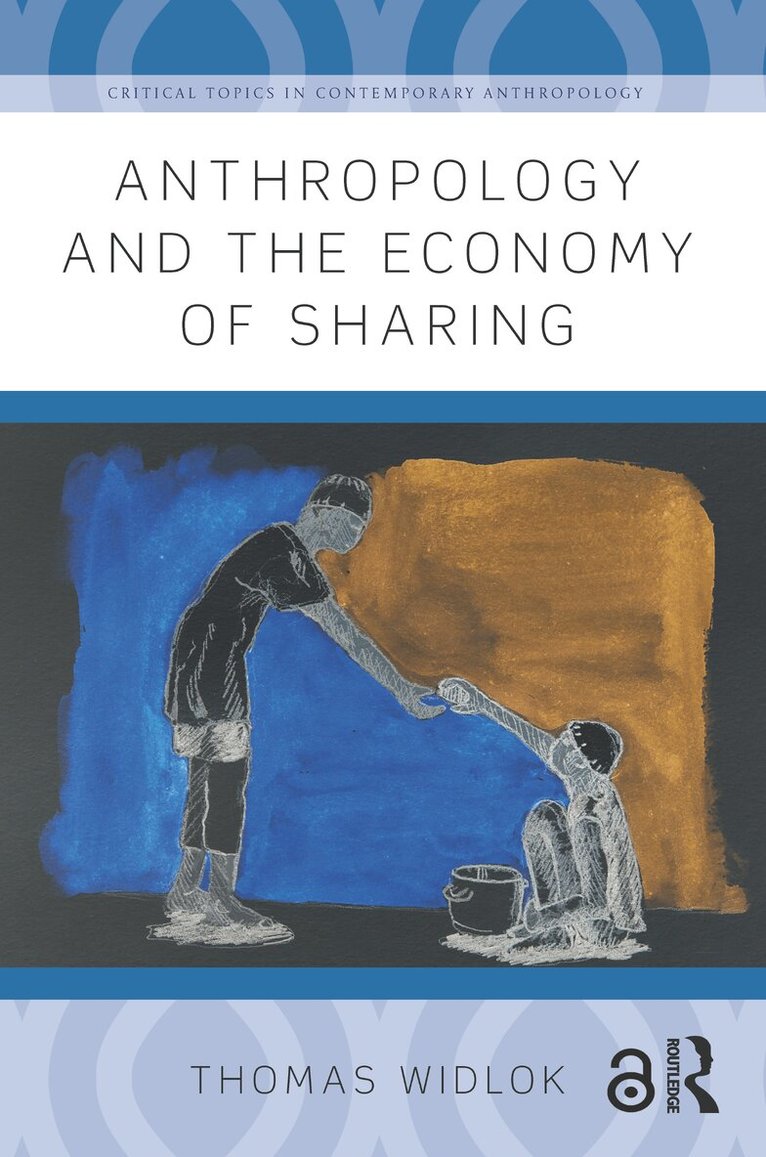
This book examines the economy of sharing in a variety of social and political contexts around the world, with consideration given to the role of sharing in relation to social order and social change, political power, group formation, individual networks and concepts of personhood. Widlok advocates a refreshingly broad comparative approach to our understanding of sharing, with a rich range of material from hunter-gatherer ethnography alongside debates and empirical illustrations from globalized society, helping students to avoid Western economic bias in their thinking. Anthropology and the Economy of Sharing also demonstrates that sharing is distinct from gift-giving, exchange and reciprocity, which have become dominant themes in economic anthropology, and suggests that a new focus on sharing will have significant repercussions for anthropological theory. Breaking new ground in this key topic, this volume provides students with a coherent and accessible overview of the economy of sharing from an anthropological perspective.The Open Access version of this book, available at http://www.taylorfrancis.com, has been made available under a Creative Commons Attribution-ShareAlike (CC BY-SA) 4.0 license. Open Access funding of this book was made possible through the Leo Spitzer Prize of the University of Cologne. This generous funding is gratefully acknowledged.
2 113 kr
Skickas inom 10-15 vardagar
This book examines the economy of sharing in a variety of social and political contexts around the world, with consideration given to the role of sharing in relation to social order and social change, political power, group formation, individual networks and concepts of personhood. Widlok advocates a refreshingly broad comparative approach to our understanding of sharing, with a rich range of material from hunter-gatherer ethnography alongside debates and empirical illustrations from globalized society, helping students to avoid Western economic bias in their thinking. Anthropology and the Economy of Sharing also demonstrates that sharing is distinct from gift-giving, exchange and reciprocity, which have become dominant themes in economic anthropology, and suggests that a new focus on sharing will have significant repercussions for anthropological theory. Breaking new ground in this key topic, this volume provides students with a coherent and accessible overview of the economy of sharing from an anthropological perspective.The Open Access version of this book, available at http://www.taylorfrancis.com, has been made available under a Creative Commons Attribution-ShareAlike (CC BY-SA) 4.0 license. Open Access funding of this book was made possible through the Leo Spitzer Prize of the University of Cologne. This generous funding is gratefully acknowledged.