
Crux: The Georgia Series in Literary Nonfiction Ser. – serie
425 kr
Läs direkt efter köp
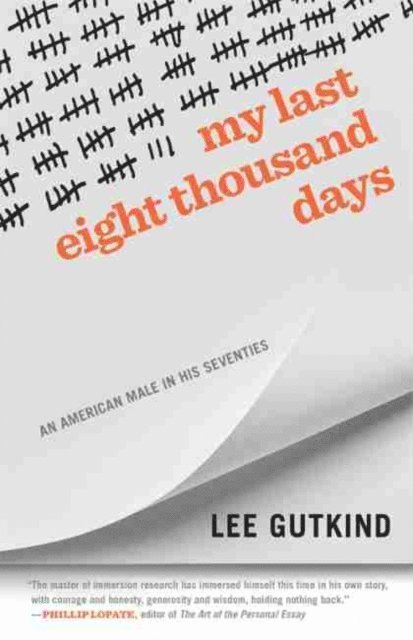
As founding editor of Creative Nonfiction and architect of the genre, Lee Gutkind played a crucial role in establishing literary, narrative nonfiction in the marketplace and in the academy. A longstanding advocate of New Journalism, he has reported on a wide range of issues—robots and artificial intelligence, mental illness, organ transplants, veterinarians and animals, baseball, motorcycle enthusiasts—and explored them all with his unique voice and approach.In My Last Eight Thousand Days, Gutkind turns his notepad and tape recorder inward, using his skills as an immersion journalist to perform a deep dive on himself. Here, he offers a memoir of his life as a journalist, editor, husband, father, and Pittsburgh native, not only recounting his many triumphs, but also exposing his missteps and challenges. The overarching concern that frames these brave, often confessional stories, is his obsession and fascination with aging: how aging provoked anxieties and unearthed long-rooted tensions, and how he came to accept, even enjoy, his mental and physical decline. Gutkind documents the realities of aging with the characteristically blunt, melancholic wit and authenticity that drive the quiet force of all his work.
425 kr
Läs direkt efter köp
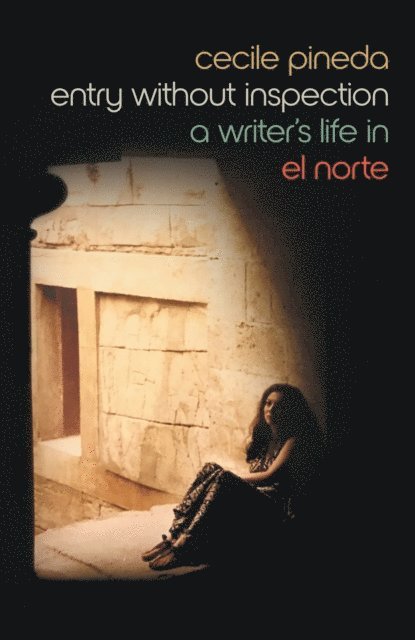
Cecile Pineda—award-winning Chicana novelist, memoirist, theater director, performer, activist—felt rootless throughout much of her life. Her father was an undocumented Mexican immigrant, and her mother was a French-speaking immigrant from Switzerland. Pineda, born in New York City, felt culturally disconnected from both of her parents, while also ill at ease in U.S. culture. In her life, we see the strange intersection of immigrant politics, troubles with ethnic identity, and the instability of family ties. In Entry Without Inspection, Pineda brings it all together, reconciling her past (much of which she had to piece together from vague memories and parental clues) while tracing how she formed her own identity through prose and theater in the absence of known roots. But as Pineda discovers, her life story doesn’t belong solely to her but is interwoven with those of her families, whether biological or chosen, and of the world around her. Because of this, Pineda’s memoir features parallel stories, that of her life running alongside and being informed by those of other immigrants. Pineda traces her story while also documenting the work of the first whistleblower to reveal an immigrant death in detention, in 2009, with the storylines converging to reveal the lasting consequences of U.S. immigration policy. She explores the ripple effects of these policies over generations, revealing the shocking truths of marginalization and deportation. Pineda exposes both the cultural losses and the traumatic aftereffects of misguided U.S. immigration policy. Entry Without Inspection is a truly American story in all its historical and emotional complexity, one in which personal ethics and political commentary are necessarily and inextricably interwoven.