Culture & Civilization of China – serie
Visar alla böcker i serien Culture & Civilization of China. Handla med fri frakt och snabb leverans.
5 produkter
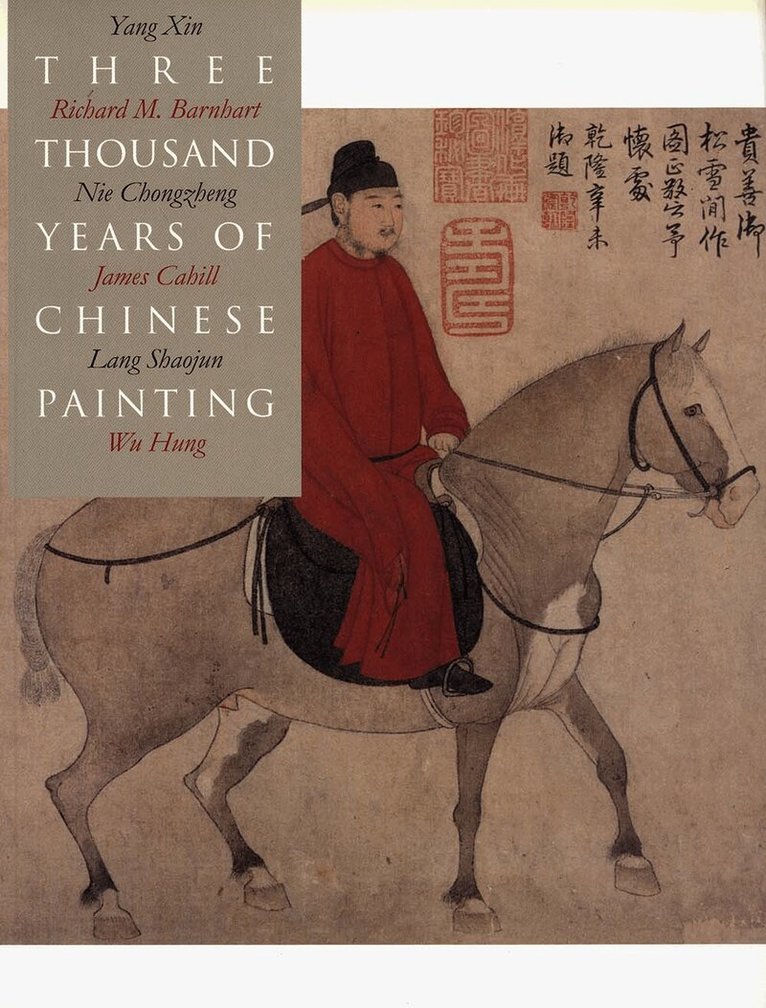
Three Thousand Years of Chinese Painting
Av Richard Barnhart, Yang Xin m. fl.
Häftad, 2002
4,0 utav 5 stjärnor. Totalt antal röster: (1)
502 kr
Lägg i varukorg
From Neolithic painted petroglyphs, early paintings on silk, and landscapes by twelfth-century literati to the traditional handscrolls being produced today, Chinese painting has always had the power to enthrall. This magnificent book, written by a team of eminent international scholars, is the …
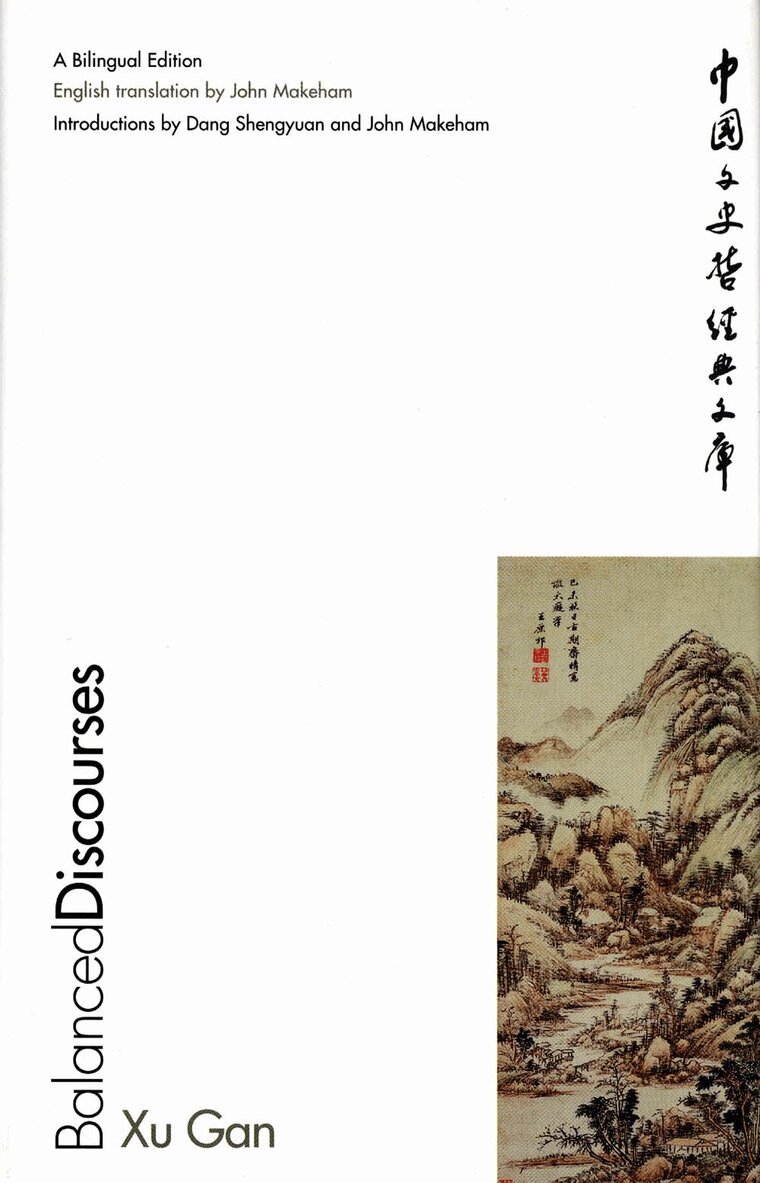
Balanced Discourses
A Bilingual Edition
Av Gan Xu
Inbunden, 2003
1005 kr
Lägg i varukorg
Written by the Han philosopher Xu Gan (A.D. 170–217), Balanced Discourses is an inquiry into the causes of political breakdown. It provides a unique contemporary account of the social, intellectual, and cosmological factors that Xu Gan identified as having precipitated the demise of the Han order. …
Key Concepts in Chinese Philosophy
Av Dainian Zhang, Edmund Ryden
Häftad, 2013
821 kr
Lägg i varukorg
This book is both a good introduction to Chinese philosophy and an invaluable reference tool for sinologists. Comments by important Chinese thinkers are arranged around sixty-four key concepts to illustrate their meaning and use through twenty-five centuries of Chinese philosophy. This unique guide …
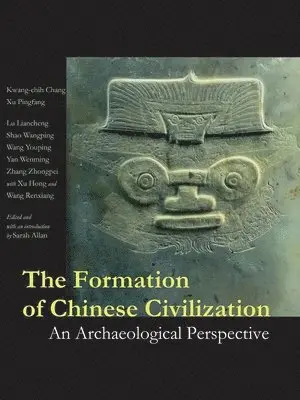
Formation of Chinese Civilization
An Archaeological Perspective
Av Kwang-chih Chang, Pingfang Xu m. fl.
Inbunden, 2005
799 kr
Tillfälligt slut
Paleolithic sites from one million years ago, Neolithic sites with extraordinary jade and ceramic artifacts, excavated tombs and palaces of the Shang and Zhou dynasties—all these are part of the archaeological riches of China. This magnificent book surveys China’s archaeological remains and in the …
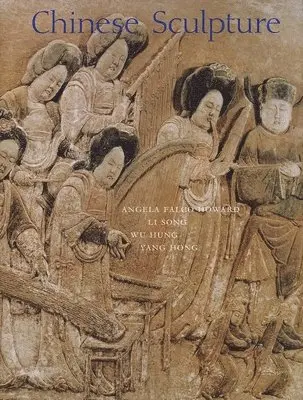
Chinese Sculpture
Av Angela Falco Howard, Song Li m. fl.
Inbunden, 2006
1011 kr
Tillfälligt slut
The most up-to-date and detailed exploration of China's magnificent sculptural heritageSculpture is becoming known as one of China’s great arts. Neolithic figurines, rows upon rows of underground terra-cotta statues, exquisite bronzes, Buddhas carved in cave walls—all these are part of a vast …