Culture of Specialized Cells – Serie
Visar alla böcker i serien Culture of Specialized Cells. Handla med fri frakt och snabb leverans.
5 produkter
5 produkter
2 215 kr
Skickas inom 7-10 vardagar
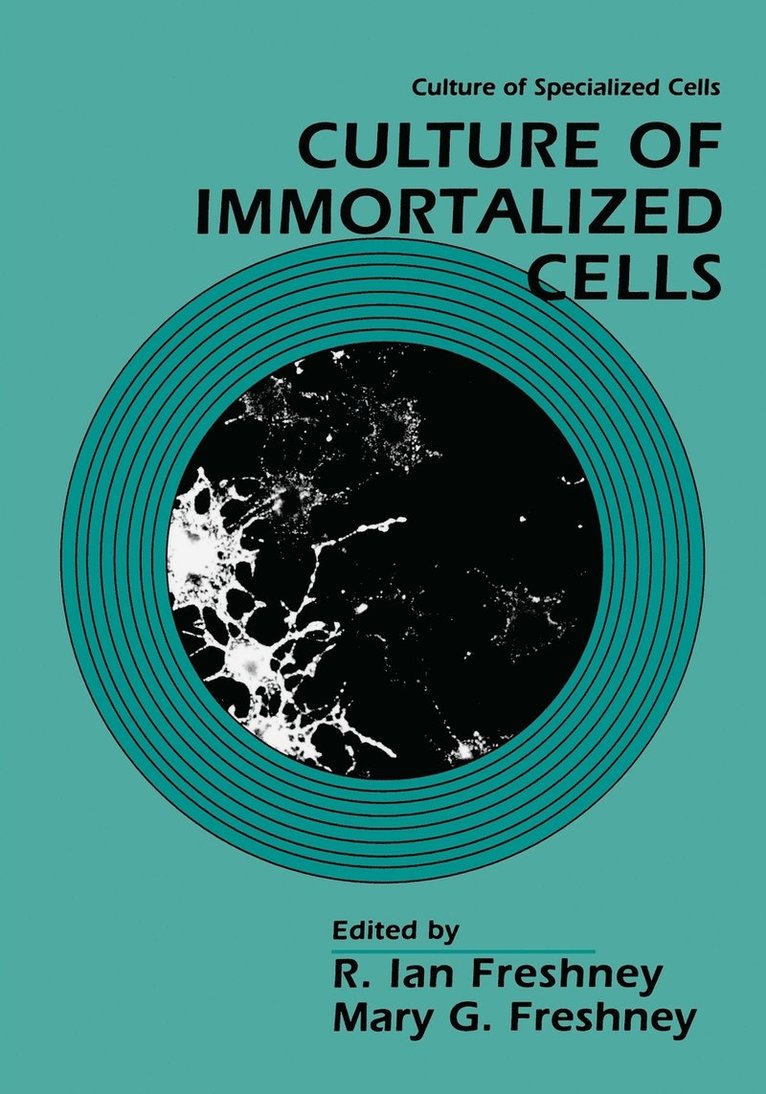
Culture of Specialized Cells Culture of Immortalized Cells Edited by R. Ian Freshney and Mary G. Freshney The ability to develop immortalized cells in vitro is a powerfultool for the biological investigator. Most cells can only bereproduced unchanged for a limited number of cell generationsbefore the initial cell lines die. The immortalization of cellsestablishes continuous cell lines, playing an important role in thestudy of the biology of cell growth, differentiation, andsenescence. It also increases our understanding of aberrations inproliferative and positional control in malignant cells. Culture of Immortalized Cells provides the most up-to-date in vitromethods and safety procedures for the immortalization of primarycultures of various cell types. Coedited by one of the leadingfigures in the field, R. Ian Freshney, author of Culture of AnimalCells, Third Edition, Culture of Immortalized Cells is the latestvolume in the critically acclaimed Culture of Specialized CellsSeries. Preceding volumes in the series include Culture ofEpithelial Cells and Culture of Hematopoietic Cells. In this comprehensive handbook, leading experts offer the mostcurrent methods for the immortalization of cells, as well asspecific guidelines for the immortalization of kidney, and thyroidepithelia, hepatocytes, fibroblasts, chondrocytes, lymphocytes,astrocytes, and human umbilical vein endothelium. Each method isaccompanied by:* Step-by-step protocols* Detailed instructions for reagent preparation* Current information on the latest specialized equipment andsupplies This concise bench-top manual is essential for any laboratoryinvolved in establishing continuous cell lines from primarycultures. Investigators, laboratory technical staff, and studentsin cell biology, immunology, hematology, cancer biology,toxicology, and molecular biology, will find this contemporaryguide indispensable to their research.
2 215 kr
Skickas inom 7-10 vardagar
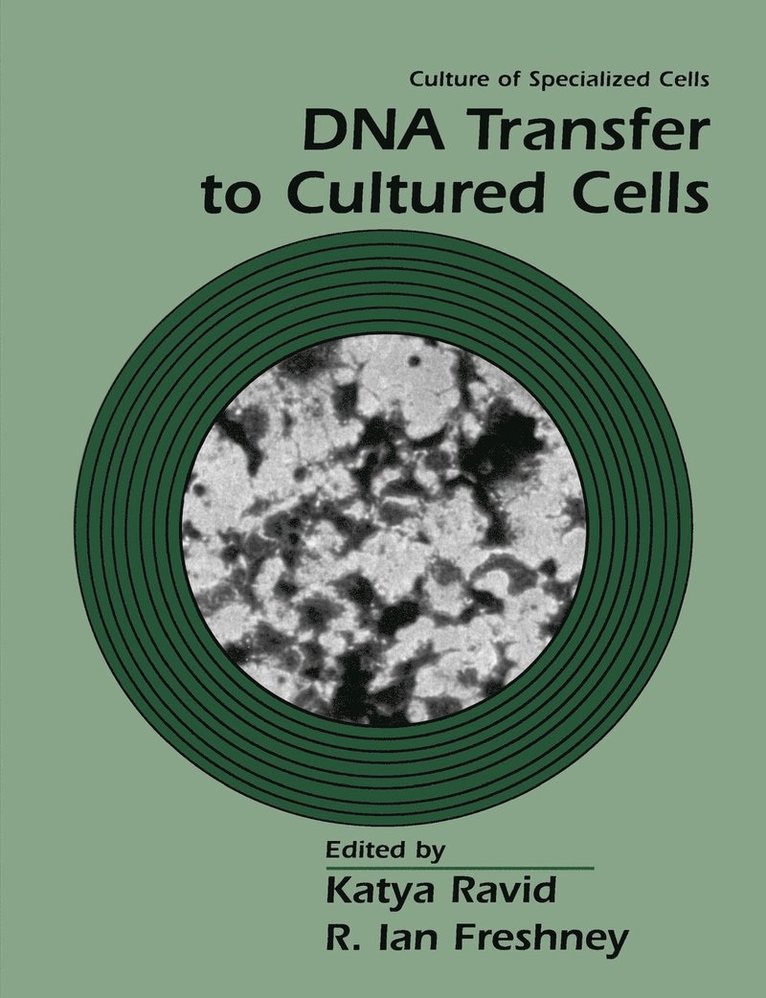
DNA transfer to cultured cells Edited by Katya Ravid and R. Ian Freshney Rapid advances in DNA transfer technology have transformed many disciplines, ranging from molecular genetics to biotechnology. Scientists now have the means to introduce copies of genes into different cell types, then detect the expression of these genes in the cell. It is now possible to regulate cell growth that may lead to cancer, develop new biopharmaceuticals, and apply knowledge about the role of genes in cell processes to basic research in molecular genetics. DNA Transfer to Cultured Cells is the first quick reference to all of the established techniques for the transfer of genetic material to cells in vitro. Featuring contributions by leading researchers in the field, this detailed guide walks the reader through a variety of DNA transfer methods, describes their application to specific cell types, and integrates aspects of molecular biology with tissue culture. Offering overviews and detailed protocols for the techniques under discussion in each of its sections, this book covers an exceptionally broad array of topics, including:* Viral infection* Electroporation* Phosphate precipitation* DEAE Dextran* Liposomes* Yeast artificial chromosomes (YACs)* Whole chromosome transfer* Enhanced expression. Special sections at the end of each chapter list suppliers for necessary reagents and materials. This easy-to-use, self-contained guide addresses key developments of recent years as well as emerging trends in DNA transfer. For practical applications in cell biology, genetics, heredity, biotechnology, or evolution, DNA Transfer to Cultured Cells is a unique and unparalleled resource.
2 215 kr
Skickas inom 7-10 vardagar
This comprehensive resource provides stepwise protocols for the in vitro cultivation of the major types of human tumors. Written in a reader-friendly style, this book is organized by specific tumor, discussing cultures for lung, gastric, colorectal, pancreas, bladder, prostate, ovary, cervix, mammary carcinoma, myoepithelium, squamous, melanoma, lymphoma, glioma, and neuroendocrine tumors. Detailed techniques for initiation, propagation, and characterization of established cell lines are presented. Drug treatment, selection, differentiation, assays for malignant cells, risks, and applications are discussed. An extensive listing of vendors for equipment and other cell culture products is also included.
2 425 kr
Skickas inom 7-10 vardagar
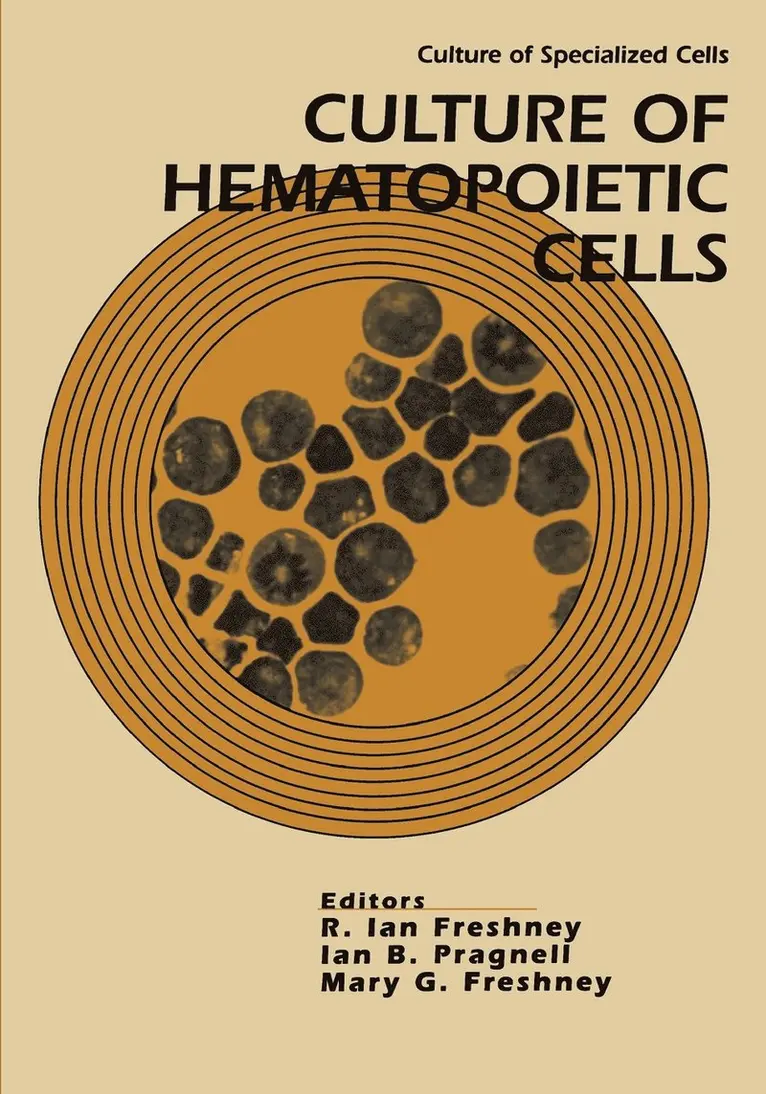
Provides scientists with step-by-step methods for easy use in the lab when cultivating and experimenting with blood cells. Covering a range of human and mouse cell types, this laboratory manual includes contributions from more than twenty leading investigators who offer their practical expertise on a wide range of topics. Features detailed instructions for reagent preparation and information on the latest specialized equipment and supplies.
2 068 kr
Skickas inom 3-6 vardagar
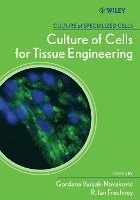
Step-by-step, practical guidance for the acquisition, manipulation, and use of cell sources for tissue engineering Tissue engineering is a multidisciplinary field incorporating the principles of biology, chemistry, engineering, and medicine to create biological substitutes of native tissues for scientific research or clinical use. Specific applications of this technology include studies of tissue development and function, investigating drug response, and tissue repair and replacement. This area is rapidly becoming one of the most promising treatment options for patients suffering from tissue failure.Written by leading experts in the field, Culture of Cells for Tissue Engineering offers step-by-step, practical guidance for the acquisition, manipulation, and use of cell sources for tissue engineering. It offers a unique focus on tissue engineering methods for cell sourcing and utilization, combining theoretical overviews and detailed procedures.Features of the text include: Easy-to-use format with a two-part organizationLogically organized—part one discusses cell sourcing, preparation, and characterization and the second part examines specific engineered tissuesEach chapter covers: structural and functional properties of tissues, methodological principles, culture, cell selection/expansion, cell modifications, cell seeding, tissue culture, analytical assays, and a detailed description of representative studiesEnd-of-chapter features include useful listings of sources for reagents, materials, and supplies, with the contact details of the suppliers listed at the end of the bookA section of elegant color plates to back up the figures in the chaptersCulture of Cells for Tissue Engineering gives novice and seasoned researchers in tissue engineering an invaluable resource. In addition, the text is suitable for professionals in related research, particularly in those areas where cell and tissue culture is a new or emerging tool.