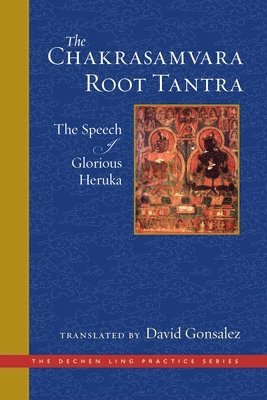
A translation of a foundational scripture in beautiful, lyrical translation, perfect for recitation.A key text for one of the most important Buddhist tantric traditions, the Chakrasamvara Root Tantra has been passed down to us from the ancient mahasiddhas of India, such as the great yogi Saraha. This foundational ritual text is one of the earliest of the yogini tantras, tantric scriptures that emphasize female deities. This melodic translation by David Gonsalez (Ven. Losang Tsering) maintains the poetic structure of the original, making it ideal for practitioners and harmonious to recite. It is at once an object of devotion, a profound instruction, and a beautiful poem meant to inspire spiritual seekers.
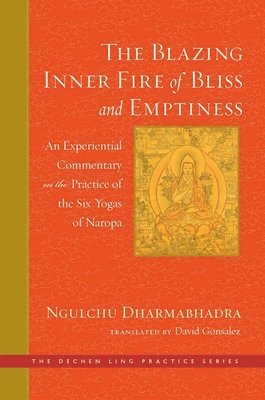
A set of commentaries that present some of the most rarefied and secret teachings within Tibetan Buddhism from the perspective of the Dalai Lama’s Gelug school.The Blazing Inner Fire of Bliss and Emptiness presents lucid translations of a pair of detailed commentaries by the famed Tibetan tantric master Ngulchu Dharmabhadra (1772–1851), illuminating a set of extremely secret and restricted tantric practices of highest yoga tantra. The first of these commentaries details the practices of the Six Yogas of Naropa, one of the most celebrated and revered systems of completion-stage practice in Tibet. Dharmabhadra presents the Six Yogas by elaborating upon Lama Tsongkhapa’s (1357–1419) masterpiece on the subject entitled Endowed with the Three Inspirations, which served as the basis for nearly all subsequent commentaries on the Six Yogas within the Gelug tradition. Ngulchu Dharmabhadra’s commentary is unique in that it presents the Six Yogas within the context of Vajrayogini practice, making this book a perfect companion piece to The Extremely Secret Dakini of Naropa (Wisdom Publications, 2020). Also contained in this book is Ngulchu Dharmabhadra’s lucid and concise commentary on the First Panchen Lama’s (1570–1662) famous Supplication for Liberation from [Fear of] the Perilous Journey of the Intermediate State. The prayer—a beautiful literary contribution from the First Panchen Lama in its own right—invokes the immediacy of death and the potential to use the process of dying as an opportunity for liberation. The prayer extols the efficacy of the “nine mixings” of the completion stage as direct means of transforming our ordinary death process by using advanced yogas presented in the first commentary on the Six Yogas. Together, these works present the reader with a vast and profound vision of spiritual transformation—one in which every aspect of human experience can be used as an opportunity for transcendence and spiritual liberation.
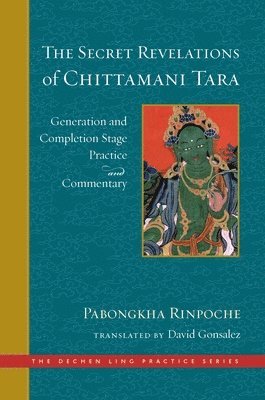
Chittamani Tara is the Highest Yoga Tantra aspect of Green Tara, one of the most popular yidams in Tibetan Buddhism.In this book beloved teacher Pabongkha Rinpoche shares the teachings that his teacher, Gargyi Wangpo Takphu Dorje Chang, received directly from Chittamani Tara herself. The Secret Revelations of Chittamani Tara contains many profound oral instructions that are not easily found elsewhere, including one of the most powerful and practical discourses on the completion stage to be found anywhere in English translation. Rinpoche has supplemented his commentary with teachings from the Gaden Hearing Lineage as well as the general tantric teachings of the Gelug tradition. Also included are the Chittamani Tara self-generation sadhana, the ganachakra offering for Chittamani Tara, and three beautiful and moving praises and prayers to Tara composed by masters in the tradition. Lovingly translated by the scholar-monk David Gonsalez, The Secret Revelations of Chittamani Tara is a guiding force leading all living beings to the state of Arya Tara. The material in this book is restricted. This book may be read only by those who have received an empowerment into any of the four classes of tantra. In order to practice this material, you must have received both the common and uncommon Chittamani Tara empowerments.
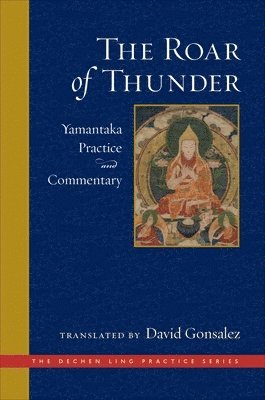
An essential collection of tantric texts on a meditation practice essential to one of the largest traditions of Buddhism in Tibet. Yamantaka is the wrathful expression of the wisdom buddha Manjushri and was Tsongkhapa’s foremost personal deity, from whom he received direct visions that were a constant source of empowerment, inspiration, instruction, and even personal advice. The oral instructions on the practice of Yamantaka fall into two main streams. The quintessential instruction of both of these lineages, including both their generation- and completion-stage teachings, are contained in the two commentaries presented in this volume. First, we have commentary from the great scholar, siddha, and lineage holder of the Gelug Mahamudra lineage, Ngulchu Dharmabhadra, on the Thirteen Deity practice. These texts contain a wellspring of oral instructions that provide rich and highly accessible details concerning the practice of Yamantaka that are equally applicable to the Solitary Hero practice, the practice of the second stream. The second commentary, composed by the Fifth Ling Rinpoche, Losang Lungtog Tenzin Trinley, is concerned with the Solitary Hero practice and contains many extraordinary instructions that have not been written down in other texts but have been preserved through the oral lineage. This text is part of a highly secretive volume containing many texts on Solitary Hero Yamantaka entitled the Eighteen Steps of Solitary Hero. The combination of these two texts gives the reader an unprecedented panoramic perspective on the entire spectrum of Yamantaka practice. Also included in this amazing volume is the extensive sadhana of the Solitary Hero composed by Pabongkha Rinpoche that can be used as a reference to facilitate a more thorough understanding of the commentaries.
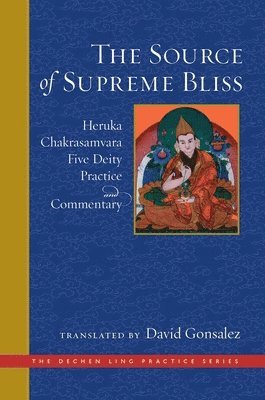
Beautiful, clear translations of every text necessary for one of the most important Buddhist tantric practices. This book is strictly intended for those who have completed the empowerment into the five deity mandala of Heruka Chakrasamvara of Mahasiddha Ghantapa, according to the lineage of Lama Tsongkhapa.The Source of Supreme Bliss contains the first English translations of important commentaries on the Highest Yoga Tantra system of the Heruka Chakrasamvara five deity practice. Included is a lucid, practical, and deeply profound explanation of the generation stage by Ngulchu Dharmabhadra. This is followed by an extremely rare and profound commentary by the First Panchen Lama Losang Chökyi Gyaltsen on the completion stage, along with a commentary on how to perform a proper Chakrasamvara retreat. The second half of the book comprises translations of the ritual texts associated with the commentaries. Indispensable for anyone who undertakes this practice, The Source of Supreme Bliss will also provide rich and profound insights for those interested in Highest Yoga Tantra. The Dechen Ling Practice Series from Wisdom Publications is committed to furthering the vision of David Gonsalez (Venerable Losang Tsering) and the Dechen Ling Press of bringing the sacred literature of Tibet to the West by making available many never-before-translated texts.
A translation of a foundational scripture in beautiful, lyrical translation, perfect for recitation.A key text for one of the most important Buddhist tantric traditions, the Chakrasamvara Root Tantra has been passed down to us from the ancient mahasiddhas of India, such as the great yogi Saraha. This foundational ritual text is one of the earliest of the yogini tantras, tantric scriptures that emphasize female deities. This melodic translation by David Gonsalez (Ven. Losang Tsering) maintains the poetic structure of the original, making it ideal for practitioners and harmonious to recite. It is at once an object of devotion, a profound instruction, and a beautiful poem meant to inspire spiritual seekers.
A set of commentaries that present some of the most rarefied and secret teachings within Tibetan Buddhism from the perspective of the Dalai Lama’s Gelug school.The Blazing Inner Fire of Bliss and Emptiness presents lucid translations of a pair of detailed commentaries by the famed Tibetan tantric master Ngulchu Dharmabhadra (1772–1851), illuminating a set of extremely secret and restricted tantric practices of highest yoga tantra. The first of these commentaries details the practices of the Six Yogas of Naropa, one of the most celebrated and revered systems of completion-stage practice in Tibet. Dharmabhadra presents the Six Yogas by elaborating upon Lama Tsongkhapa’s (1357–1419) masterpiece on the subject entitled Endowed with the Three Inspirations, which served as the basis for nearly all subsequent commentaries on the Six Yogas within the Gelug tradition. Ngulchu Dharmabhadra’s commentary is unique in that it presents the Six Yogas within the context of Vajrayogini practice, making this book a perfect companion piece to The Extremely Secret Dakini of Naropa (Wisdom Publications, 2020). Also contained in this book is Ngulchu Dharmabhadra’s lucid and concise commentary on the First Panchen Lama’s (1570–1662) famous Supplication for Liberation from [Fear of] the Perilous Journey of the Intermediate State. The prayer—a beautiful literary contribution from the First Panchen Lama in its own right—invokes the immediacy of death and the potential to use the process of dying as an opportunity for liberation. The prayer extols the efficacy of the “nine mixings” of the completion stage as direct means of transforming our ordinary death process by using advanced yogas presented in the first commentary on the Six Yogas. Together, these works present the reader with a vast and profound vision of spiritual transformation—one in which every aspect of human experience can be used as an opportunity for transcendence and spiritual liberation.
Chittamani Tara is the Highest Yoga Tantra aspect of Green Tara, one of the most popular yidams in Tibetan Buddhism.In this book beloved teacher Pabongkha Rinpoche shares the teachings that his teacher, Gargyi Wangpo Takphu Dorje Chang, received directly from Chittamani Tara herself. The Secret Revelations of Chittamani Tara contains many profound oral instructions that are not easily found elsewhere, including one of the most powerful and practical discourses on the completion stage to be found anywhere in English translation. Rinpoche has supplemented his commentary with teachings from the Gaden Hearing Lineage as well as the general tantric teachings of the Gelug tradition. Also included are the Chittamani Tara self-generation sadhana, the ganachakra offering for Chittamani Tara, and three beautiful and moving praises and prayers to Tara composed by masters in the tradition. Lovingly translated by the scholar-monk David Gonsalez, The Secret Revelations of Chittamani Tara is a guiding force leading all living beings to the state of Arya Tara. The material in this book is restricted. This book may be read only by those who have received an empowerment into any of the four classes of tantra. In order to practice this material, you must have received both the common and uncommon Chittamani Tara empowerments.
An essential collection of tantric texts on a meditation practice essential to one of the largest traditions of Buddhism in Tibet. Yamantaka is the wrathful expression of the wisdom buddha Manjushri and was Tsongkhapa’s foremost personal deity, from whom he received direct visions that were a constant source of empowerment, inspiration, instruction, and even personal advice. The oral instructions on the practice of Yamantaka fall into two main streams. The quintessential instruction of both of these lineages, including both their generation- and completion-stage teachings, are contained in the two commentaries presented in this volume. First, we have commentary from the great scholar, siddha, and lineage holder of the Gelug Mahamudra lineage, Ngulchu Dharmabhadra, on the Thirteen Deity practice. These texts contain a wellspring of oral instructions that provide rich and highly accessible details concerning the practice of Yamantaka that are equally applicable to the Solitary Hero practice, the practice of the second stream. The second commentary, composed by the Fifth Ling Rinpoche, Losang Lungtog Tenzin Trinley, is concerned with the Solitary Hero practice and contains many extraordinary instructions that have not been written down in other texts but have been preserved through the oral lineage. This text is part of a highly secretive volume containing many texts on Solitary Hero Yamantaka entitled the Eighteen Steps of Solitary Hero. The combination of these two texts gives the reader an unprecedented panoramic perspective on the entire spectrum of Yamantaka practice. Also included in this amazing volume is the extensive sadhana of the Solitary Hero composed by Pabongkha Rinpoche that can be used as a reference to facilitate a more thorough understanding of the commentaries.
Beautiful, clear translations of every text necessary for one of the most important Buddhist tantric practices. This book is strictly intended for those who have completed the empowerment into the five deity mandala of Heruka Chakrasamvara of Mahasiddha Ghantapa, according to the lineage of Lama Tsongkhapa.The Source of Supreme Bliss contains the first English translations of important commentaries on the Highest Yoga Tantra system of the Heruka Chakrasamvara five deity practice. Included is a lucid, practical, and deeply profound explanation of the generation stage by Ngulchu Dharmabhadra. This is followed by an extremely rare and profound commentary by the First Panchen Lama Losang Chökyi Gyaltsen on the completion stage, along with a commentary on how to perform a proper Chakrasamvara retreat. The second half of the book comprises translations of the ritual texts associated with the commentaries. Indispensable for anyone who undertakes this practice, The Source of Supreme Bliss will also provide rich and profound insights for those interested in Highest Yoga Tantra. The Dechen Ling Practice Series from Wisdom Publications is committed to furthering the vision of David Gonsalez (Venerable Losang Tsering) and the Dechen Ling Press of bringing the sacred literature of Tibet to the West by making available many never-before-translated texts.