Developments in Managing and Exploiting Risk - Böcker
Visar alla böcker i serien Developments in Managing and Exploiting Risk. Handla med fri frakt och snabb leverans.
5 produkter
5 produkter
1 475 kr
Skickas inom 5-8 vardagar
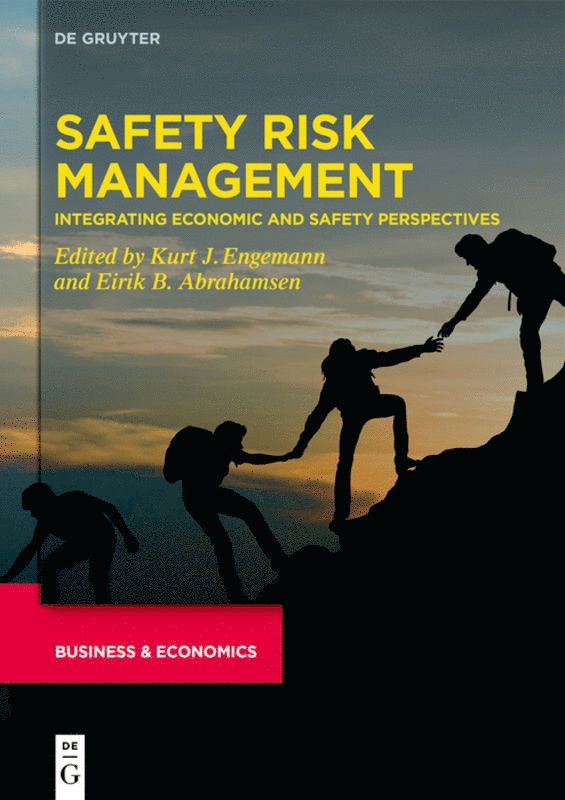
Within the area of safety, different perspectives exist on how to provide an adequate basis for managing risk. Safety experts emphasize the cautionary principle, stating that in the face of uncertainty, caution should be the dominant standard. On the other hand, relying on economic assessment often leads to decisions made using expected values to optimize return on investment. Safety Risk Management: Integrating Economic and Safety Perspectives aims to illuminate this dichotomy while debating important questions. For example, is ‘safety always first?’ Additionally, in many risk environments only partial knowledge is available and limited emphasis may be mistakenly given to uncertainty. Risk management deals with balancing the dilemma inherent in exploring opportunities on the one hand, and avoiding losses, accidents, and disasters, on the other. Safety Risk Management: Integrating Economic and Safety Perspectives comprises a collection of work in this field with special focus given to situations with the potential for substantial reward but also with the possibility of immense losses and extreme consequences. This book aims to contribute to clarifying the problem by proposing an appropriate basis for managing risk to meet related practical challenges. The book consists of two parts: chapters covering fundamental concepts and approaches; and, chapters illustrating applications of these fundamental principles.
1 451 kr
Skickas inom 5-8 vardagar
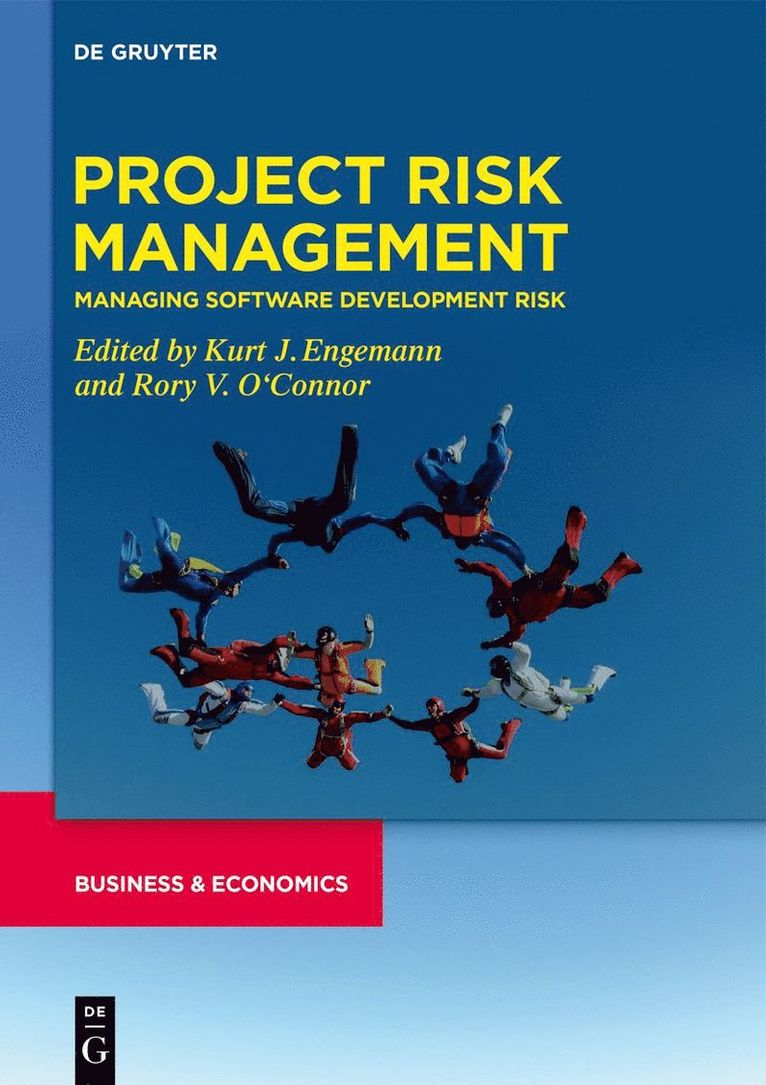
Managing risk is essential for every organization. However, significant opportunities may be lost by concentrating on the negative aspects of risk without bearing in mind the positive attributes. The objective of Project Risk Management: Managing Software Development Risk is to provide a distinct approach to a broad range of risks and rewards associated with the design, development, implementation and deployment of software systems. The traditional perspective of software development risk is to view risk as a negative characteristic associated with the impact of potential threats. The perspective of this book is to explore a more discerning view of software development risks, including the positive aspects of risk associated with potential beneficial opportunities. A balanced approach requires that software project managers approach negative risks with a view to reduce the likelihood and impact on a software project, and approach positive risks with a view to increase the likelihood of exploiting opportunities. Project Risk Management: Managing Software Development Risk explores software development risk both from a technological and business perspective. Issues regarding strategies for software development are discussed and topics including risks related to technical performance, outsourcing, cybersecurity, scheduling, quality, costs, opportunities and competition are presented. Bringing together concepts across the broad spectrum of software engineering with a project management perspective, this volume represents both a professional and scholarly perspective on the topic.
1 451 kr
Skickas inom 5-8 vardagar
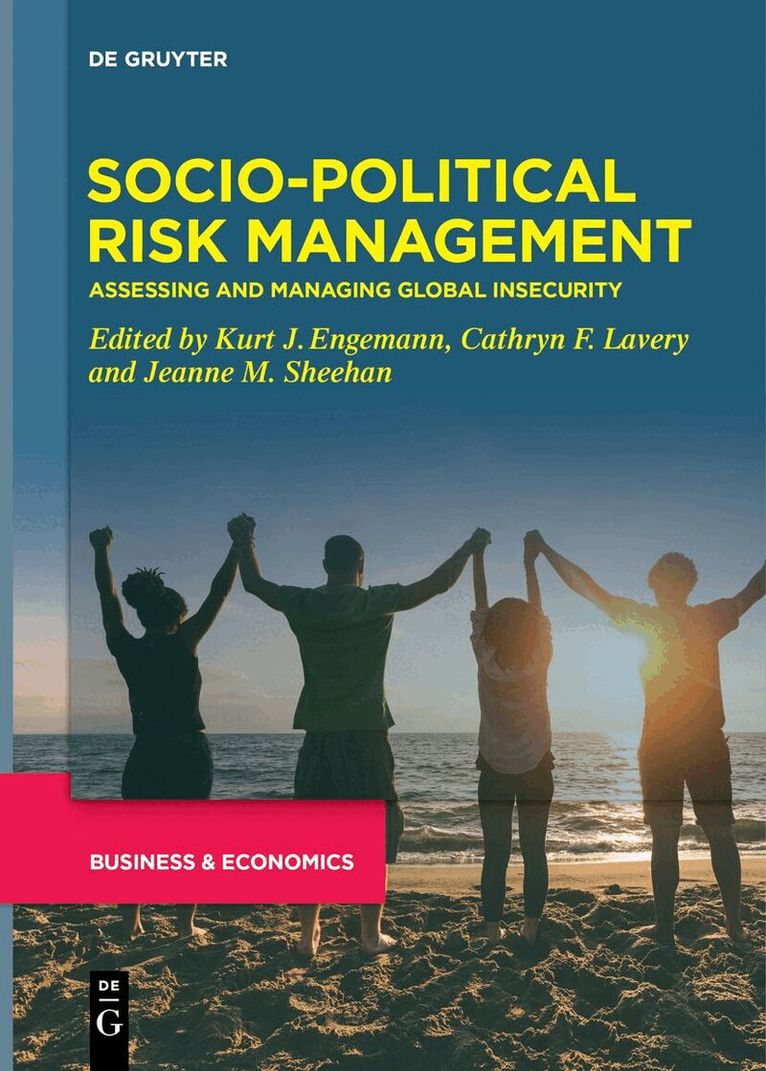
Managing risk necessitates an understanding of both how to avoid detrimental outcomes and to reap beneficial results. Organizations are regularly confronted with complex decisions involving risk and the impending consequences of the negative impact of its manifestation. However, the positive aspects of embracing risk should also be sufficiently evaluated to obtain a full assessment of opportunities. Socio-Political Risk Management: Assessing and Managing Global Insecurity covers a range of viewpoints and issues which can be applied to various organizational agency structures. These perspectives examine how social and political risk can impact an agency, and what recommendations are made to adapt, mitigate, and strengthen the organization against political risk. Accessibility to personnel and agencies via social media, the internet and public exposure compounded with political and social societal shifts have led many agencies in a constant spin to assuage and sustain viability and relevance publicly. Socio-Political Risk Management: Assessing and Managing Global Insecurity serves the readers by raising awareness and the necessity to control social and political risks in their organizations. This volume explores pathways for those in differing organizational structures to find common threads pertaining to social and political risks. An important goal of the work is also to develop a framework for managing and exploiting risk that can be applied at the organizational level.
1 656 kr
Skickas inom 3-6 vardagar
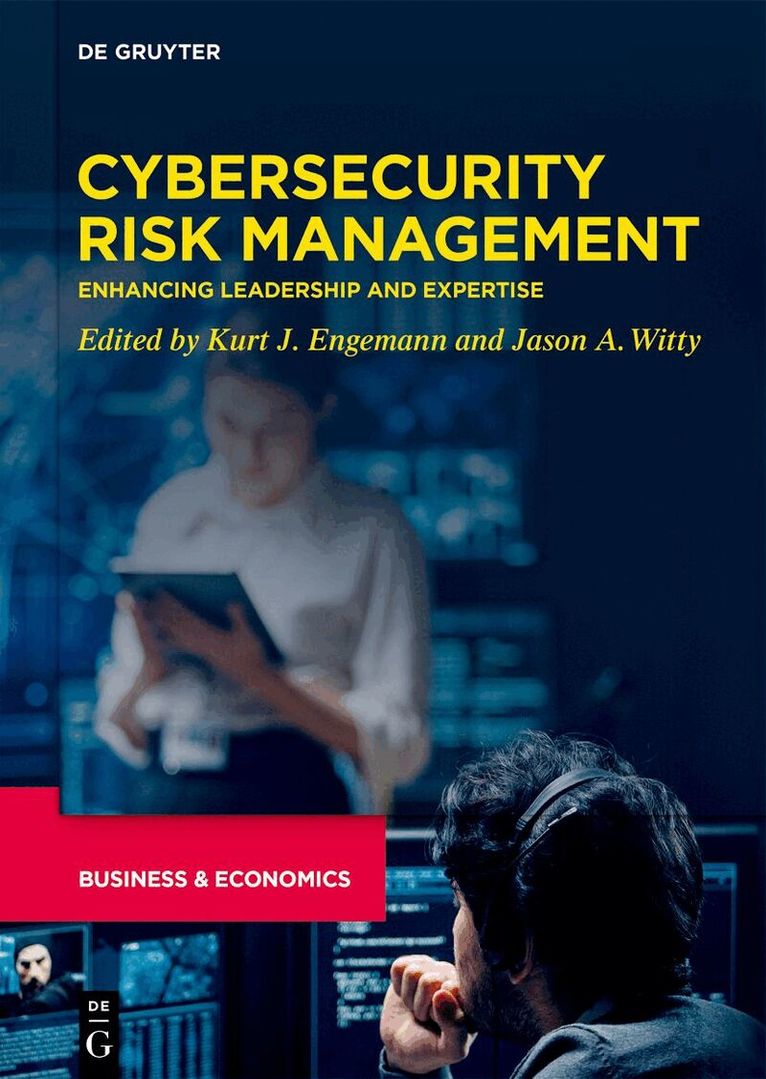
Cybersecurity refers to the set of technologies, practices, and strategies designed to protect computer systems, networks, devices, and data from unauthorized access, theft, damage, disruption, or misuse. It involves identifying and assessing potential threats and vulnerabilities, and implementing controls and countermeasures to prevent or mitigate them. Some major risks of a successful cyberattack include: data breaches, ransomware attacks, disruption of services, damage to infrastructure, espionage and sabotage. Cybersecurity Risk Management: Enhancing Leadership and Expertise explores this highly dynamic field that is situated in a fascinating juxtaposition with an extremely advanced and capable set of cyber threat adversaries, rapidly evolving technologies, global digitalization, complex international rules and regulations, geo-politics, and even warfare. A successful cyber-attack can have significant consequences for individuals, organizations, and society as a whole. With comprehensive chapters in the first part of the book covering fundamental concepts and approaches, and those in the second illustrating applications of these fundamental principles, Cybersecurity Risk Management: Enhancing Leadership and Expertise makes an important contribution to the literature in the field by proposing an appropriate basis for managing cybersecurity risk to overcome practical challenges.
275 kr
Skickas inom 3-6 vardagar
Managing risk necessitates an understanding of both how to avoid detrimental outcomes and to reap beneficial results. Organizations are regularly confronted with complex decisions involving risk and the impending consequences of the negative impact of its manifestation. However, the positive aspects of embracing risk should also be sufficiently evaluated to obtain a full assessment of opportunities. Socio-Political Risk Management: Assessing and Managing Global Insecurity covers a range of viewpoints and issues which can be applied to various organizational agency structures. These perspectives examine how social and political risk can impact an agency, and what recommendations are made to adapt, mitigate, and strengthen the organization against political risk. Accessibility to personnel and agencies via social media, the internet and public exposure compounded with political and social societal shifts have led many agencies in a constant spin to assuage and sustain viability and relevance publicly. Socio-Political Risk Management: Assessing and Managing Global Insecurity serves the readers by raising awareness and the necessity to control social and political risks in their organizations. This volume explores pathways for those in differing organizational structures to find common threads pertaining to social and political risks. An important goal of the work is also to develop a framework for managing and exploiting risk that can be applied at the organizational level.