Disaster Research in Practice – serie
Visar alla böcker i serien Disaster Research in Practice. Handla med fri frakt och snabb leverans.
3 produkter
3 produkter
Inbunden, Engelska, 1982
2 289 kr
Skickas inom 10-15 vardagar
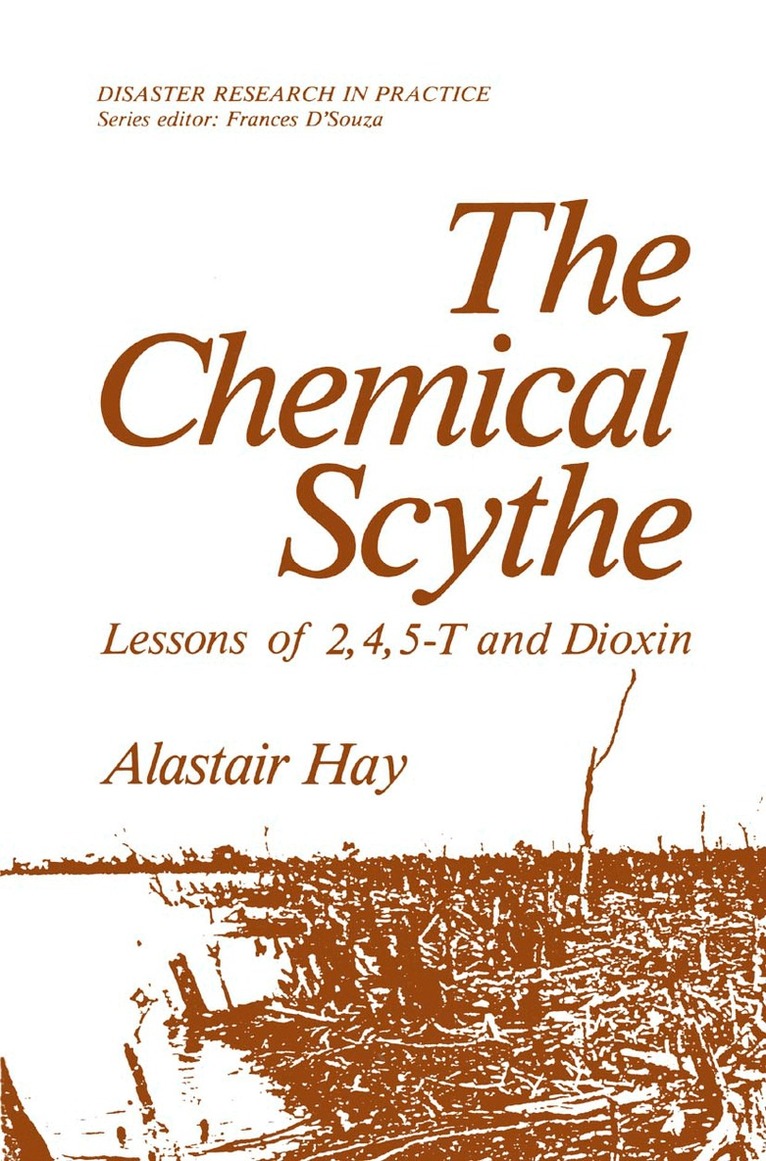
The Chemical Scythe is the first book in a projected series to be published by Plenum Press in association with the International Disaster Institute. The aim of the series, Disaster Research in Practice, is to provide scientific and readable accounts on the most urgent areas of disaster research. It is fitting, therefore, that Dr. Hay's investigation into the nature and effects of dioxins heralds the new series. The problem of chemical hazards is one that we will have to learn to live with in future decades. Dr. Hay's book is an authoritative account of the chemistry and proven and potential effects of dioxins, and of the impli cations for safety planning. He concludes with a cautious, yet optimistic note-that indeed we can learn to live with such hazards, providing that we are prepared to understand and plan for the unexpected. The accident at Seveso in 1976 alerted the world to an imperfectly un derstood but immensely alarming environmental hazard. Public debate and argument as to the implications of dioxins and, indeed, the use of herbicides as aggressive weapons in Vietnam, rage on. And yet it is only through the painstaking research exemplified in this book that it will eventually be pos sible to promote the vital accountability on the part of industrialists and governments.
Häftad, Engelska, 2011
1 082 kr
Skickas inom 10-15 vardagar
Federal disaster policy is an important but overlooked aspect of federal action that has provided a rich arena for pursuing our more general research interests concerning federal program implementation and management. May brought to the research task both a familiarity with the broad issues of federal disaster policy-having recently completed a book (May, 1985) about disaster relief policy and politics-and an understanding of the day-to-day workings of emergency management at the federal level. Williams provided the "imple mentation perspective" that undergirds the book, having previously devel oped and applied the perspective in two books (Williams, 1980a, b) about social programs. The study focuses upon the intergovernmental implementation of selected emergency management programs, primarily as played out at the federal and state levels. Our fieldwork and resultant description of disaster policy implementation allow us: (I) to analyze the implementation of selected aspects of disaster policy and to discuss federal management choices in this area; (2) to gain a greater understanding of federal program implementation under "shared governance"-a term we develop more fully in the book in referring to programs under which the federal and subnational governments share responsibility for program funding and management; and (3) to con sider the relevance of the lessons of earlier social program implementation research to a very different policy setting. Many individuals assisted us with this research. Our greatest debt is to those federal and state officials who took time from their busy schedules to offer their implementation perspectives about emergency management.
Häftad, Engelska, 2013
2 220 kr
Skickas inom 10-15 vardagar
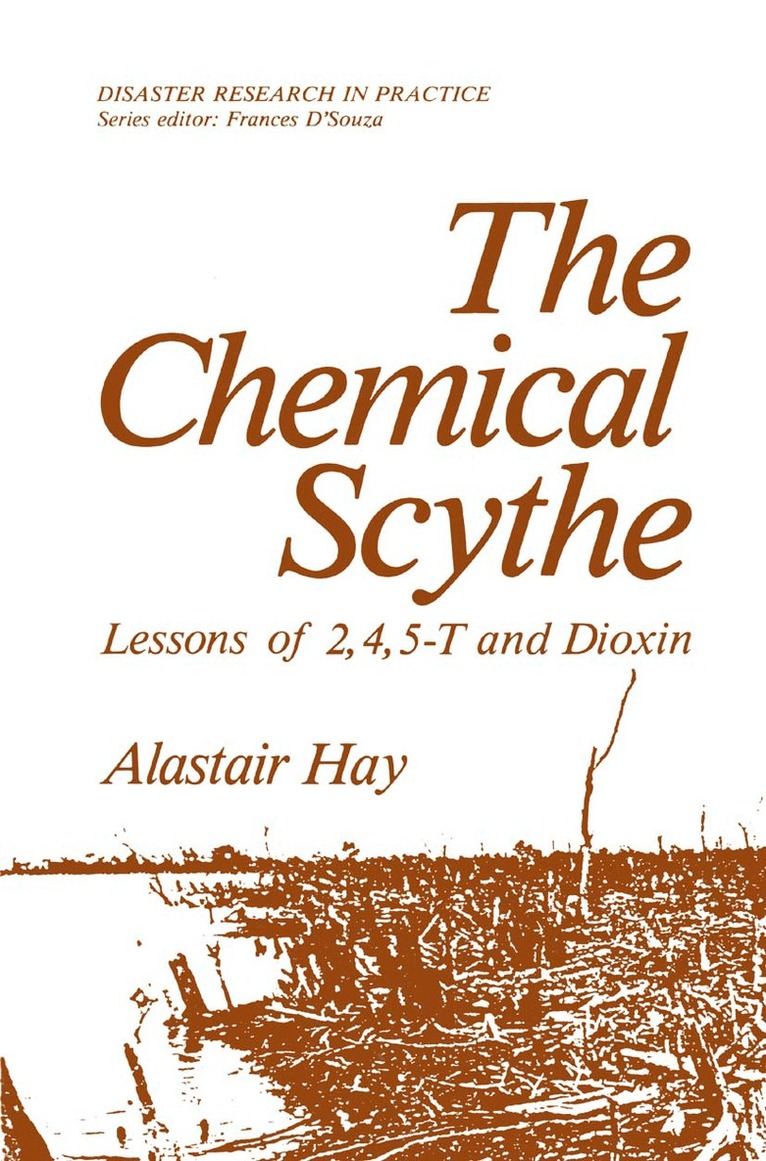
The Chemical Scythe is the first book in a projected series to be published by Plenum Press in association with the International Disaster Institute. The aim of the series, Disaster Research in Practice, is to provide scientific and readable accounts on the most urgent areas of disaster research. It is fitting, therefore, that Dr. Hay's investigation into the nature and effects of dioxins heralds the new series. The problem of chemical hazards is one that we will have to learn to live with in future decades. Dr. Hay's book is an authoritative account of the chemistry and proven and potential effects of dioxins, and of the impli cations for safety planning. He concludes with a cautious, yet optimistic note-that indeed we can learn to live with such hazards, providing that we are prepared to understand and plan for the unexpected. The accident at Seveso in 1976 alerted the world to an imperfectly un derstood but immensely alarming environmental hazard. Public debate and argument as to the implications of dioxins and, indeed, the use of herbicides as aggressive weapons in Vietnam, rage on. And yet it is only through the painstaking research exemplified in this book that it will eventually be pos sible to promote the vital accountability on the part of industrialists and governments.