Disaster Studies and Management – serie
Visar alla böcker i serien Disaster Studies and Management. Handla med fri frakt och snabb leverans.
9 produkter
9 produkter
Inbunden, Engelska, 2022
1 741 kr
Skickas inom 10-15 vardagar
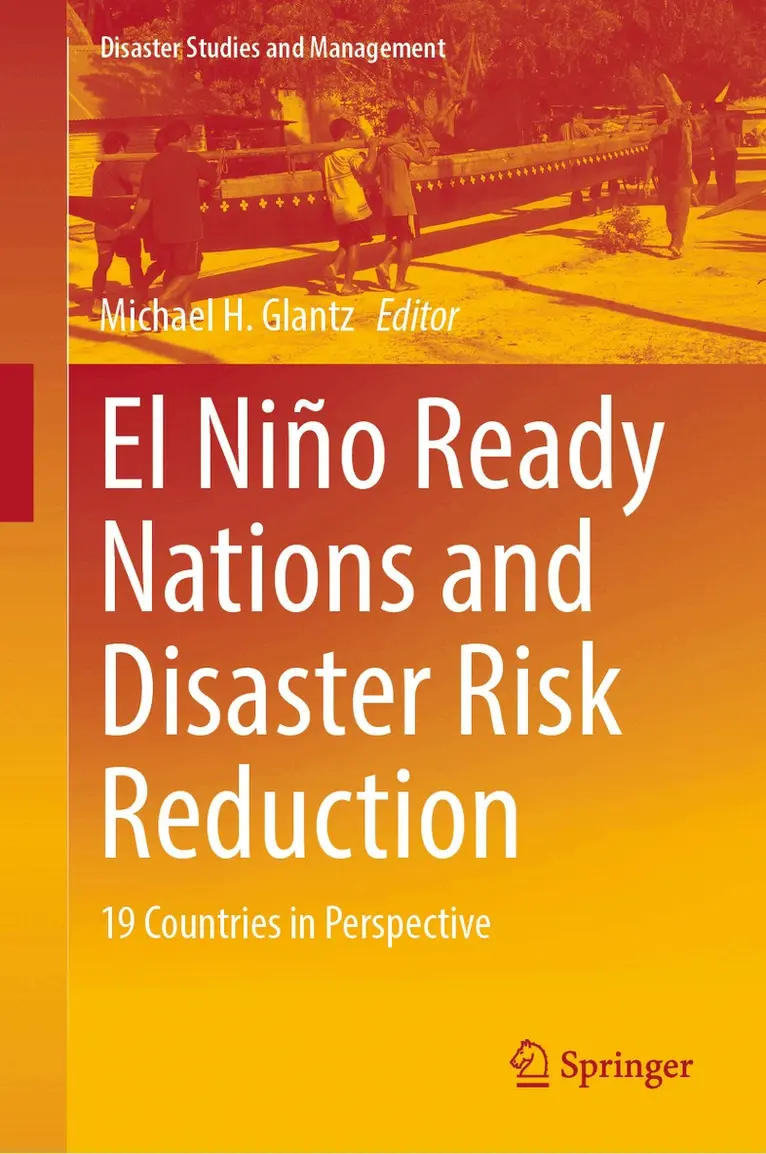
El Niño can have drastic effects on livelihoods in affected regions. As the climate changes, there will also be changes in El Nino behavior and therefor in its impacts around the globe on human activities such as agriculture, water resources and weather extremes. The country-specific studies covered in this book are undertaken by experts on climate, water and weather-related fields in the countries being studied. Furthermore, aspects from other disciplines, for example from social sciences have been drawn upon in order to cover crosscutting themes which are identified: depicting similarities and differences in responses to El Nino's impacts such as drought, floods, famines, health-related issues and the like.
Häftad, Engelska, 2023
1 253 kr
Skickas inom 10-15 vardagar
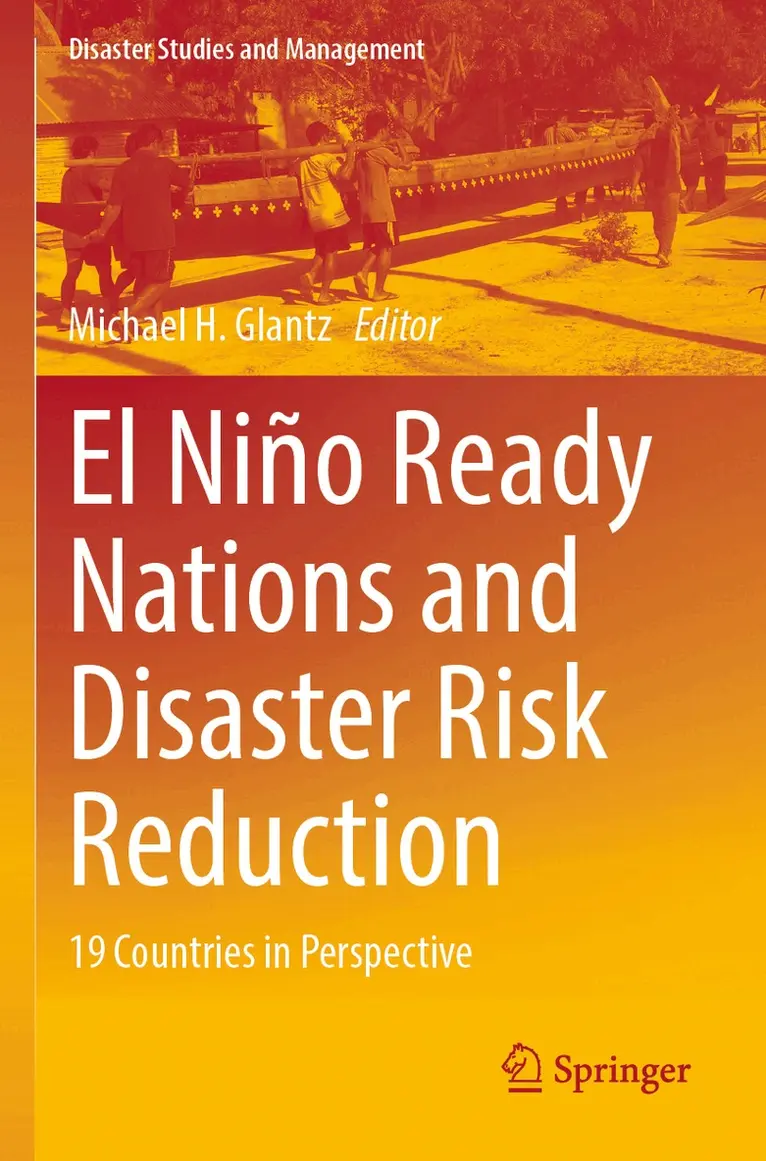
El Niño can have drastic effects on livelihoods in affected regions. As the climate changes, there will also be changes in El Nino behavior and therefor in its impacts around the globe on human activities such as agriculture, water resources and weather extremes. The country-specific studies covered in this book are undertaken by experts on climate, water and weather-related fields in the countries being studied. Furthermore, aspects from other disciplines, for example from social sciences have been drawn upon in order to cover crosscutting themes which are identified: depicting similarities and differences in responses to El Nino's impacts such as drought, floods, famines, health-related issues and the like.
Inbunden, Engelska, 2020
1 200 kr
Skickas inom 10-15 vardagar
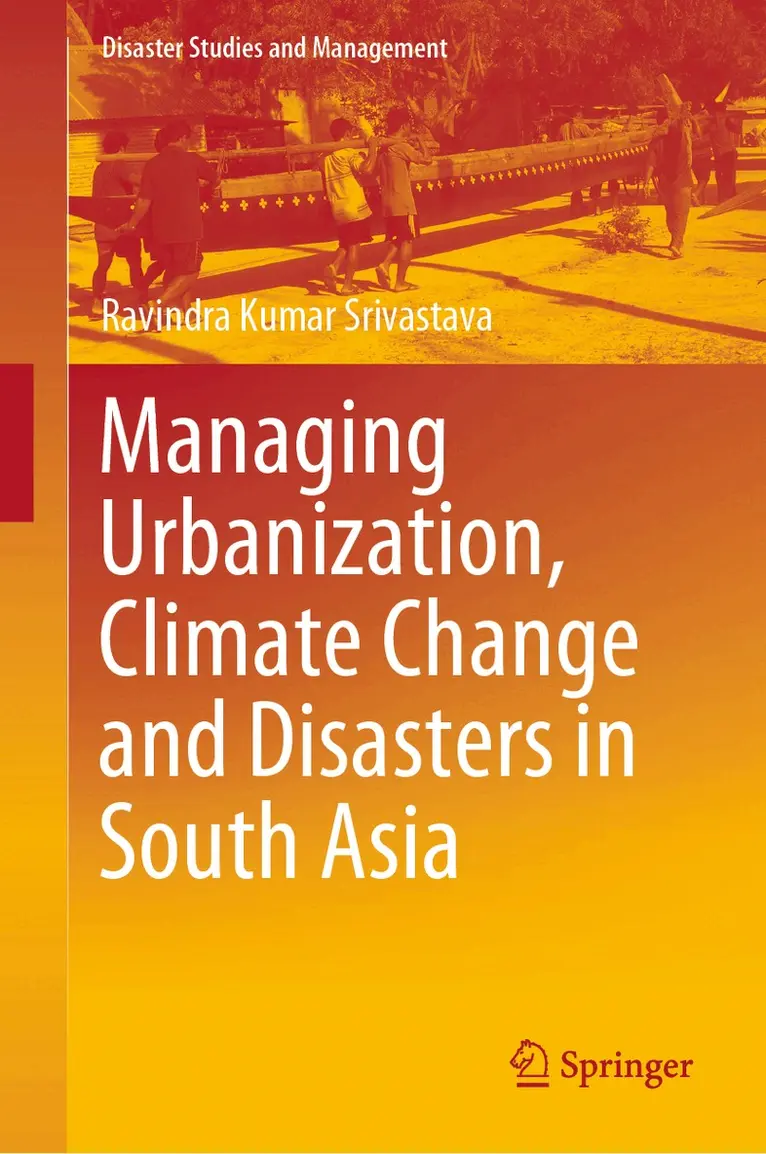
This book offers essential insights into potential catastrophic events that might befall upon the emerging urban landscape in South Asia, and which are due to hazards, risks and vulnerabilities inherent in the region’s geophysical location, as well as due to climate change and unplanned urbanization. It highlights major physio-graphic, demographic, geological and geophysical indicators that are responsible for changing the pattern and trend of urbanization in South Asia – a crucial issue in view of emerging threats of climate change, and changes in the demographic profile. The book addresses the disaster management scenario in South Asia, manifestations of climate change in the region and various urban setups under climate-change-induced risks. Further, it elaborates on the challenges of urbanization-based neo-risks and vulnerabilities, which manifest in the form of slum area growth, piling and littering of waste and filth, new health risks, groundwater contamination, air pollution,highly energy-dependent lifestyles, poverty, socio-economic tensions, etc. It also critically examines the institutional mechanisms for disaster risk reduction (DRR), climate change adaptation (CCA) and urban governance, and suggests appropriate changes in the governing structure to mitigate these risks. The book draws the attention of urban planners and policymakers to current shortcomings in the administrative and financial structures of local urban bodies. While outlining climate-associated risks and adaptation strategies in South Asia, it also suggests measures for integrating climate change and urban adaption with state's planning processes, and puts forward a risk alleviation platform to bring the risk managers working in different fields together, so that they make concerted efforts to achieve sustainable development. It offers valuable takeaways for researchers, urban planners, those working in industry, consultants, and policymakers.
Häftad, Engelska, 2021
1 200 kr
Skickas inom 10-15 vardagar
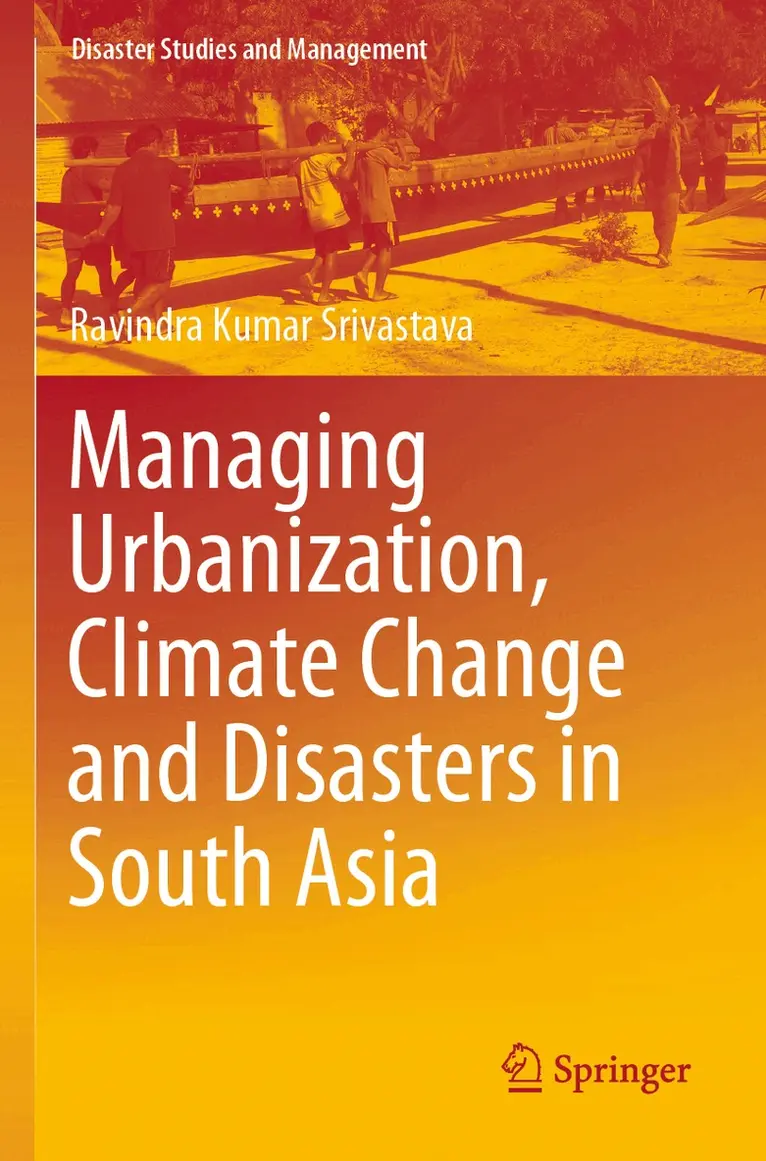
This book offers essential insights into potential catastrophic events that might befall upon the emerging urban landscape in South Asia, and which are due to hazards, risks and vulnerabilities inherent in the region’s geophysical location, as well as due to climate change and unplanned urbanization. It highlights major physio-graphic, demographic, geological and geophysical indicators that are responsible for changing the pattern and trend of urbanization in South Asia – a crucial issue in view of emerging threats of climate change, and changes in the demographic profile. The book addresses the disaster management scenario in South Asia, manifestations of climate change in the region and various urban setups under climate-change-induced risks. Further, it elaborates on the challenges of urbanization-based neo-risks and vulnerabilities, which manifest in the form of slum area growth, piling and littering of waste and filth, new health risks, groundwater contamination, air pollution,highly energy-dependent lifestyles, poverty, socio-economic tensions, etc. It also critically examines the institutional mechanisms for disaster risk reduction (DRR), climate change adaptation (CCA) and urban governance, and suggests appropriate changes in the governing structure to mitigate these risks. The book draws the attention of urban planners and policymakers to current shortcomings in the administrative and financial structures of local urban bodies. While outlining climate-associated risks and adaptation strategies in South Asia, it also suggests measures for integrating climate change and urban adaption with state's planning processes, and puts forward a risk alleviation platform to bring the risk managers working in different fields together, so that they make concerted efforts to achieve sustainable development. It offers valuable takeaways for researchers, urban planners, those working in industry, consultants, and policymakers.
Inbunden, Engelska, 2020
1 503 kr
Skickas inom 10-15 vardagar
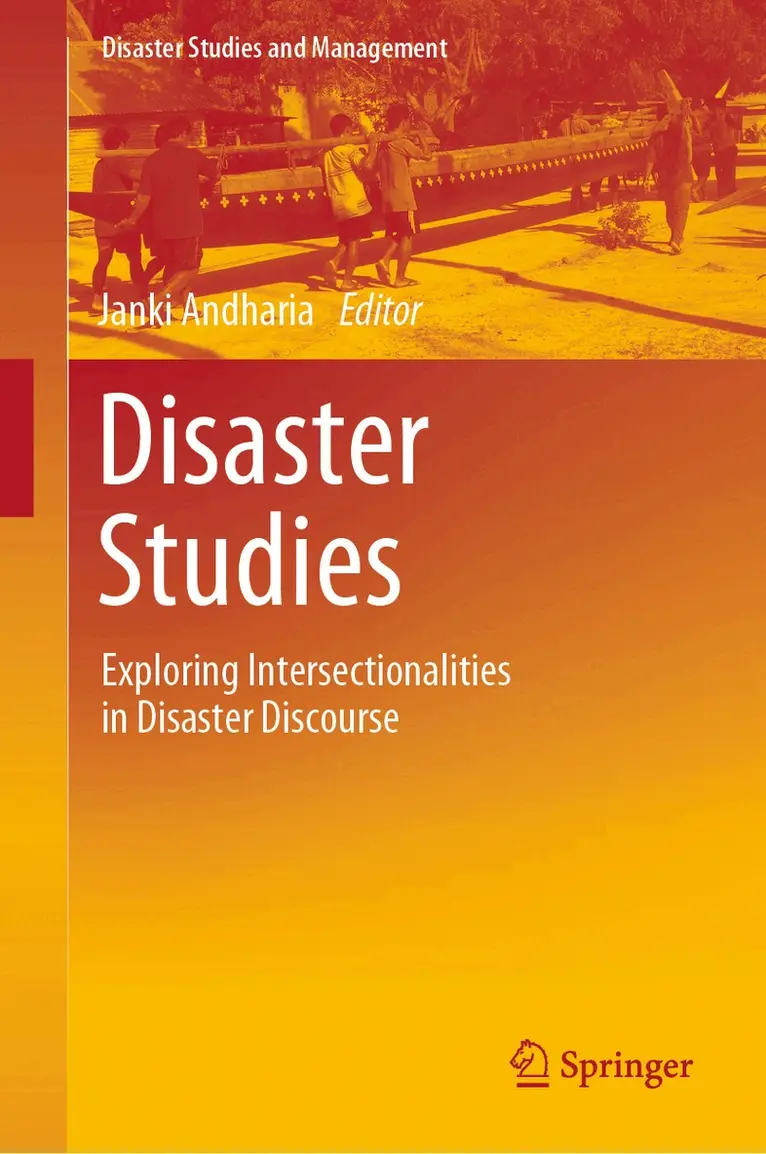
This book covers several dimensions of disaster studies as an emerging discipline. It is the inaugural book in the series ‘Disaster Studies and Management’ and deals with questions such as “Is disaster management a field of practice, a profession, or simply a new area of study?” Exploring intersectionalities, the book also examines areas of research that could help enhance the discourse on disaster management from policy and practice perspectives, revisiting conventional event-centric approaches, which are the basis for most writings on the subject. Several case studies and comparative analyses reflect a critical reading of research and practice concerning disasters and their management. The book offers valuable insights into various subjects including the challenge of establishing inter- and multi-disciplinary teams within the academia involved in disaster studies, and sociological and anthropological readings of post-disaster memoryscapes. Each of the contributors hasan enduring interest in disaster studies, thus enriching the book immensely. This book will be of interest to all the students and scholars of disaster studies and disaster management, as well as to practitioners and policymakers.
Häftad, Engelska, 2021
1 503 kr
Skickas inom 10-15 vardagar
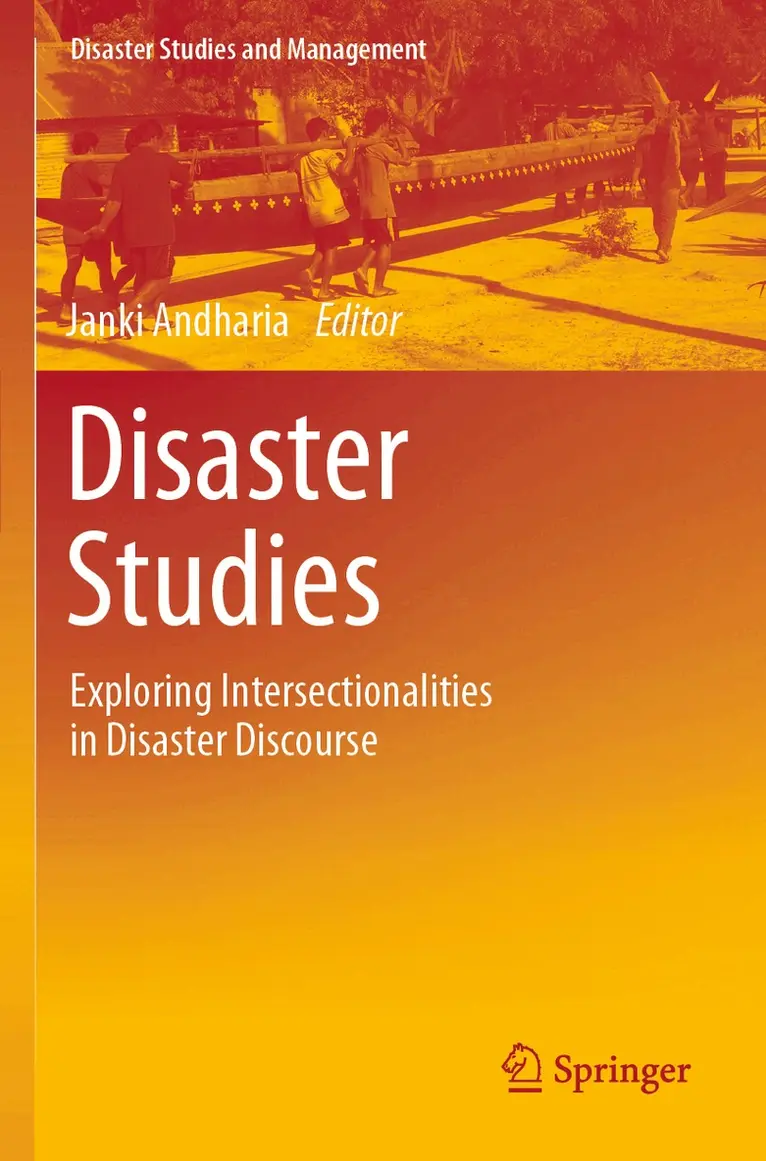
This book covers several dimensions of disaster studies as an emerging discipline. It is the inaugural book in the series ‘Disaster Studies and Management’ and deals with questions such as “Is disaster management a field of practice, a profession, or simply a new area of study?” Exploring intersectionalities, the book also examines areas of research that could help enhance the discourse on disaster management from policy and practice perspectives, revisiting conventional event-centric approaches, which are the basis for most writings on the subject. Several case studies and comparative analyses reflect a critical reading of research and practice concerning disasters and their management. The book offers valuable insights into various subjects including the challenge of establishing inter- and multi-disciplinary teams within the academia involved in disaster studies, and sociological and anthropological readings of post-disaster memoryscapes. Each of the contributors hasan enduring interest in disaster studies, thus enriching the book immensely. This book will be of interest to all the students and scholars of disaster studies and disaster management, as well as to practitioners and policymakers.
Inbunden, Engelska, 2026
547 kr
Skickas inom 5-8 vardagar
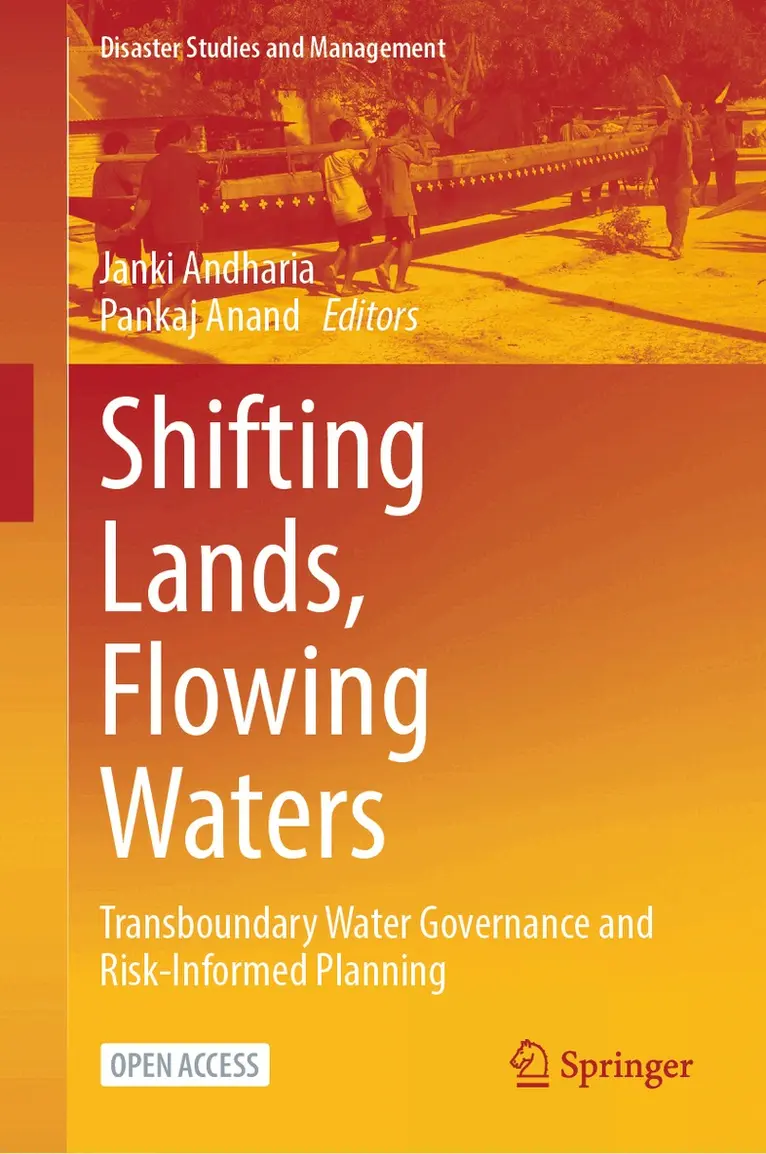
This is an open access book that focuses on issues around rivers which feed more than one country at a time, changing their course and flow. It emphasizes the need for more efficient and transparent risk-informed water governance across South Asia with a special focus on river basins in the region. Researchers and practitioners critically examine one or more themes such as—economy, society and culture in transboundary resource sharing: conflict and cooperation, nature of challenges, everyday dynamics and formal and informal responses; contemporary water governance framework in South Asia (reflecting on the issues of justice and rights of riparian communities); transboundary disaster governance and policies that relate to resource management; water governance networks and alliances in South Asia; political economy of communities depended on transboundary rivers; risk-informed planning and governance for transboundary resources management (implications for at-risk populations—like women, youth and children, fisherfolk, indigenous communities); policies and engagement at national level between South Asian countries on risk-informed governance. The book acknowledges that policies in South Asia need to deepen their agenda towards just and equitable sharing of water resources across the riparian regions, with an inclusive and people-centred approach of decision-making. For this purpose, it brings forth an understanding of the perspectives of different stakeholders for bridging gaps and facilitating a constructive dialogue for the betterment of the marginalized and vulnerable water-dependent groups. The book is a rich resource for researchers as well as NGOs and policy makers working on issues of water governance, disaster governance, trans-boundary issues, community resilience and so on.
Inbunden, Engelska, 2023
1 308 kr
Skickas inom 10-15 vardagar
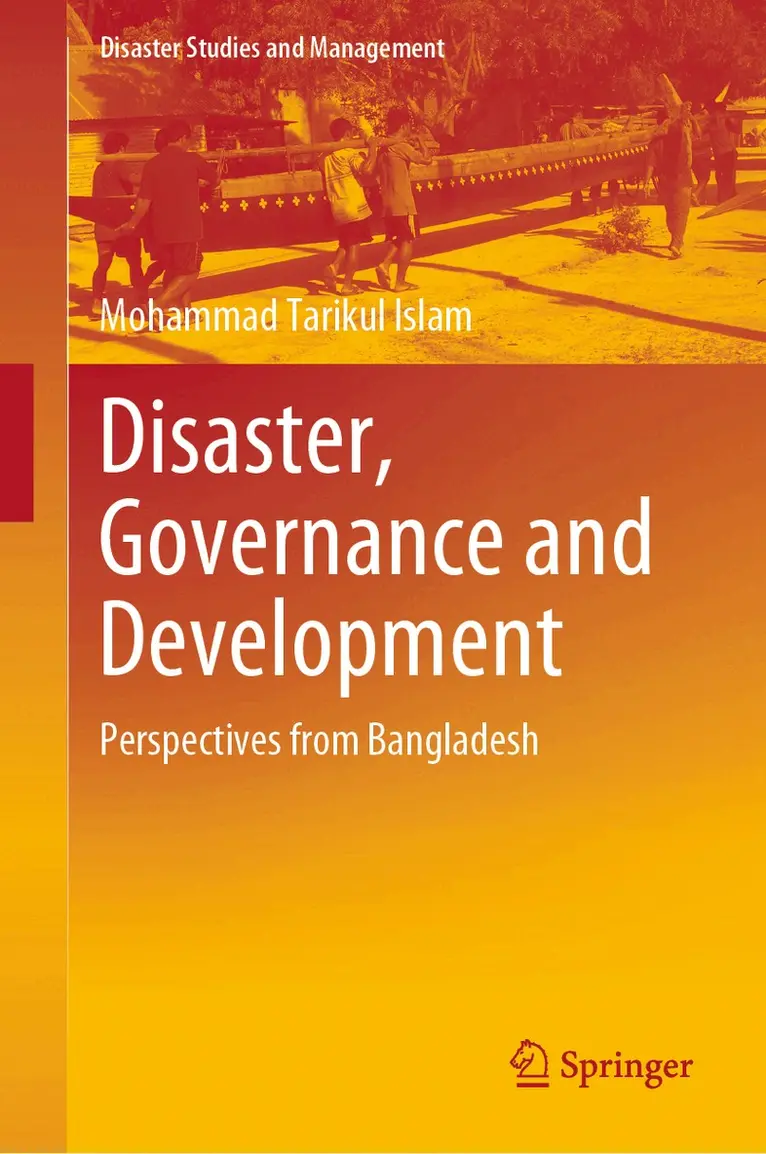
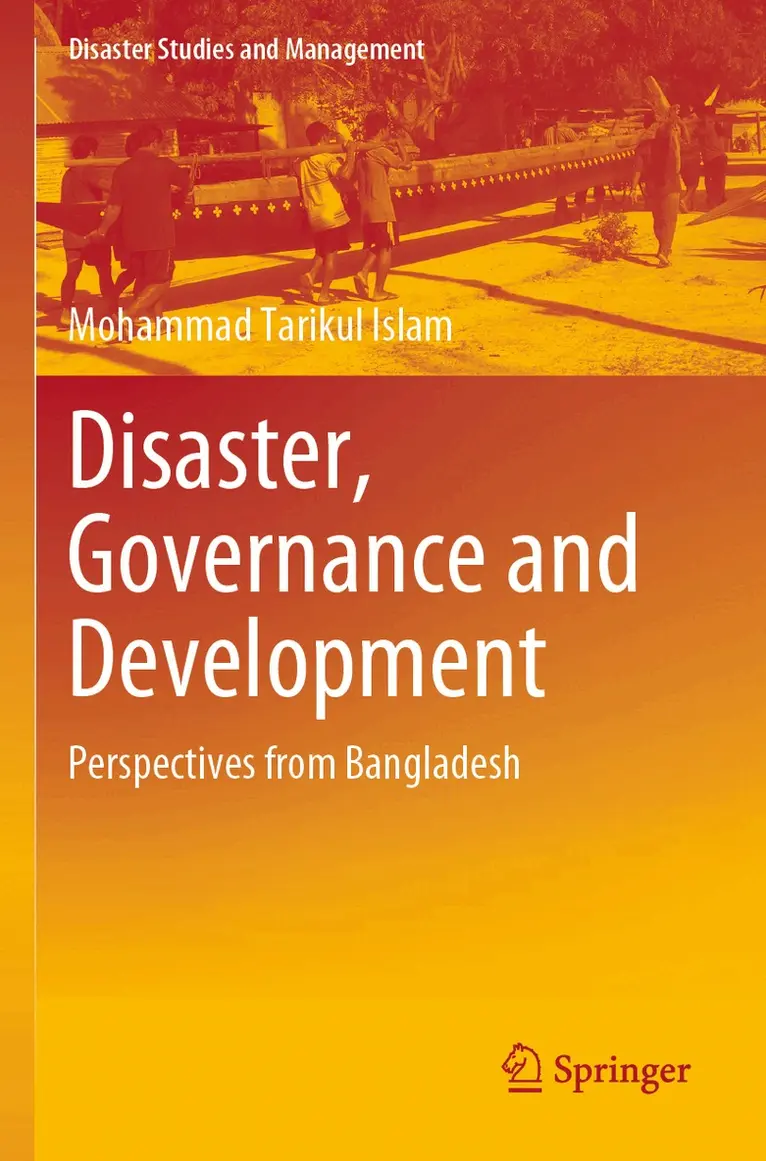
This book unveils the nexus between disaster, governance and development with a particular focus on Bangladesh and examines the legislative and institutional aspects in mainstreaming disaster risk reduction into development planning. With the help of rich content analysis interpreting disaster management history of the country, it looks at the challenges associated with disaster management in the context of Bangladesh. The book highlights the most reasonable strategy on how to accelerate a paradigm shift from relief culture to DRR culture. It also assesses the viewpoint of how political economy influences governance and institutional strengthening, thus identifying obstructions and opportunities for mainstreaming disaster management into development. The book also lays emphasis on collaboration between public sector and private sector for the expansion of disaster risk reduction programme. It shows how multilevel governance works for professionalizing disaster management and throws light on policy frameworks developed. This book is a tremendous resource for scholars, practitioners and researchers of disaster management, environmental studies, development agencies, political science, public policy, development studies, governance, regional development, South Asian studies and local government, particularly those interested in disaster, governance and sustainable development.
Häftad, Engelska, 2024
1 308 kr
Skickas inom 10-15 vardagar
This book unveils the nexus between disaster, governance and development with a particular focus on Bangladesh and examines the legislative and institutional aspects in mainstreaming disaster risk reduction into development planning. With the help of rich content analysis interpreting disaster management history of the country, it looks at the challenges associated with disaster management in the context of Bangladesh. The book highlights the most reasonable strategy on how to accelerate a paradigm shift from relief culture to DRR culture. It also assesses the viewpoint of how political economy influences governance and institutional strengthening, thus identifying obstructions and opportunities for mainstreaming disaster management into development. The book also lays emphasis on collaboration between public sector and private sector for the expansion of disaster risk reduction programme. It shows how multilevel governance works for professionalizing disaster management and throws light on policy frameworks developed. This book is a tremendous resource for scholars, practitioners and researchers of disaster management, environmental studies, development agencies, political science, public policy, development studies, governance, regional development, South Asian studies and local government, particularly those interested in disaster, governance and sustainable development.