Domestic Abuse and Intimate Partner Violence – serie
Visar alla böcker i serien Domestic Abuse and Intimate Partner Violence. Handla med fri frakt och snabb leverans.
4 produkter
4 produkter
2 176 kr
Skickas inom 10-15 vardagar
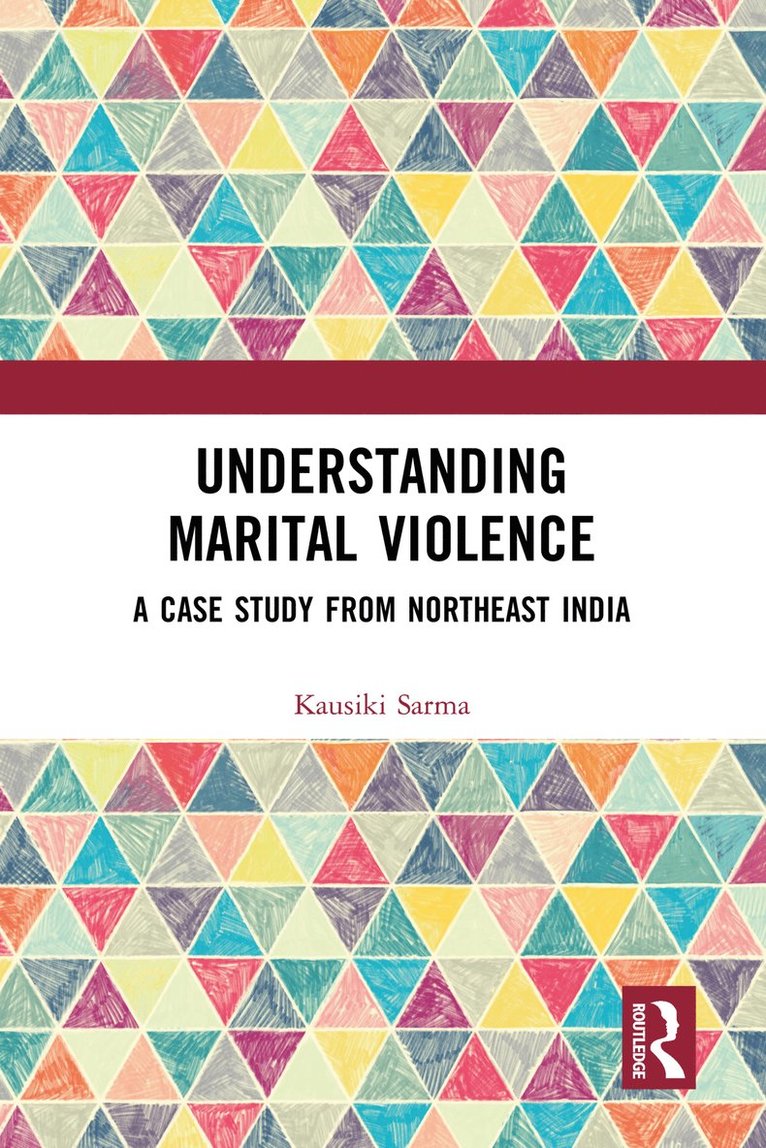
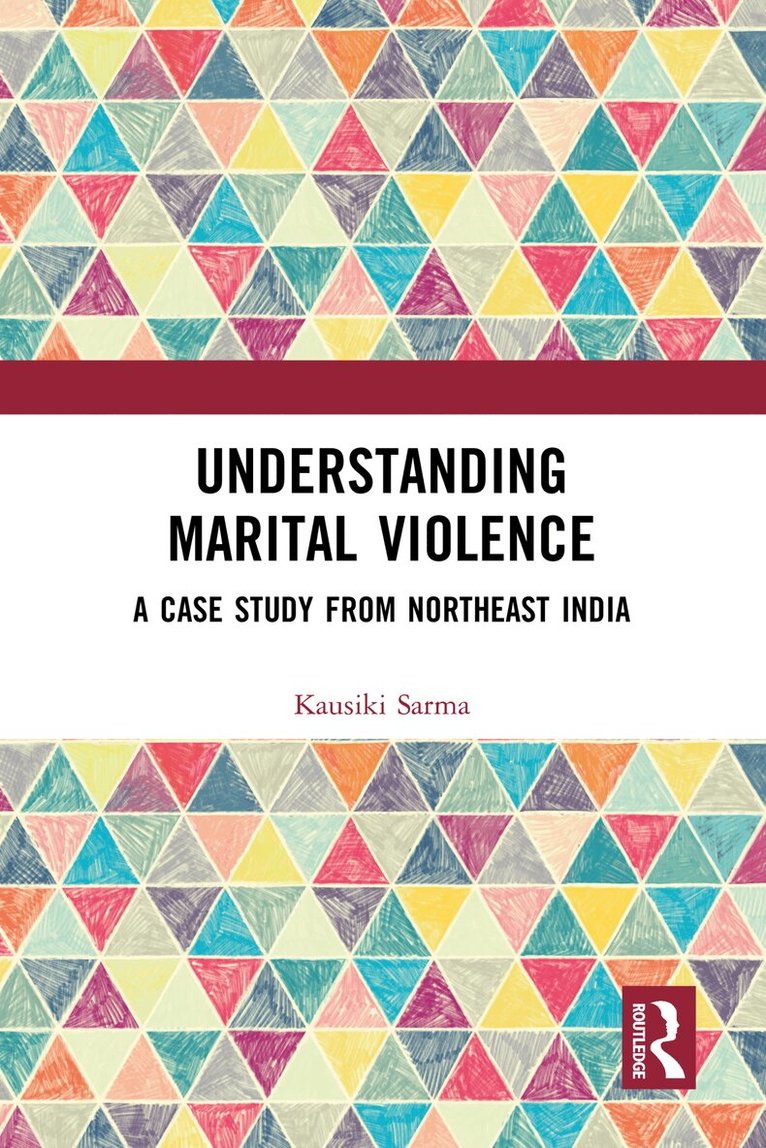
This book examines the roles and interconnections between structural factors and individual agency in marital violence, focusing on women in heterosexual marital relationships. With the overall aim of improving recognition and strengthening responses to marital violence, it underlines what occurs as marital violence and why it is possibly occurring in the manner it does, while simultaneously demonstrating how it is dealt with and resisted.Based upon in-depth qualitative data focussing upon the experiences of women facing marital violence and key informants from Assam in Northeast India, this book sheds light upon four key areas. To begin with, what is named or recognised (and not recognised) as marital violence is assessed and a typology (and associated denials) informed by the capabilities approach is developed. Further, the re-victimisation that happens through and within both civil and criminal justice is explored. In addition to this, the existing structural context highlighting changes that occur at a broader economic, political, and social level, contextualising a society that is in transition, has been emphasised. To conclude, conditioned by distinct material-cultural constraints-enablers and acknowledging the role played by emotions, a temporal agential trajectory in response to marital violence is mapped, specifically through the concepts of Habitus and Reflexivity. In short, this book attempts to decolonise certain aspects of academic knowledge around marital violence by asserting the need to consider distinct natures and forms of violence and violations that occur within marriages and the acknowledgement of a spectrum of actions in the agential trajectory so that victims-survivors are not solely assessed by their decisions to stay or to leave an abusive marriage.It will be of interest to scholars, students, professionals, and policymakers working within social work, social policy, gender studies, and violence prevention.
Mothers, Children and Domestic Violence and Abuse
A Tale of Poverty and Inequality Told Through Survey Data
Inbunden, Engelska, 2025
2 113 kr
Skickas inom 10-15 vardagar
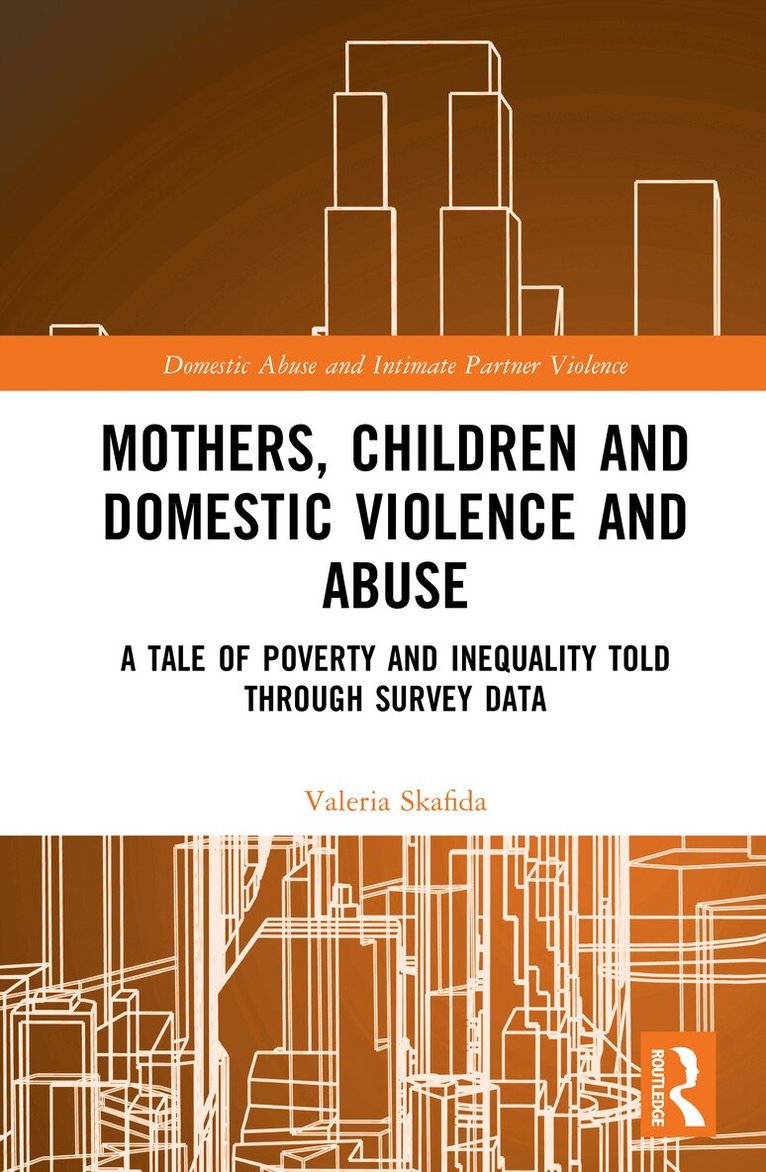
This monograph explores the lives of mothers and children living with domestic violence and abuse.This title initially focuses on issues around methods, measurement and reflexive accounts of researching domestic abuse through survey data. Our knowledge and understanding of domestic violence and abuse experiences across the population are only as good as the data we collect. The book examines legacy surveys which still influence today’s data landscape globally, it critically examines the data currently being collected in the UK context, and queries who is missing in the survey data we collect. It also engages with important questions around how can we talk about perpetrators of violence and abuse when we mostly have data on victims. The book then takes a deep-dive into what a cohort study tells us about social inequalities in mothers’ experiences of domestic abuse, focusing on how overlapping aspects of poverty and disadvantage place mothers and children in vulnerable situations. Domestic abuse experiences have obvious repercussions for mothers, while there are also repercussions for children, which this book explores, by looking at children’s physical chastisement and children’s social and emotional development in the context of living with parental domestic violence and abuse.Ending with a discussion around what appropriate policy responses need to consider, both in terms of services targeted directly at domestic violence and abuse victims, survivors and perpetrators, as well as broader policy responses which could seek to address the high levels of poverty and inequality which families, and particularly women and children, face in the UK. It will be of interest to all scholars, students and professionals working within social policy, social work, domestic violence and sociology, and those using quantitative methodological approaches in this space.
651 kr
Skickas inom 10-15 vardagar
This book examines the roles and interconnections between structural factors and individual agency in marital violence, focusing on women in heterosexual marital relationships. With the overall aim of improving recognition and strengthening responses to marital violence, it underlines what occurs as marital violence and why it is possibly occurring in the manner it does, while simultaneously demonstrating how it is dealt with and resisted.Based upon in-depth qualitative data focussing upon the experiences of women facing marital violence and key informants from Assam in Northeast India, this book sheds light upon four key areas. To begin with, what is named or recognised (and not recognised) as marital violence is assessed and a typology (and associated denials) informed by the capabilities approach is developed. Further, the re-victimisation that happens through and within both civil and criminal justice is explored. In addition to this, the existing structural context highlighting changes that occur at a broader economic, political, and social level, contextualising a society that is in transition, has been emphasised. To conclude, conditioned by distinct material-cultural constraints-enablers and acknowledging the role played by emotions, a temporal agential trajectory in response to marital violence is mapped, specifically through the concepts of Habitus and Reflexivity. In short, this book attempts to decolonise certain aspects of academic knowledge around marital violence by asserting the need to consider distinct natures and forms of violence and violations that occur within marriages and the acknowledgement of a spectrum of actions in the agential trajectory so that victims-survivors are not solely assessed by their decisions to stay or to leave an abusive marriage.It will be of interest to scholars, students, professionals, and policymakers working within social work, social policy, gender studies, and violence prevention.
2 113 kr
Skickas inom 10-15 vardagar
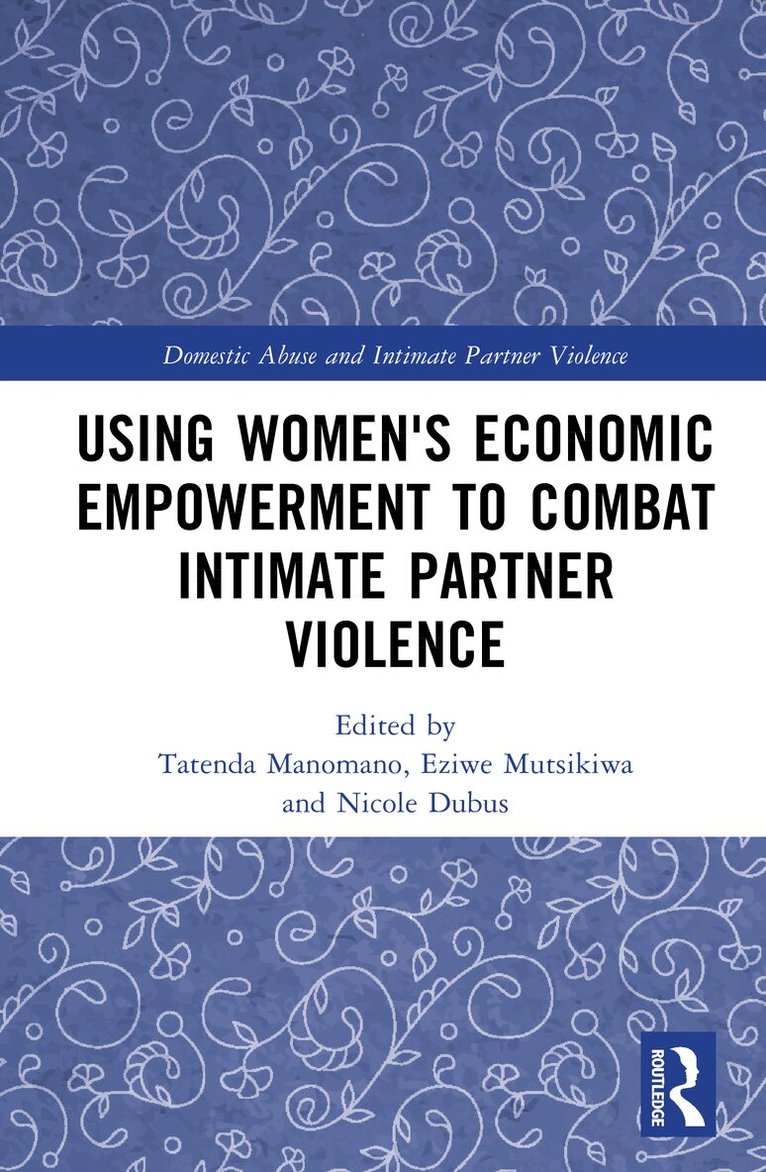
This book explores the link between women’s economic empowerment and intimate partner violence (IPV) reduction by analysing how economic independence and access to resources empower women to address and escape abusive situations. Examining the systemic barriers that hinder progress, such as cultural norms, legal constraints, and gaps in social protection systems, it offers evidence-based analysis and practical recommendations including microfinance, skill-building initiatives, and community-based programmes, to create a vital resource for policymakers, social workers, and advocates committed to creating safer, more equitable communities. IPV remains a pervasive challenge in the 21st century, profoundly affecting individuals, families, and societies across the globe. Its far-reaching consequences undermine not only the safety and well-being of victims but also broader efforts towards gender equality and social justice.Combining insights from economics, gender, social work, sociology and development studies as well as mental health, this book offers a way forward and will be of interest to all scholars, students and professionals working in these areas.