Ecological Methods and Concepts - Böcker
Visar alla böcker i serien Ecological Methods and Concepts. Handla med fri frakt och snabb leverans.
8 produkter
8 produkter
1 419 kr
Skickas inom 7-10 vardagar
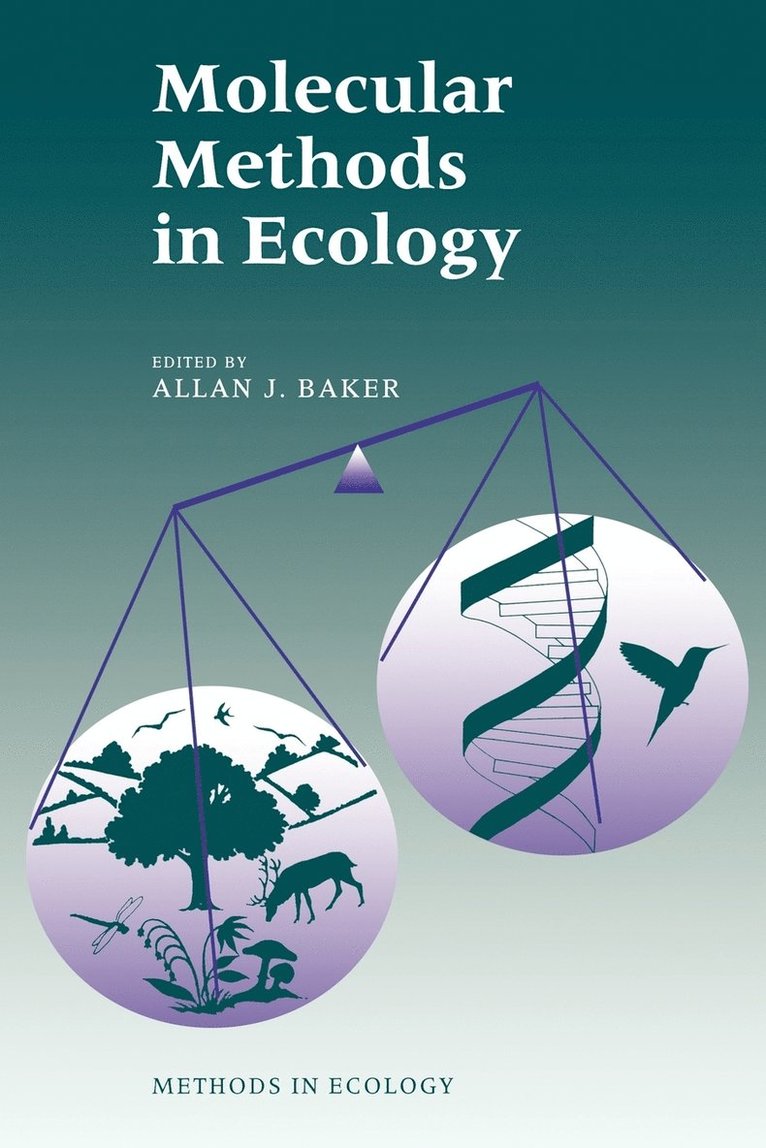
The incorporation of molecular methods in ecological research has added an exciting new dimension to conventional studies, and opened windows into previously intractable areas of research, at the interface between ecology and genetics. Using these new methods it has now become routine to use genetic markers to study ecological phenomena, from molecular sexing of individuals and parentage of offspring, through to population structure of species and phylogenetic relationships of taxa. These methods have stimulated an explosion of empirical and analytical developments in molecular ecology, which have in turn, increasingly attracted students and professional biologists eager to employ them in their studies.Molecular Methods in Ecology traces the development of molecular ecology by reviewing basic molecular biological techniques and earlier methods such as protein electrophoresis, DNA-DNA hybridisation, restriction analysis of DNA, and DNA fingerprinting. Later chapters review methods using newer classes of markers such as microsatellites, introns, MHC, SSRs and AFLP markers in plants and molecular sexing in animals. The strengths and limitations of methods are discussed and guidance is provided in selecting the most appropriate methods for particular problems in ecology. This book will provide both postgraduates and researchers with a guide to choosing and employing appropriate methodologies for successful research in the field of molecular ecology. Provides up-to-date summaries of the latest molecular approaches in this rapidly expanding field. Gives guidance on the appropriate choice of methods for particular problems in ecology, and their strengths and limitations. Provides brief laboratory protocols for each molecular method and summaries of software available for analysis of data in molecular ecology. Outlines examples of the latest research results from studies of both plants and animals, integrated within the framework of molecular ecology.
1 088 kr
Skickas inom 7-10 vardagar
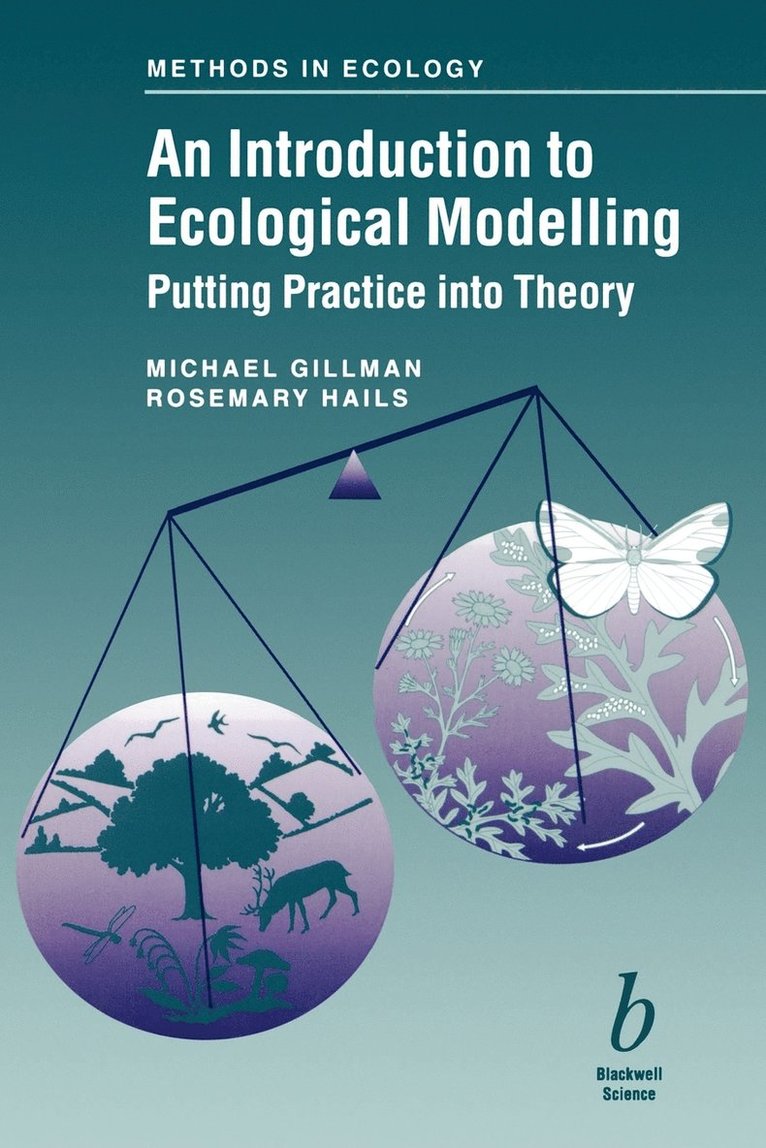
At present, most books on ecological modelling rely on very complex mathematics, resulting in students and researchers shying away from investigating the potential uses of ecological models and their methods of construction. This new book aims to open up this exciting area to a much wider audience. Assuming only basic mathematical knowledge, the text uses case studies to show how a relatively small set of techniques of model construction can be used in a wide range of important applications. Researchers will find it an invaluable guide to using ecological models in their work. Uses case studies to clearly demonstrate the applications of ecological models. Avoids complex mathematics. A practical how-to guide for ecological researchers. Sample ecological models available via this web site.
1 088 kr
Skickas inom 7-10 vardagar
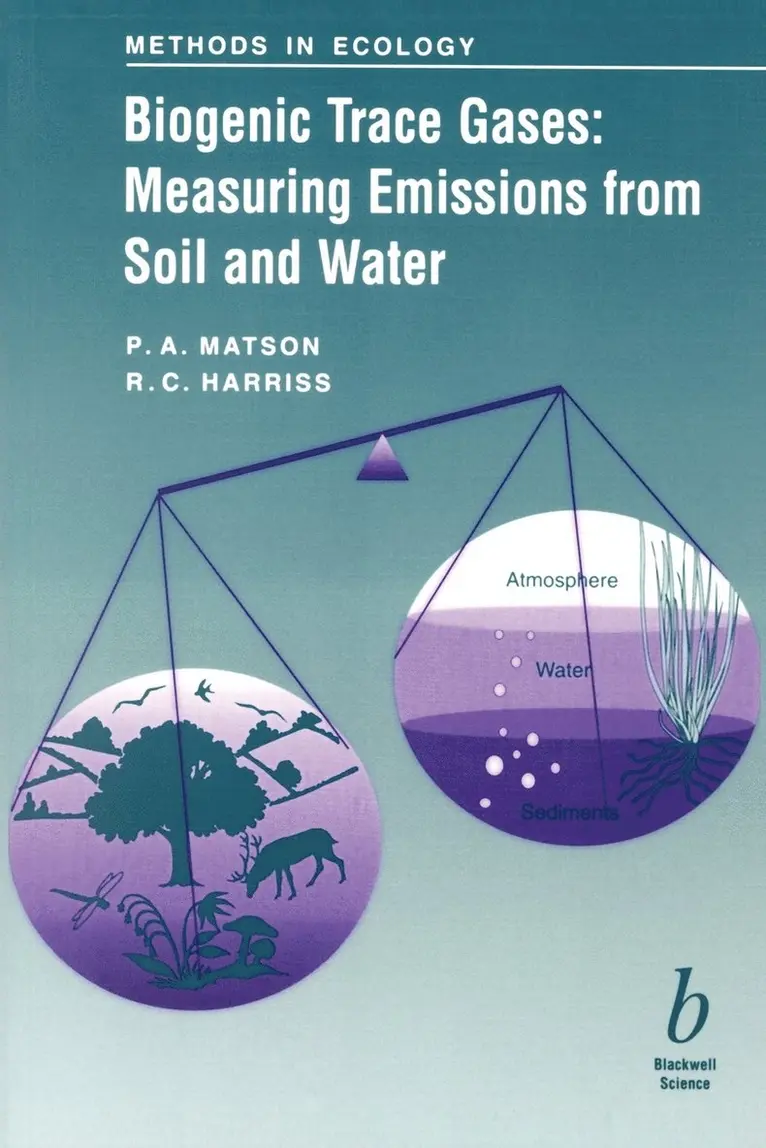
Trace gases are those that are present in the atmosphere at relatively low concentrations. Small changes in their concentrations can have profound implications for major atmospheric fluxes, and thereore, can be used as indicators in studies of global change, global biogeochemical cycling and global warming. This new how-to guide will detail the concepts and techniques involved in the detection and measurement of trace gases, and the impact they have on ecological studies. Introductory chapters look at the role of trace gases in global cycles, while later chapters go on to consider techniques for the measurement of gases in various environments and at a range of scales. A how-to guide for measuring atmospheric trace gases.Techniques described are of value in addressing current concerns over global climate change.
1 253 kr
Skickas inom 7-10 vardagar
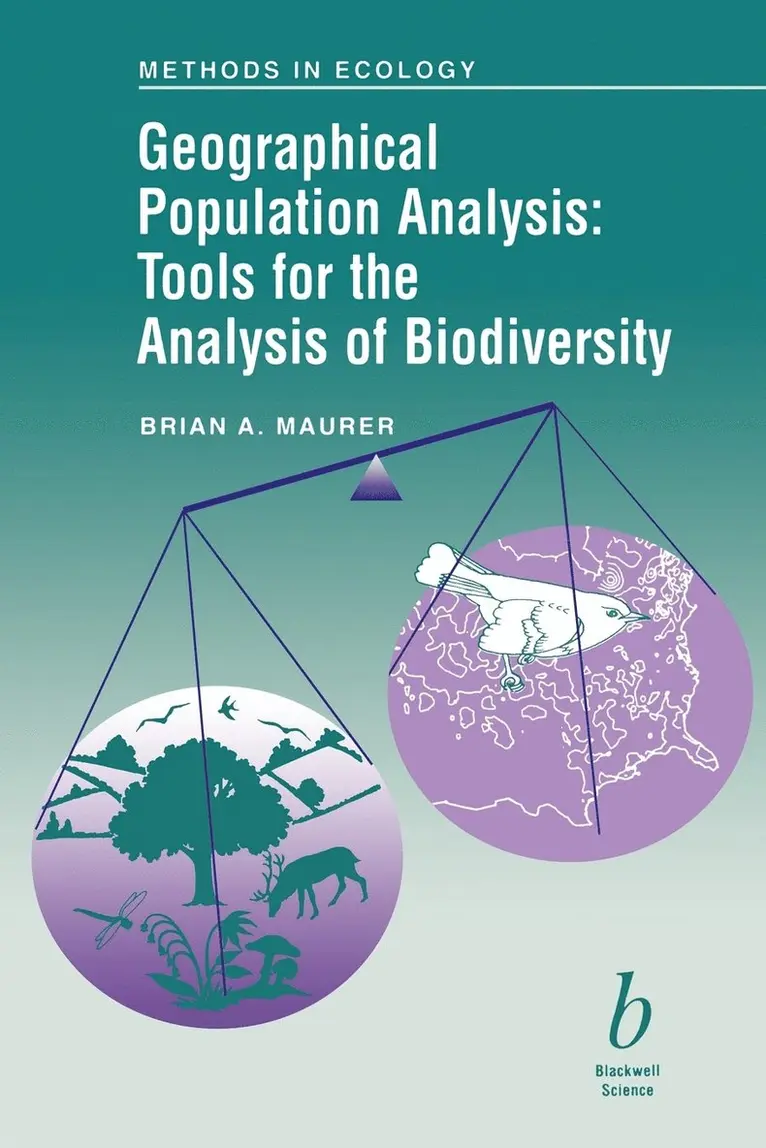
Conservation biology -- using concepts from traditional resource management and modern population biology to preserve biological diversity -- has emerged as one of the most important areas of ecology In order to really understand the problems of decreasing diversity and the solutions to maintaining it, the attention of ecologists must be focused on larger spatial and temporal scales than they are used to. The book discusses methods and statistical techniques that can be used to analyze spatial patterns in geographic populations. These techniques incorporate ideas from fractal geometry to develop measures of geographic range fragmentation, and can be used to ask questions regarding the conservation of biodiversity.
Del 5 - Ecological Methods and Concepts
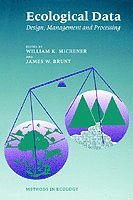
Ecological Data
Design, Management and Processing
Häftad, Engelska, 2000
1 370 kr
Skickas inom 7-10 vardagar
Ecologists are increasingly tackling difficult issues like global change, loss of biodiversity and sustainability of ecosystem services. These and related topics are enormously challenging, requiring unprecedented multidisciplinary collaboration and rapid synthesis of large amounts of diverse data into information and ultimately knowledge. New sensors, computers, data collection and storage devices and analytical and statistical methods provide a powerful tool kit to support analyses, graphics and visualizations that were unthinkable even a few years ago. New and increased emphasis on accessibility, management, processing and sharing of high-quality, well-maintained and understandable data represents a significant change in how scientists view and treat data. These issues are complex and despite their importance, are typically not addressed in database, ecological and statistical textbooks. This book addresses these issues, providing a much needed resource for those involved in designing and implementing ecological research, as well as students who are entering the environmental sciences. Chapters focus on the design of ecological studies, data management principles, scientific databases, data quality assurance, data documentation, archiving ecological data and information and processing data into information and knowledge. The book stops short of a detailed treatment of data analysis, but does provide pointers to the relevant literature in graphics, statistics and knowledge discovery. The central thesis of the book is that high quality data management systems are critical for addressing future environmental challenges. This requires a new approach to how we conduct ecological research, that views data as a resource and promotes stewardship, recycling and sharing of data. Ecological Data will be particularly useful to those ecologists and information specialists that actively design, manage and analyze environmental databases. However, it will also benefit a wider audience of scientists and students in the ecological and environmental sciences.
1 203 kr
Skickas inom 7-10 vardagar
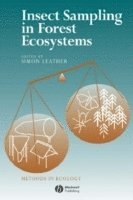
Insect Sampling in Forest Ecosystems highlights the problems faced by entomologists working in forest ecosystems. Insects play a major part in all aspects of ecology Brings together the methodology needed to investigate insects through the various strata of the forest canopy Covers techniques associated with various specialised groups of forest insects Each chapter is backed up by a sound approach to experimental design and data analysis Essential reading for advanced students and researchers as well as teachers
1 039 kr
Skickas inom 7-10 vardagar
This book highlights new and emerging uses of stable isotope analysis in a variety of ecological disciplines. While the use of natural abundance isotopes in ecological research is now relatively standard, new techniques and ways of interpreting patterns are developing rapidly. The second edition of this book provides a thorough, up-to-date examination of these methods of research. As part of the Ecological Methods and Concepts series which provides the latest information on experimental techniques in ecology, this book looks at a wide range of techniques that use natural abundance isotopes to: follow whole ecosystem element cyclingunderstand processes of soil organic matter formationfollow the movement of water in whole watershedsunderstand the effects of pollution in both terrestrial and aquatic environmentsstudy extreme systems such as hydrothermal ventsfollow migrating organismsIn each case, the book explains the background to the methodology, looks at the underlying principles and assumptions, and outlines the potential limitations and pitfalls.Stable Isotopes in Ecology and Environmental Science is an ideal resource for both ecologists who are new to isotopic analysis, and more experienced isotope ecologists interested in innovative techniques and pioneering new uses.
Del 8 - Ecological Methods and Concepts
Introduction to Mathematical Models in Ecology and Evolution
Time and Space
Häftad, Engelska, 2009
548 kr
Tillfälligt slut
Students often find it difficult to grasp fundamental ecological and evolutionary concepts because of their inherently mathematical nature. Likewise, the application of ecological and evolutionary theory often requires a high degree of mathematical competence. This book is a first step to addressing these difficulties, providing a broad introduction to the key methods and underlying concepts of mathematical models in ecology and evolution. The book is intended to serve the needs of undergraduate and postgraduate ecology and evolution students who need to access the mathematical and statistical modelling literature essential to their subjects.The book assumes minimal mathematics and statistics knowledge whilst covering a wide variety of methods, many of which are at the fore-front of ecological and evolutionary research. The book also highlights the applications of modelling to practical problems such as sustainable harvesting and biological control.Key features: Written clearly and succinctly, requiring minimal in-depth knowledge of mathematicsIntroduces students to the use of computer models in both fields of ecology and evolutionary biologyMarket - senior undergraduate students and beginning postgraduates in ecology and evolutionary biology