Ecosystem Science and Applications - Böcker
Visar alla böcker i serien Ecosystem Science and Applications. Handla med fri frakt och snabb leverans.
6 produkter
6 produkter
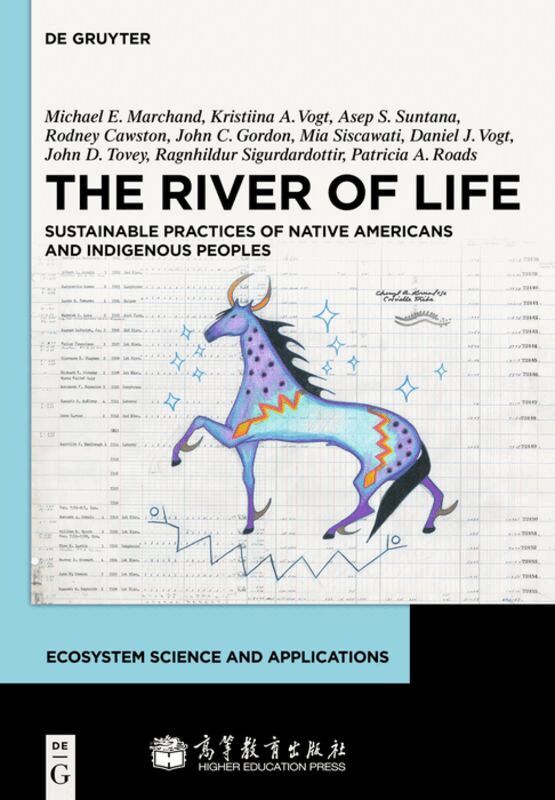
River of Life
Sustainable Practices of Native Americans and Indigenous Peoples
Inbunden, Engelska, 2013
2 036 kr
Skickas inom 5-8 vardagar
Sustainability defines the need for any society to live within the constraints of the land's capacity to deliver all natural resources the society consumes. This book compares the general differences between Native Americans and western world view towards resources. It will provide the ‘nuts and bolts’ of a sustainability portfolio designed by indigenous peoples. This book introduces the ideas on how to link nature and society to make sustainable choices. To be sustainable, nature and its endowment needs to be linked to human behavior similar to the practices of indigenous peoples. The main goal of this book is to facilitate thinking about how to change behavior and to integrate culture into thinking and decision-processes.
2 036 kr
Skickas inom 5-8 vardagar
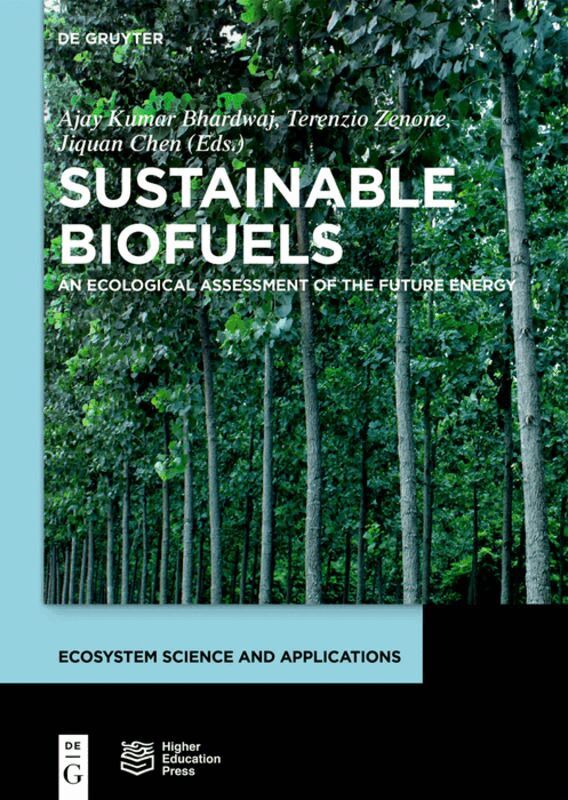
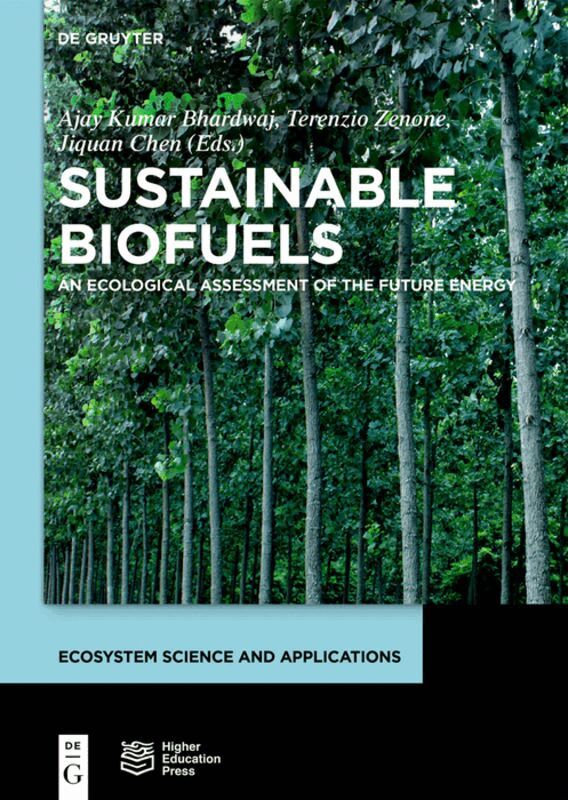
With oil resources approaching their limits, biofuels have become increasingly attractive. This book provides a detailed description of the ecological implications of second and third generation biofuel feedstock production systems, beginning with an introduction to the importance of ecological sustainability alongside economic viability. The book is divided into sections describing theoretical foundation and benefits of various biofuel cropping systems, and providing a description of practical ecological limitations to achieve those fundamental benefits. The book covers such critical issues as greenhouse gas emissions, carbon balance, water cycle components, other biogeochemical and socioeconomic interactions alongside life cycle analysis principals for achieving sustainability. These are some of the most important sustainability, environmental and economic issues which biofuel industry and scientific community is seeking answers to.
2 369 kr
Skickas inom 5-8 vardagar
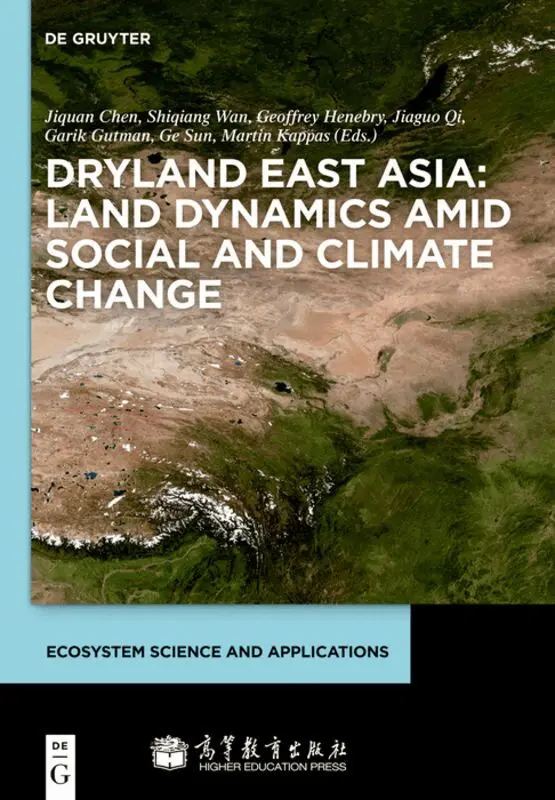
Drylands in East Asia (DEA) are home to more than one billion people with an environment vulnerable to natural and anthropogenic changes. One of the critical needs in the region is to fully understand how dryland ecosystems respond to the changing climate and human activities in order to develop strategies to cope with continued climate change. This book provides state-of-the-art knowledge and information on drylands ecosystem dynamics, changing climate, society, and land use in the region. In addition to the synthesis of the existing research and knowledge of DEA, the book provides a role model for regional ecological assessment. With a wide spectrum of contributions from experts around the globe, the book should be of interest to researchers and students both internationally and in East Asia. Lessons learned from this synthesis effort in DEA should be useful for developing climate adaptation strategies for other similar regions around the globe.
1 802 kr
Skickas inom 5-8 vardagar
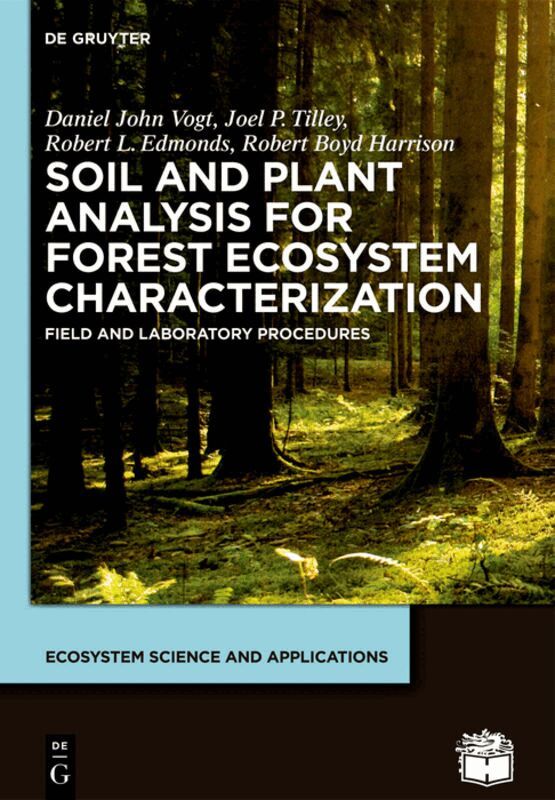
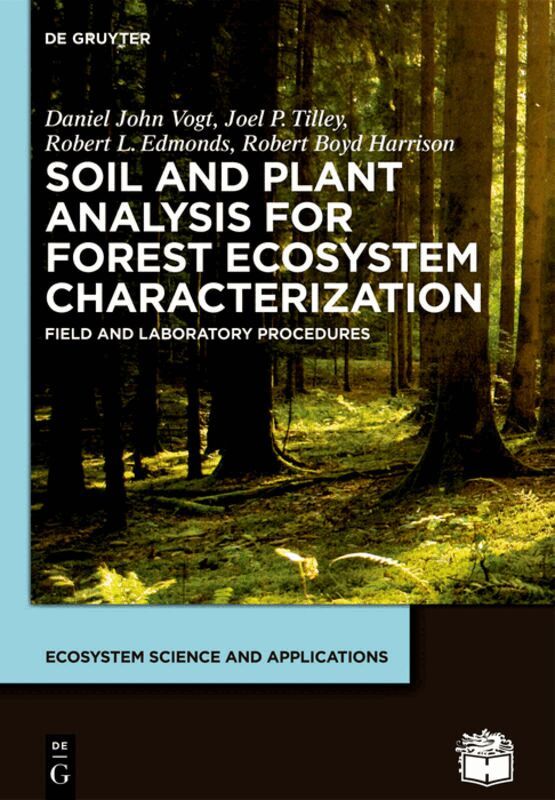
This handbook provides an overview of physical, chemical and biological methods used to analyze soils and plant tissue using an ecosystem perspective. The current emphasis on climate change has recognized the importance of including soil carbon as part of our carbon budgets. Methods to assess soils must be ecosystem based if they are to have utility for policy makers and managers wanting to change soil carbon and nutrient pools. Most of the texts on soil analyis treat agriculture and not forest soils and these methods do not transfer readily to forests because of their different chemistry and physical properties. This manual presents methods for soil and plant analysis with the ecosystem level approach that will reduce the risk that poor management decisions will be made in forests. This manual was intended for the instructors that teach students soil and plant analyses; however it can also be used by the research laboratories and by environmental scientists. The laboratory procedures in this manual are outlined in easy-to-follow steps and frequently accompanied with examples of calculations, questions to answer, and also a blank data sheet to use. These methods used in this manual can be used on soil and plant tissues found in agricultural, horticulture, forestry, urban, and natural lands.
225 kr
Skickas inom 5-8 vardagar
This handbook provides an overview of physical, chemical and biological methods used to analyze soils and plant tissue using an ecosystem perspective. The current emphasis on climate change has recognized the importance of including soil carbon as part of our carbon budgets. Methods to assess soils must be ecosystem based if they are to have utility for policy makers and managers wanting to change soil carbon and nutrient pools. Most of the texts on soil analyis treat agriculture and not forest soils and these methods do not transfer readily to forests because of their different chemistry and physical properties. This manual presents methods for soil and plant analysis with the ecosystem level approach that will reduce the risk that poor management decisions will be made in forests. This manual was intended for the instructors that teach students soil and plant analyses; however it can also be used by the research laboratories and by environmental scientists. The laboratory procedures in this manual are outlined in easy-to-follow steps and frequently accompanied with examples of calculations, questions to answer, and also a blank data sheet to use. These methods used in this manual can be used on soil and plant tissues found in agricultural, horticulture, forestry, urban, and natural lands.
225 kr
Skickas inom 5-8 vardagar
With oil resources approaching their limits, biofuels have become increasingly attractive. This book provides a detailed description of the ecological implications of second and third generation biofuel feedstock production systems, beginning with an introduction to the importance of ecological sustainability alongside economic viability. The book is divided into sections describing theoretical foundation and benefits of various biofuel cropping systems, and providing a description of practical ecological limitations to achieve those fundamental benefits. The book covers such critical issues as greenhouse gas emissions, carbon balance, water cycle components, other biogeochemical and socioeconomic interactions alongside life cycle analysis principals for achieving sustainability. These are some of the most important sustainability, environmental and economic issues which biofuel industry and scientific community is seeking answers to.