Edinburgh Studies in Later Latin Literature – Serie
Visar alla böcker i serien Edinburgh Studies in Later Latin Literature. Handla med fri frakt och snabb leverans.
6 produkter
6 produkter
2 459 kr
Skickas inom 3-6 vardagar
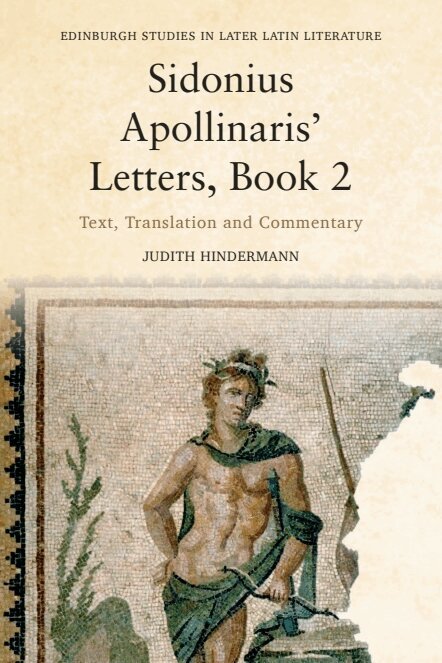
Provides the first commentary on the full second book of Sidonius Apollinaris' lettersOffers a modern English translation that is congruent with and stays close to the Latin textFocuses on the literary Sidonius and his broad education, especially the connection between his letters and those of the younger PlinyIncludes narratological analysis of the second book and its role as a book of leisure in the overarching collection of lettersProvides a comprehensive overview of the latest research on Sidonius' LettersThe works of Sidonius Apollinaris, poet, politician and bishop, have long been the subject of interest in historical and theological studies, as he documents the life of the Gallo-Roman aristocracy and church in a time of social and political upheaval. The literary qualities of Sidonius' letters, however, have only recently become the focus of research. This book places this aspect centre stage, considering Sidonius' rich intertextuality with other authors, especially Pliny the Younger.This critical edition comprises a newly edited Latin text of the second book of Sidonius Apollinaris' Epistulae, a modern English translation and a literary, linguistic and historical commentary on the fourteen letters. The detailed commentary focuses on the literary Sidonius and his broad education and offers a narratological analysis of the text, highlighting its role as a book of leisure in the overarching collection of letters. The introduction focuses on the latest research on the second book of the Epistulae and shows how it is carefully anchored within the wider nine-book collection of letters.
669 kr
Skickas inom 3-6 vardagar
The works of Sidonius Apollinaris, poet, politician and bishop, have long been the subject of interest in historical and theological studies, as he documents the life of the Gallo-Roman aristocracy and church in a time of social and political upheaval. The literary qualities of Sidonius' letters, however, have only recently become the focus of research. This book places this aspect centre stage, considering Sidonius' rich intertextuality with other authors, especially Pliny the Younger.This critical edition comprises a newly edited Latin text of the second book of Sidonius Apollinaris' Epistulae, a modern English translation and a literary, linguistic and historical commentary on the fourteen letters. The detailed commentary focuses on the literary Sidonius and his broad education and offers a narratological analysis of the text, highlighting its role as a book of leisure in the overarching collection of letters. The introduction focuses on the latest research on the second book of the Epistulae and shows how it is carefully anchored within the wider nine-book collection of letters.
1 672 kr
Skickas
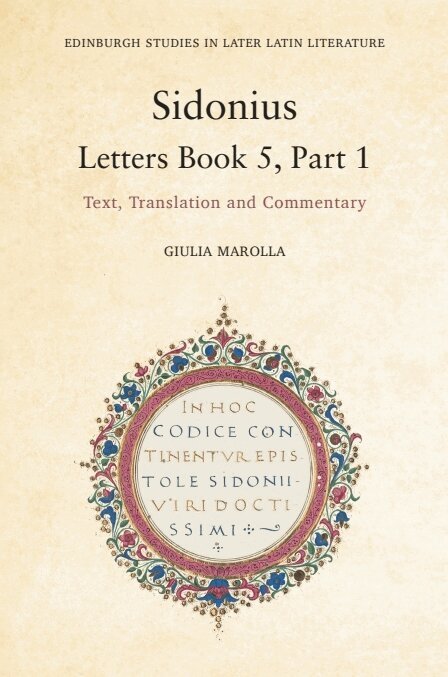
Studies the first half of Sidonius' fifth book of letters from a philological, literary and historical perspectiveProvides the first commentary on Book 5 of Apollinaris' LettersIncludes a newly edited Latin text and a new English translationContributes to an overall understanding of Sidonius' literary output as a wholeOffers a comprehensive and innovative study of key historical data, especially prosopography and dating of the lettersSidonius stands at a crossroads between the last days of the Roman Empire in the Auvergne and Provence and the emergence of Burgundians and Visigoths as territorial powers. An aristocrat, politician, author and bishop, he was involved in and bore witness to this takeover. His literary prose is characterised by a floweriness which at times makes his letters ambiguous and ostentatiously obscure. This volume provides readers with a tool to understand this convoluted prose, enabling them to see the troubled political waters of the fifth century through the eyes of Sidonius.The book contains a new critical edition of the first ten letters of Book 5 of Sidonius' Epistulae, together with an accessible English translation and a philological and historical commentary. It provides a general introduction to the book as a whole and a detailed exploration of the letters that covers literary themes, models, prosopography, dating problems and prose rhythm. Taking an interdisciplinary approach, it addresses historical questions relevant to the specific letters and to Sidonius' position at the centre of the Romano-Gallic aristocracy.
377 kr
Skickas
Sidonius stands at a crossroads between the last days of the Roman Empire in the Auvergne and Provence and the emergence of Burgundians and Visigoths as territorial powers. An aristocrat, politician, author and bishop, he was involved in and bore witness to this takeover. His literary prose is characterised by a floweriness which at times makes his letters ambiguous and ostentatiously obscure. This volume provides readers with a tool to understand this convoluted prose, enabling them to see the troubled political waters of the fifth century through the eyes of Sidonius.The book contains a new critical edition of the first ten letters of Book 5 of Sidonius' Epistulae, together with an accessible English translation and a philological and historical commentary. It provides a general introduction to the book as a whole and a detailed exploration of the letters that covers literary themes, models, prosopography, dating problems and prose rhythm. Taking an interdisciplinary approach, it addresses historical questions relevant to the specific letters and to Sidonius' position at the centre of the Romano-Gallic aristocracy.
1 812 kr
Skickas
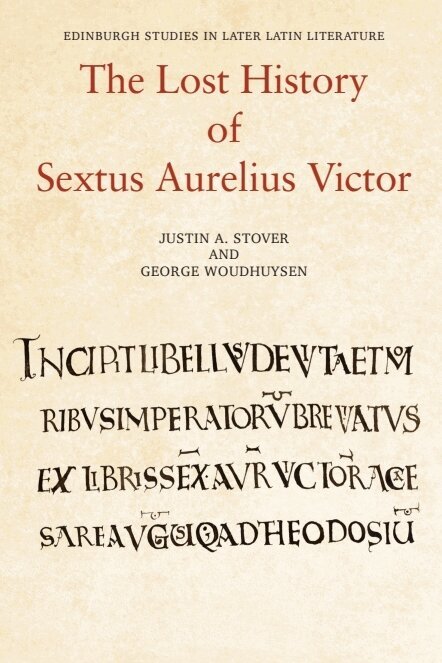
A radical rewriting of the history of fourth-century Latin literatureDemonstrates for the first time both the contemporary and lasting influence of Victor's historiographyDiscusses a wide range of both canonical and neglected authors and texts, including Sallust, St Jerome, Ammianus, the Historia Augusta, Eunapius and JulianProvides an up-to-date account of the mechanics of abbreviating texts in late antiquity, an important and relatively neglected subjectRe-reads and re-examines in detail two short imperial histories of the fourth century, the Caesares and the Epitome de CaesaribusBased on primary sources, including manuscripts and newly discovered evidence for Victor's textResolves some of the enduring mysteries of later Latin literatureHas implications impacting many different areas of Late Roman and early medieval studies, including political, social, cultural, literary and legal history, as well as historiographyThis book rediscovers a lost history of the Roman Empire, written by Sextus Aurelius Victor (ca. 320-390) and demonstrates for the first time both the contemporary and lasting influence of his historical work. Though little regarded today, Victor is the best-attested historian of the later Roman Empire, read by Jerome and Ammianus, honoured with a statue by the pagan Emperor Julian and appointed to a prestigious prefecture by the Christian Theodosius. Through careful analysis of the ancient evidence, including newly discovered material, this book re-examines the two short imperial histories attributed to Victor in the manuscripts, known today as the Caesares and the Epitome de Caesaribus, and discusses a wide range of both canonical and neglected authors and texts, from Sallust and Tacitus to Eunapius and the Historia Augusta.By providing a new account of the original scope and scale of Victor's Historia, this book revolutionises our understanding of the writing of history in late antiquity. Not only does it have profound implications for the transmission of Classical texts in the Middle Ages and the history of Classical scholarship, but it also solves some of the enduring mysteries of later Latin literature.
409 kr
Skickas
This book rediscovers a lost history of the Roman Empire, written by Sextus Aurelius Victor in the middle of the fourth century A.D. Though little regarded today, Victor was the most famous historian of his day, read by Jerome and Ammianus, honoured with a statue by the pagan Emperor Julian, and a prestigious prefecture by the Christian Theodosius. Our rediscovery of the original scope and scale of his Historia revolutionises our understanding of the writing of history in late antiquity, with profound implications for the study of Roman history and the transmission of the Classics.