Elite Transformations - Böcker
Visar alla böcker i serien Elite Transformations. Handla med fri frakt och snabb leverans.
3 produkter
3 produkter
1 476 kr
Skickas inom 10-15 vardagar
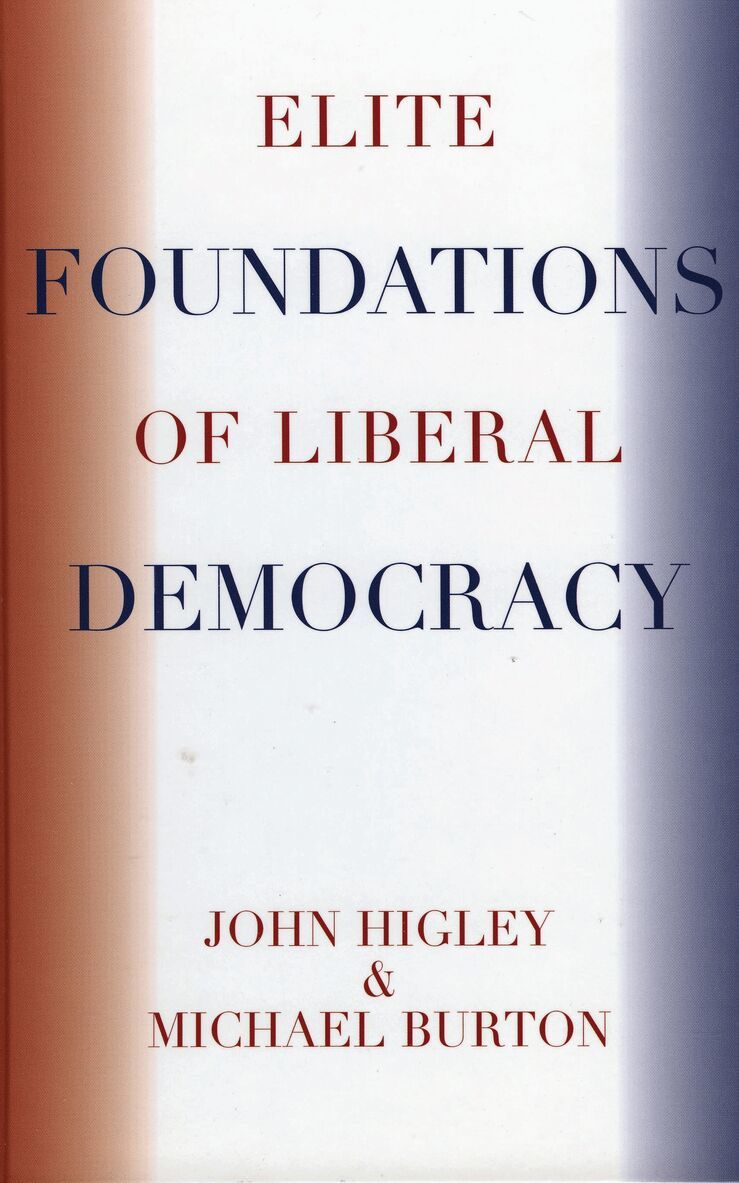
This compelling and convincing study represents the culmination of the authors' several decades of research on the pivotal role played by elites in the success or failure of political regimes. Revising the classical theory of elites and politics, John Higley and Michael Burton distinguish basic types of elites and associated political regimes. They canvas political change during the modern historical and contemporary periods to identify circumstances and ways in which the sine qua non of liberal democracy, a consensually united elite, has formed and persisted. The book considers an impressive body of cases, examining how consensually united elites have fostered forty-five liberal democracies and how disunited or ideologically united elites have thus far prevented liberal democracy in more than one hundred other countries. The authors argue that obstacles to the emergence of elites propitious for liberal democracy are more formidable than democratization enthusiasts recognize. They assess prospects for the transformation of disunited and ideologically united elites where they now exist, ask whether current challenges to Western liberal democracies will undermine their consensually united elites, and explore what the rise of the distinctive elite clustered around George W. Bush may portend for America's liberal democracy. The authors' powerful and important argument reframes our thinking about liberal democracy and questions optimistic assumptions about the prospects for its spread in the twenty-first century.
568 kr
Skickas inom 10-15 vardagar
This compelling and convincing study represents the culmination of the authors' several decades of research on the pivotal role played by elites in the success or failure of political regimes. Revising the classical theory of elites and politics, John Higley and Michael Burton distinguish basic types of elites and associated political regimes. They canvas political change during the modern historical and contemporary periods to identify circumstances and ways in which the sine qua non of liberal democracy, a consensually united elite, has formed and persisted. The book considers an impressive body of cases, examining how consensually united elites have fostered forty-five liberal democracies and how disunited or ideologically united elites have thus far prevented liberal democracy in more than one hundred other countries. The authors argue that obstacles to the emergence of elites propitious for liberal democracy are more formidable than democratization enthusiasts recognize. They assess prospects for the transformation of disunited and ideologically united elites where they now exist, ask whether current challenges to Western liberal democracies will undermine their consensually united elites, and explore what the rise of the distinctive elite clustered around George W. Bush may portend for America's liberal democracy. The authors' powerful and important argument reframes our thinking about liberal democracy and questions optimistic assumptions about the prospects for its spread in the twenty-first century.
742 kr
Skickas inom 10-15 vardagar
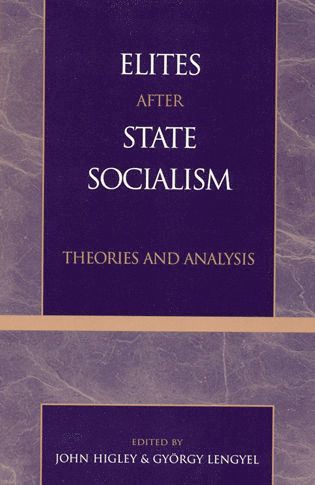
This distinctive book presents valuable new research on the political and economic elites that have emerged in Central and Eastern Europe since the demise of state socialism. Integrating theoretically informed analysis with fresh empirical data, the contributors significantly enhance our understanding of the evolution and interplay of elites in the post-communist period. Leading experts explore the elite circulations, differentiations, and competitions that now underpin— but in some countries also still inhibit—democratic stability and economic growth. A provocative concluding chapter assesses the century-long confrontation between elite theory and Marxism and where they stand today, after state socialismOs collapse.