Emerald Studies in Dealth and Culture Book Set (2018-2019) – serie
Visar alla böcker i serien Emerald Studies in Dealth and Culture Book Set (2018-2019). Handla med fri frakt och snabb leverans.
4 produkter
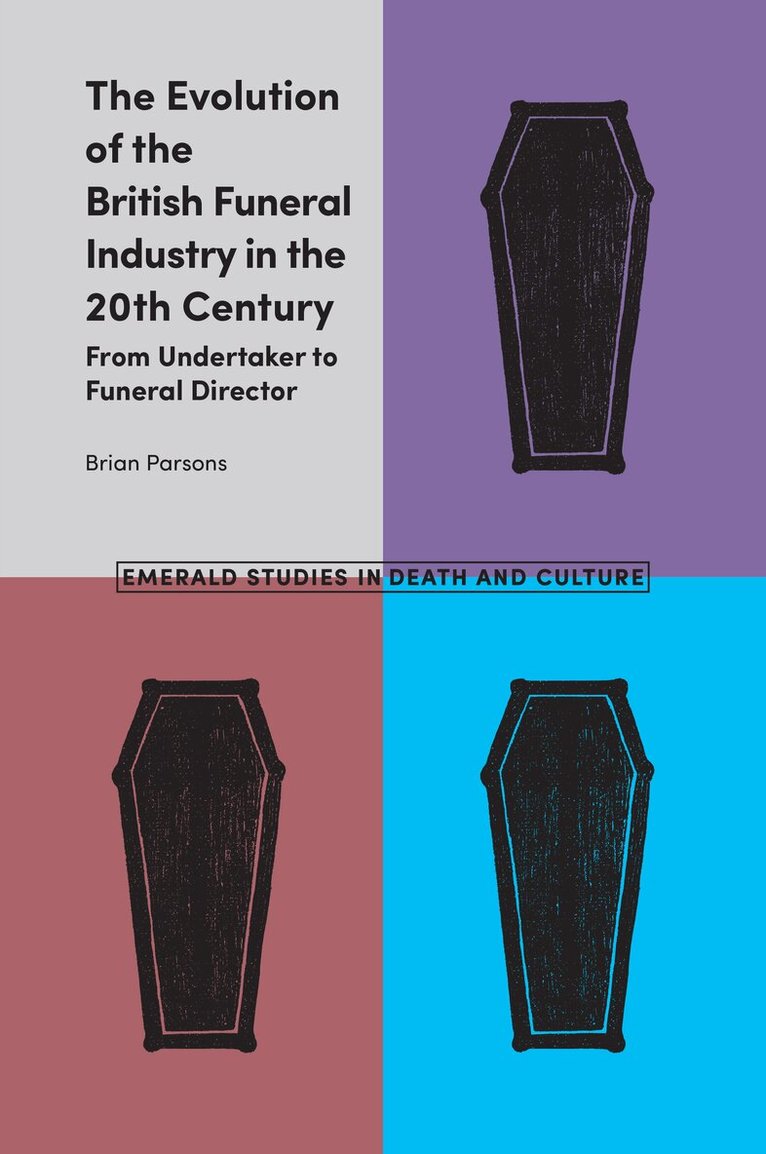
Evolution of the British Funeral Industry in the 20th Century
From Undertaker to Funeral Director
Inbunden, 2018
1011 kr
Lägg i varukorg
The Evolution of the British Funeral Industry in the 20th Century examines the shifts that have taken place in the funeral industry since 1900, focusing on the figure of the undertaker and exploring how organisational change and attempts to gain recognition as a professional service provider saw …
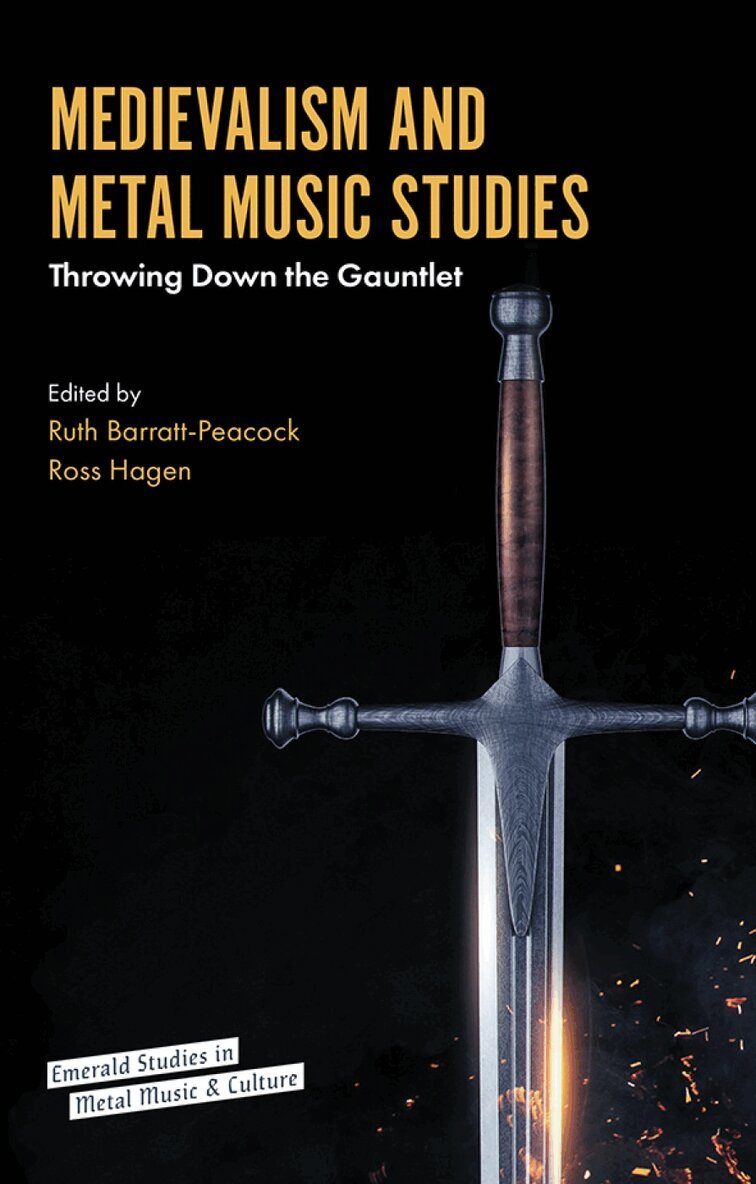
Medievalism and Metal Music Studies
Throwing Down the Gauntlet
Av Ruth Barratt-Peacock, Ross Hagen
Inbunden, 2019
1056 kr
Lägg i varukorg
Metal music has long nurtured an obsession with visions of the Middle Ages, with countless album covers and lyric sheets populated by Vikings, knights, wizards, and castles. Medievalism and Metal Music Studies: Throwing down the Gauntlet addresses this fascination with all things medieval, …
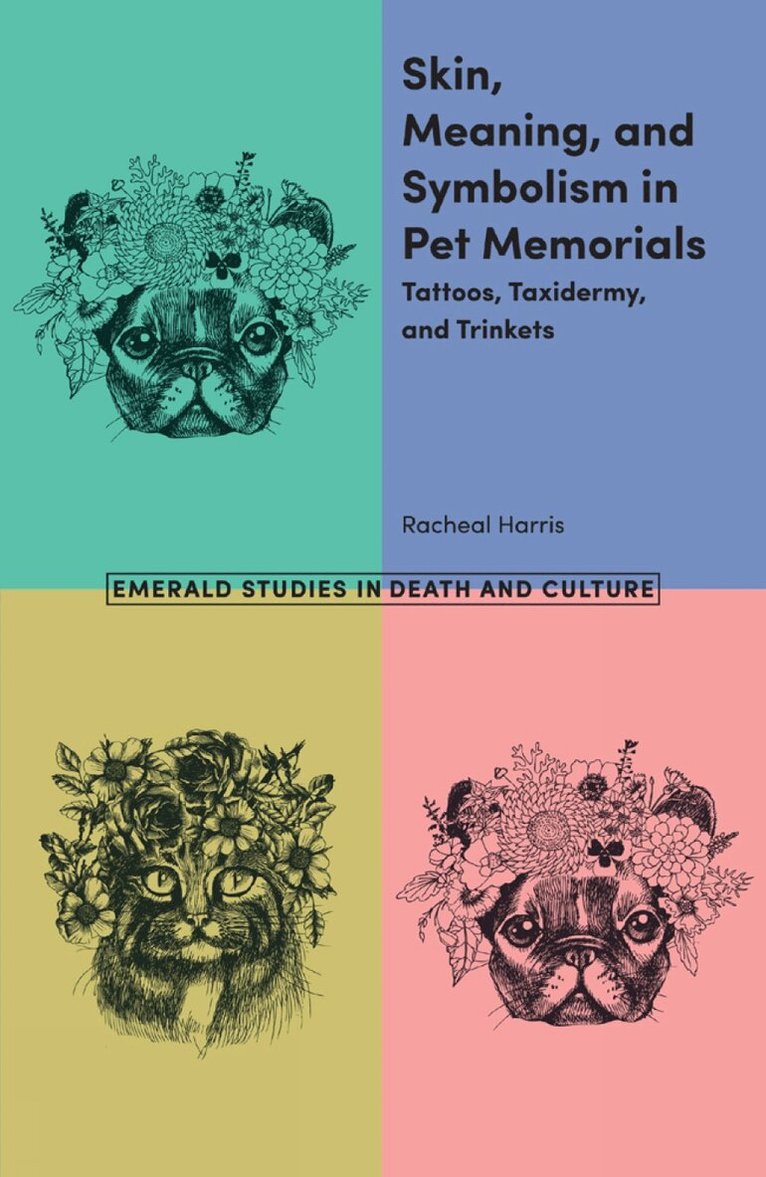
Skin, Meaning, and Symbolism in Pet Memorials
Tattoos, Taxidermy, and Trinkets
Av Racheal Harris, Ruth Penfold-Mounce
Häftad, 2019
649 kr
Lägg i varukorg
In response to increased academic interest in the fields of death studies, memorial studies, and human and animal studies, Skin, Meaning and Symbolism in Pet Memorials examines the mourning rituals which exist between people and their domestic pets. Paying close attention to the changing role and …
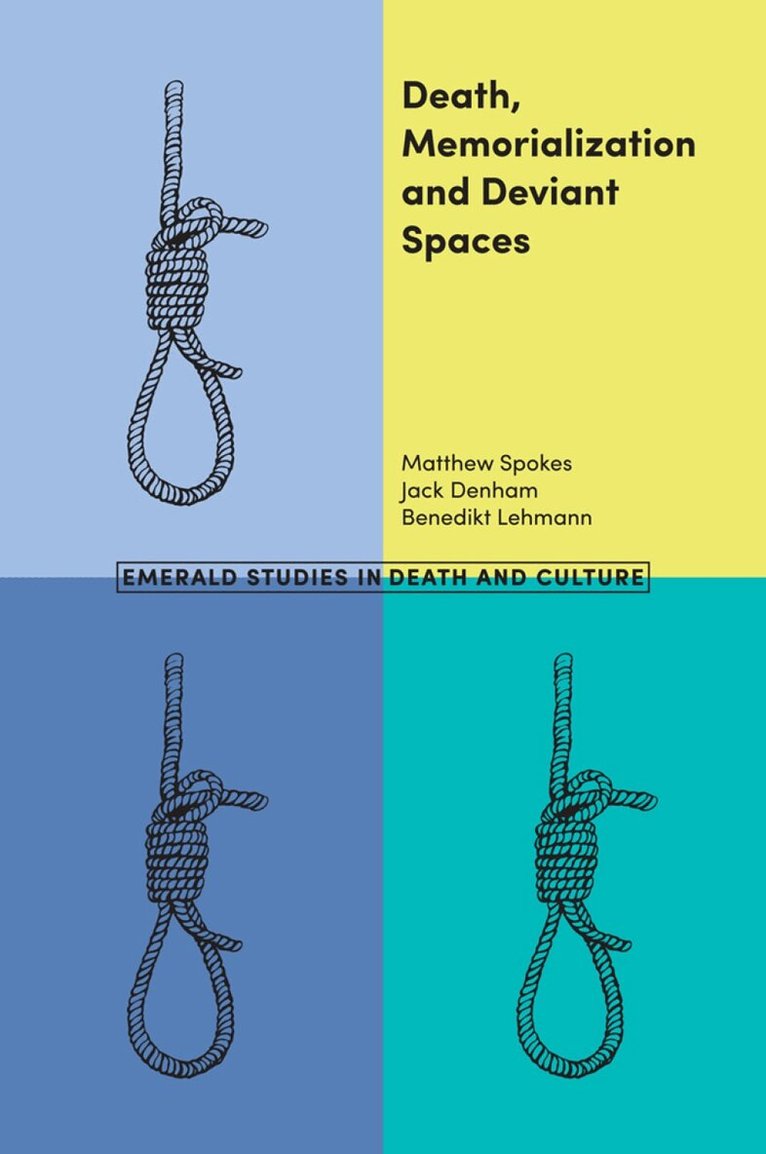
Death, Memorialization and Deviant Spaces
Av Matthew Spokes, Jack Denham m. fl.
Häftad, 2018
690 kr
Lägg i varukorg
This book offers an ethnographic exploration of three sites of infamous atrocity and their differing memorialization. ‘Dark tourism’ research has studied the consumerization of spaces associated with death and barbarity, whilst ‘difficult heritage’ has looked at politicized, national debates that …