Ethnic Studies Revival – serie
Visar alla böcker i serien Ethnic Studies Revival. Handla med fri frakt och snabb leverans.
3 produkter
3 produkter
Häftad, Engelska, 2025
502 kr
Skickas inom 5-8 vardagar
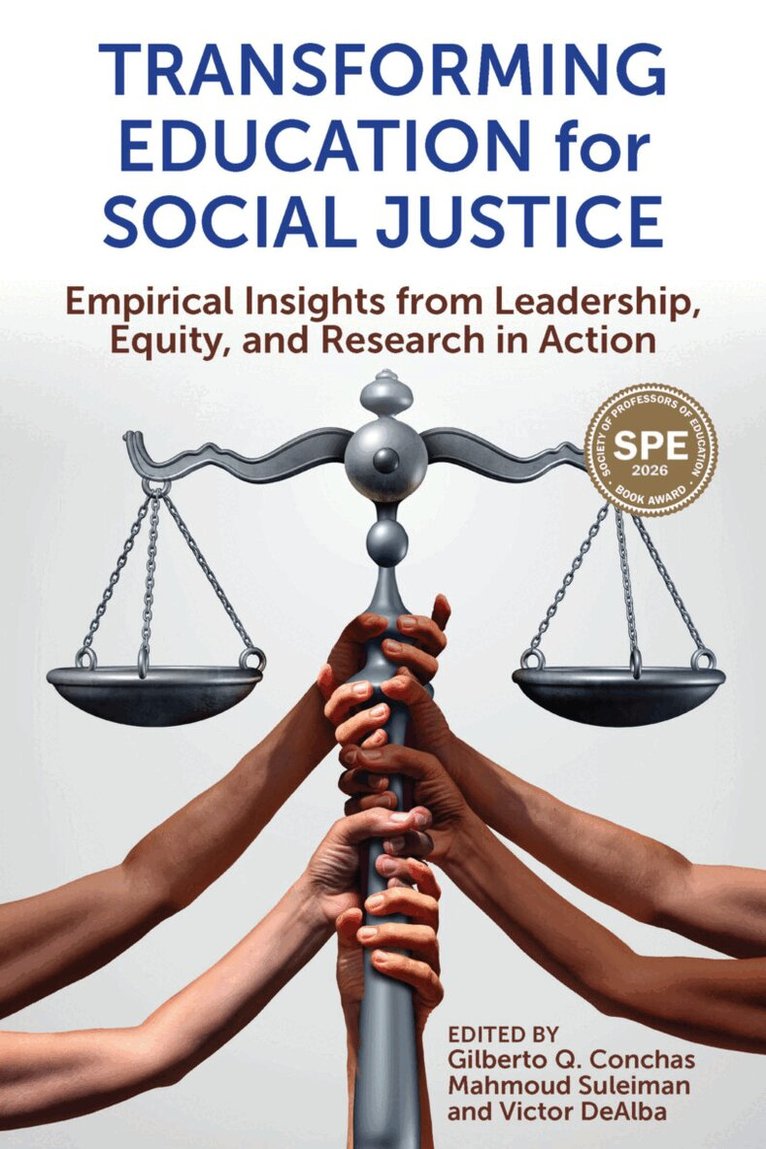
Transforming Education for Social Justice: Empirical Insights from Leadership, Equity, and Research in Action is a powerful anthology that brings together a collection of articles originally published in the Journal of Leadership, Equity, and Research (JLER). These chapters reflect a shared commitment to confronting systemic inequities and transforming PreK–12 and higher education through critical scholarship, equity-minded leadership, and community collaboration. As part of the Myers Education Press Ethnic Studies Revival Series, this volume is organized around three central themes: the role of educational leadership and transformative research for education reform and student empowerment, countering inequitable disciplinary practices through alternative and transformative approaches, the importance of student voice and activism for promoting equity and social justice. Together, these themes offer a framework for reimagining schools as spaces of resistance, healing, and liberation. In an era marked by heightened attacks on ethnic studies and diversity initiatives, Transforming Education for Social Justice offers timely empirical insights that support inclusive, justice-centered educational practices. The chapters draw on culturally responsive pedagogy, restorative justice, critical race theory, and decolonial frameworks to provide both a critique of existing structures and a vision for what is possible. This volume is an essential resource for scholars, educators, and policymakers committed to equity and social transformation. It is especially well-suited for use in Ethnic Studies, Educational Leadership, Teacher Preparation, and Social Justice Education courses.
Häftad, Engelska, 2025
463 kr
Skickas inom 5-8 vardagar
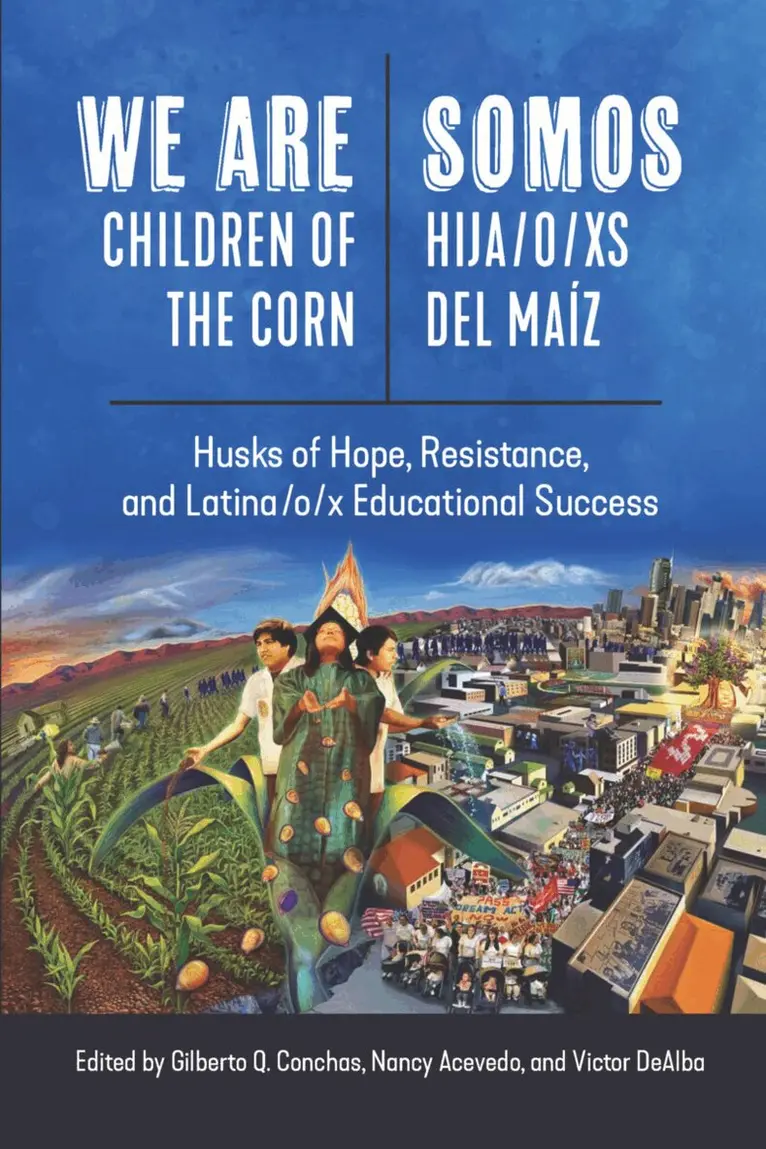
We Are Children of the Corn/Somos Hija/os del Maíz: Husks of Hope, Resistance, and Latina/o Educational Success is a collection of empirical studies that explores the complex and multi-faceted journeys of Latina/o/x students. With maíz (corn) as the guiding symbol, this book incorporates indigenous teachings and knowledge to highlight the pillars and resources of support—referred to as "husks"—that nurture Latina/o students' growth, resilience, and achievement as they navigate the U.S. schooling system. This anthology offers examples that underscore the role of schools, families, and communities in shaping Latina/o students' trajectories from pre-K to higher education. The volume builds upon the parent book, The Chicana/o/x Dream, by examining the intersectional experiences of Latina/o students in varied educational contexts, the resources they access within educational spaces, and their familial and community support systems. Using the Framework of Atravesada/o/xs Nepantleando (FAN), the authors in this anthology illustrate how Latina/o students become nepantlera/os—change agents who create and foster diverse cultural spaces and advocate for transformation. The book is organized around three themes: planting seeds to foster college access, cultivating students to foster college readiness, and harvesting to support college completion. Through these themes, the volume aims to empower educators, researchers, and policymakers to foster diverse, equitable, and inclusive school and community spaces that amplify Latina/o student voice and center their experiences. We Are Children of the Corn/Somos Hija/os del Maíz is a valuable contribution to the scholarship on the Latina/o/x student experience in the United States. It is the perfect text for a variety of courses in Ethnic Studies and Cultural Studies.
Häftad, Engelska, 2026
508 kr
Kommande
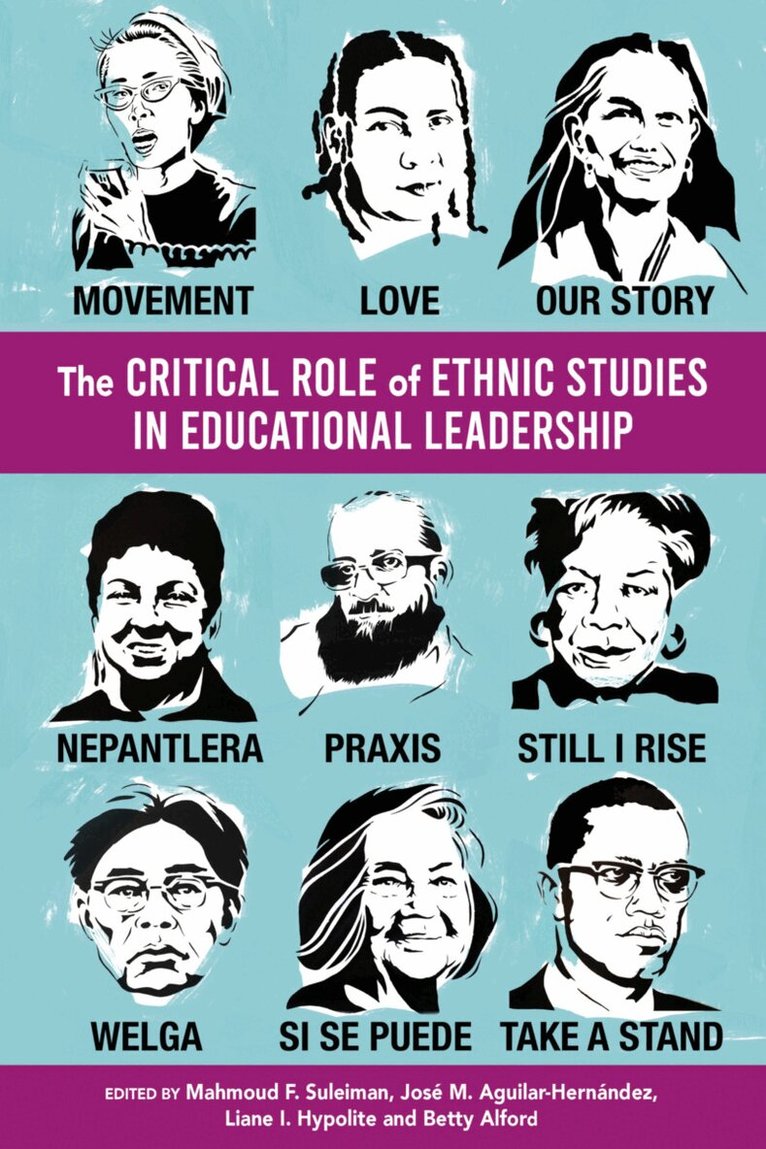
The Critical Role of Ethnic Studies in Educational Leadership addresses the urgency of having equity-minded and globally-oriented transformative leaders who seek to empower students and teachers alike through their commitment to integrate ethnically and culturally rich curriculum and instruction in today's schools. The ethnic studies revival movement has emerged to combat the cycles of ignorance affecting society in negative ways. Unless educational leaders possess relevant cultural and ethnic proficiency, have global perspectives, and are eager to lead by example, educators will continue to flounder about the best ways to cultivate pluralism in American schools. Moreover, shifts in mindsets toward ethnically and culturally relevant school learning and teaching culture are needed for leaders to ensure that they not only have the knowledge and skill, but also the courage and will to reform schools through an inclusive and comprehensive approach based on the axioms of ethnic studies education in the K-20 settings. To amplify the importance and interconnected pathway that exists across these policies that bridge high schools, community colleges, and state universities, this volume details how educational leaders in California are continuing to advance social justice through the implementation of Ethnic Studies and the role that educational leadership—including credential, masters, and doctoral programs—can play in the full attainment of the goals for ethnic studies implementation. The lessons learned in California are relevant across the nation and around the world. As Ethnic Studies has expanded across PK-12 and higher education contexts, extant studies have both quantitatively and qualitatively detailed how participation in quality Ethnic Studies courses and programs in and out of schools can improve many student outcomes such as engagement, critical thinking, and achievement, as well as attendance, increased GPAs, and graduation rates. The work to effectively implement Ethnic Studies requires strong leadership, including students, teachers, community leaders, and site and district level administrators. The Critical Role of Ethnic Studies in Educational Leadership is an important book that appeals to a variety of readers. Those interested in a deeper understanding of Ethnic Studies will find the book will better inform them. Educational leaders are provided with both the rational and the methodologies for implementing this important concept in curriculum. It is also a valuable teaching resource for a variety of classroom settings. Perfect for courses such as: Intro to Ethnic Studies; Intro to Chicano Studies; Climate & Environmental Justice; Educational Reform; Educational Policy Environments; Theories of Cross-Cultural Education