Evolutionary Studies – serie
Visar alla böcker i serien Evolutionary Studies. Handla med fri frakt och snabb leverans.
11 produkter
11 produkter
Inbunden, Engelska, 2018
2 216 kr
Skickas inom 10-15 vardagar
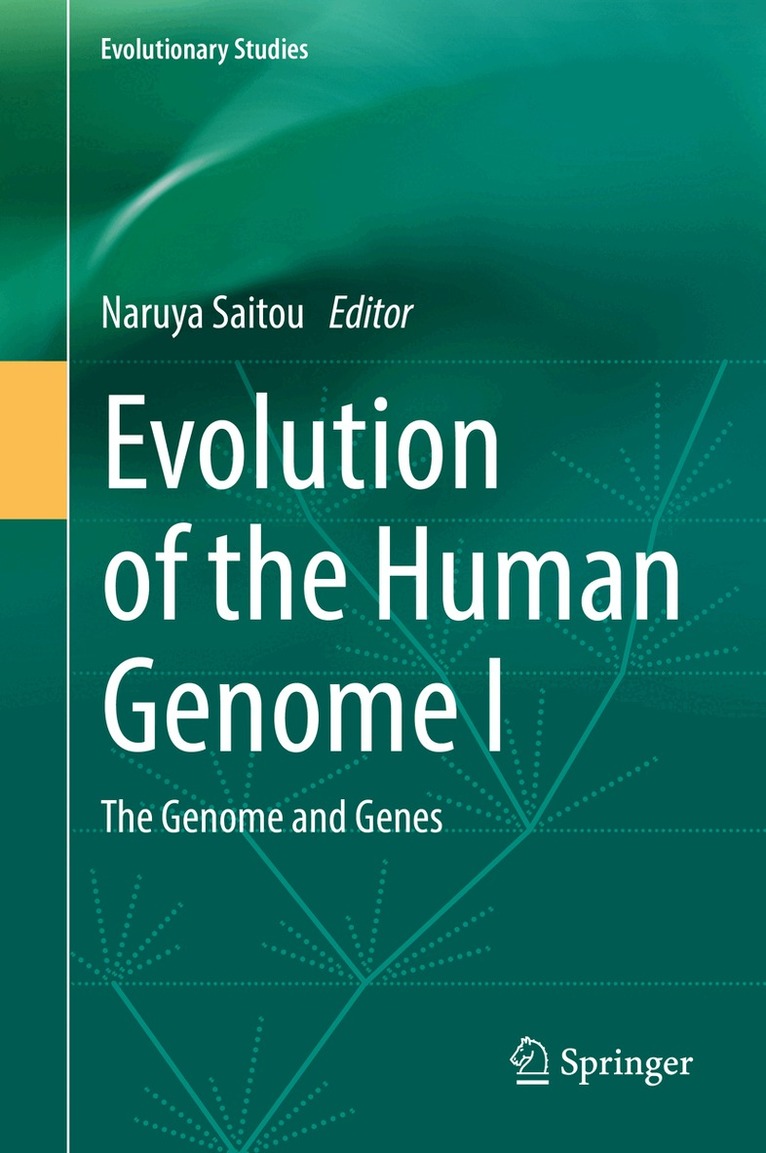
This book reviews the human genome from an evolutionary perspective. No such book has ever been published before, although there are many books on human genomes. There are two parts in this book: Overview of the Human Genome (Part I) and The Human Genome Viewed through Genes (Part II). In Part I, after a brief review of human evolution and the human genome (by Naruya Saitou), chapters on rubbish or junk DNA (by Dan Graur), GC content heterogeneity (by Satoshi Oota), protein coding and RNA coding genes (by Tadashi Imanishi), duplicated genes (by Takashi Kitano), recombinations (by Montanucci and Bertranpetit), and copy number variations including microsatellites (by Naoko Takezaki) are discussed. Readers can obtain various new insights on the human genome from this part. In Part II, genes in X and Y chromosomes (by Yoko Satta and others), HLA genes (by Timothy A. Jinam), opsin genes (by Shoji Kawamura and Amanda D. Melin), genes related to phenotypic variations (by RyosukeKimura), transcription factors (by Mahoko Takahashi and So Nakagawa), diabetes-related genes (by Ituro Inoue), disease genes in general (by Ituro Inoue and Hirofumi Nakaoka), and microbial genomes (by Chaochun Wei) are discussed. The human genome sequences were determined in 2004, and after more than 10 years we are now beginning to understand the human genome from an evolutionary point of view. This book furnishes readers with a good summary of current research in the field.
Häftad, Engelska, 2019
2 216 kr
Skickas inom 10-15 vardagar
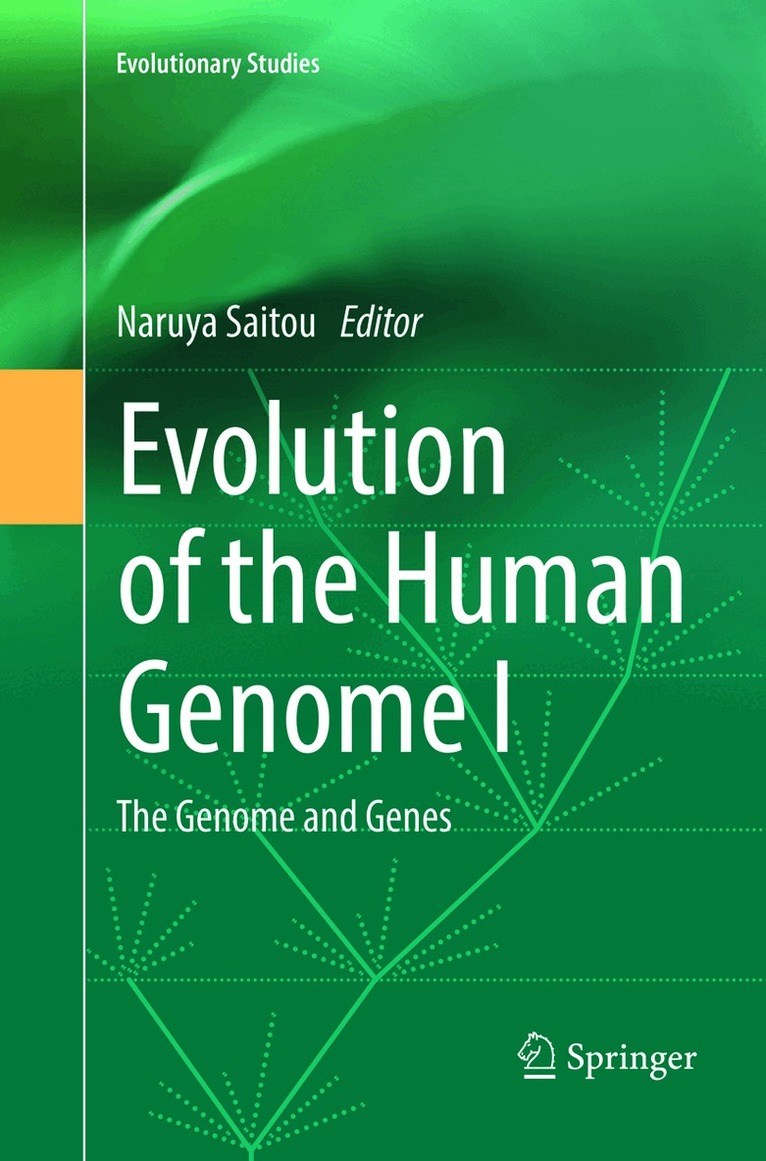
This book reviews the human genome from an evolutionary perspective. No such book has ever been published before, although there are many books on human genomes. There are two parts in this book: Overview of the Human Genome (Part I) and The Human Genome Viewed through Genes (Part II). In Part I, after a brief review of human evolution and the human genome (by Naruya Saitou), chapters on rubbish or junk DNA (by Dan Graur), GC content heterogeneity (by Satoshi Oota), protein coding and RNA coding genes (by Tadashi Imanishi), duplicated genes (by Takashi Kitano), recombinations (by Montanucci and Bertranpetit), and copy number variations including microsatellites (by Naoko Takezaki) are discussed. Readers can obtain various new insights on the human genome from this part. In Part II, genes in X and Y chromosomes (by Yoko Satta and others), HLA genes (by Timothy A. Jinam), opsin genes (by Shoji Kawamura and Amanda D. Melin), genes related to phenotypic variations (by RyosukeKimura), transcription factors (by Mahoko Takahashi and So Nakagawa), diabetes-related genes (by Ituro Inoue), disease genes in general (by Ituro Inoue and Hirofumi Nakaoka), and microbial genomes (by Chaochun Wei) are discussed. The human genome sequences were determined in 2004, and after more than 10 years we are now beginning to understand the human genome from an evolutionary point of view. This book furnishes readers with a good summary of current research in the field.
Inbunden, Engelska, 2021
1 995 kr
Skickas inom 10-15 vardagar
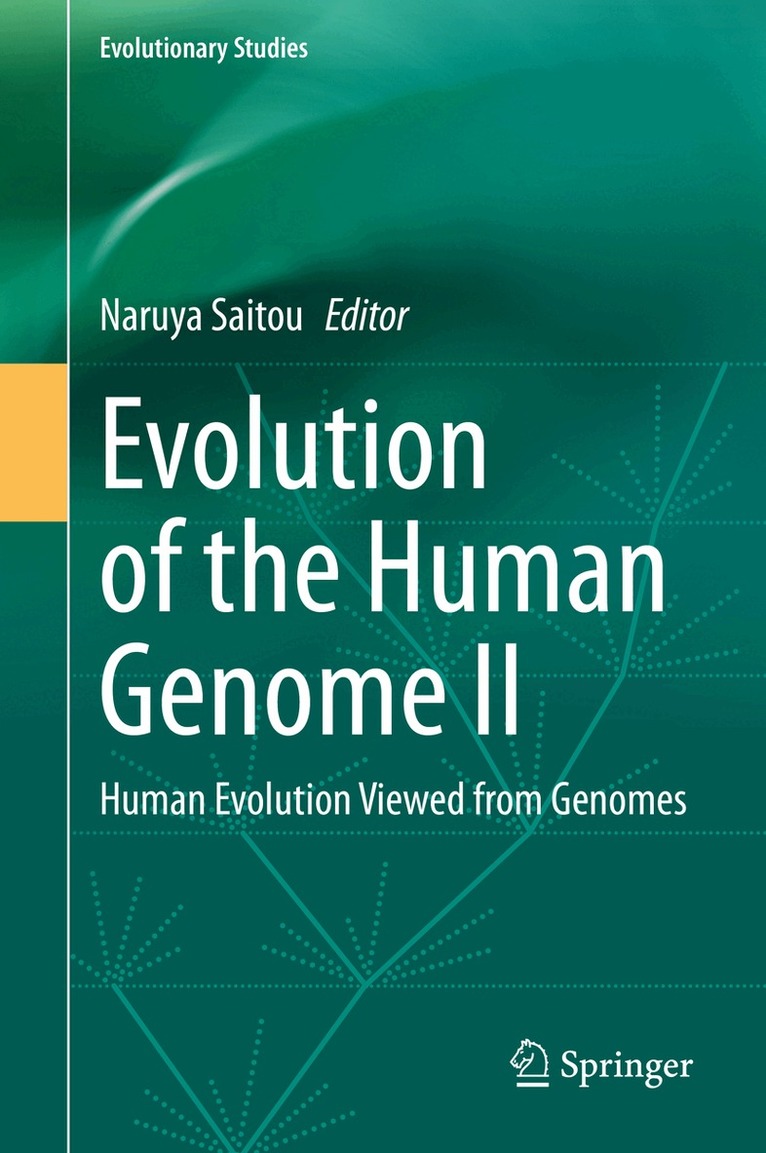
This two-volume set provides a general overview of the evolution of the human genome; The first volume overviews the human genome with descriptions of important gene groups. This second volume provides up-to-date, concise yet ample knowledge on the genome evolution of modern humans. It comprises twelve chapters divided into two parts discussing “Non-neutral Evolution on Human Genes” (Part I) and “Evolution of Modern Human Populations” (Part II.)The most significant feature of this book is the continent-wise discussion of modern human dispersal using human genomic data in Part II. Recent results such as introgression of paleogenomes to modern humans, new methods such as computer simulation of global human dispersals, and new information on genes for humanness will be of particular interest to the readers. Since the euchromatin regions of the human genome was sequenced in 2003, a huge number of research papers were published on modern human evolution for a variety ofpopulations. It is now time to summarize these achievements.This book stands out as the most comprehensive book on the modern human evolution, focusing on genomic points of view with a broad scope. Primary target audiences are researchers and graduate students in evolutionary biology.
Inbunden, Engelska, 2020
1 187 kr
Skickas inom 10-15 vardagar
This book, written by Motoo Kimura (1924–94), is a classic in evolutionary biology. In 1968, Kimura proposed the “neutral theory of molecular evolution”, which became the theoretical basis of modern evolutionary studies. After publishing his work in 1983 in the book “Neutral Theory of Molecular Evolution”, Kimura wrote this book in 1988 for the general public. It was originally written in Japanese and is translated here for the first time. In the book, Kimura first summarizes the development of evolutionary theory since Lamarck and Darwin. He then shows how the search for mechanisms of evolution developed into population genetics and describes how the study of molecular evolution matured by taking in the fruits of molecular biology. Kimura proceeds to carefully explain his neutral evolution theory at the molecular level. Finally, he presents his view of the world from an evolutionary perspective. The book has long served as an in-depth introduction to evolutionarybiology for students and young researchers in Japan. There has been remarkably rapid progress in the field of bioscience at the molecular level over the past 30 years. Nevertheless, the book remains an important contribution that laid the foundations for what followed in molecular evolutionary studies.
Häftad, Engelska, 2021
1 187 kr
Skickas inom 10-15 vardagar
This book, written by Motoo Kimura (1924–94), is a classic in evolutionary biology. In 1968, Kimura proposed the “neutral theory of molecular evolution”, which became the theoretical basis of modern evolutionary studies. After publishing his work in 1983 in the book “Neutral Theory of Molecular Evolution”, Kimura wrote this book in 1988 for the general public. It was originally written in Japanese and is translated here for the first time. In the book, Kimura first summarizes the development of evolutionary theory since Lamarck and Darwin. He then shows how the search for mechanisms of evolution developed into population genetics and describes how the study of molecular evolution matured by taking in the fruits of molecular biology. Kimura proceeds to carefully explain his neutral evolution theory at the molecular level. Finally, he presents his view of the world from an evolutionary perspective. The book has long served as an in-depth introduction to evolutionarybiology for students and young researchers in Japan. There has been remarkably rapid progress in the field of bioscience at the molecular level over the past 30 years. Nevertheless, the book remains an important contribution that laid the foundations for what followed in molecular evolutionary studies.
Inbunden, Engelska, 2022
1 616 kr
Skickas inom 10-15 vardagar
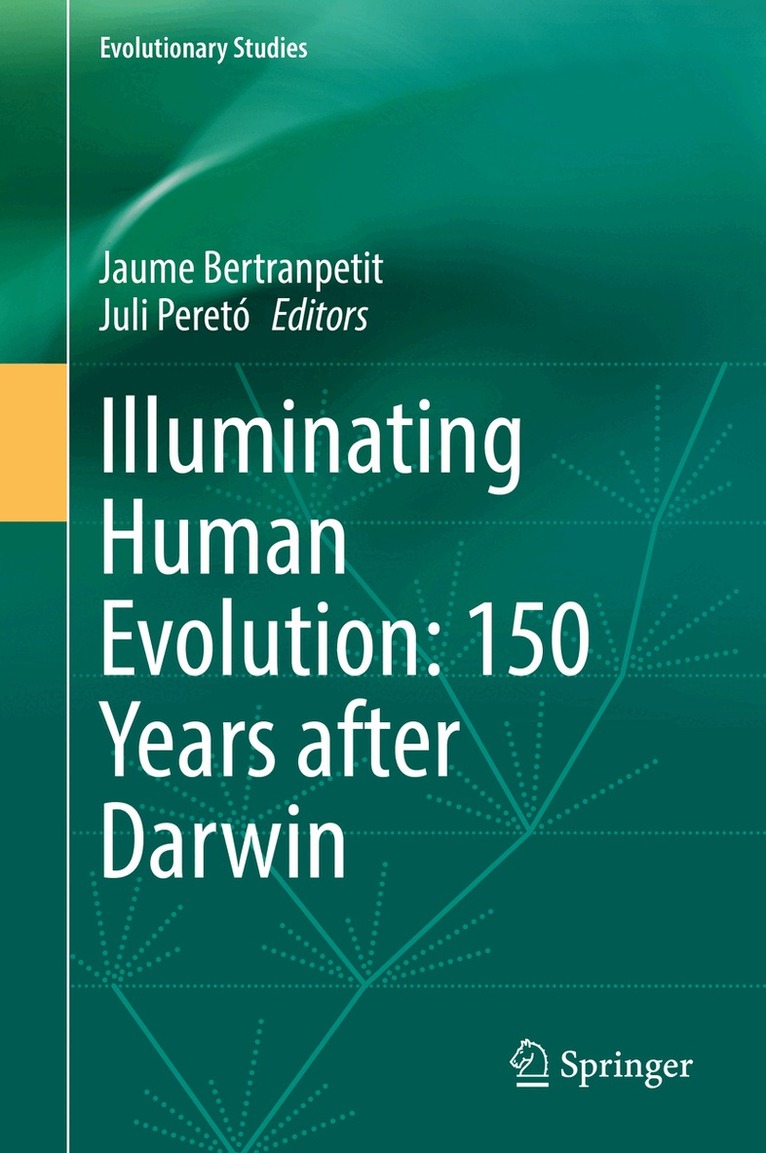
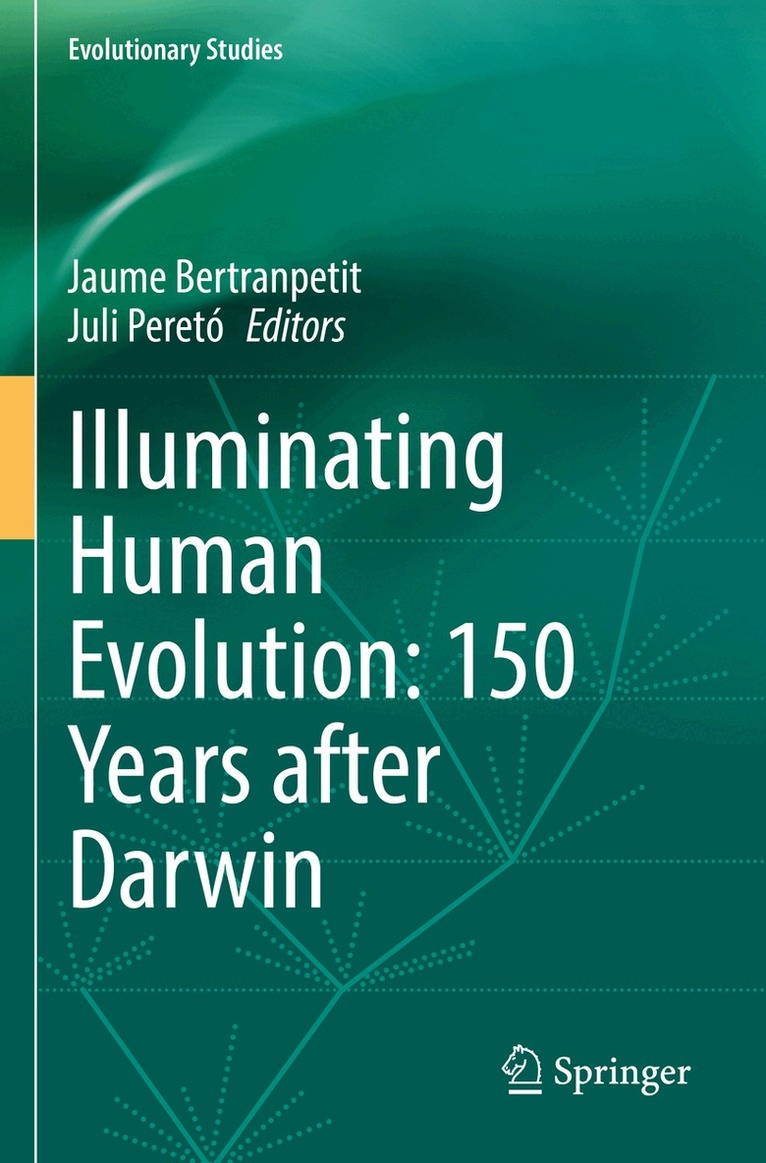
This book presents a series of perspectives showing the current knowledge about human evolution. On the occasion of the 150th anniversary of Darwin's book, The Descent of Man, and Selection in Relation to Sex, in which he explicitly addresses the natural origin of the human species, this collective work reviews current and diverse aspects of human evolution: from psychology, linguistics, genomics, paleontology, artistic expression or sexual selection. It also offers a historical, social and ideological context of what is often considered to be Darwin's second great work after The Origin of Species.Although current research is concentrated largely on fossils and genomes, this book also deals with the main points Darwin centered his attention on; comparative morphology and psychology, and sexual selection. It also covers other new aspects, such as the origin of art, social structure and social learning. With contributions from leading experts in their respective fields, the book guides readers to the study of the social context of Darwin and his time, and the state of the art of studies on human evolution and sexual selection, considering all aspects that Darwin examined, including those that emerged later and now are important disciplines in our understanding of our own evolution.The English translation of parts of this book from its Spanish original manuscript was done with the help of artificial intelligence (machine translation by the service DeepL.com). A subsequent human revision was done primarily in terms of content.
Häftad, Engelska, 2023
1 616 kr
Skickas inom 10-15 vardagar
This book presents a series of perspectives showing the current knowledge about human evolution. On the occasion of the 150th anniversary of Darwin's book, The Descent of Man, and Selection in Relation to Sex, in which he explicitly addresses the natural origin of the human species, this collective work reviews current and diverse aspects of human evolution: from psychology, linguistics, genomics, paleontology, artistic expression or sexual selection. It also offers a historical, social and ideological context of what is often considered to be Darwin's second great work after The Origin of Species.Although current research is concentrated largely on fossils and genomes, this book also deals with the main points Darwin centered his attention on; comparative morphology and psychology, and sexual selection. It also covers other new aspects, such as the origin of art, social structure and social learning. With contributions from leading experts in their respective fields, the book guides readers to the study of the social context of Darwin and his time, and the state of the art of studies on human evolution and sexual selection, considering all aspects that Darwin examined, including those that emerged later and now are important disciplines in our understanding of our own evolution.The English translation of parts of this book from its Spanish original manuscript was done with the help of artificial intelligence (machine translation by the service DeepL.com). A subsequent human revision was done primarily in terms of content.
Inbunden, Engelska, 2024
1 509 kr
Skickas inom 10-15 vardagar
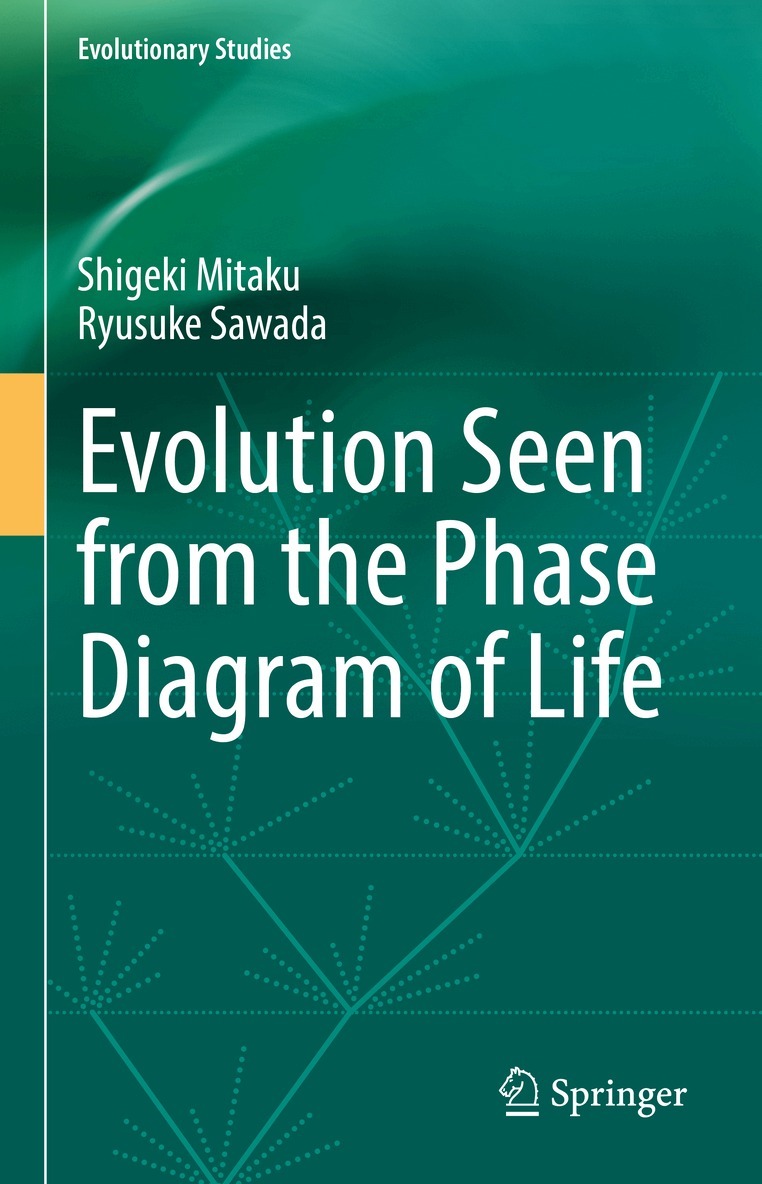
This book aims to understand biological evolution through a physical approach, focusing on the macroscopic aspects of the biological genome. Readers will discover the connection between genomic information and the harmony of biological systems, a relationship that remains elusive to many researchers in biological sciences.The most common approach to understanding living organisms with physics is to begin with a single molecule of an organism. In contrast to this bottom-up approach, building from each molecule to the whole, this book takes a coarse-grained approach at the amino acid level to physically understand the macroscopic aspects of the organism. The book presents a system developed by the authors to predict membrane proteins with high accuracy using only physical parameters. Another distinctive perspective of this book is that it proposes the idea of a physical mechanism, other than natural selection, that orchestrates the emergence of order from random processes.The study of macroscopic aspects of living organisms based on this concept has parallels with thermostatistical mechanics for states of matter. Just as random processes create order in matter, there are physical random processes that form order in living organisms. This analogy is the central theme of the book.Using terms and analogies familiar to physicists, the book bridges the gap between biological and physical sciences. The book focuses on simple principles and is aimed primarily at researchers. While the content of this book is at the boundary area of biophysics, soft matter physics and bioinformatics, it will also be of interest to researchers and graduate students working on any biological topics.
Häftad, Engelska, 2025
1 509 kr
Skickas inom 10-15 vardagar
This book aims to understand biological evolution through a physical approach, focusing on the macroscopic aspects of the biological genome. Readers will discover the connection between genomic information and the harmony of biological systems, a relationship that remains elusive to many researchers in biological sciences.The most common approach to understanding living organisms with physics is to begin with a single molecule of an organism. In contrast to this bottom-up approach, building from each molecule to the whole, this book takes a coarse-grained approach at the amino acid level to physically understand the macroscopic aspects of the organism. The book presents a system developed by the authors to predict membrane proteins with high accuracy using only physical parameters. Another distinctive perspective of this book is that it proposes the idea of a physical mechanism, other than natural selection, that orchestrates the emergence of order from random processes.The study of macroscopic aspects of living organisms based on this concept has parallels with thermostatistical mechanics for states of matter. Just as random processes create order in matter, there are physical random processes that form order in living organisms. This analogy is the central theme of the book.Using terms and analogies familiar to physicists, the book bridges the gap between biological and physical sciences. The book focuses on simple principles and is aimed primarily at researchers. While the content of this book is at the boundary area of biophysics, soft matter physics and bioinformatics, it will also be of interest to researchers and graduate students working on any biological topics.
Inbunden, Engelska, 2024
2 152 kr
Skickas inom 5-8 vardagar
This book offers a comprehensive understanding of the natural history of the Japanese Archipelago (Yaponesia), employing cutting-edge genomic research to provide insights into the prehistory in this region. It provides an in-depth exploration of the genetic makeup of domesticated plants and animals in the Japanese Archipelago, including their relationships with neighboring regions in Asia. The book is unique in its comprehensive approach, weaving together the latest genomic research, historical records, and linguistic analysis to provide a detailed understanding of the past.The book covers the development of Japanese society and culture from the Jomon era to the present day. It discusses the animal and plant diversity of the country, including their distribution, evolution, and interaction with human society and culture. The linguistic distributions of related terms are also explored.Using the latest genomic research, the book offers a fresh perspective on the past and present of the Japanese Archipelago, providing a comprehensive understanding of the natural and cultural history of the Japanese Archipelago. It is a valuable resource for professionals and academics in genomics, archaeology, and linguistics, as well as general readers interested in Japanese history, culture, and the environment.
Häftad, Engelska, 2025
2 152 kr
Skickas inom 10-15 vardagar
This book offers a comprehensive understanding of the natural history of the Japanese Archipelago (Yaponesia), employing cutting-edge genomic research to provide insights into the prehistory in this region. It provides an in-depth exploration of the genetic makeup of domesticated plants and animals in the Japanese Archipelago, including their relationships with neighboring regions in Asia. The book is unique in its comprehensive approach, weaving together the latest genomic research, historical records, and linguistic analysis to provide a detailed understanding of the past.The book covers the development of Japanese society and culture from the Jomon era to the present day. It discusses the animal and plant diversity of the country, including their distribution, evolution, and interaction with human society and culture. The linguistic distributions of related terms are also explored.Using the latest genomic research, the book offers a fresh perspective on the past and present of the Japanese Archipelago, providing a comprehensive understanding of the natural and cultural history of the Japanese Archipelago. It is a valuable resource for professionals and academics in genomics, archaeology, and linguistics, as well as general readers interested in Japanese history, culture, and the environment.