Exploring Geography - Böcker
Visar alla böcker i serien Exploring Geography. Handla med fri frakt och snabb leverans.
10 produkter
10 produkter
1 448 kr
Skickas inom 10-15 vardagar
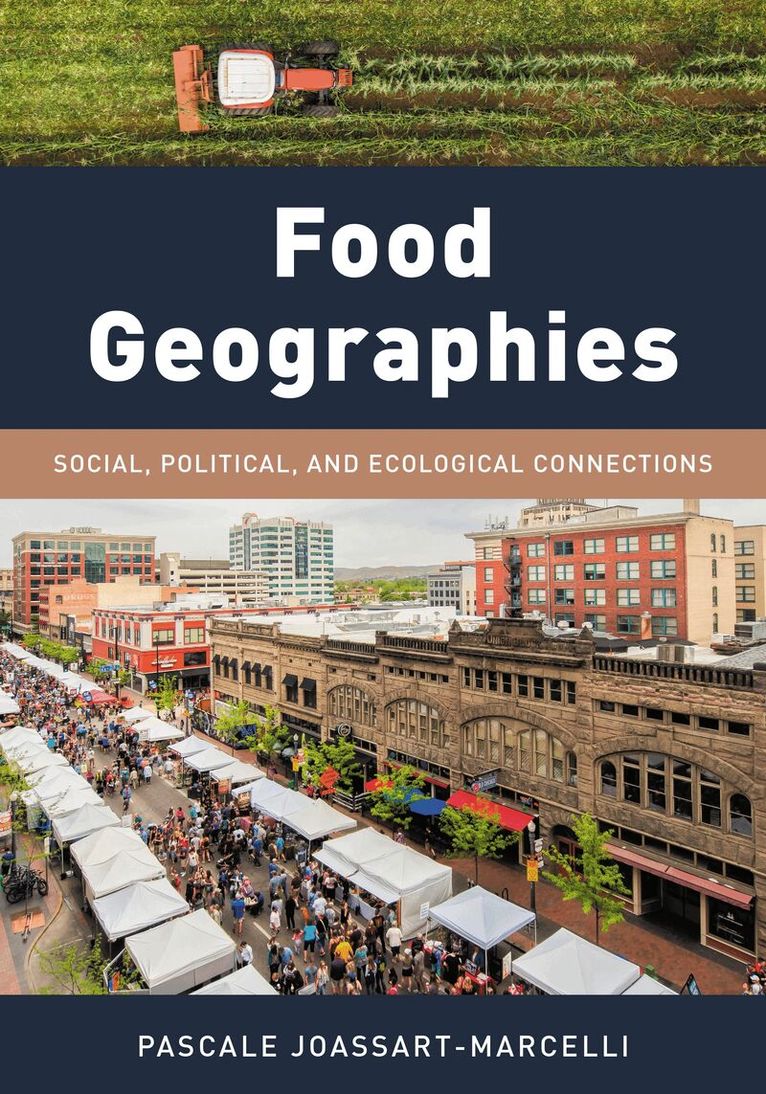
What is the significance of food in our everyday lives? Food Geographies addresses this broad question by examining the social, political, and ecological connections that food weaves between people and places across the world and revealing the centrality of food in the human experience. This interdisciplinary and systemic perspective provides readers with key concepts, analytical tools, and critical skills to better understand and address the many issues facing the contemporary food system, including food insecurity, environmental degradation, climate change, labor exploitation, social inequality, power imbalance in decision making, and threats to health and well-being. It takes readers to places including modern plantations in Peru, collective farms in Tanzania, food halls in France, home kitchens in Japan, community gardens in Brazil, pubs in England, and animal feeding operations in America. By raising important questions about the current system, readers will explore ways to enact meaningful change to build better future food geographies by producing, consuming, and engaging with food differently.
570 kr
Skickas inom 10-15 vardagar
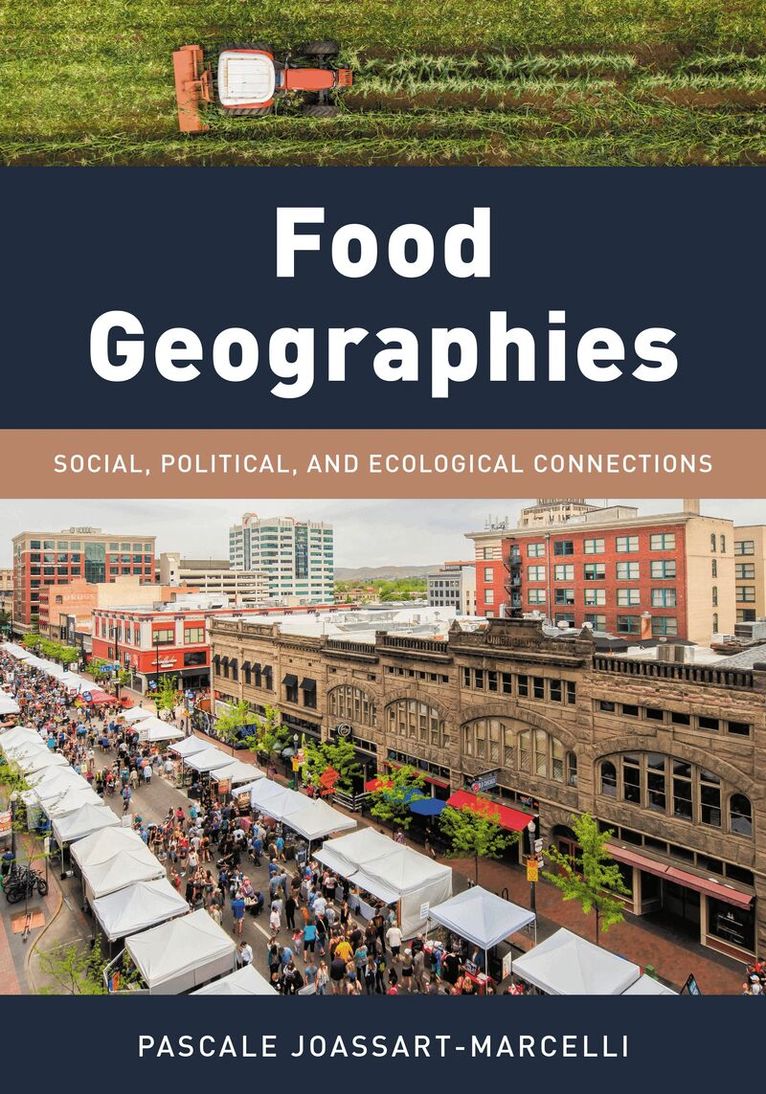
What is the significance of food in our everyday lives? Food Geographies addresses this broad question by examining the social, political, and ecological connections that food weaves between people and places across the world and revealing the centrality of food in the human experience. This interdisciplinary and systemic perspective provides readers with key concepts, analytical tools, and critical skills to better understand and address the many issues facing the contemporary food system, including food insecurity, environmental degradation, climate change, labor exploitation, social inequality, power imbalance in decision making, and threats to health and well-being. It takes readers to places including modern plantations in Peru, collective farms in Tanzania, food halls in France, home kitchens in Japan, community gardens in Brazil, pubs in England, and animal feeding operations in America. By raising important questions about the current system, readers will explore ways to enact meaningful change to build better future food geographies by producing, consuming, and engaging with food differently.
1 476 kr
Skickas inom 10-15 vardagar
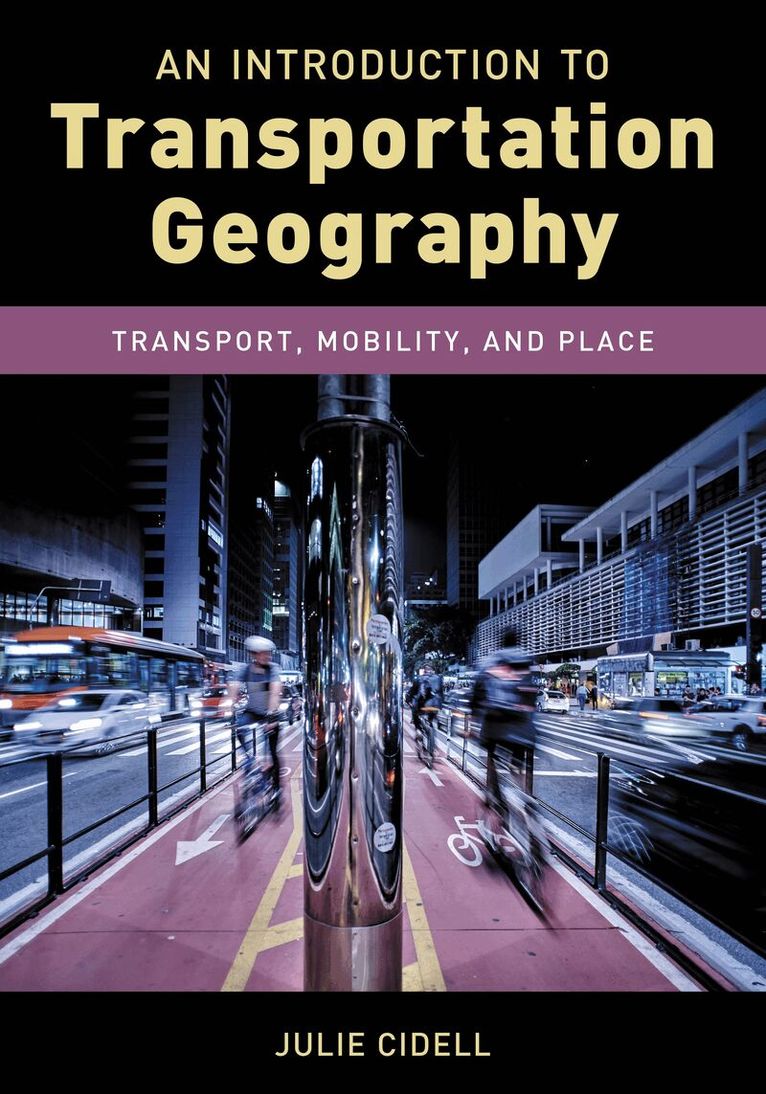
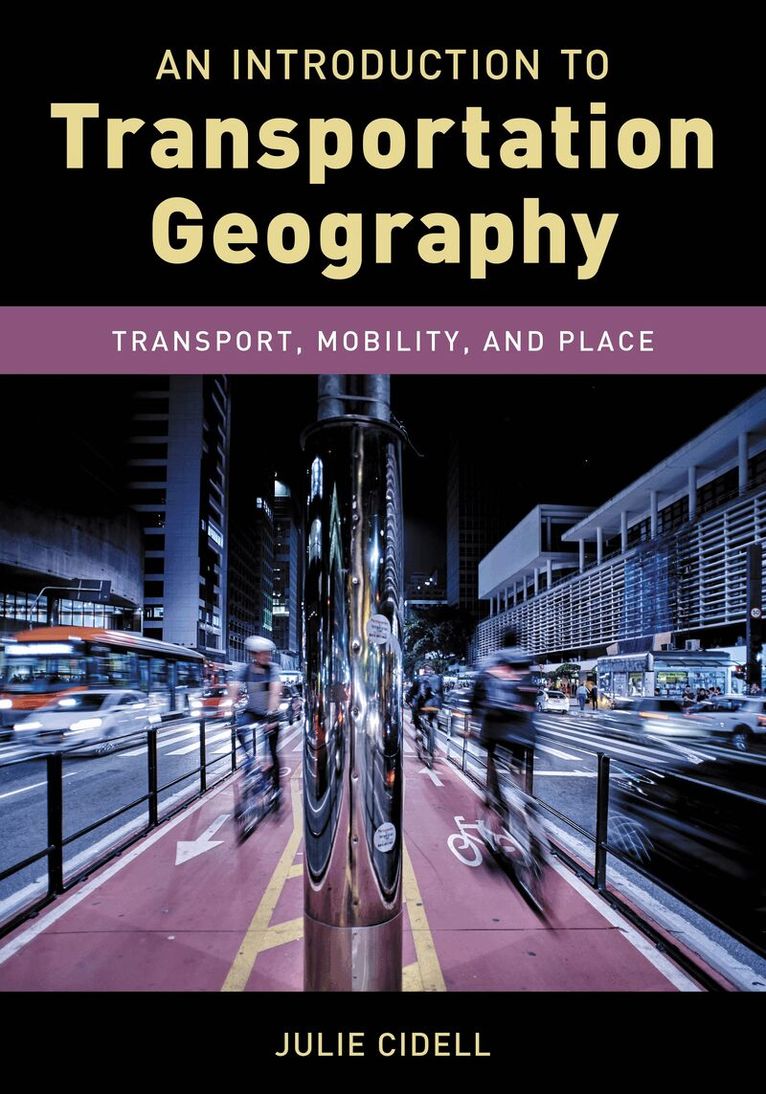
This clear text provides a broad introduction to transportation geography. With an emphasis on the social and political aspects of transport, Julie Cidell takes a multi-scalar approach across multiple modes and places. She covers waterborne transport, starting with logistics systems; aviation and air travel; railroads; roads (including bicycles and pedestrians as well as cars); and public transit. Each mode covers global systems of transportation, how national identities or landscapes are shaped by transport, the impact of regional governance, the local scale and how it integrates with each of these systems, and how individuals and bodies are part of these systems as well. Throughout, Cidell considers the concepts of equity and sustainability in terms of past, present, and possible future transportation systems. She provides historical and current perspectives to help us think about our present situation and how we might work toward more sustainable transport futures.
675 kr
Skickas inom 10-15 vardagar
This clear text provides a broad introduction to transportation geography. With an emphasis on the social and political aspects of transport, Julie Cidell takes a multi-scalar approach across multiple modes and places. She covers waterborne transport, starting with logistics systems; aviation and air travel; railroads; roads (including bicycles and pedestrians as well as cars); and public transit. Each mode covers global systems of transportation, how national identities or landscapes are shaped by transport, the impact of regional governance, the local scale and how it integrates with each of these systems, and how individuals and bodies are part of these systems as well. Throughout, Cidell considers the concepts of equity and sustainability in terms of past, present, and possible future transportation systems. She provides historical and current perspectives to help us think about our present situation and how we might work toward more sustainable transport futures.
1 703 kr
Skickas inom 10-15 vardagar
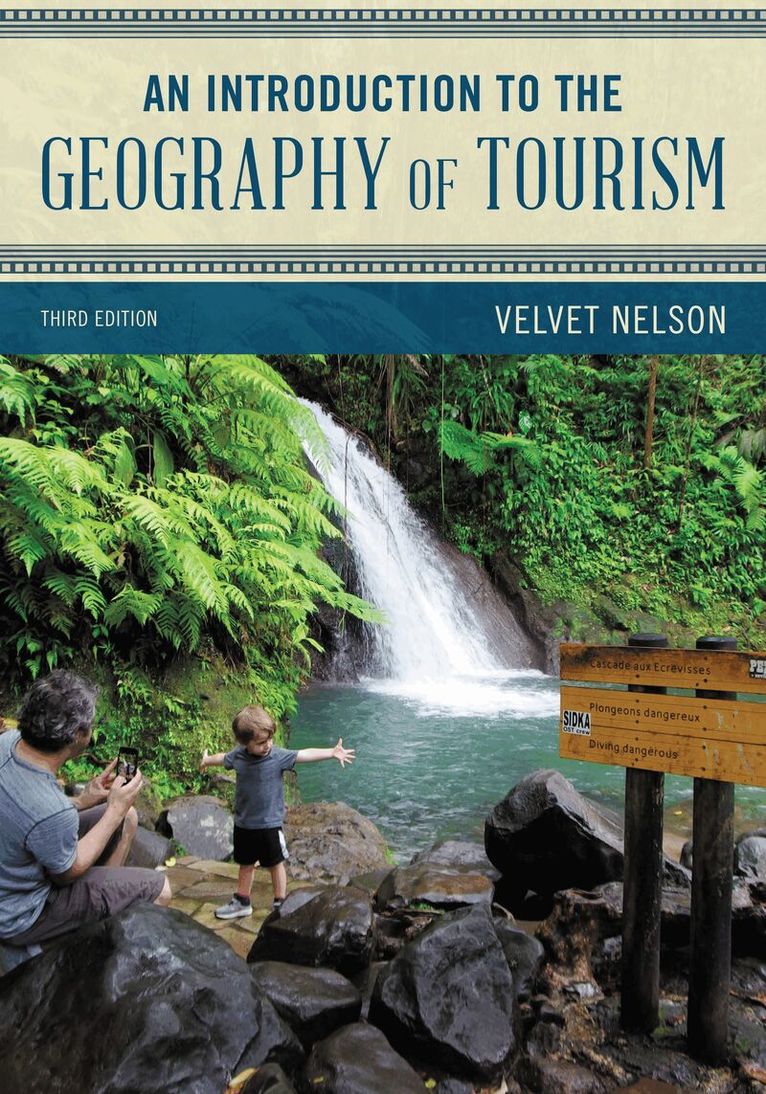
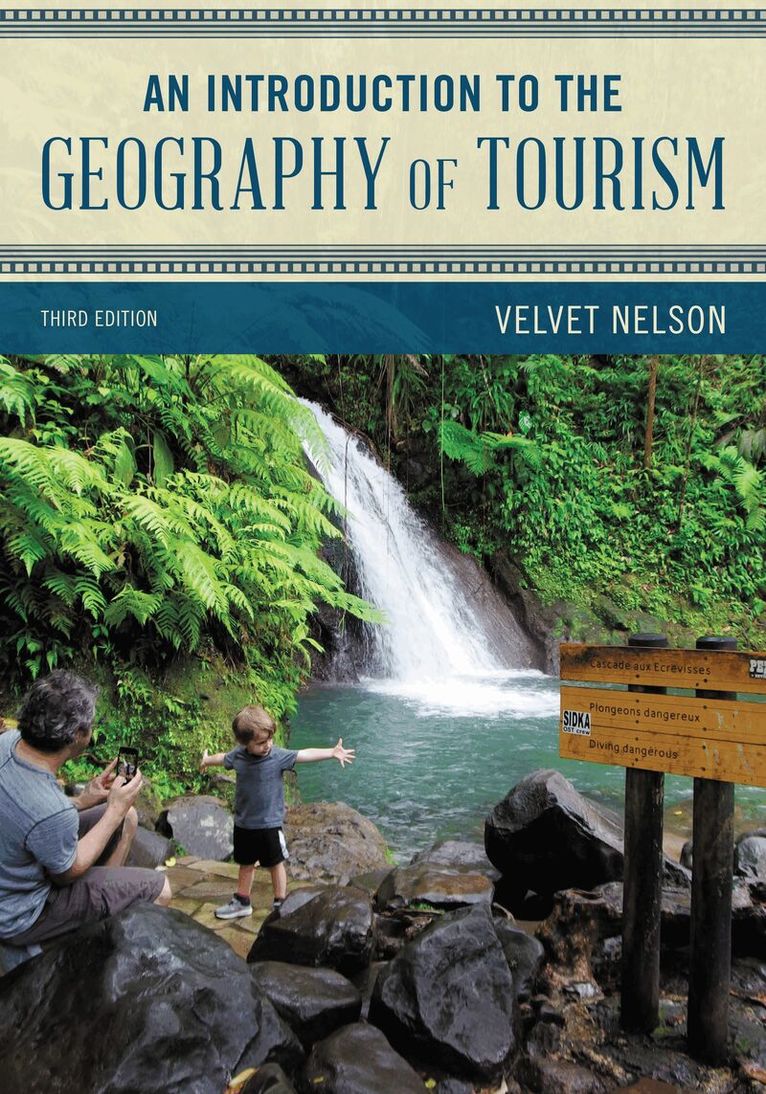
Tourism is an astonishingly complex phenomenon that is becoming an ever-greater part of life in today’s global world. This clear and engaging text introduces students to this vast and diverse subject through the lens of geography, the only field with the breadth to consider all of the aspects, activities, and perspectives that constitute tourism.
942 kr
Skickas inom 10-15 vardagar
Tourism is an astonishingly complex phenomenon that is becoming an ever-greater part of life in today’s global world. This clear and engaging text introduces students to this vast and diverse subject through the lens of geography, the only field with the breadth to consider all of the aspects, activities, and perspectives that constitute tourism.
1 266 kr
Kommande
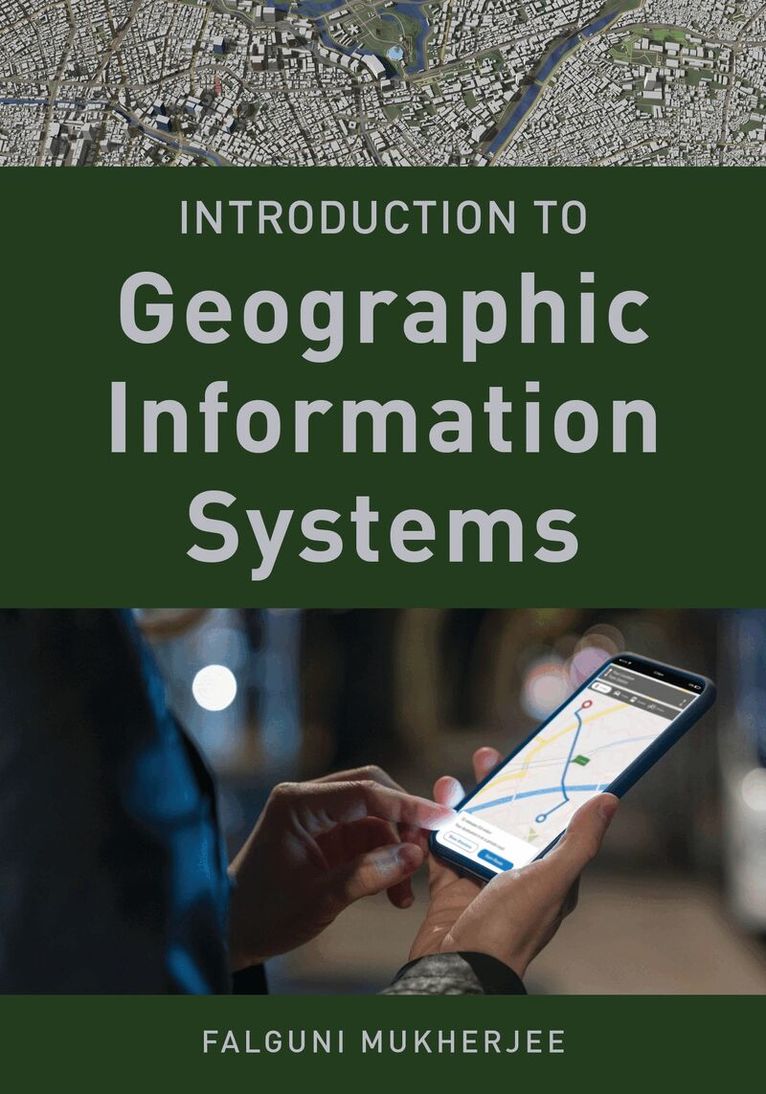
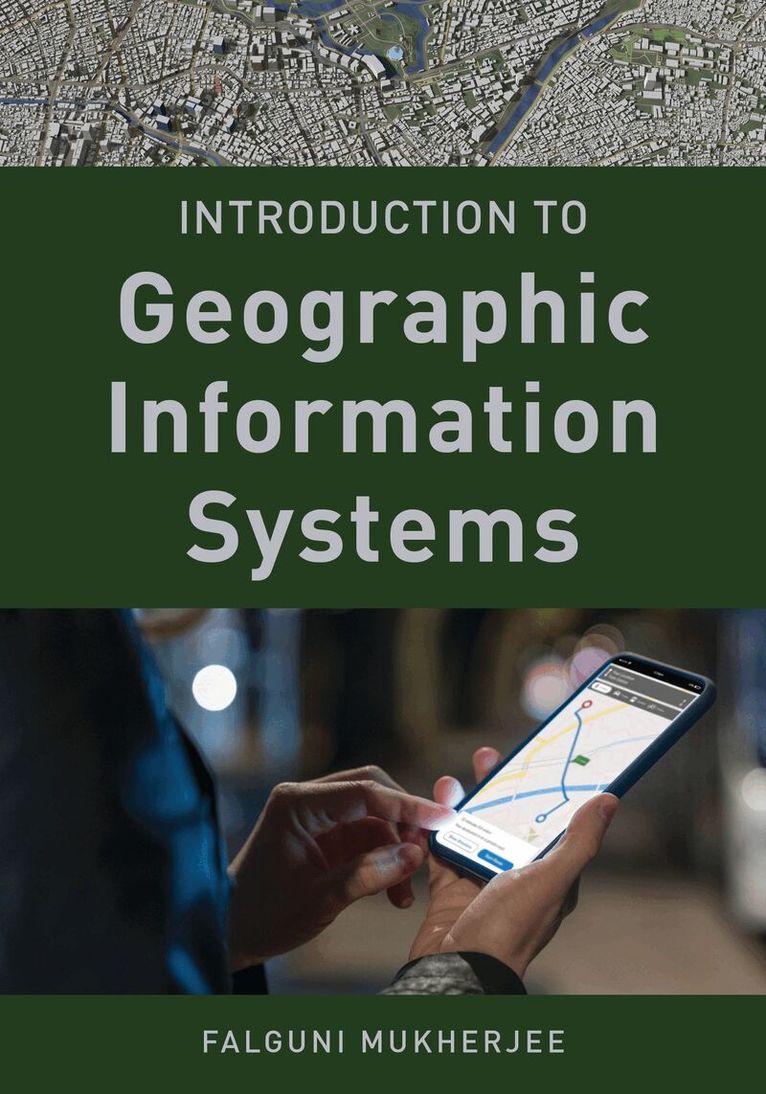
Geographic information systems (GIS) is a rapidly advancing field that has become thoroughly integrated into our society and inseparable from our daily lives. Today, GIS is used by professionals in many different disciplines and fields, such as public health, disaster management, law enforcement, environmental management, resource allocation, forestry, geology, and more. In this full-color textbook, author Falguni Mukherjee equips students with GIS and spatial thinking skills applicable to this wide range of disciplines and fields, preparing them for success in countless professions. This comprehensive, grounded introduction to the basics of geographic information systems and science is written in a clear and accessible style, making the complex and sophisticated field of GIS and spatial thinking comprehensible for beginners. Up-to-date with current GIS trends and incorporating exercises using a number of GIS software, Mukherjee covers a wide array of topics, including the history of GIS, geospatial data models and analysis, projections and coordinate systems, database management systems, cartography, ethics in GIS, GIS project management principles, GIS and society, and digital transformation.Features of this exciting, brand-new text include:Chapter opening learning objectives to guide students’ course goalsHelpful study aids such as key terms—bolded in the text and compiled both at the end of each chapter and in a comprehensive glossaryEnd-of-chapter questions and activities utilizing GIS software to promote active learning and build useful skillsA stunning full-color art program, with detailed maps, figures, tables, and photos, to engage students as visual learners
595 kr
Skickas inom 7-10 vardagar
Geographic information systems (GIS) is a rapidly advancing field that has become thoroughly integrated into our society and inseparable from our daily lives. Today, GIS is used by professionals in many different disciplines and fields, such as public health, disaster management, law enforcement, environmental management, resource allocation, forestry, geology, and more. In this full-color textbook, author Falguni Mukherjee equips students with GIS and spatial thinking skills applicable to this wide range of disciplines and fields, preparing them for success in countless professions. This comprehensive, grounded introduction to the basics of geographic information systems and science is written in a clear and accessible style, making the complex and sophisticated field of GIS and spatial thinking comprehensible for beginners. Up-to-date with current GIS trends and incorporating exercises using a number of GIS software, Mukherjee covers a wide array of topics, including the history of GIS, geospatial data models and analysis, projections and coordinate systems, database management systems, cartography, ethics in GIS, GIS project management principles, GIS and society, and digital transformation.Features of this exciting, brand-new text include:Chapter opening learning objectives to guide students’ course goalsHelpful study aids such as key terms—bolded in the text and compiled both at the end of each chapter and in a comprehensive glossaryEnd-of-chapter questions and activities utilizing GIS software to promote active learning and build useful skillsA stunning full-color art program, with detailed maps, figures, tables, and photos, to engage students as visual learners
1 140 kr
Kommande
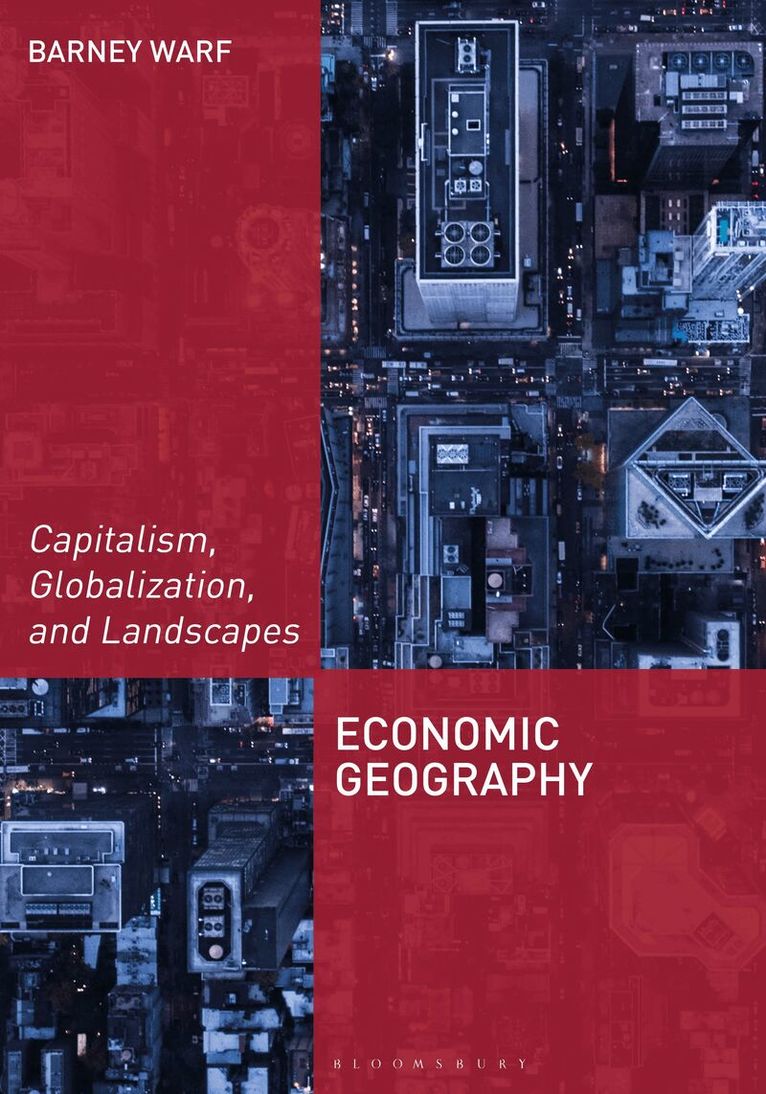
This core text on economic geography from acclaimed scholar Barney Warf provides students an accessible, balanced, and concise overview of why location matters in business and economics. Offering numerous U.S. based examples, Economic Geography drives home concepts while being engaging and relevant for students. Warf explores all aspects of the economy, from developmetn and globalization, agriculture and manufacturing, to e-commerce and retail. Each chapter ends with a set of defined glossary terms, study questions, and suggested readings, to encourage further student engagement. The full color art program boasts over 100 figures, illustrating examples for better learning retention. Students will leave with an understanding that capitalism as we understand it today is not inevitable, but rather resulting from historical and contextual factors.
372 kr
Kommande
This core text on economic geography from acclaimed scholar Barney Warf provides students an accessible, balanced, and concise overview of why location matters in business and economics. Offering numerous U.S. based examples, Economic Geography drives home concepts while being engaging and relevant for students. Warf explores all aspects of the economy, from developmetn and globalization, agriculture and manufacturing, to e-commerce and retail. Each chapter ends with a set of defined glossary terms, study questions, and suggested readings, to encourage further student engagement. The full color art program boasts over 100 figures, illustrating examples for better learning retention. Students will leave with an understanding that capitalism as we understand it today is not inevitable, but rather resulting from historical and contextual factors.