Filmmakers and Their Soundtracks - Böcker
Visar alla böcker i serien Filmmakers and Their Soundtracks. Handla med fri frakt och snabb leverans.
10 produkter
10 produkter
777 kr
Skickas inom 10-15 vardagar
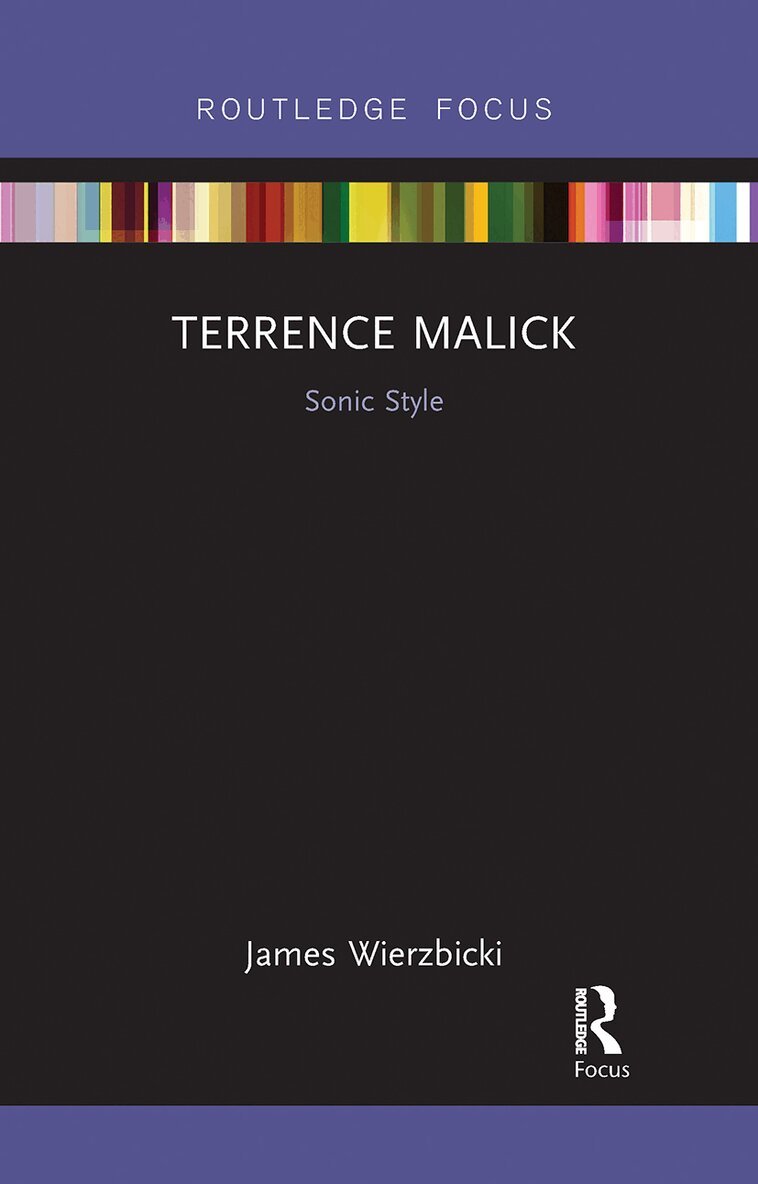
In the course of a decades-spanning career as a filmmaker, Terrence Malick has carved out a distinctive cinematic aesthetic. Central to this style is the use of sound. James Wierzbicki offers the first comprehensive study of Malick's soundtracks, arguing that they create a distinctive sonic style throughout his oeuvre and exploring how that style functions. Considering voice, noise, and music as elements in the soundtrack, this concise book enriches our understanding of one of our most philosophical filmmakers, and of the interplay between the sonic and visual elements in film.
777 kr
Skickas inom 10-15 vardagar
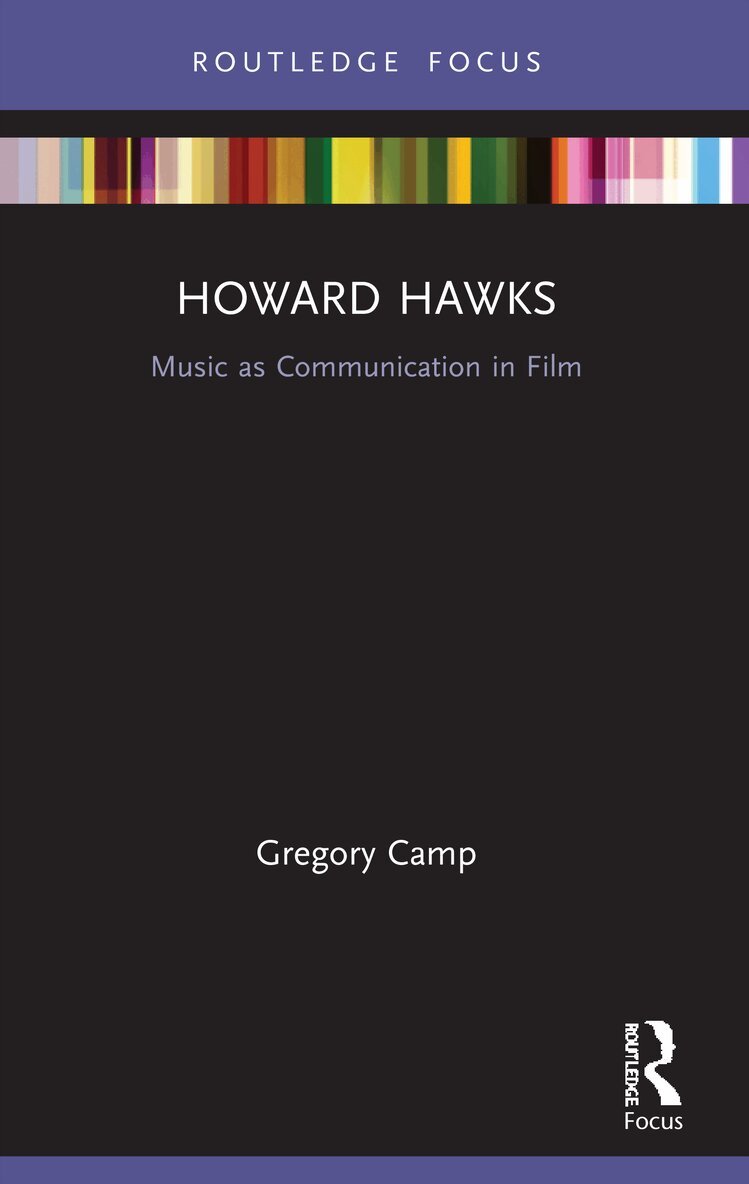
Known for creating classic films including His Girl Friday, The Big Sleep, Bringing Up Baby, and Gentlemen Prefer Blondes, Howard Hawks is one of the best-known Hollywood ‘auteurs’, but the important role that music plays in his films has been generally neglected by film critics and scholars. In this concise study, Gregory Camp demonstrates how Hawks' use of music and musical treatment of dialogue articulate the group communication that is central to his films. In five chapters, Camp explores how the notion of 'music' in Hawks' films can be expanded beyond the film score, and the techniques by which Hawks and his collaborators (including actors, screenwriters, composers, and editors) achieve this heightened musicality.
777 kr
Skickas inom 10-15 vardagar
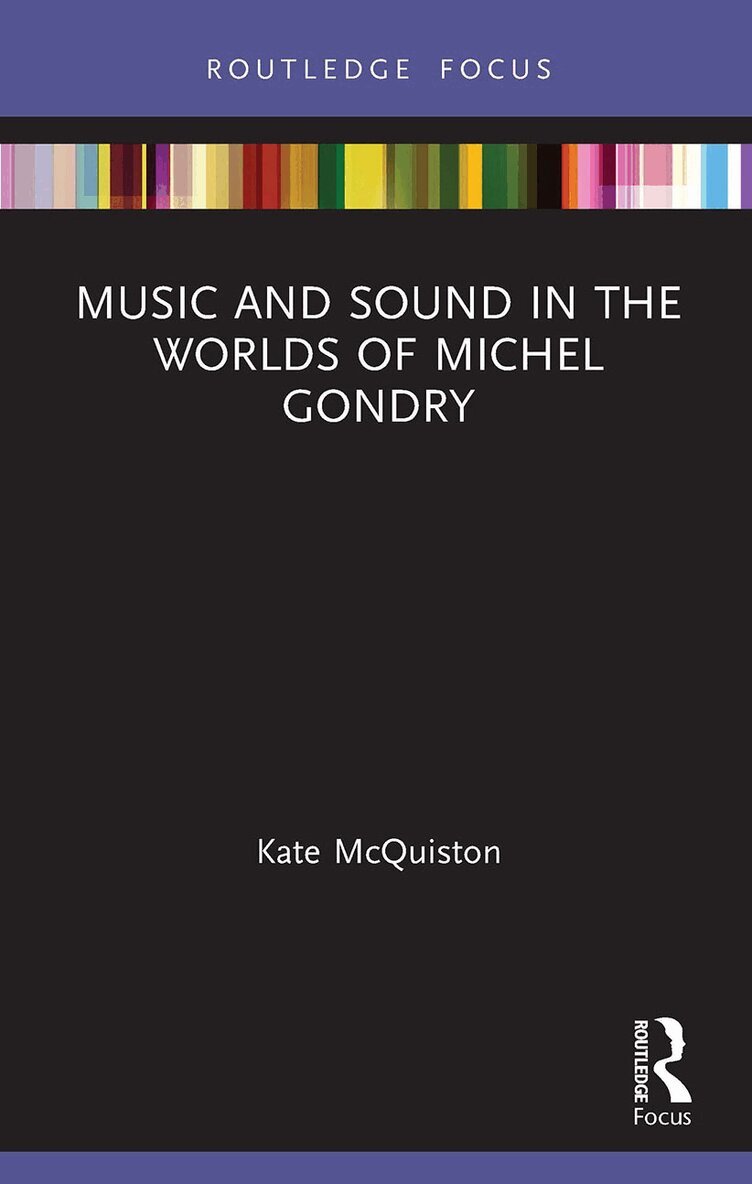
Michel Gondry’s directorial work buzzes with playfulness and invention: in a body of work that includes feature films such as Eternal Sunshine of the Spotless Mind and The Science of Sleep, to music videos, commercials, television episodes, and documentaries, he has experimented with blending animation and live action, complex narrative structures, and philosophical subject matter. Central to that experimentation is Gondry’s use of music and sound, which this book addresses in a new detailed study. Kate McQuiston examines the hybrid nature of Gondry’s work, his process of collaboration, how he uses sound and music to create a highly stylized reinforcement of often-elusive subjects such as psychology, dreams, the loss of memory, and the fraught relationship between humans and the environment. This concise volume provides new insight into Gondry’s richly creative multimedia productions, and their distinctive use of the soundtrack.
343 kr
Skickas inom 10-15 vardagar
Known for creating classic films including His Girl Friday, The Big Sleep, Bringing Up Baby, and Gentlemen Prefer Blondes, Howard Hawks is one of the best-known Hollywood ‘auteurs’, but the important role that music plays in his films has been generally neglected by film critics and scholars. In this concise study, Gregory Camp demonstrates how Hawks' use of music and musical treatment of dialogue articulate the group communication that is central to his films. In five chapters, Camp explores how the notion of 'music' in Hawks' films can be expanded beyond the film score, and the techniques by which Hawks and his collaborators (including actors, screenwriters, composers, and editors) achieve this heightened musicality.
343 kr
Skickas inom 10-15 vardagar
Michel Gondry’s directorial work buzzes with playfulness and invention: in a body of work that includes feature films such as Eternal Sunshine of the Spotless Mind and The Science of Sleep, to music videos, commercials, television episodes, and documentaries, he has experimented with blending animation and live action, complex narrative structures, and philosophical subject matter. Central to that experimentation is Gondry’s use of music and sound, which this book addresses in a new detailed study. Kate McQuiston examines the hybrid nature of Gondry’s work, his process of collaboration, how he uses sound and music to create a highly stylized reinforcement of often-elusive subjects such as psychology, dreams, the loss of memory, and the fraught relationship between humans and the environment. This concise volume provides new insight into Gondry’s richly creative multimedia productions, and their distinctive use of the soundtrack.
357 kr
Skickas inom 10-15 vardagar
In the course of a decades-spanning career as a filmmaker, Terrence Malick has carved out a distinctive cinematic aesthetic. Central to this style is the use of sound. James Wierzbicki offers the first comprehensive study of Malick's soundtracks, arguing that they create a distinctive sonic style throughout his oeuvre and exploring how that style functions. Considering voice, noise, and music as elements in the soundtrack, this concise book enriches our understanding of one of our most philosophical filmmakers, and of the interplay between the sonic and visual elements in film.
805 kr
Skickas inom 10-15 vardagar
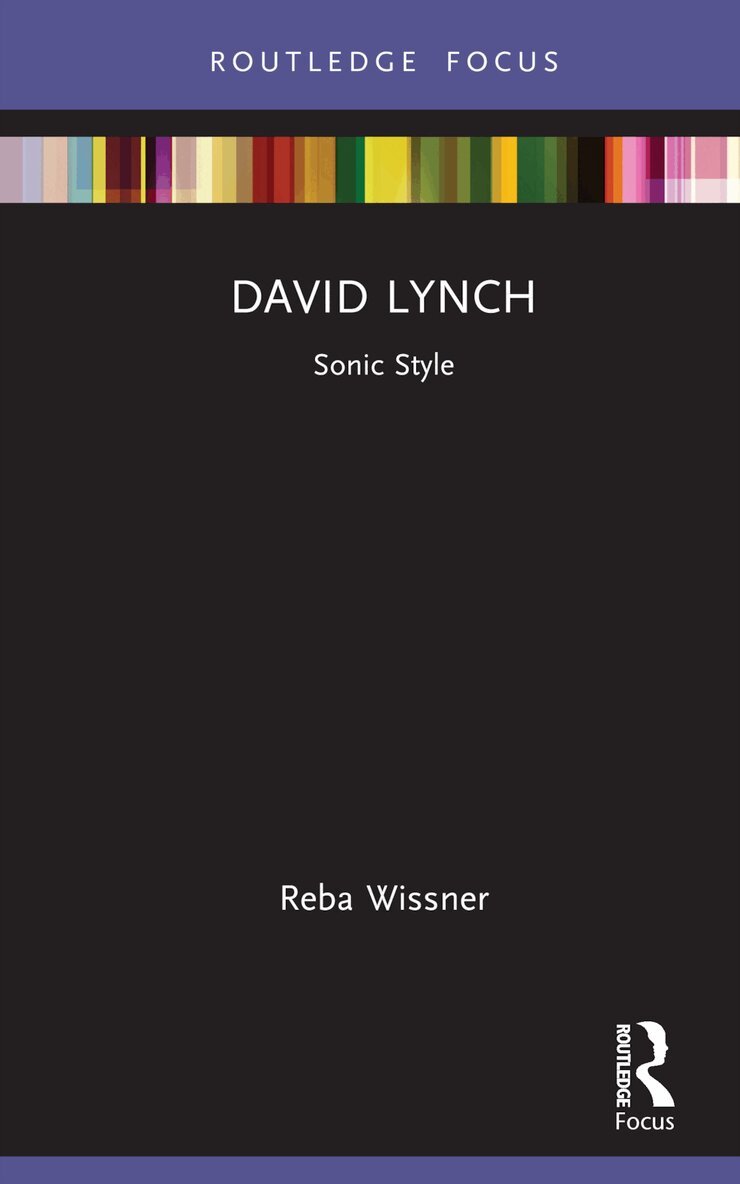
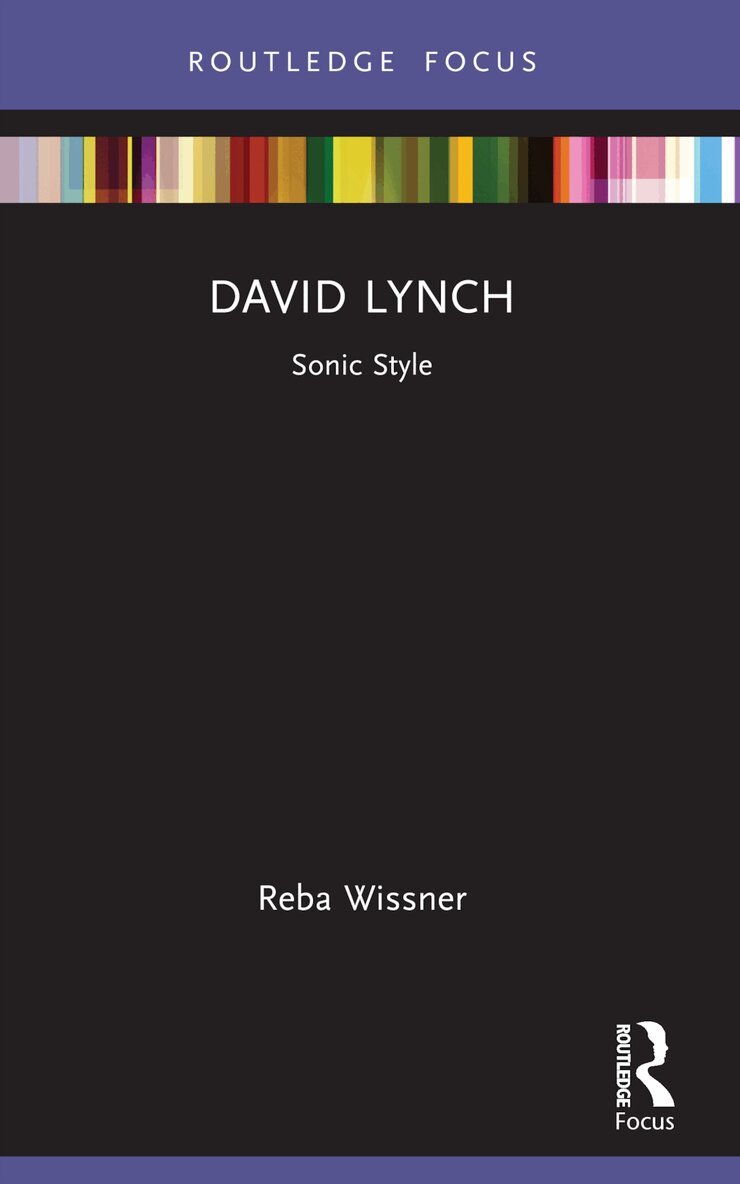
Director David Lynch is best known for films that channel the uncanny and the weird into a distinct "Lynchian" aesthetic, in which sound and music play a key role: Lynch not only writes his intended sounds into the script but also often takes on the role of creating the sounds himself. This concise study explores what makes Lynch’s sonic imprint distinct, breaking down three different sound styles that create Lynch’s sound aesthetic across his films. Showing how sound offers new insights into the aesthetic and narrative work of Lynch’s filmmaking, this book highlights new dimensions in the work of a key American auteur and deconstructs the process of building a unique sound world.
356 kr
Kommande
Director David Lynch is best known for films that channel the uncanny and the weird into a distinct "Lynchian" aesthetic, in which sound and music play a key role: Lynch not only writes his intended sounds into the script but also often takes on the role of creating the sounds himself. This concise study explores what makes Lynch’s sonic imprint distinct, breaking down three different sound styles that create Lynch’s sound aesthetic across his films. Showing how sound offers new insights into the aesthetic and narrative work of Lynch’s filmmaking, this book highlights new dimensions in the work of a key American auteur and deconstructs the process of building a unique sound world.
343 kr
Skickas inom 10-15 vardagar
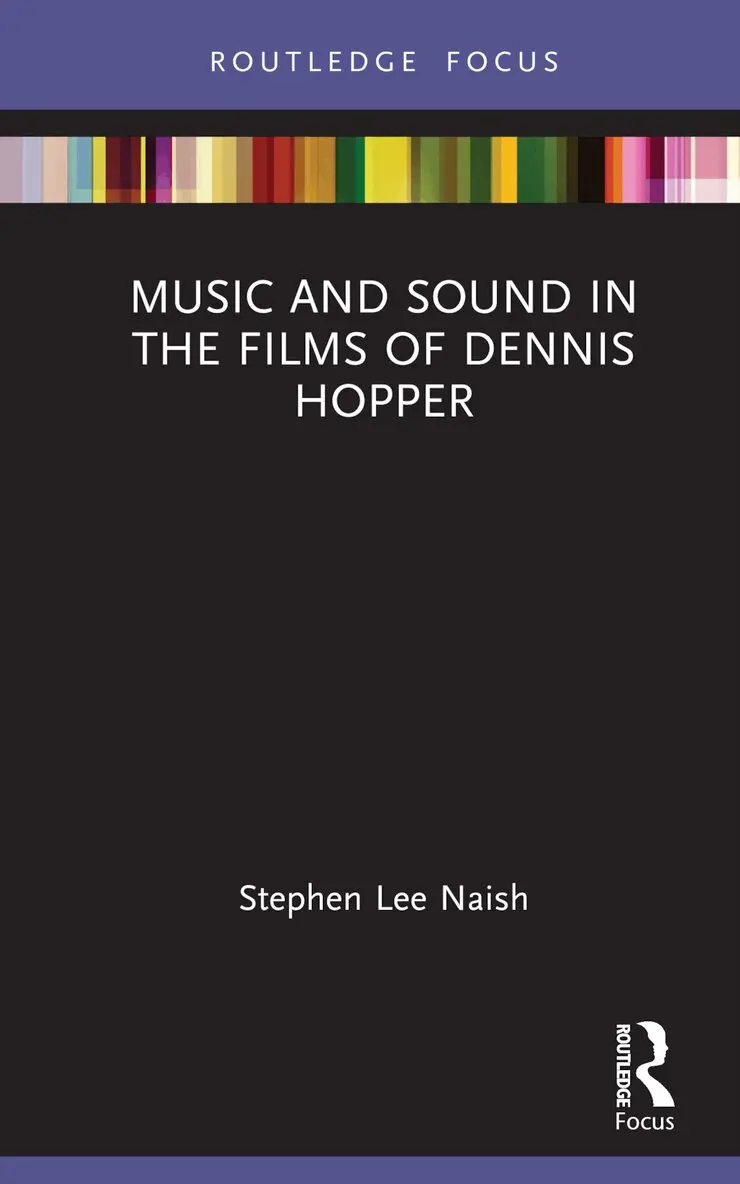
Across his directorial films, American filmmaker Dennis Hopper used music and sound to propel the narrative, signpost the era in which the films were made, and delineate the characters’ place within American culture. This book explores five of Hopper’s films to show how this deep engagement with music to build character and setting continued throughout his career, as Hopper used folk, punk, hip-hop, and jazz to shape the worlds of his films in ways that influenced other filmmakers and foreshadowed the advent of the music video format.The author traces Hopper’s distinctive approach to the use of music through films from 1969 to 1990, including his innovative use of popular rock, pop, and folk in Easy Rider, his blending of diegetic performances of folk and Peruvian indigenous music in The Last Movie, his use of punk rock in Out of the Blue, incorporation of hip-hop and rap in Colors, and commissioning of a jazz/blues soundtrack by Miles Davis and John Lee Hooker for The Hot Spot. Uncovering the film soundtrack as a vital piece of the narrative, this concise and accessible book offers insights for academic readers in music and film studies, as well as all those interested in Hopper’s work.
819 kr
Skickas inom 10-15 vardagar
Across his directorial films, American filmmaker Dennis Hopper used music and sound to propel the narrative, signpost the era in which the films were made, and delineate the characters’ place within American culture. This book explores five of Hopper’s films to show how this deep engagement with music to build character and setting continued throughout his career, as Hopper used folk, punk, hip-hop, and jazz to shape the worlds of his films in ways that influenced other filmmakers and foreshadowed the advent of the music video format.The author traces Hopper’s distinctive approach to the use of music through films from 1969 to 1990, including his innovative use of popular rock, pop, and folk in Easy Rider, his blending of diegetic performances of folk and Peruvian indigenous music in The Last Movie, his use of punk rock in Out of the Blue, incorporation of hip-hop and rap in Colors, and commissioning of a jazz/blues soundtrack by Miles Davis and John Lee Hooker for The Hot Spot. Uncovering the film soundtrack as a vital piece of the narrative, this concise and accessible book offers insights for academic readers in music and film studies, as well as all those interested in Hopper’s work.