Food in American History – serie
Visar alla böcker i serien Food in American History. Handla med fri frakt och snabb leverans.
8 produkter
8 produkter
E-bok
PDF, Engelska, 2005803 kr
Läs direkt efter köp
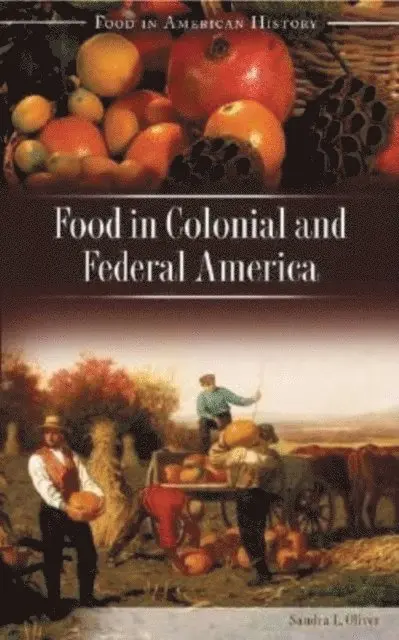
The success of the new settlements in what is now the United States depended on food. This book tells about the bounty that was here and how Europeans forged a society and culture, beginning with help from the Indians and eventually incorporating influences from African slaves. They developed regional food habits with the food they brought with them, what they found here, and what they traded for all around the globe. Their daily life is illuminated through descriptions of the typical meals, holidays, and special occasions, as well as their kitchens, cooking utensils, and cooking methods over an open hearth. Readers will also learn how they kept healthy and how their food choices reflected their spiritual beliefs.This thorough overview endeavors to cover all the regions settled during the Colonial and Federal. It also discusses each immigrant group in turn, with attention also given to Indian and slave contributions. The content is integral for U.S. history standards in many ways, such as illuminating the settlement and adaptation of the European settlers, the European struggle for control of North America, relations between the settlers from different European countries, and changes in Native American society resulting from settlements.
E-bok
PDF, Engelska, 2005757 kr
Läs direkt efter köp
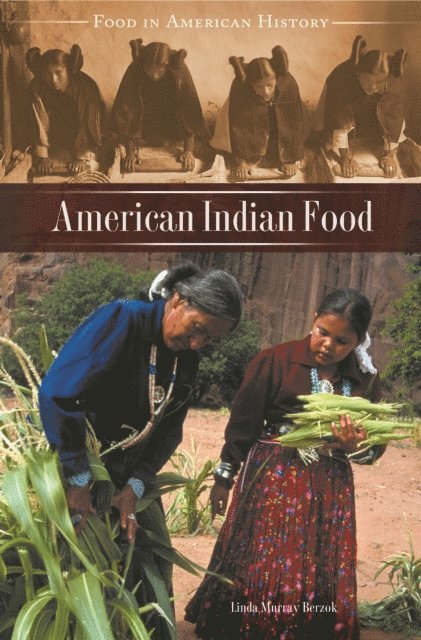
This, the first, in-depth survey of Native American Indian foodways is an amazing chronicle of both human development over thousands of years and American history after the European invasion. It sheds light not only on this group and their history but on American food culture and history as well. For thousands of years an intimate relationship existed between Native Americans and their food sources. Dependence on nature for subsistence gave rise to a rich spiritual tradition with rituals and feasts marking planting and harvesting seasons. The European invasion forced a radical transformation of the indigenous food habits. Foodways were one of the first layers of culture attacked. Indians were removed from their homelands, forced to cultivate European crops such as wheat and grapes, new animals were introduced, and the bison, a major staple in the Great Plains and West, was wiped out. Today, American Indians are trying to reclaim many of their food traditions. A number of their foodways have become part of the broader American cookbook, as many dishes eaten today were derived from Native American cooking, including cornbread, clam chowder, succotash, grits, and western barbeque.The story of Native American foodways presented here is an amazing chronicle of both human development over thousands of years and American history after the European invasion. Through cultural evolution, the First Peoples worked out what was edible or could be made edible and what foods could be combined with others, developed unique processing and preparation methods, and learned how to preserve and store foods. An intimate relationship existed between them and their food sources. Dependence on nature for subsistence gave rise to a rich spiritual tradition with rituals and feasts marking planting and harvesting seasons. The foodways were characterized by abundance and variety. Wild plants, fish, meat, and cultivated crops were simply prepared and eaten fresh or smoked, dried, or preserved for lean winters. The European invasion forced a radical transformation of the indigenous food habits. Foodways were one of the first layers of culture attacked. Indians were removed from their homelands, forced to cultivate European crops, such as wheat and grapes, new animals were introduced, and the bison, a major staple in the Great Plains and West, was wiped out. Today, American Indians are trying to reclaim many of their food traditions. Other traditions have become part of the broader American cookbook, as many dishes eaten today were derived from Native American cooking, including cornbread, clam chowder, succotash, grits, and western barbeque.The scope is comprehensive, covering the six major regions, from prehistory until today. Chapters on the foodways history, foodstuffs, food preparation, preservation, and storage, food customs, food and religion, and diet and nutrition reveal the American Indians' heritage as no history can do alone. Examples from many individual tribes are used, and quotations from American Indians and white observers provide perspective. Recipes are provided as well, making this a truly indispensable source for student research and general readers.
Inbunden, Engelska, 2005
692 kr
Skickas inom 10-15 vardagar
The success of the new settlements in what is now the United States depended on food. This book tells about the bounty that was here and how Europeans forged a society and culture, beginning with help from the Indians and eventually incorporating influences from African slaves. They developed regional food habits with the food they brought with them, what they found here, and what they traded for all around the globe. Their daily life is illuminated through descriptions of the typical meals, holidays, and special occasions, as well as their kitchens, cooking utensils, and cooking methods over an open hearth. Readers will also learn how they kept healthy and how their food choices reflected their spiritual beliefs.This thorough overview endeavors to cover all the regions settled during the Colonial and Federal. It also discusses each immigrant group in turn, with attention also given to Indian and slave contributions. The content is integral for U.S. history standards in many ways, such as illuminating the settlement and adaptation of the European settlers, the European struggle for control of North America, relations between the settlers from different European countries, and changes in Native American society resulting from settlements.
Inbunden, Engelska, 2005
692 kr
Skickas inom 10-15 vardagar
This, the first, in-depth survey of Native American Indian foodways is an amazing chronicle of both human development over thousands of years and American history after the European invasion. It sheds light not only on this group and their history but on American food culture and history as well. For thousands of years an intimate relationship existed between Native Americans and their food sources. Dependence on nature for subsistence gave rise to a rich spiritual tradition with rituals and feasts marking planting and harvesting seasons. The European invasion forced a radical transformation of the indigenous food habits. Foodways were one of the first layers of culture attacked. Indians were removed from their homelands, forced to cultivate European crops such as wheat and grapes, new animals were introduced, and the bison, a major staple in the Great Plains and West, was wiped out. Today, American Indians are trying to reclaim many of their food traditions. A number of their foodways have become part of the broader American cookbook, as many dishes eaten today were derived from Native American cooking, including cornbread, clam chowder, succotash, grits, and western barbeque.The story of Native American foodways presented here is an amazing chronicle of both human development over thousands of years and American history after the European invasion. Through cultural evolution, the First Peoples worked out what was edible or could be made edible and what foods could be combined with others, developed unique processing and preparation methods, and learned how to preserve and store foods. An intimate relationship existed between them and their food sources. Dependence on nature for subsistence gave rise to a rich spiritual tradition with rituals and feasts marking planting and harvesting seasons. The foodways were characterized by abundance and variety. Wild plants, fish, meat, and cultivated crops were simply prepared and eaten fresh or smoked, dried, or preserved for lean winters. The European invasion forced a radical transformation of the indigenous food habits. Foodways were one of the first layers of culture attacked. Indians were removed from their homelands, forced to cultivate European crops, such as wheat and grapes, new animals were introduced, and the bison, a major staple in the Great Plains and West, was wiped out. Today, American Indians are trying to reclaim many of their food traditions. Other traditions have become part of the broader American cookbook, as many dishes eaten today were derived from Native American cooking, including cornbread, clam chowder, succotash, grits, and western barbeque.The scope is comprehensive, covering the six major regions, from prehistory until today. Chapters on the foodways history, foodstuffs, food preparation, preservation, and storage, food customs, food and religion, and diet and nutrition reveal the American Indians' heritage as no history can do alone. Examples from many individual tribes are used, and quotations from American Indians and white observers provide perspective. Recipes are provided as well, making this a truly indispensable source for student research and general readers.
Inbunden, Engelska, 2006
713 kr
Skickas inom 10-15 vardagar
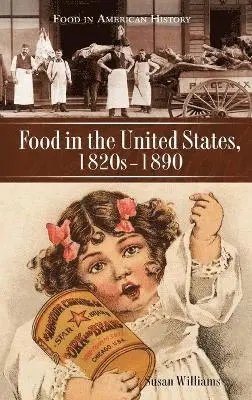
The period from the 1820s to 1890 was one of invention, new trends, and growth in the American food culture. Inventions included the potato chip and Coca-Cola. Patents were taken out for the tin can, canning jars, and condensed milk. Vegetarianism was promulgated. Factories and mills such as Pillsbury came into being, as did Quaker Oats and other icons of American food. This volume describes the beginnings of many familiar mainstays of our daily life and consumer culture. It chronicles the shift from farming to agribusiness. Cookbooks proliferated and readers will trace the modernization of cooking, from the hearth to the stove, and the availability of refrigeration. Regional foodways are covered, as are how various classes ate at home or away. A final chapter covers the diet fads, which were similar to those being touted today.The period from the 1820s to 1890 was one of invention, new trends, and growth in the American food culture. Inventions included the potato chip and Coca-Cola. Patents were taken out for the tin can, canning jars, and condensed milk. Vegetarianism was promulgated. Factories and mills such as Pillsbury came into being. This volume describes the beginnings of many familiar mainstays of our daily life and consumer culture. It chronicles the shift from farming to agribusiness. Cookbooks proliferated and readers will trace the modernization of cooking, from the hearth to the stove, and the availability of refrigeration. Regional foodways are covered, as are how various classes ate at home or away. A final chapter covers the diet fads, which were similar to those being touted today.The volume is targeted toward high school students on up to the general public who want to complement U.S. history cultural studies or better understand the fascinating groundwork for the modern kitchen, cook, and food industry. Abundant insight into the daily life of women is given. Period illustrations and recipes and a chronology round out the text.
Inbunden, Engelska, 2009
713 kr
Skickas inom 10-15 vardagar
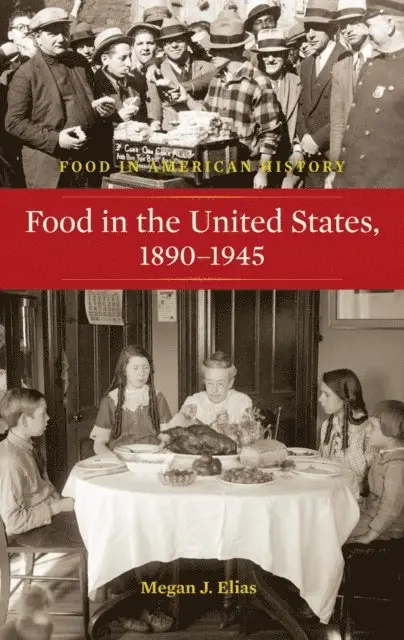
No American history or food collection is complete without this lively insight into the radical changes in daily life from the Gilded Age to World War II, as reflected in foodways.From the Gilded Age to the end of World War II, what, where, when, and how Americans ate all changed radically. Migration to urban areas took people away from their personal connection to food sources. Immigration, primarily from Europe, and political influence of the Caribbean, Latin America, and the Pacific brought us new ingredients, cuisines, and foodways. Technological breakthroughs engendered the widespread availability of refrigeration, as well as faster cooking times. The invention of the automobile augured the introduction of “road food,” and the growth of commercial transportation meant that a wider assortment of foods was available year round. Major food crises occurred during the Depression and two world wars. Food in the United States, 1890-1945 documents these changes, taking students and general readers through the period to explain what our foodways say about our society. This intriguing narrative is enlivened with numerous period anecdotes that bring America history alive through food history.25 period photos complement the textRecipes allow students to sample dishes no longer common on American tablesA timeline makes clear the changes and new technologies that occurred during the periodA selected bibliography facilitates further research
E-bok
PDF, Engelska, 2009777 kr
Läs direkt efter köp
No American history or food collection is complete without this lively insight into the radical changes in daily life from the Gilded Age to World War II, as reflected in foodways.From the Gilded Age to the end of World War II, what, where, when, and how Americans ate all changed radically. Migration to urban areas took people away from their personal connection to food sources. Immigration, primarily from Europe, and political influence of the Caribbean, Latin America, and the Pacific brought us new ingredients, cuisines, and foodways. Technological breakthroughs engendered the widespread availability of refrigeration, as well as faster cooking times. The invention of the automobile augured the introduction of "road food," and the growth of commercial transportation meant that a wider assortment of foods was available year round. Major food crises occurred during the Depression and two world wars. Food in the United States, 1890-1945 documents these changes, taking students and general readers through the period to explain what our foodways say about our society. This intriguing narrative is enlivened with numerous period anecdotes that bring America history alive through food history.
E-bok
Engelska, 2009755 kr
Läs direkt efter köp
No American history or food collection is complete without this lively insight into the radical changes in daily life from the Gilded Age to World War II, as reflected in foodways.From the Gilded Age to the end of World War II, what, where, when, and how Americans ate all changed radically. Migration to urban areas took people away from their personal connection to food sources. Immigration, primarily from Europe, and political influence of the Caribbean, Latin America, and the Pacific brought us new ingredients, cuisines, and foodways. Technological breakthroughs engendered the widespread availability of refrigeration, as well as faster cooking times. The invention of the automobile augured the introduction of "road food," and the growth of commercial transportation meant that a wider assortment of foods was available year round. Major food crises occurred during the Depression and two world wars. Food in the United States, 1890-1945 documents these changes, taking students and general readers through the period to explain what our foodways say about our society. This intriguing narrative is enlivened with numerous period anecdotes that bring America history alive through food history.