Formen Der Erinnerung – serie
Visar alla böcker i serien Formen Der Erinnerung. Handla med fri frakt och snabb leverans.
10 produkter
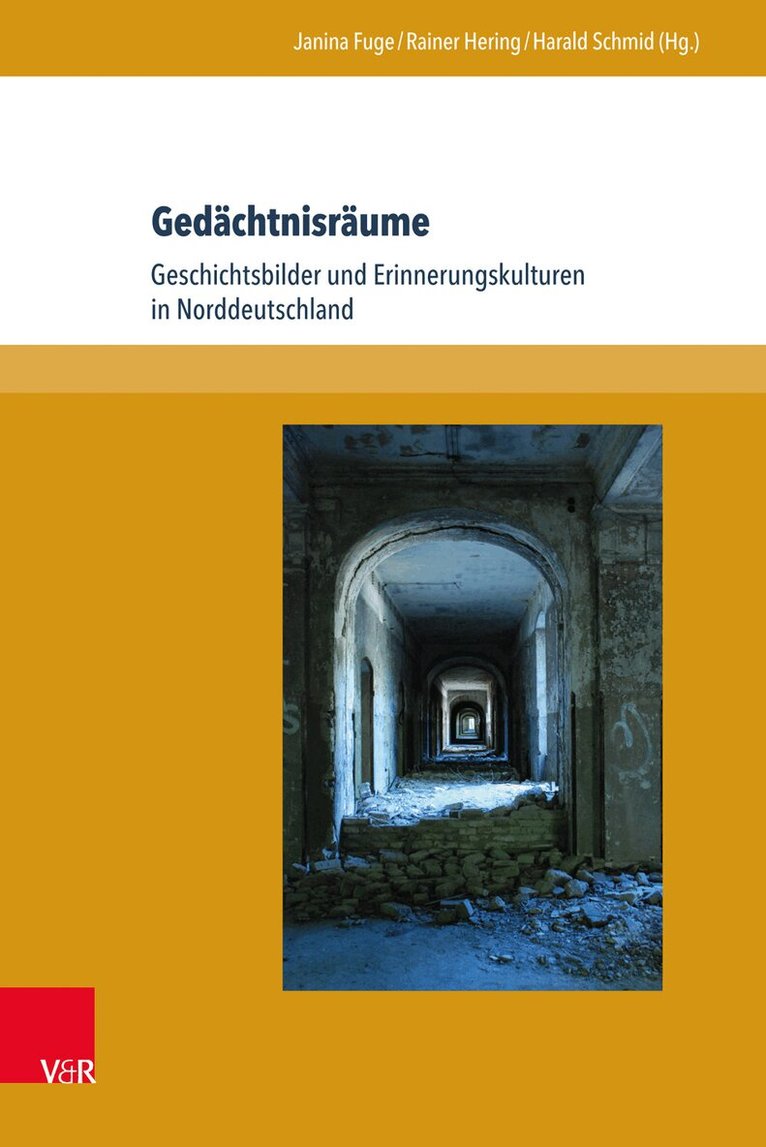
Gedächtnisräume
Geschichtsbilder und Erinnerungskulturen in Norddeutschland
Av Janina Fuge, Rainer Hering m. fl.
Inbunden, 2014
1140 kr
Lägg i varukorg
Be it the Hanseatic League, the Bismarck monument in Hamburg or the Battle of Dybbøl – Northern Germany hosts a number of places of remembrance out of whose complex stratifications identity structures emerged in the federal states of Lower Saxony, Hamburg, Bremen, Mecklenburg-Western Pomerania and …
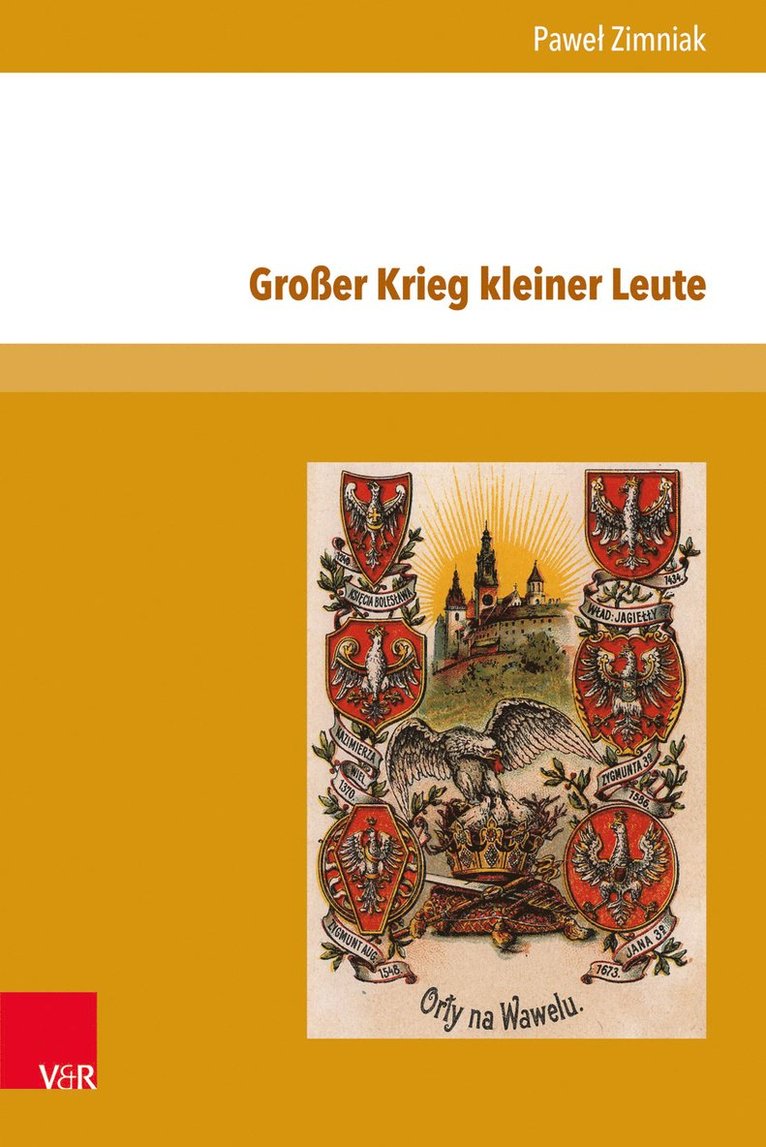
Großer Krieg kleiner Leute
Perspektivierungen des Ersten Weltkriegs in der polnischen Literatur 1914–1920
Inbunden, 2016
811 kr
Lägg i varukorg
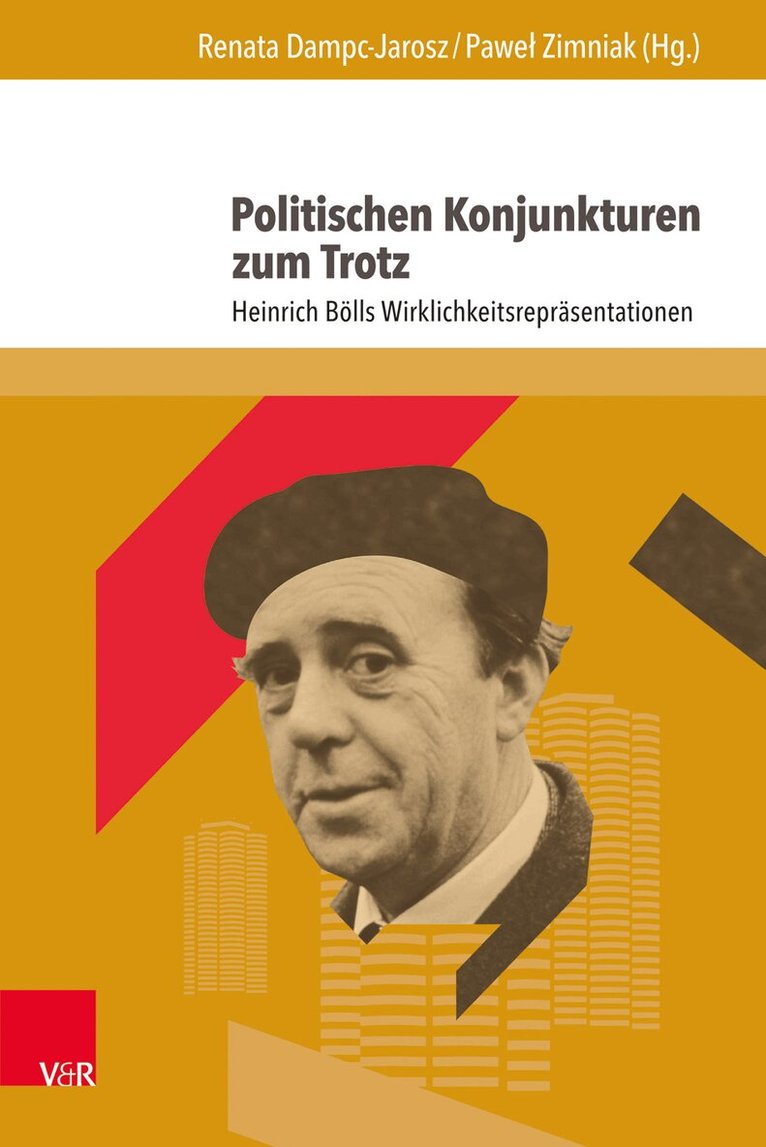
Politischen Konjunkturen zum Trotz
Heinrich Bölls Wirklichkeitsrepräsentationen
Av Renata Dampc-Jarosz, Paweł Zimniak
Inbunden, 2018
894 kr
Lägg i varukorg
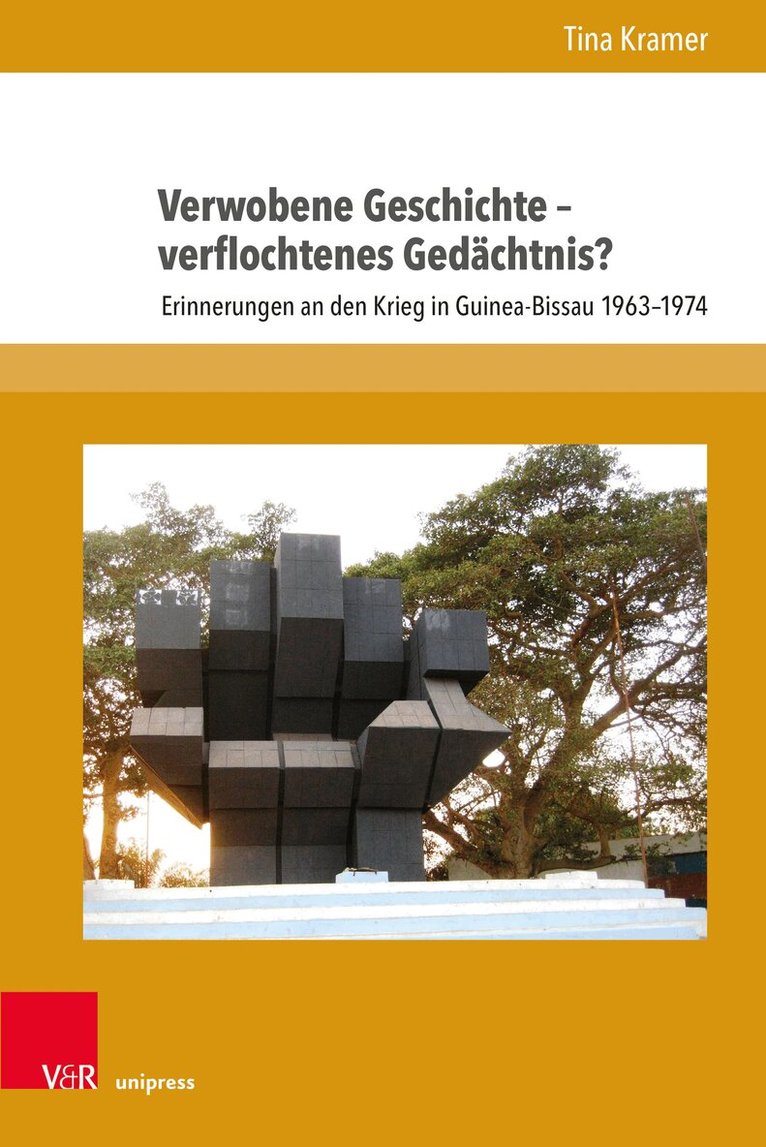
Verwobene Geschichte – verflochtenes Gedächtnis?
Erinnerungen an den Krieg in Guinea-Bissau 1963–1974
Av Tina Kramer
Inbunden, 2020
685 kr
Lägg i varukorg
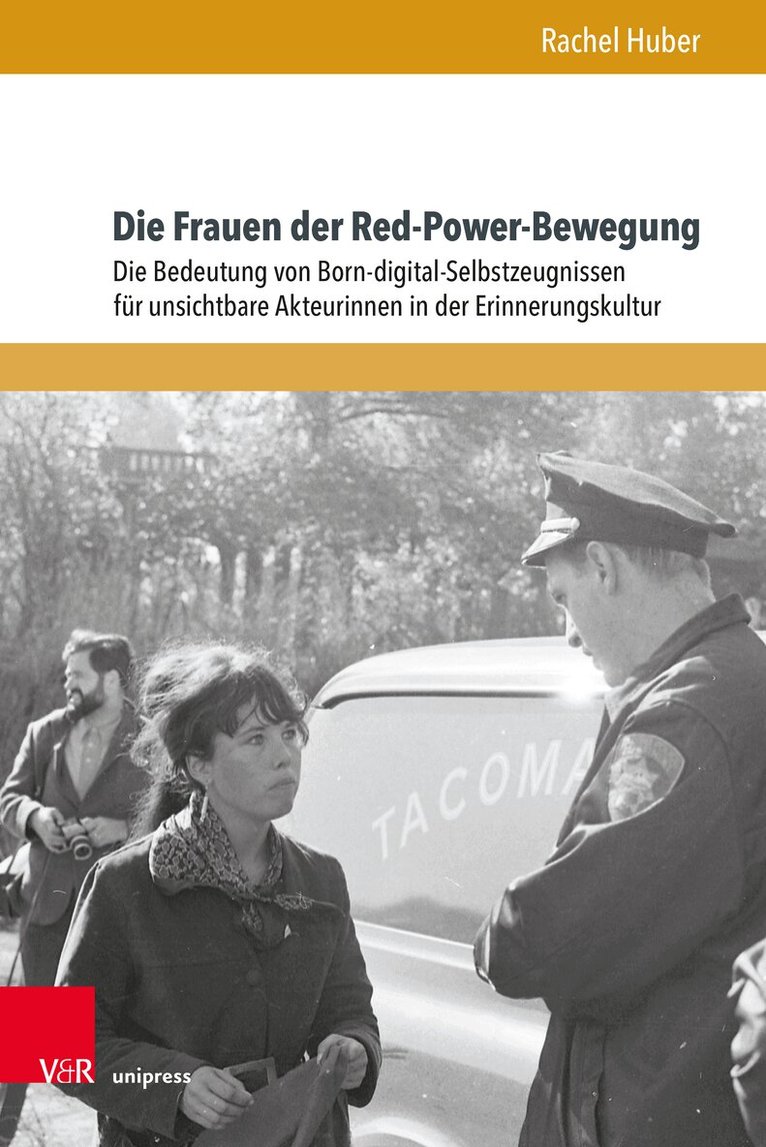
Die Frauen der Red-Power-Bewegung
Die Bedeutung von Born-digital-Selbstzeugnissen für unsichtbare Akteurinnen in der Erinnerungskultur
Av Rachel Huber
Inbunden, 2023
1018 kr
Lägg i varukorg
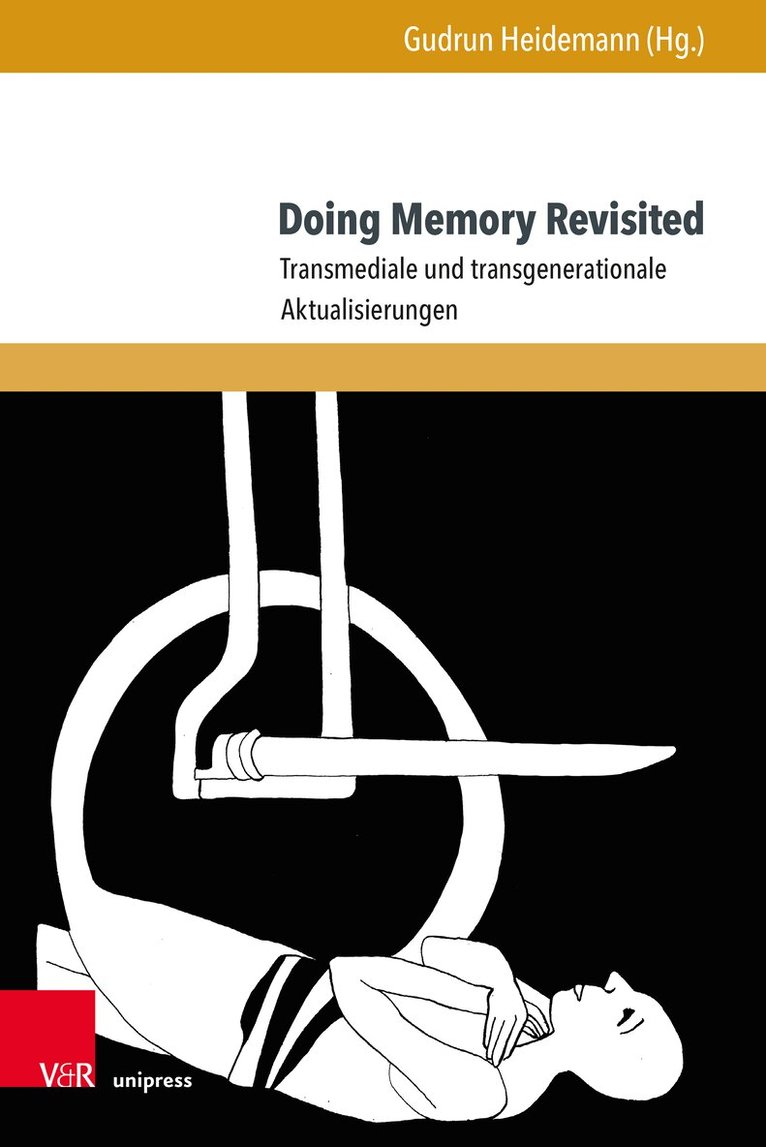
Doing Memory Revisited
Transmediale und transgenerationale Aktualisierungen
Inbunden, 2023
811 kr
Lägg i varukorg
Erinnerungen Einer Ungewunschten Generation: Besatzungskinder Und Ihre Nachkommen Auf Der Suche Nach Den Eigenen Wurzeln
Av Sophie Hubbe
Inbunden, 2025
887 kr
Lägg i varukorg
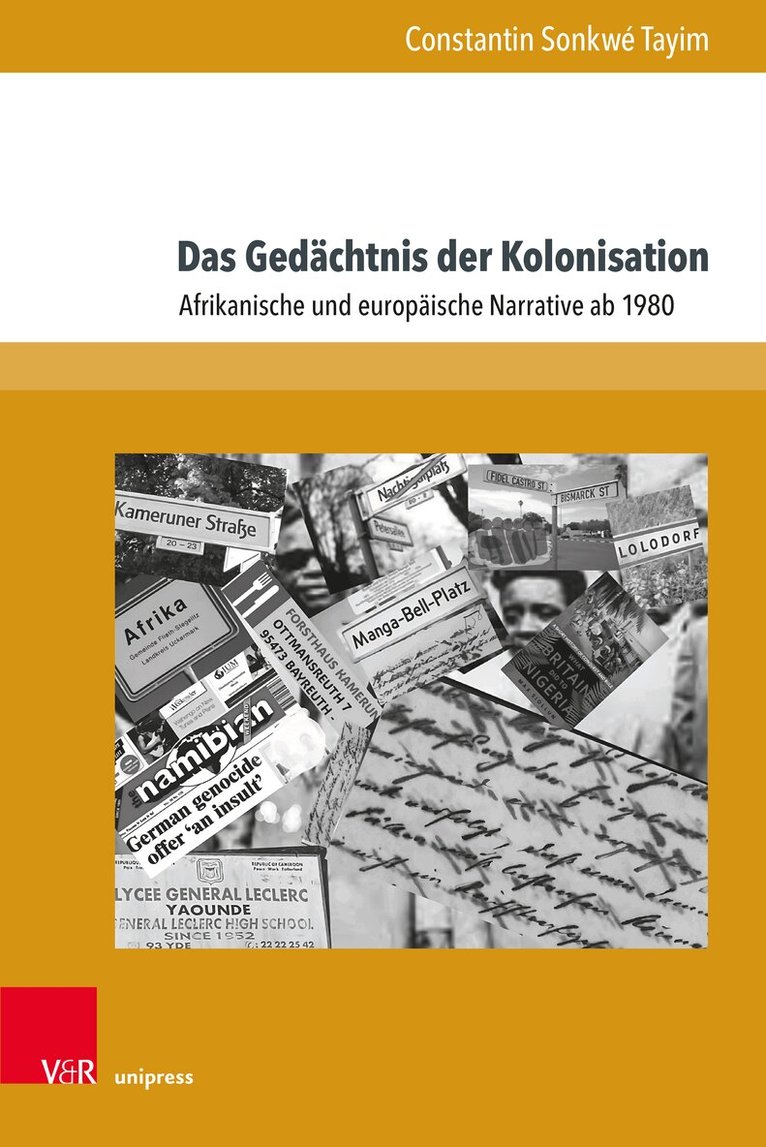
Das Gedächtnis der Kolonisation
Afrikanische und europäische Narrative ab 1980
Inbunden, 2024
978 kr
Tillfälligt slut
Die vorliegende Studie stellt einen Versuch dar, Diskurse und Gedächtnismodi herauszuarbeiten, die der neueren Diskussion zur Kolonisation zugrunde liegen. Die Studie beantwortet die Frage, wie Kolonialismus in zeitgenössischen Erzählungen zur Kolonialzeit erinnert wird, d.h. in welchen Begriffen …