Fraenkel Gallery – serie
Visar alla böcker i serien Fraenkel Gallery. Handla med fri frakt och snabb leverans.
6 produkter
Robert Adams: Standing Still
Inbunden, 2021
354 kr
Lägg i varukorg
The world in a front yard: Robert Adams records the seasonal shifts and transformations of the near and the intimateFor much of his long career, Robert Adams (born 1937) has photographed the regions where he has lived, recording the transformation of the Western landscape into suburbs in Colorado, …
Robert Adams: Along the Canadian Border
Inbunden, 2026
361 kr
Lägg i varukorg
A slender meditation on nature's ceaseless indifference to human affairs, as expressed through 10 gleaming photographs of the skiesFor more than 50 years, the legendary American photographer Robert Adams (born 1937) has made black-and-white photographs documenting the imprint of human development …
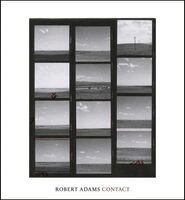
Robert Adams: Contact
Av Robert Adams, Jeffrey Fraenkel m. fl.
Inbunden, 2026
638 kr
Lägg i varukorg
A compendium of never-before-published contact sheets from the iconic documentarian of the American West, spanning decades and formats, replete with his red-marker frame selections and handwritten notes Robert Adams’ photographs of the Western landscape are iconic reminders of nature’s resilience …
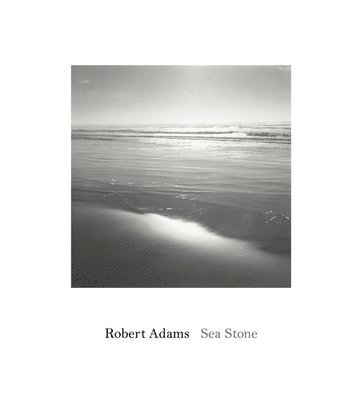
Robert Adams: Sea Stone
Inbunden, 2022
5,0 utav 5 stjärnor. Totalt antal röster: (1)
627 kr
Tillfälligt slut
A meditative portrayal of land and sea along an Oregon trail, from the leading figure of the New Topographics For more than 50 years, ever since his landmark photobook The New West, Robert Adams (born 1937) has numbered among America’s foremost modern photographers and chroniclers. Here, he returns …
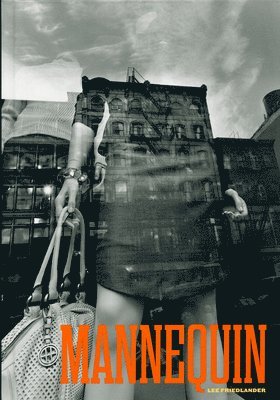
Lee Friedlander: Mannequin
Inbunden, 2012
534 kr
Tillfälligt slut
Lee Friedlander is one of the few artists in any medium to have sustained a body of influential work over five decades. To make the photographs in Mannequin, he returned to the hand-held, 35-mm camera that he used in the earliest decades of his career. Over the past three years, Friedlander has …
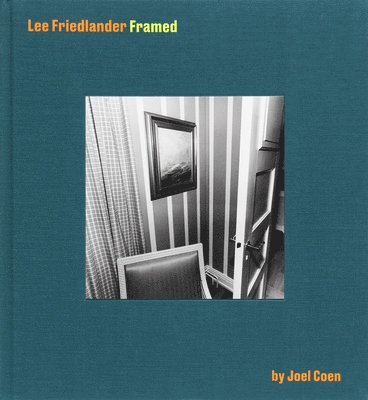
Lee Friedlander Framed by Joel Coen
Inbunden, 2023
670 kr
Tillfälligt slut
"I found it a daunting task to choose just a few images from Lee Friedlander's vast career. Where to start...?" –Joel CoenIn his selection of 70 photographs by Lee Friedlander, acclaimed filmmaker Joel Coen focuses on Friedlander’s beautifully strange sense of composition, in which images are off …