Fundamental Biomedical Technologies – serie
Visar alla böcker i serien Fundamental Biomedical Technologies. Handla med fri frakt och snabb leverans.
17 produkter
17 produkter
Inbunden, Engelska, 2011
1 633 kr
Skickas inom 10-15 vardagar
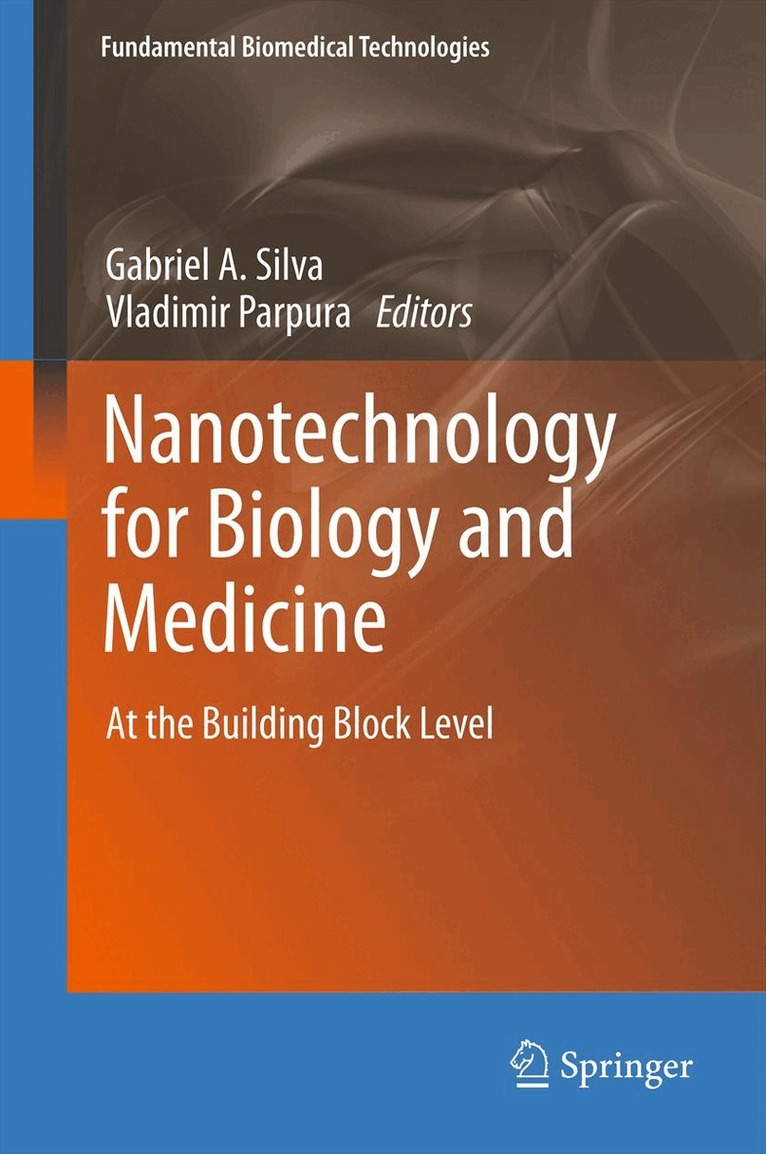
This text book will bring together a mix of both internationally known and established senior scientists along side up and coming (but already accomplished) junior scientists that have varying expertise in fundamental and applied nanotechnology to biology and medicine.
Inbunden, Engelska, 2006
1 091 kr
Skickas inom 10-15 vardagar
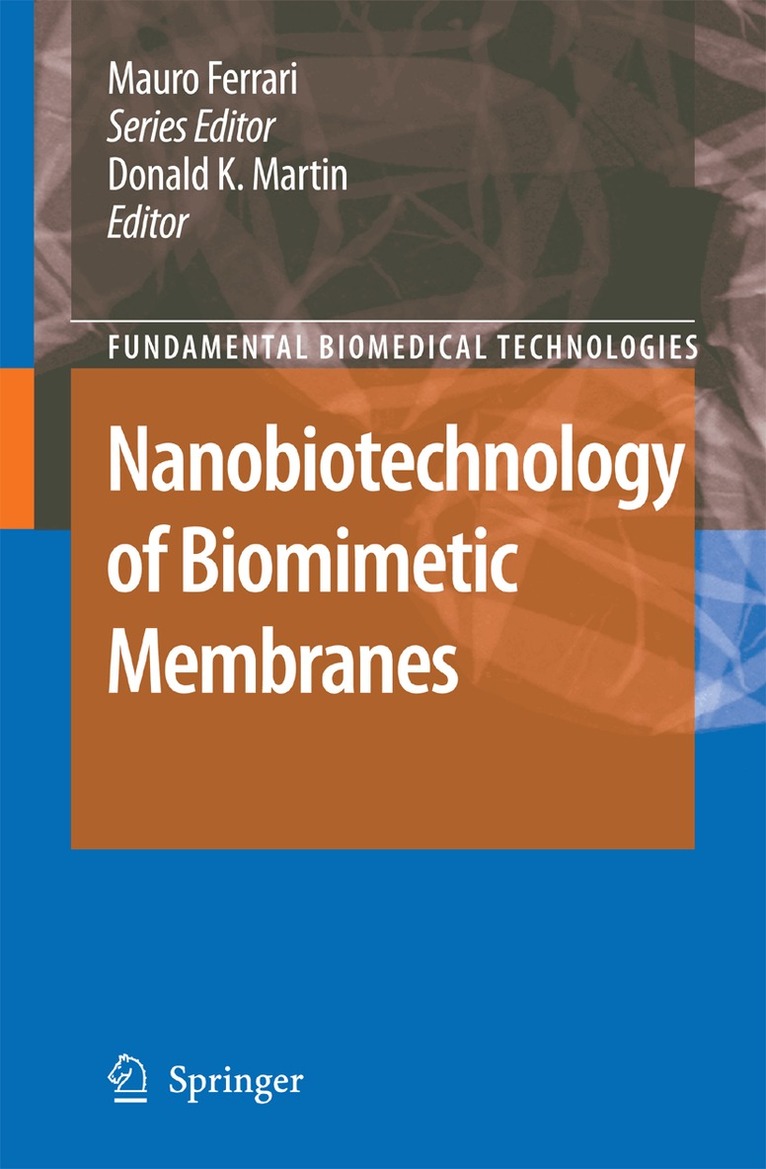
Nanobiotechnology of Biomimetic Membranes describes the current state of research and development in biomimetic membranes for nanobiotechnology applications. The application areas in nanobiotechnology range from novel nanosensors, to novel methods for sorting and delivering bio-active moleculres, to novel drug-delivery systems. The success of these applications relies on a good understanding of the interaction and incorporation of macromoleculres in membranes and the funamental properties of the membrane itself.
Inbunden, Engelska, 2007
2 239 kr
Skickas inom 10-15 vardagar
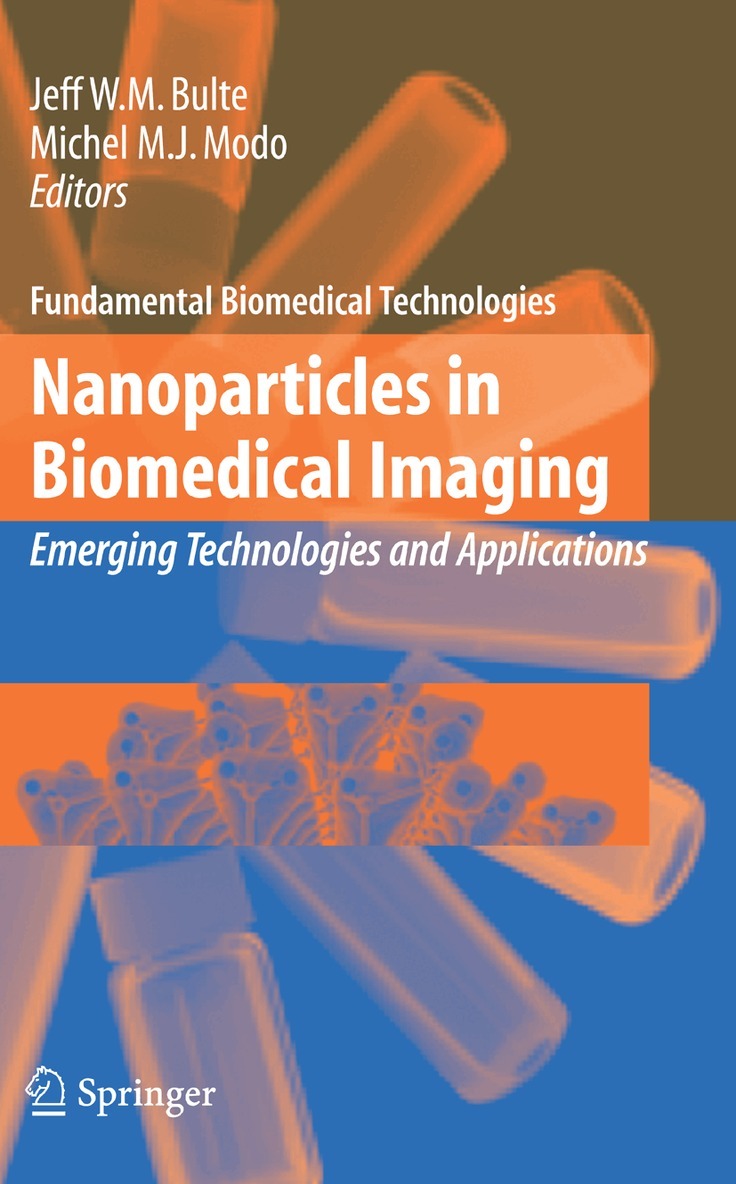
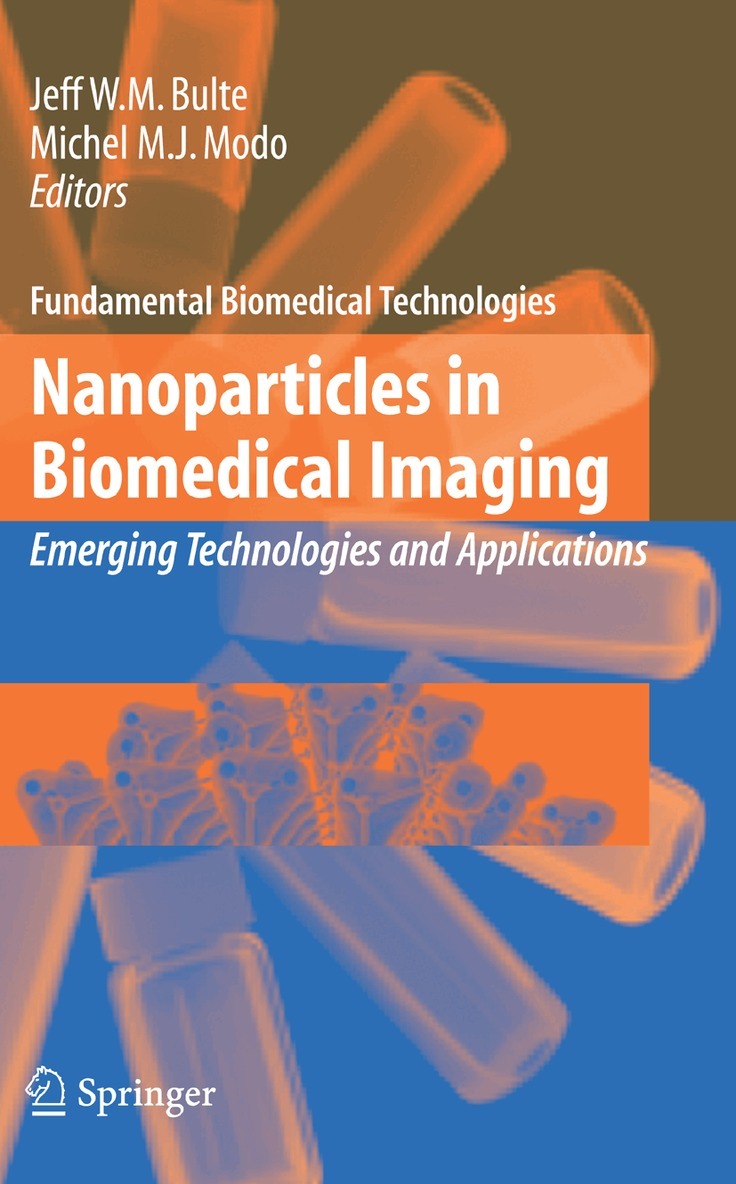
A nanoparticle is a microscopic particle with at least one dimension less than 100 nm. Nanoparticle research is an area of intense scientific research due to a wide variety of potential applications in biomedical, optical, and electronic fields. Written and edited by pioneers and innovators in the field, this book explains how nanoparticles can be designed to meet specific requirements for applications in distinct biomedical imaging modalities. With its interdisciplinary approach, the book draws on findings from a diverse range of fields. Illustrations help readers grasp key concepts and follow the steps for important processes. The book is intended for imaging researchers, chemists, physicists, biologists, pathologists and clinicians, giving them the foundation needed to make new discoveries and find new applications for nanoparticles in biomedical imaging.
Inbunden, Engelska, 2008
1 633 kr
Skickas inom 10-15 vardagar
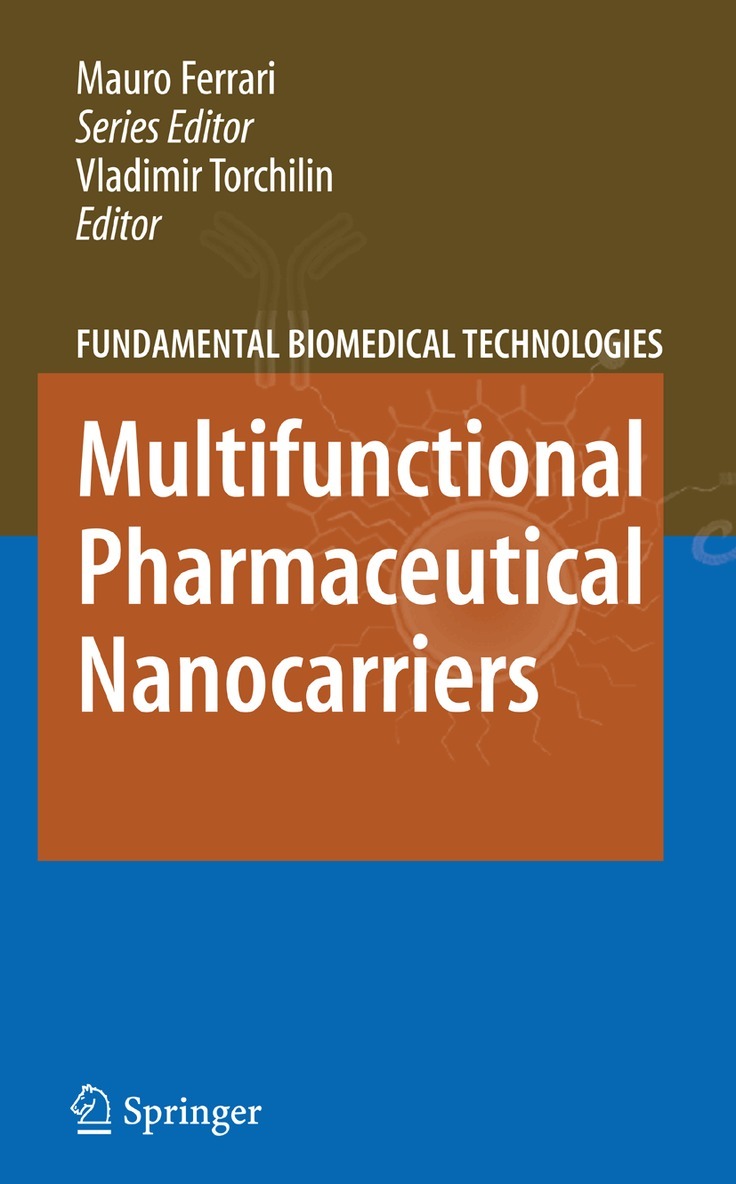
The use of various pharmaceutical carriers to enhance the in vivo efficiency of many drugs and drug administration protocols has been well established during the last decade in both pharmaceutical research and clinical setting. Surface modification of pharmaceutical nanocarriers, such as liposome, micelles, na- capsules, polymeric nanoparticles, solid lipid particles, and niosomes, is normally used to control their biological properties in a desirable fashion and to simulta- ously make them perform various therapeutically or diagnostically important functions. The most important results of such modification include an increased stability and half-life of drug carriers in the circulation, required biodistribution, passive or active targeting into the required pathological zone, responsiveness to local physiological stimuli, and ability to serve as contrast agents for various imaging modalities (gamma-scintigraphy, magnetic resonance imaging, computed tomography, ultra-sonography).Frequent surface modifiers (used separately or simultaneously) include soluble synthetic polymers (to achieve carrier longevity); specific ligands, such as antibodies, peptides, folate, transferrin, and sugar moieties (to achieve targeting effect); pH- or temperature-sensitive lipids or polymers (to impart stimuli sensitivity); chelating compounds, such as EDTA, DTPA, and deferoxamine (to add a heavy metal-based diagnostic/contrast moiety onto a drug carrier). Certainly, new or modified pharmaceutical carriers (nanocarriers) as well as their use for the delivery of various drugs and genes are still described in many publications.
Häftad, Engelska, 2010
2 239 kr
Skickas inom 10-15 vardagar
A nanoparticle is a microscopic particle with at least one dimension less than 100 nm. Nanoparticle research is an area of intense scientific research due to a wide variety of potential applications in biomedical, optical, and electronic fields. Written and edited by pioneers and innovators in the field, this book explains how nanoparticles can be designed to meet specific requirements for applications in distinct biomedical imaging modalities. With its interdisciplinary approach, the book draws on findings from a diverse range of fields. Illustrations help readers grasp key concepts and follow the steps for important processes. The book is intended for imaging researchers, chemists, physicists, biologists, pathologists and clinicians, giving them the foundation needed to make new discoveries and find new applications for nanoparticles in biomedical imaging.
Häftad, Engelska, 2010
1 681 kr
Skickas inom 10-15 vardagar
The use of various pharmaceutical carriers to enhance the in vivo efficiency of many drugs and drug administration protocols has been well established during the last decade in both pharmaceutical research and clinical setting. Surface modification of pharmaceutical nanocarriers, such as liposome, micelles, na- capsules, polymeric nanoparticles, solid lipid particles, and niosomes, is normally used to control their biological properties in a desirable fashion and to simulta- ously make them perform various therapeutically or diagnostically important functions. The most important results of such modification include an increased stability and half-life of drug carriers in the circulation, required biodistribution, passive or active targeting into the required pathological zone, responsiveness to local physiological stimuli, and ability to serve as contrast agents for various imaging modalities (gamma-scintigraphy, magnetic resonance imaging, computed tomography, ultra-sonography).Frequent surface modifiers (used separately or simultaneously) include soluble synthetic polymers (to achieve carrier longevity); specific ligands, such as antibodies, peptides, folate, transferrin, and sugar moieties (to achieve targeting effect); pH- or temperature-sensitive lipids or polymers (to impart stimuli sensitivity); chelating compounds, such as EDTA, DTPA, and deferoxamine (to add a heavy metal-based diagnostic/contrast moiety onto a drug carrier). Certainly, new or modified pharmaceutical carriers (nanocarriers) as well as their use for the delivery of various drugs and genes are still described in many publications.
Häftad, Engelska, 2010
1 123 kr
Skickas inom 10-15 vardagar
Nanobiotechnology of Biomimetic Membranes describes the current state of research and development in biomimetic membranes for nanobiotechnology applications. The application areas in nanobiotechnology range from novel nanosensors, to novel methods for sorting and delivering bio-active moleculres, to novel drug-delivery systems. The success of these applications relies on a good understanding of the interaction and incorporation of macromoleculres in membranes and the funamental properties of the membrane itself.
Häftad, Engelska, 2013
1 681 kr
Skickas inom 10-15 vardagar
This text book will bring together a mix of both internationally known and established senior scientists along side up and coming (but already accomplished) junior scientists that have varying expertise in fundamental and applied nanotechnology to biology and medicine.
Inbunden, Engelska, 2018
1 123 kr
Skickas inom 10-15 vardagar
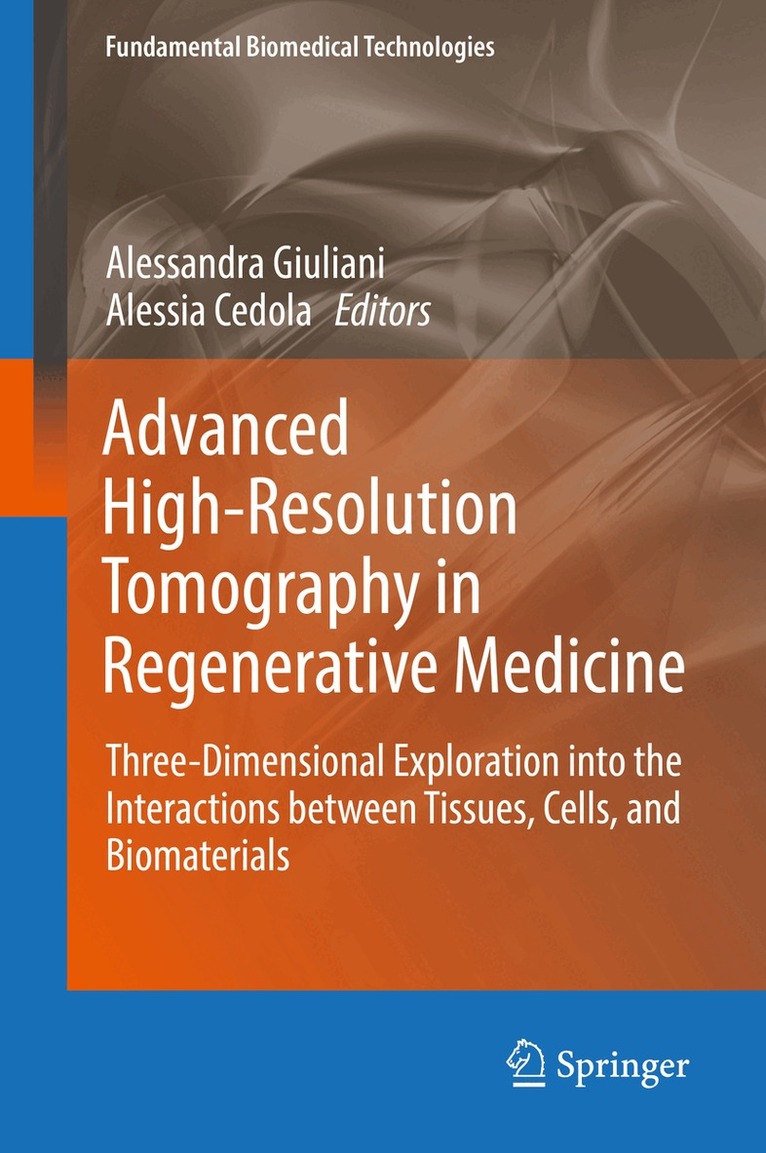
This book covers the state-of-the-art research on advanced high-resolution tomography, exploring its role in regenerative medicine. and also explores the 3D interactions between tissues, cells, and biomaterials. Various multidisciplinary paths in regenerative medicine are covered, including X-ray microtomography and its role in regenerative medicine, synchrotron radiation-based microtomography and phase contrast tomography, the challenge of the vascularization of regenerated tissues, lung and cartilage imaging, and more. This is an ideal book for biomedical engineers, biologists, physicists, clinicians, and students who want to pursue their studies in the field of regenerative medicine.This book also:Reviews in detail the algorithms and software used for the 3D exploration of regenerated tissueCovers the latest research on the use of X-ray microtomography for muscle diseasesDetails applications of synchrotron radiation tomography in orthopedicsand dentistry
Inbunden, Engelska, 2021
1 904 kr
Skickas inom 10-15 vardagar
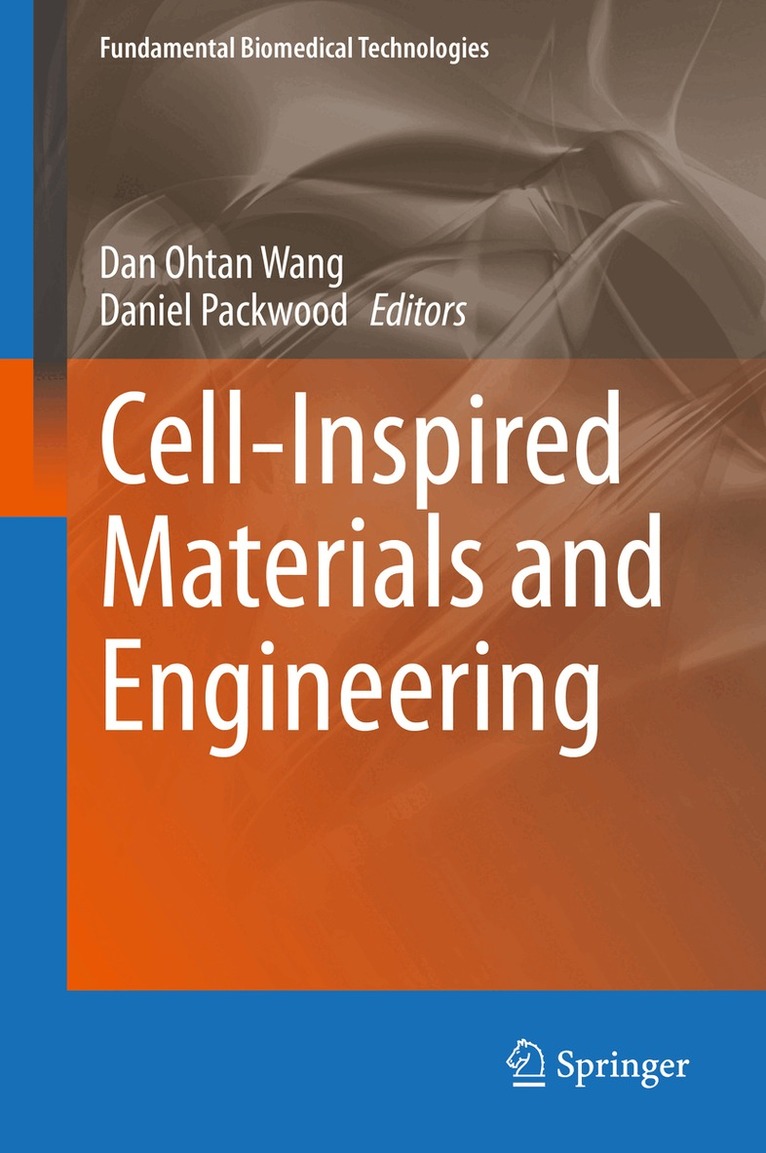
This book highlights cutting-edge studies in the development of cell-inspired biomaterials and synthetic materials that manipulate cell functions and provide the next generation with contemporary tools for treating complex human diseases. It explores the convergence of synthetic materials with cell and molecular biology and surveys how functional materials, when patterned with spatial and temporal precision, can be used effectively to maintain cell proliferation and phenotype in vitro, to trigger specific cell functions, and to redirect cell-fate decisions. Human stem cells are a frequently discussed subject in this book. This is an ideal book for students, cell biologists, researchers interested in interdisciplinary research, and biomedical engineers.This book also:Highlights successfully developed technologies in cell engineering that make possible new therapeutic development for previously untreatable conditionsCovers topics including bio-inspired micropatterning, DNA origami technology, synthetic NOS inspired by compartmentalized signaling in cells, and light-induced depolarization of the cell membraneIllustrates in detail the use of stem cells and synthetic scaffolds to model ethically sensitive embryonic tissues and organs
Häftad, Engelska, 2022
1 904 kr
Skickas inom 10-15 vardagar
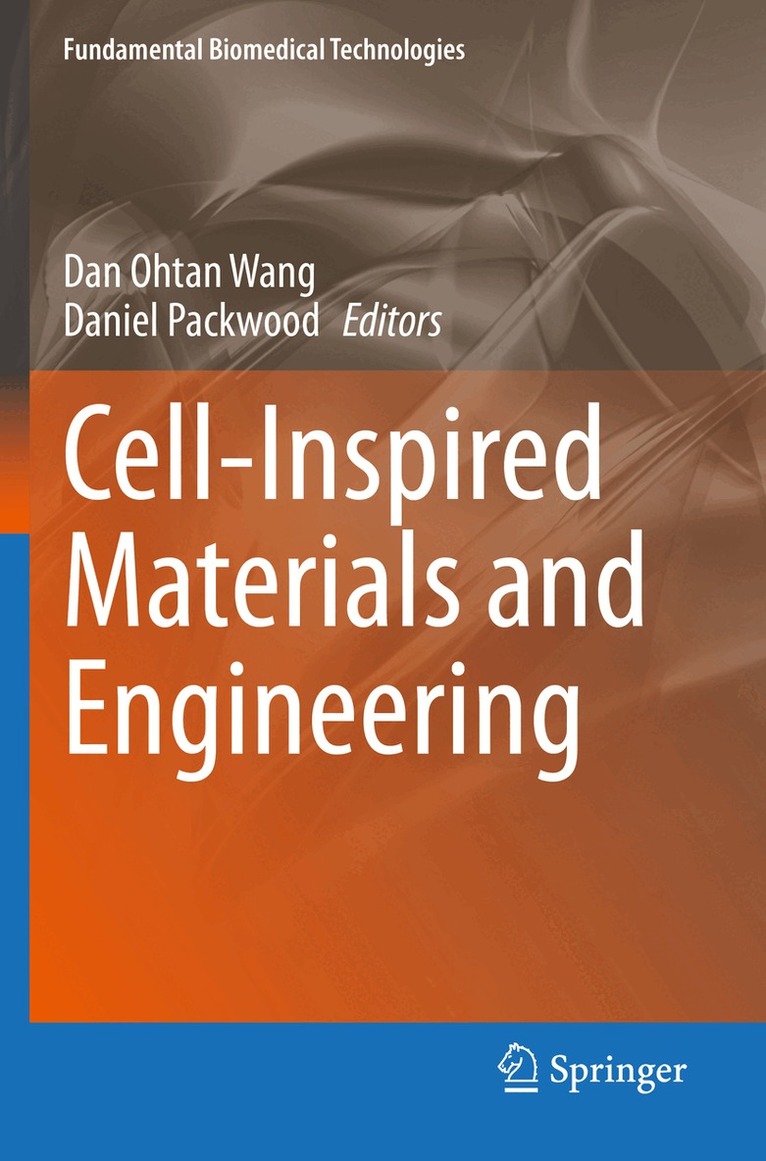
This book highlights cutting-edge studies in the development of cell-inspired biomaterials and synthetic materials that manipulate cell functions and provide the next generation with contemporary tools for treating complex human diseases. It explores the convergence of synthetic materials with cell and molecular biology and surveys how functional materials, when patterned with spatial and temporal precision, can be used effectively to maintain cell proliferation and phenotype in vitro, to trigger specific cell functions, and to redirect cell-fate decisions. Human stem cells are a frequently discussed subject in this book. This is an ideal book for students, cell biologists, researchers interested in interdisciplinary research, and biomedical engineers.This book also:Highlights successfully developed technologies in cell engineering that make possible new therapeutic development for previously untreatable conditionsCovers topics including bio-inspired micropatterning, DNA origami technology, synthetic NOS inspired by compartmentalized signaling in cells, and light-induced depolarization of the cell membraneIllustrates in detail the use of stem cells and synthetic scaffolds to model ethically sensitive embryonic tissues and organs
Inbunden, Engelska, 2026
2 322 kr
Kommande
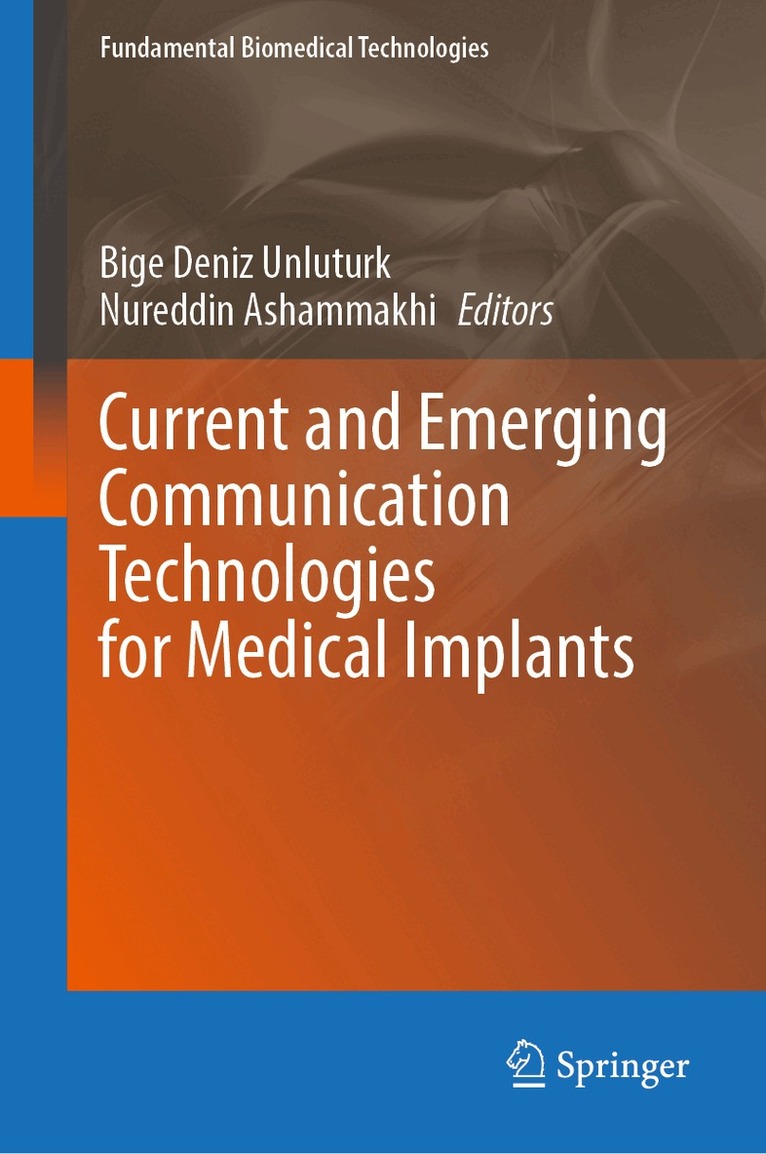
The increasing use of implants in the body for various therapeutic purposes has created a need to know the exact function of these implants while inside the body. This book highlights the recent advances in communication technologies, and discusses the development of implants that have the capacity to communicate with the outside world and inform care providers of the status of the implant. Health data collected from implants using such communication is of great importance to advancing research for a new generation of smart implants. This book explores how the control of implants remotely is also increasingly important, especially where intervention is needed, or if controlled release of active substances are required. The chapters cover types of implants where communication may be used, communication strategies, communication tools, powering, data acquisition, management and security, standardization, approvals, clinical translation, as well as current challenges and future research directions.This comprehensive book focuses specifically on communicating medical implants, thereby serving as a reference for basic scientists, electrical engineers, people working with sensors and communication technologies, information technology, healthcare providers, and clinicians.
Inbunden, Engelska, 2016
1 681 kr
Skickas inom 10-15 vardagar
A critical review is attempted to assess the status of nanomedicine entry onto the market. The emergence of new potential therapeutic entities such as DNA and RNA fragments requires that these new “drugs” will need to be delivered in a cell-and organelle-specific manner. Although efforts have been made over the last 50 years or so to develop such delivery technology, no effective and above all clinically approved protocol for cell-specific drug delivery in humans exists as yet. Various particles, macromolecules, liposomes and most recently “nanomaterials” have been said to “show promise” but none of these promises have so far been “reduced” to human clinical practice. The focus of this volume is on cancer indication since the majority of published research relates to this application; within that, we focus on solid tumors (solid malignancies). Our aim is critically to evaluate whether nanomaterials, both non-targeted and targeted to specific cells, could be of therapeutic benefit in clinical practice. The emphasis of this volume will be on pharmacokinetics (PK) and pharmacodynamics (PD) in animal and human studies. Apart from the case of exquisitely specific antibody-based drugs, the development of target-specific drug–carrier delivery systems has not yet been broadly successful at the clinical level. It can be argued that drugs generated using the conventional means of drug development (i.e., relying on facile biodistribution and activity after (preferably) oral administration) are not suitable for a target-specific delivery and would not benefit from such delivery even when a seemingly perfect delivery system is available. Therefore, successful development of site-selective drug delivery systems will need to include not only the development of suitable carriers, but also the development of drug entities that meet the required PK/PD profile.
Inbunden, Engelska, 2019
1 904 kr
Skickas inom 10-15 vardagar
This book provides an overview of the types, sources, and applications of stem cells in regenerating various ocular tissues, with a perspective on both potential applications of stem cells and possible challenges. The scope of the chapters include both preclinical and clinical applications, including stem cell-derived therapies based on endogenous tissue repair; stem cell transplantation and cell replacement therapy; gene therapy; and in vitro disease modelling. Additionally, the volume presents applications in both anterior and posterior ocular disease, with a particular focus on diseases of the ocular surface, cornea, limbus, and retina, including inherited retinal dystrophies as well as acquired diseases, such as age-related macular degeneration. Regenerative Medicine and Stem Cell Therapy for the Eye is an ideal book for advanced researchers in stem cell and ocular biology as well as clinical ophthalmologists, and will be of interest to readers with backgrounds indevelopmental biology and bioengineering. This book alsoSkillfully reviews cutting-edge advances in stem cell biology as applied to regenerative medicine and ocular diseaseProvides expert viewpoints on key hurdles and challenges to successful implementation of stem cell-derived therapies in the clinical domainOffers a multi-disciplinary, broad understanding of cell-based therapies for ocular diseases by incorporating perspectives from biomedical scientists, physicians, and engineersExamines the connection between cell therapy and gene editing, in particular relation to ocular disease
Inbunden, Engelska, 2011
2 239 kr
Skickas inom 10-15 vardagar
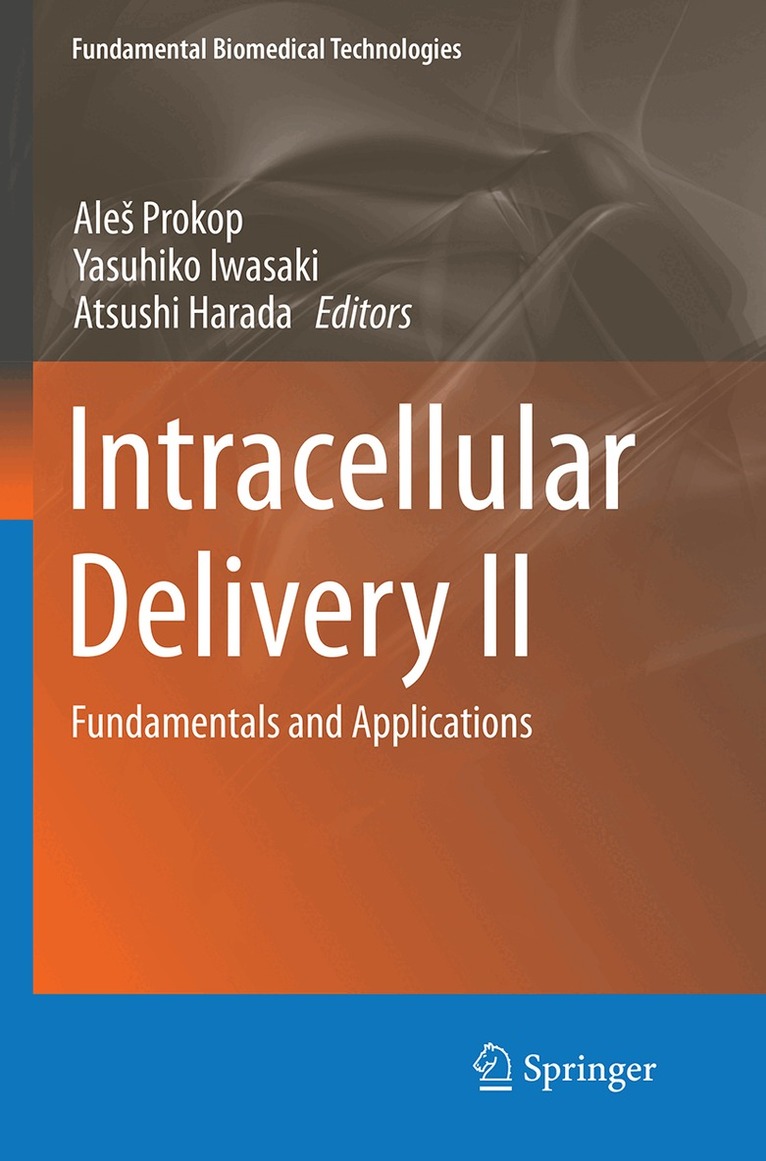
This book features a special subsection of Nanomedicine, an application of nanotechnology to achieve breakthroughs in healthcare. It exploits the improved and often novel physical, chemical and biological properties of materials only existent at the nanometer scale. As a consequence of small scale, nanosystems in most cases are efficiently uptaken by cells and appear to act at the intracellular level. Nanotechnology has the potential to improve diagnosis, treatment and follow-up of diseases, and includes targeted drug delivery and regenerative medicine; it creates new tools and methods that impact significantly upon existing conservative practices. This volume is a collection of authoritative reviews. In the introductory section we define the field (intracellular delivery). Then, the fundamental routes of nanodelivery devices, cellular uptake, types of delivery devices, particularly in terms of localized cellular delivery, both for small drug molecules, macromolecular drugs and genes; at the academic and applied levels, are covered. The following section is dedicated to enhancing delivery via special targeting motifs followed by the introduction of different types of intracellular nanodelivery devices (e.g. a brief description of their chemistry) and ways of producing these different devices. Finally, we put special emphasis on particular disease states and on other biomedical applications, whilst diagnostic and sensing issues are also included.Intracellular delivery / therapy is a highlytopical which will stir great interest. Intracellular delivery enables much more efficient drug delivery since the impact (on different organelles and sites) is intracellular as the drug is not supplied externally within the blood stream. There is great potential for targeted delivery with improved localized delivery and efficacy.
Inbunden, Engelska, 2014
1 681 kr
Skickas inom 10-15 vardagar
This volume is a continuation of Volume 1 following the previously published Editorial. More emphasis is given to novel nanocarrier designs, their characterization and function, and applications for drug discovery and treatment. A number of chapters will deal with nanofibers as a new major application within the biomedical field with a very high success rate particularly in wound healing and diabetic foot and spine injuries. A major new subdivision will deal with mathematical methods for the assembly of nanocarriers both for simulation and function.
Häftad, Engelska, 2017
2 059 kr
Skickas inom 5-8 vardagar
This volume is a continuation of Volume 1 following the previously published Editorial. More emphasis is given to novel nanocarrier designs, their characterization and function, and applications for drug discovery and treatment. A number of chapters will deal with nanofibers as a new major application within the biomedical field with a very high success rate particularly in wound healing and diabetic foot and spine injuries. A major new subdivision will deal with mathematical methods for the assembly of nanocarriers both for simulation and function.