Fundamentals of Philosophy Series – Serie
Visar alla böcker i serien Fundamentals of Philosophy Series. Handla med fri frakt och snabb leverans.
3 produkter
3 produkter
399 kr
Skickas
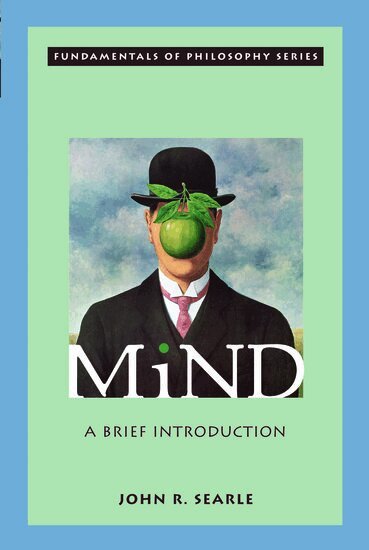
"The philosophy of mind is unique among contemporary philosophical subjects," writes John Searle, "in that all of the most famous and influential theories are false." In Mind, Searle dismantles these famous and influential theories as he presents a vividly written, comprehensive introduction to the mind.Here readers will find one of the world's most eminent thinkers shedding light on the central concern of modern philosophy. Searle begins with a look at the twelve problems of philosophy of mind--which he calls "Descartes and Other Disasters"--problems which he returns to throughout the volume, as he illuminates such topics as the freedom of the will, the actual operation of mental causation, the nature and functioning of the unconscious, the analysis of perception, and the concept of the self. One of the key chapters is on the mind-body problem, which Searle analyzes brilliantly. He argues that all forms of consciousness--from feeling thirsty to wondering how to translate Mallarmé--are caused by the behavior of neurons and are realized in the brain system, which is itself composed of neurons. But this does not mean that consciousness is nothing but neuronal behavior. The main point of having the concept of consciousness, Searle points out, is to capture the first person subjective features of the phenomenon and this point is lost if we redefine consciousness in third person objective terms. Described as a "dragonslayer by temperament," John Searle offers here a refreshingly direct and open discussion of philosophy, one that skewers accepted wisdom even as it offers striking new insights into the nature of consciousness and the mind.
812 kr
Skickas inom 3-6 vardagar
The fifth volume in the Fundamentals of Philosophy Series, Debating Sex and Gender by Georgia Warnke is a concise yet in-depth introduction to contemporary feminist thought on sex and gender. Featuring a lucid and accessible writing style, the book focuses on four historical debates: the relation and possible distinction between sex (biologically based) and gender (culturally based); questioning the binary (male-female) character of sex and gender; the idea of gender as a performance and as a performative; and the intersection of gender with race, class, and other features of identity. These discussions serve as guides for the first four chapters of the book. The fifth chapter strives to resolve the four issues by situating sex and gender within a broader theory of identity, arguing that sex and gender are ways of understanding who people are and do not define us any more than other characteristics do. Unique in its exploration of several different debates--and their relationship to each other--Debating Sex and Gender is ideal for use in a variety of feminist philosophy, women's studies, and gender studies courses.
556 kr
Skickas inom 5-8 vardagar
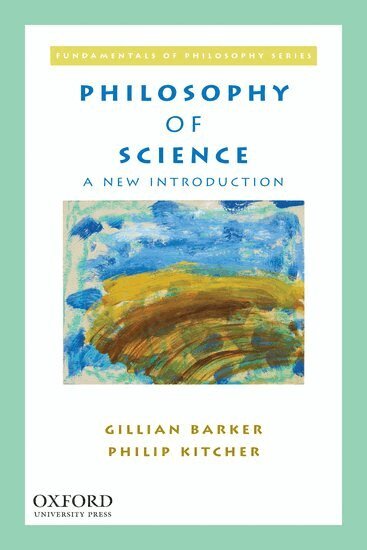
Offering an engaging and accessible portrait of the current state of the field, Philosophy of Science: A New Introduction shows students how to think philosophically about science and why it is both essential and fascinating to do so. Gillian Barker and Philip Kitcher reconsider the core questions in philosophy of science in light of the multitude of changes that have taken place in the decades since the publication of C.G. Hempel's classic work, Philosophy of Natural Science (1966)--both in the field and also in history and sociology of science and the sciences themselves. They explore how philosophical questions are connected to vigorous current debates--including climate change, science and religion, race, intellectual property rights, and medical research priorities--showing how these questions, and philosophers' attempts to answer them, matter in the real world.Featuring numerous illustrative examples and extensive further reading lists, Philosophy of Science: A New Introduction is ideal for courses in philosophy of science, history and philosophy of science, and epistemology/theory of knowledge. It is also compelling and illuminating reading for scientists, science students, and anyone interested in the natural sciences and in their place in global society today.