Gillian Barker - Böcker
Visar alla böcker från författaren Gillian Barker. Handla med fri frakt och snabb leverans.
4 produkter
4 produkter
556 kr
Skickas inom 5-8 vardagar
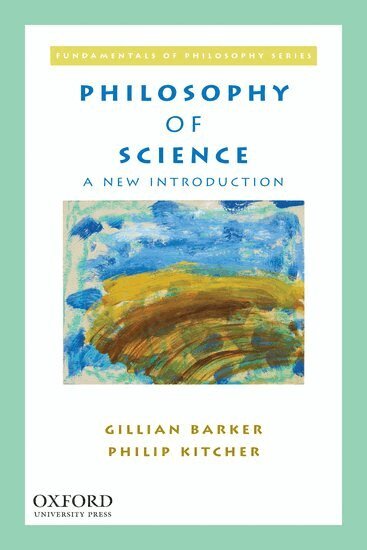
Offering an engaging and accessible portrait of the current state of the field, Philosophy of Science: A New Introduction shows students how to think philosophically about science and why it is both essential and fascinating to do so. Gillian Barker and Philip Kitcher reconsider the core questions in philosophy of science in light of the multitude of changes that have taken place in the decades since the publication of C.G. Hempel's classic work, Philosophy of Natural Science (1966)--both in the field and also in history and sociology of science and the sciences themselves. They explore how philosophical questions are connected to vigorous current debates--including climate change, science and religion, race, intellectual property rights, and medical research priorities--showing how these questions, and philosophers' attempts to answer them, matter in the real world.Featuring numerous illustrative examples and extensive further reading lists, Philosophy of Science: A New Introduction is ideal for courses in philosophy of science, history and philosophy of science, and epistemology/theory of knowledge. It is also compelling and illuminating reading for scientists, science students, and anyone interested in the natural sciences and in their place in global society today.
604 kr
Skickas inom 3-6 vardagar
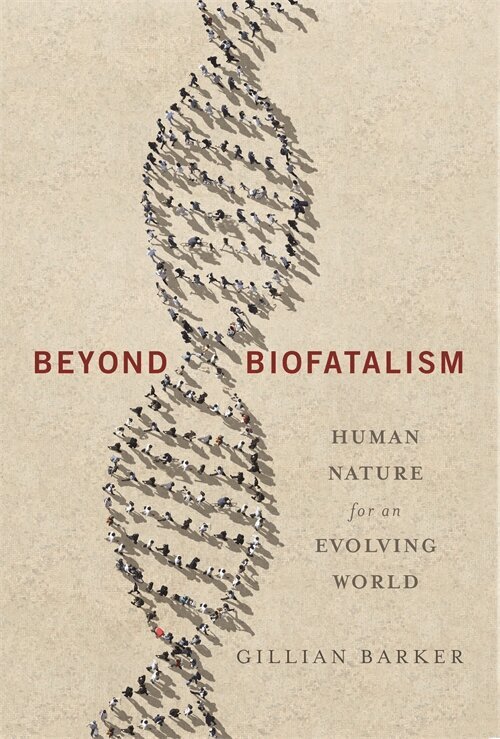
Beyond Biofatalism is a lively and penetrating response to the idea that evolutionary psychology reveals human beings to be incapable of building a more inclusive, cooperative, and egalitarian society. Considering the pressures of climate change, unsustainable population growth, increasing income inequality, and religious extremism, this attitude promises to stifle the creative action we require before we even try to meet these threats. Beyond Biofatalism provides the perspective we need to understand that better societies are not only possible but actively enabled by human nature. Gillian Barker appreciates the methods and findings of evolutionary psychologists, but she considers their work against a broader background to show human nature is surprisingly open to social change. Like other organisms, we possess an active plasticity that allows us to respond dramatically to certain kinds of environmental variation, and we engage in niche construction, modifying our environment to affect others and ourselves.Barker uses related research in social psychology, developmental biology, ecology, and economics to reinforce this view of evolved human nature, and philosophical exploration to reveal its broader implications. The result is an encouraging foundation on which to build better approaches to social, political, and other institutional changes that could enhance our well-being and chances for survival.
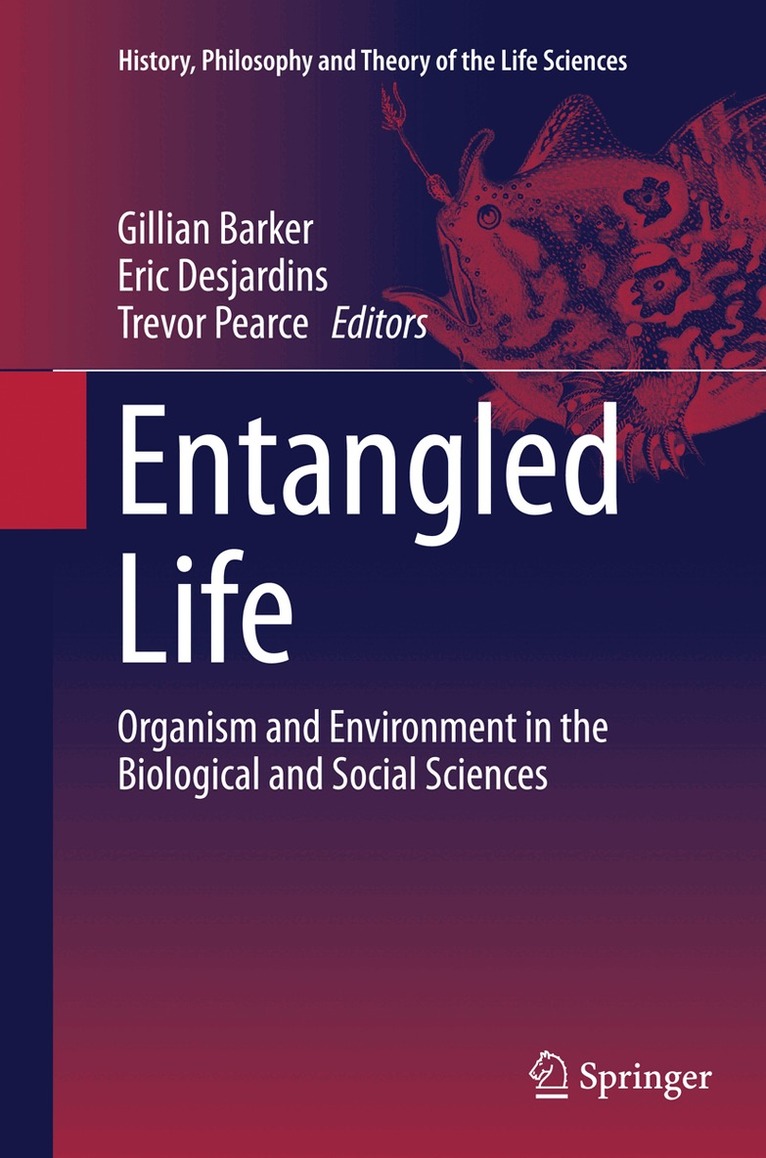
Entangled Life
Organism and Environment in the Biological and Social Sciences
Inbunden, Engelska, 2013
1 387 kr
Skickas inom 10-15 vardagar
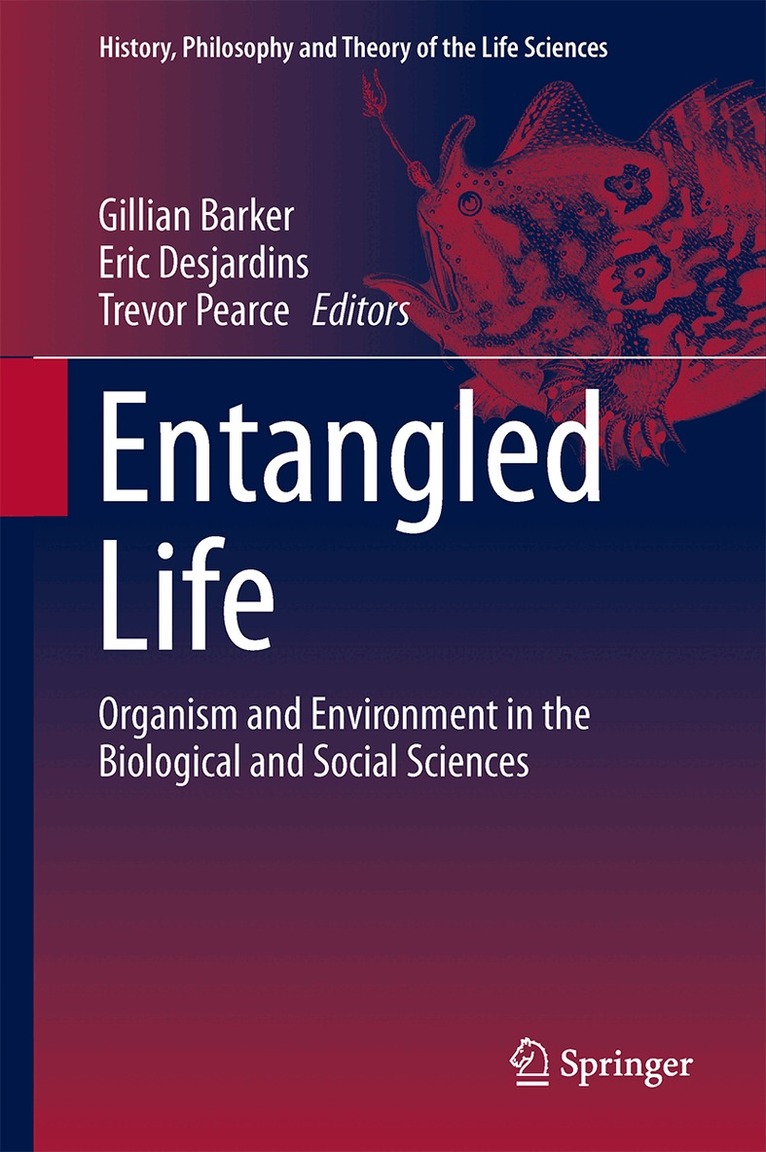
This volume explores the interactions between organisms and their environments and how this “entanglement” is a fundamental aspect of all life. It brings together the work and ideas of historians, philosophers, biologists, and social scientists, uniting a range of new perspectives, methods, and frameworks for examining and understanding the ways that organisms and environments interact.The volume is organized into three main sections: historical perspectives, contested models, and emerging frameworks. The first section explores the origins of the modern idea of organism-environment interaction in the mid-nineteenth century and its development by later psychologists and anthropologists. In the second section, a variety of controversial models—from mathematical representations of evolution to model organisms in medical research—are discussed and reframed in light of recent questions about the interplay between organisms and environment. The third section investigates several new ideas that have the potential to reshape key aspects of the biological and social sciences. Populations of organisms evolve in response to changing environments; bodies and minds depend on a wide array of circumstances for their development; cultures create complex relationships with the natural world even as they alter it irrevocably. The chapters in this volume share a commitment to unraveling the mysteries of this entangled life.
1 387 kr
Skickas inom 10-15 vardagar
This volume explores the interactions between organisms and their environments and how this “entanglement” is a fundamental aspect of all life. It brings together the work and ideas of historians, philosophers, biologists, and social scientists, uniting a range of new perspectives, methods, and frameworks for examining and understanding the ways that organisms and environments interact.The volume is organized into three main sections: historical perspectives, contested models, and emerging frameworks. The first section explores the origins of the modern idea of organism-environment interaction in the mid-nineteenth century and its development by later psychologists and anthropologists. In the second section, a variety of controversial models—from mathematical representations of evolution to model organisms in medical research—are discussed and reframed in light of recent questions about the interplay between organisms and environment. The third section investigates several new ideas that have the potential to reshape key aspects of the biological and social sciences. Populations of organisms evolve in response to changing environments; bodies and minds depend on a wide array of circumstances for their development; cultures create complex relationships with the natural world even as they alter it irrevocably. The chapters in this volume share a commitment to unraveling the mysteries of this entangled life.