Global Education Monitoring Report – serie
Visar alla böcker i serien Global Education Monitoring Report. Handla med fri frakt och snabb leverans.
4 produkter
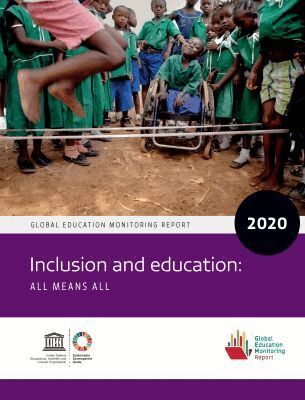
Global Education Monitoring Report 2020
Inclusion and Education - All Means All
Av United Nations Educational Scientific and Cultural Organization, United Nations
Häftad, 2021
1067 kr
Lägg i varukorg
This publication assesses progress towards Sustainable Development Goal 4 (SDG 4) on education and its ten targets, as well as other related education targets in the SDG agenda. It addresses inclusion in education, drawing attention to all those excluded from education, because of background or …
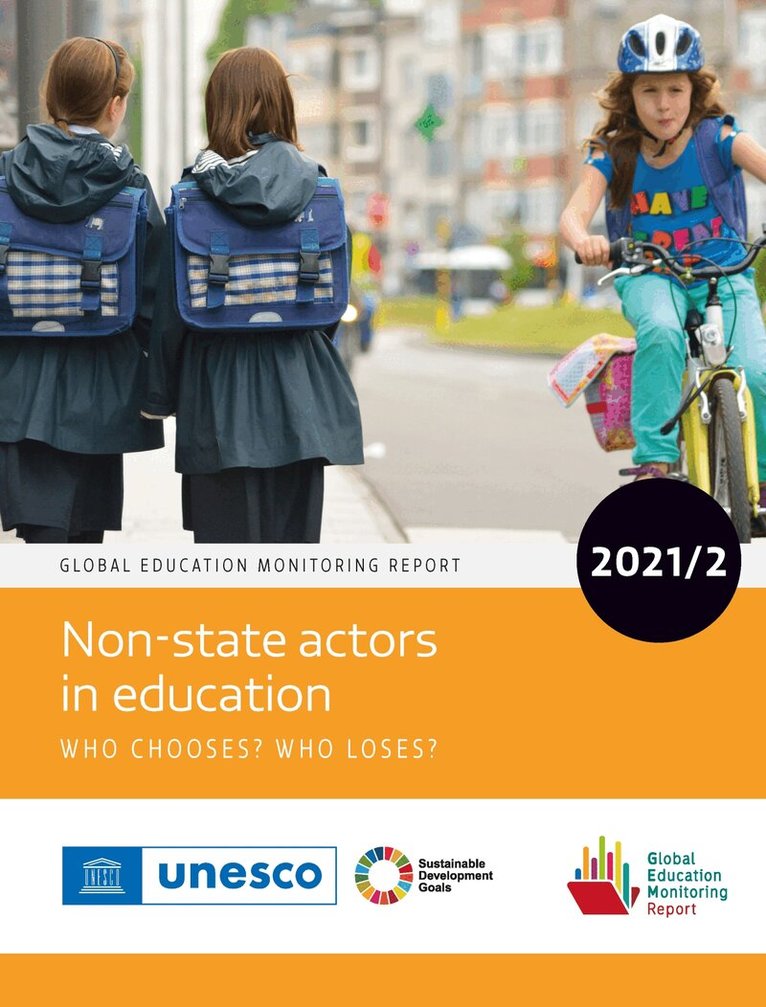
Global Education Monitoring Report 2021/2
Non-state Actors in Education: Who Chooses? Who Loses?
Av United Nations Educational Scientific and Cultural Organization
Häftad, 2023
1037 kr
Lägg i varukorg
Non-state actors' role extends beyond provision of schooling to interventions at various education levels and influence spheres. Alongside its review of progress towards SDG 4, including emerging evidence on the COVID-19 pandemic's impact, the 2021/2 Global Education Monitoring Report urges …
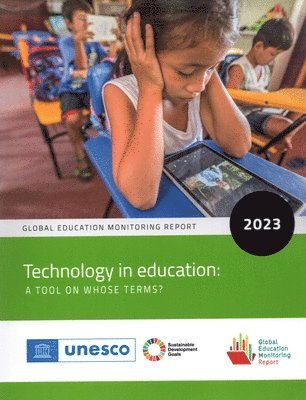
Global Education Monitoring Report 2023
Technology in Education - a Tool on Whose Terms?
Av Scientific and Cultural Organization United Nations Educational, United Nations
Häftad, 2024
1037 kr
Lägg i varukorg
As recognised in the Incheon Declaration, the achievement of SDG 4 is dependent on opportunities and challenges posed by technology, a relationship that was strengthened by the onset of the COVID-19 pandemic. Technology appears in six out of the ten targets in the fourth Sustainable Development …
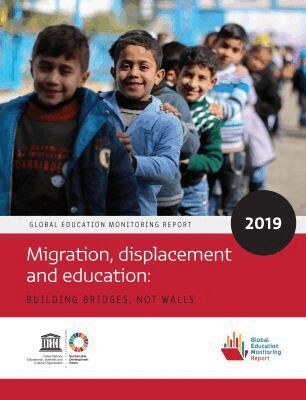
Global Education Monitoring Report 2019
Migration, Displacement and Education – Building Bridges, not Walls
Av United Nations Educational Scientific and Cultural Organization UNESCO, United Nations
Häftad, 2019
712 kr
Tillfälligt slut
The Report examines the education impact of migration and displacement across all population movements: within and across borders, voluntary and forced, for employment and education. It also reviews progress on education in the 2030 Agenda for Sustainable Development. In view of increasing …