Global French Histories – serie
Visar alla böcker i serien Global French Histories. Handla med fri frakt och snabb leverans.
6 produkter
6 produkter
Häftad, Engelska, 2027
276 kr
Kommande
Roads out of French Empire opens new windows into the political, social and cultural negotiations that constituted efforts to reconfigure the French empire in the 20th century. It does this by situating key sites and moments of French imperialism and anti-colonialism in the period from 1931 to 1962 within a more entangled global perspective.Each case study in the book reveals how a pivotal moment in French imperial history occurred within a globally connected context. These case studies are analysed as locations in space and time which have been key to defining and re-defining multiple and often conflicting histories within the Francophone world. They are understood on their own terms - in respect to each location’s much longer national and regional histories and to the historically contingent motivations of the relevant historical actors - rather than as episodes in French history. In so doing, the book de-centres the colonial metropole of Paris by placing it within a constellation of locations throughout the French empire.
Inbunden, Engelska, 2027
802 kr
Kommande
Roads out of French Empire opens new windows into the political, social and cultural negotiations that constituted efforts to reconfigure the French empire in the 20th century. It does this by situating key sites and moments of French imperialism and anti-colonialism in the period from 1931 to 1962 within a more entangled global perspective.Each case study in the book reveals how a pivotal moment in French imperial history occurred within a globally connected context. These case studies are analysed as locations in space and time which have been key to defining and re-defining multiple and often conflicting histories within the Francophone world. They are understood on their own terms - in respect to each location’s much longer national and regional histories and to the historically contingent motivations of the relevant historical actors - rather than as episodes in French history. In so doing, the book de-centres the colonial metropole of Paris by placing it within a constellation of locations throughout the French empire.
Häftad, Engelska, 2026
321 kr
Skickas
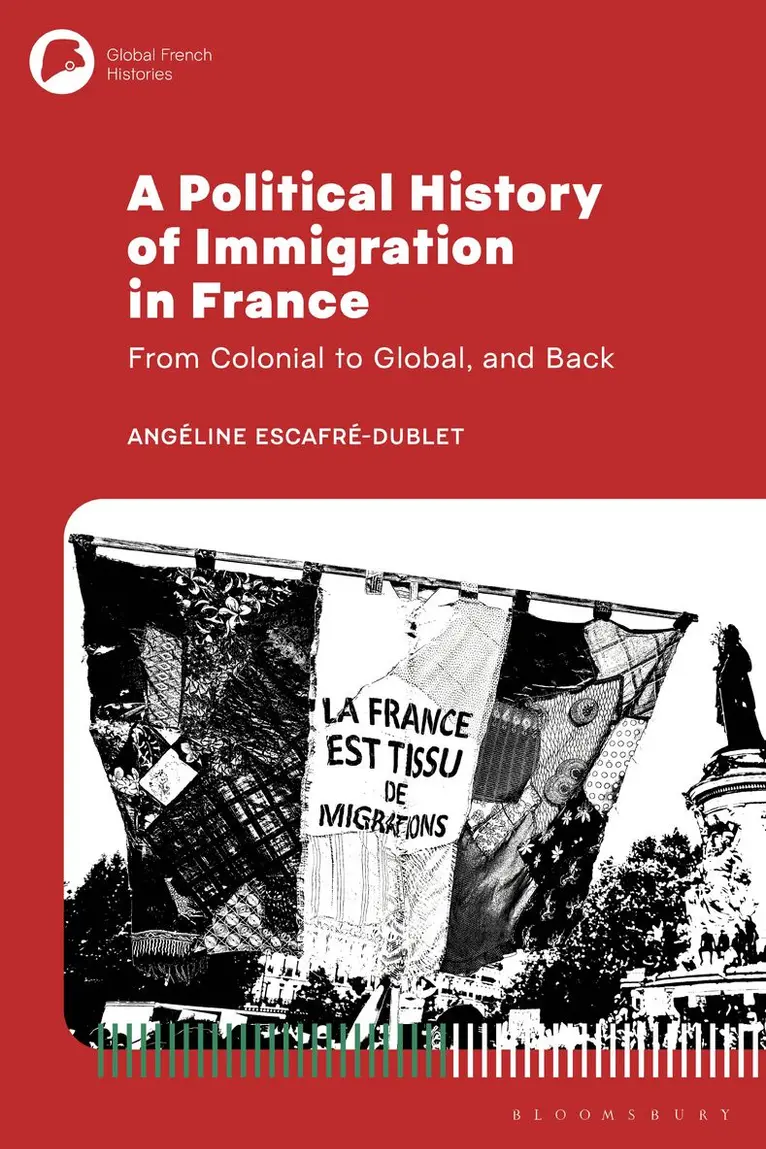
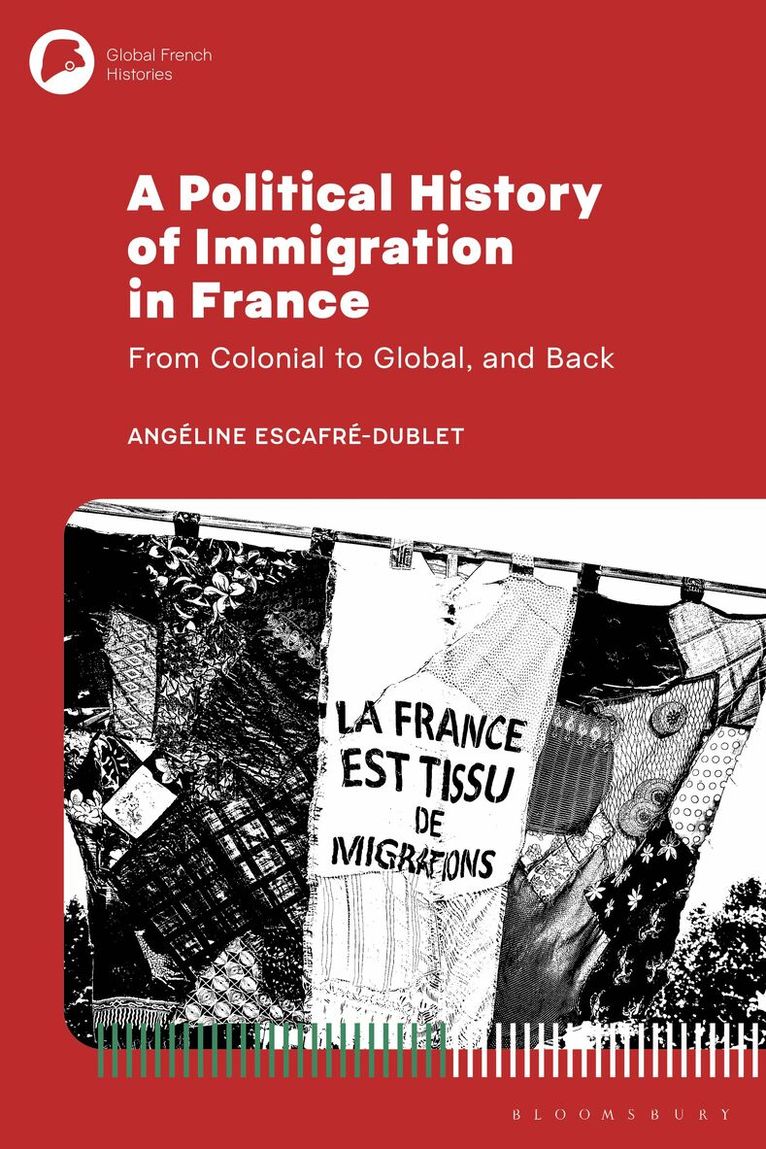
This book is an enquiry into the making of a ‘country of immigration’ and how a demographic statistic can become such a controversial issue that occupies the top of the political agenda. Angéline Escafré-Dublet starts from the overlooked fact that even though France became a country of immigration as early as the mid-19th century, because of its lagging population growth, it was only in the late-20th century that French people started to think of themselves as living in a country of immigration. The book is about this change in identity and the ways in which the politics of migration - a much broader and globally connected process - came to redefine France in the second half of the 20th century.A Political History of Immigration in France is chronologically arranged in order to show the various stages the politics of immigration has been through: from a mere economic issue to a defining feature of contemporary politics. It draws on original research in the archives of the French administration, data on the implementation of public policies since the 2000s and oral interviews about the lived experience of immigrants. In so doing, Escafré-Dublet portrays a variety of historical actors, including politicians, administrative officials, social workers, activists, artists and citizens, who contributed to shaping the understanding of immigration issues today.
Inbunden, Engelska, 2026
939 kr
Skickas inom 10-15 vardagar
This book is an enquiry into the making of a ‘country of immigration’ and how a demographic statistic can become such a controversial issue that occupies the top of the political agenda. Angéline Escafré-Dublet starts from the overlooked fact that even though France became a country of immigration as early as the mid-19th century, because of its lagging population growth, it was only in the late-20th century that French people started to think of themselves as living in a country of immigration. The book is about this change in identity and the ways in which the politics of migration - a much broader and globally connected process - came to redefine France in the second half of the 20th century.A Political History of Immigration in France is chronologically arranged in order to show the various stages the politics of immigration has been through: from a mere economic issue to a defining feature of contemporary politics. It draws on original research in the archives of the French administration, data on the implementation of public policies since the 2000s and oral interviews about the lived experience of immigrants. In so doing, Escafré-Dublet portrays a variety of historical actors, including politicians, administrative officials, social workers, activists, artists and citizens, who contributed to shaping the understanding of immigration issues today.
E-bok
PDF, Engelska, 2026343 kr
Läs direkt efter köp
This book is an enquiry into the making of a 'country of immigration' and how a demographic statistic can become such a controversial issue that occupies the top of the political agenda. Ang line Escafr -Dublet starts from the overlooked fact that even though France became a country of immigration as early as the mid-19th century, because of its lagging population growth, it was only in the late-20th century that French people started to think of themselves as living in a country of immigration. The book is about this change in identity and the ways in which the politics of migration - a much broader and globally connected process - came to redefine France in the second half of the 20th century.A Political History of Immigration in France is chronologically arranged in order to show the various stages the politics of immigration has been through: from a mere economic issue to a defining feature of contemporary politics. It draws on original research in the archives of the French administration, data on the implementation of public policies since the 2000s and oral interviews about the lived experience of immigrants. In so doing, Escafr -Dublet portrays a variety of historical actors, including politicians, administrative officials, social workers, activists, artists and citizens, who contributed to shaping the understanding of immigration issues today.
E-bok
Engelska, 2026343 kr
Läs direkt efter köp
This book is an enquiry into the making of a 'country of immigration' and how a demographic statistic can become such a controversial issue that occupies the top of the political agenda. Ang line Escafr -Dublet starts from the overlooked fact that even though France became a country of immigration as early as the mid-19th century, because of its lagging population growth, it was only in the late-20th century that French people started to think of themselves as living in a country of immigration. The book is about this change in identity and the ways in which the politics of migration - a much broader and globally connected process - came to redefine France in the second half of the 20th century.A Political History of Immigration in France is chronologically arranged in order to show the various stages the politics of immigration has been through: from a mere economic issue to a defining feature of contemporary politics. It draws on original research in the archives of the French administration, data on the implementation of public policies since the 2000s and oral interviews about the lived experience of immigrants. In so doing, Escafr -Dublet portrays a variety of historical actors, including politicians, administrative officials, social workers, activists, artists and citizens, who contributed to shaping the understanding of immigration issues today.