Global Governance and International Organizations – serie
Visar alla böcker i serien Global Governance and International Organizations. Handla med fri frakt och snabb leverans.
4 produkter
4 produkter
1 944 kr
Skickas inom 10-15 vardagar
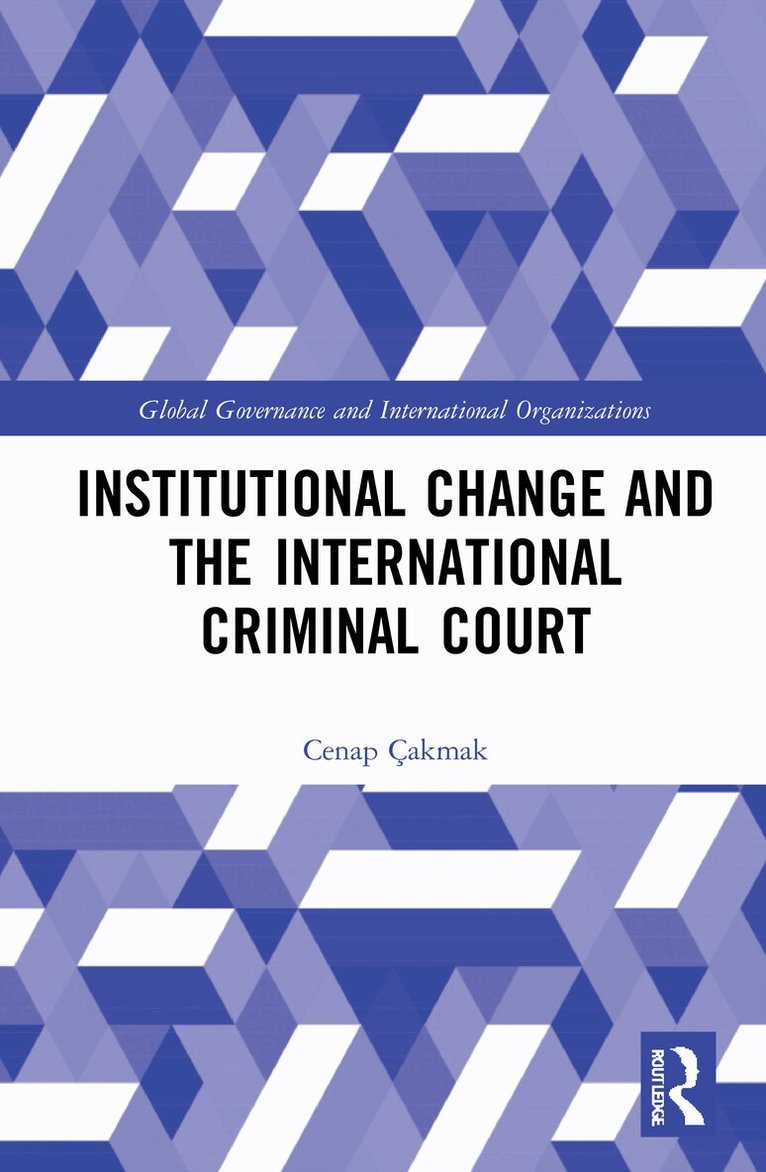
This book explores the dynamics and trajectories of change in international politics through an English School analysis of primary institutions including international law, sovereignty and diplomacy, with particular reference to the creation of the International Criminal Court (ICC).The study argues that it serves as an important indicator and model for redefining international politics, particularly through its impact upon three major institutions as prescribed by the English School: international law, sovereignty and diplomacy. The author explores three major areas: the ICC’s contribution to the consolidation of the individual as a subject of the international law; the significance of the Court and its jurisdiction in terms of the state sovereignty; and the strong and determinative role of non-state actors active on global level during the diplomatic process upheld for the making of the norms and rules during the creation of the ICC. These three fields of change, point out to the redefinition and reconstruction of international politics, heralding a solidarist vision of international society. The book will be of particular interest to researchers in the field of the IR, as well as graduate students interested in IR theory, international law, and international organizations.
569 kr
Skickas inom 10-15 vardagar
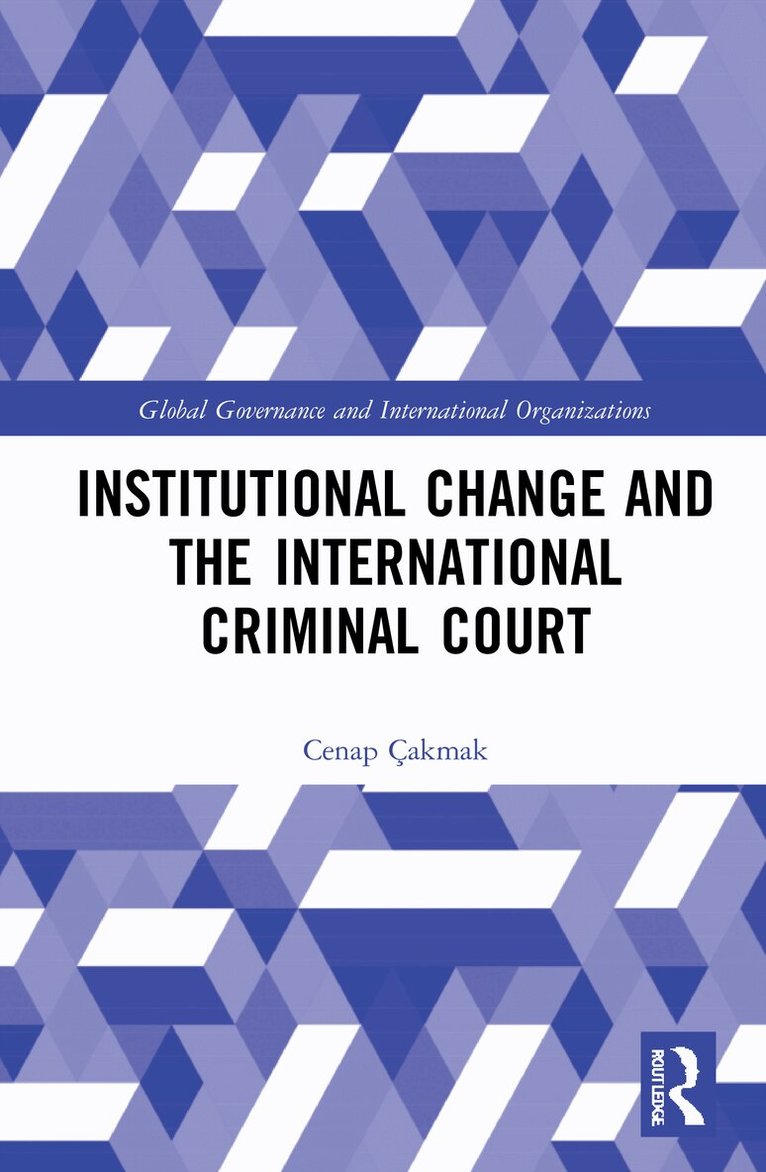
This book explores the dynamics and trajectories of change in international politics through an English School analysis of primary institutions including international law, sovereignty and diplomacy, with particular reference to the creation of the International Criminal Court (ICC).The study argues that it serves as an important indicator and model for redefining international politics, particularly through its impact upon three major institutions as prescribed by the English School: international law, sovereignty and diplomacy. The author explores three major areas: the ICC’s contribution to the consolidation of the individual as a subject of the international law; the significance of the Court and its jurisdiction in terms of the state sovereignty; and the strong and determinative role of non-state actors active on global level during the diplomatic process upheld for the making of the norms and rules during the creation of the ICC. These three fields of change, point out to the redefinition and reconstruction of international politics, heralding a solidarist vision of international society. The book will be of particular interest to researchers in the field of the IR, as well as graduate students interested in IR theory, international law, and international organizations.
1 909 kr
Skickas inom 10-15 vardagar
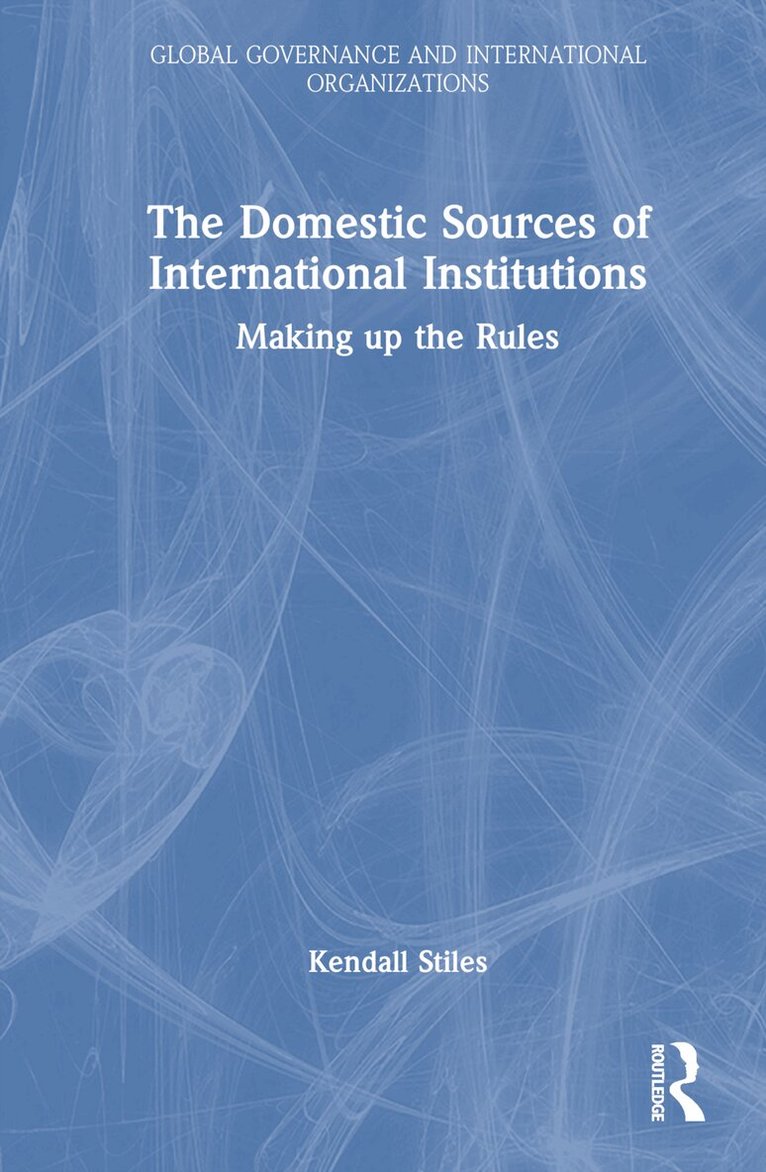
This book explores a new way of thinking about diplomacy, warfare, trade, and collective goods that begins with the notion that key international actors project their domestic institutions onto the regional or global arena. Exploring the emergence, consolidation, and decay of international norms, the author puts forward a general argument designed to identify patterns across time and space, combining key insights from constructivist, liberal, classical realist, English School, and feminist thinking. By moving from institution to institution, each chapter presents a coherent story ranging from antiquity to the contemporary world allowing us to see not only the patterns, but also to begin to develop conjectures about other causal stories implicit in the narrative. The book will be used by scholars and students of international relations, international organization and law, security studies, political economy, historical sociology, regionalism, and a wide range of specific topics such as arms control, trade, migration, identity, and collective goods.
550 kr
Skickas inom 10-15 vardagar
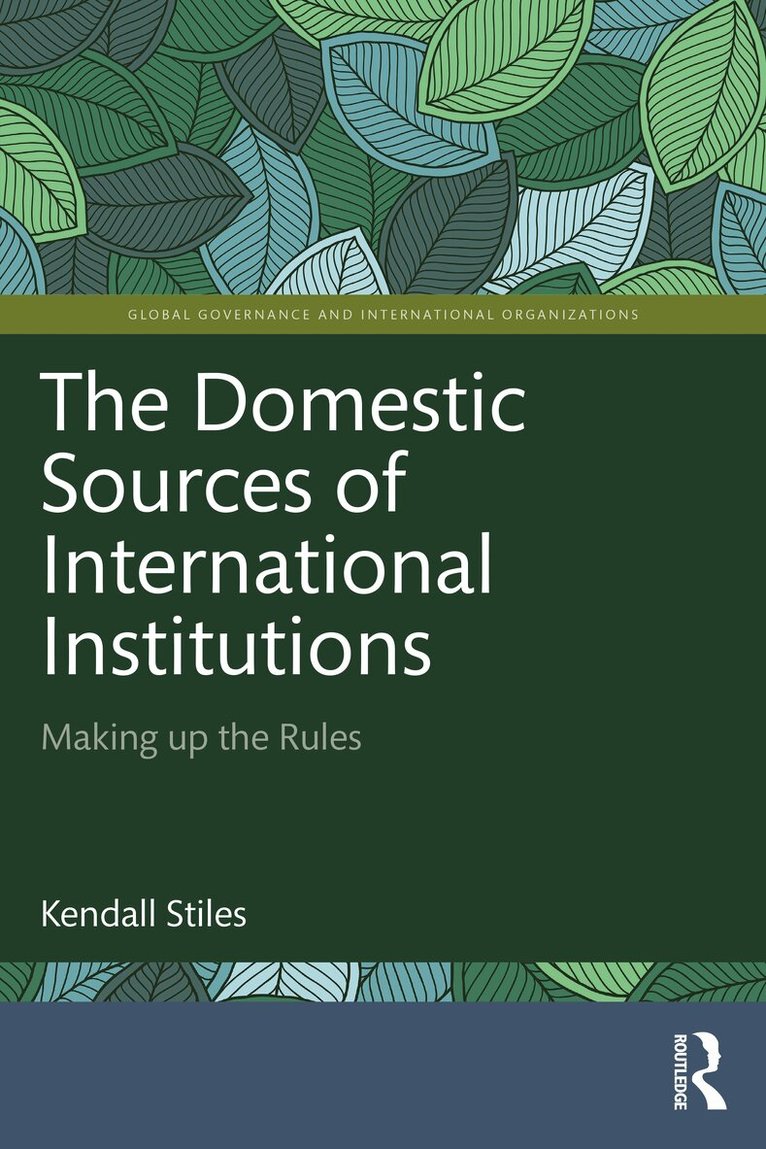
This book explores a new way of thinking about diplomacy, warfare, trade, and collective goods that begins with the notion that key international actors project their domestic institutions onto the regional or global arena. Exploring the emergence, consolidation, and decay of international norms, the author puts forward a general argument designed to identify patterns across time and space, combining key insights from constructivist, liberal, classical realist, English School, and feminist thinking. By moving from institution to institution, each chapter presents a coherent story ranging from antiquity to the contemporary world allowing us to see not only the patterns, but also to begin to develop conjectures about other causal stories implicit in the narrative. The book will be used by scholars and students of international relations, international organization and law, security studies, political economy, historical sociology, regionalism, and a wide range of specific topics such as arms control, trade, migration, identity, and collective goods.