Ground Vehicle Engineering - Böcker
Visar alla böcker i serien Ground Vehicle Engineering. Handla med fri frakt och snabb leverans.
14 produkter
14 produkter
1 897 kr
Skickas inom 10-15 vardagar
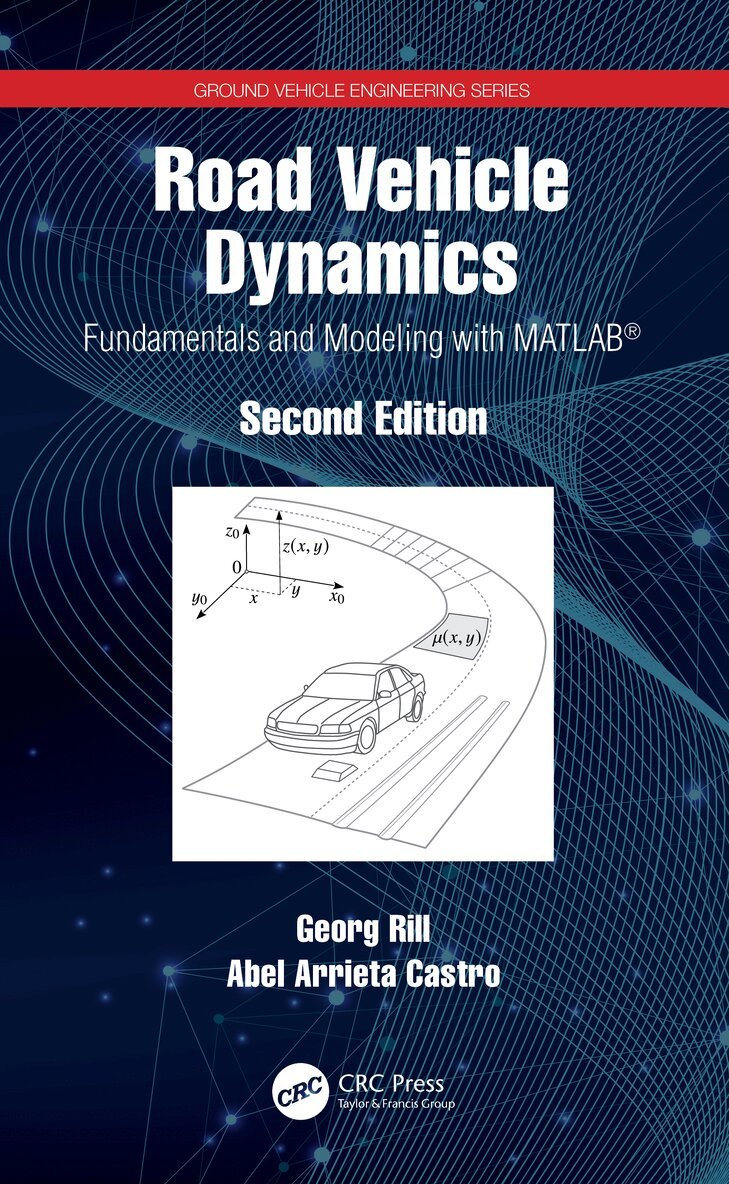
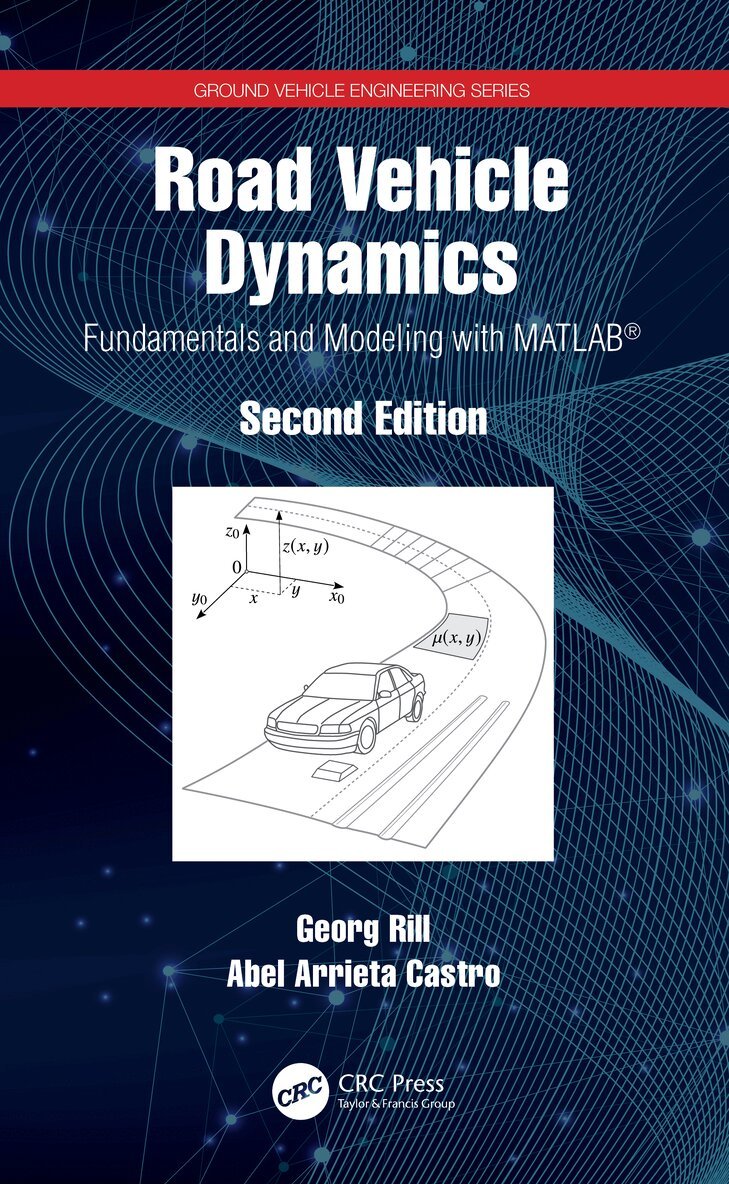
Road Vehicle Dynamics: Fundamentals and Modeling with MATLAB®, Second Edition combines coverage of vehicle dynamics concepts with MATLAB v9.4 programming routines and results, along with examples and numerous chapter exercises. Improved and updated, the revised text offers new coverage of active safety systems, rear wheel steering, race car suspension systems, airsprings, four-wheel drive, mechatronics, and other topics. Based on the lead author's extensive lectures, classes, and research activities, this unique text provides readers with insights into the computer-based modeling of automobiles and other ground vehicles. Instructor resources, including problem solutions, are available from the publisher.
1 897 kr
Skickas inom 10-15 vardagar
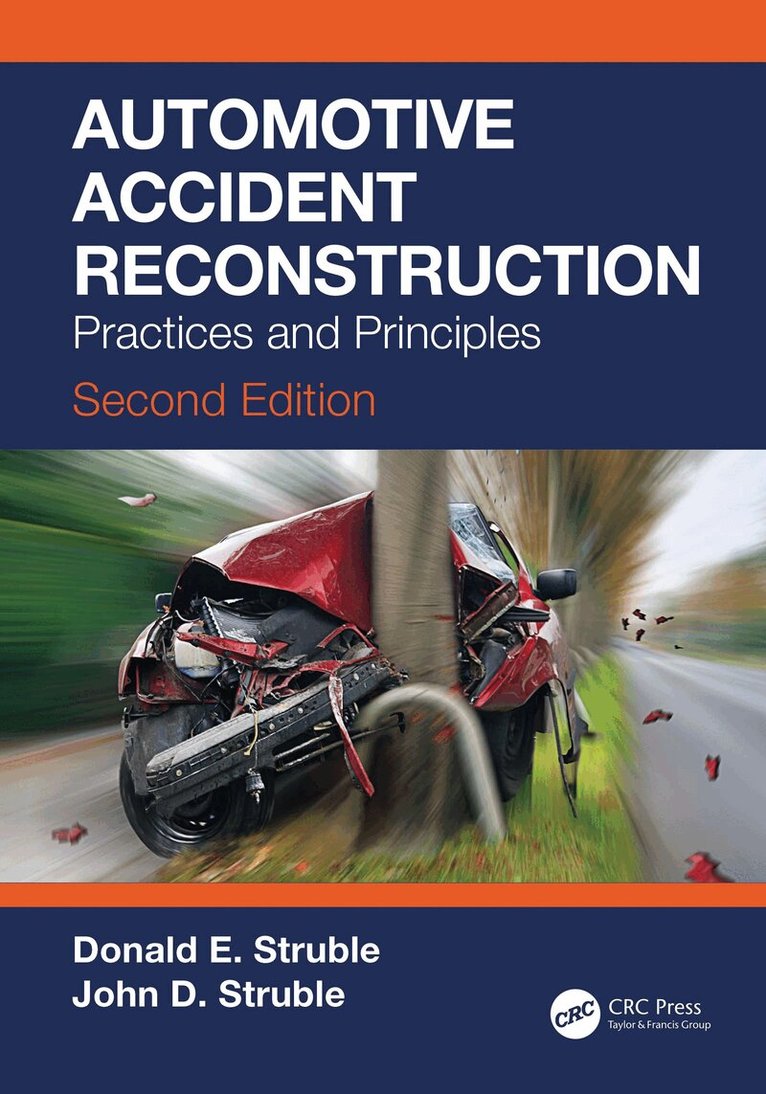
This fully updated edition presents practices and principles applicable for the reconstruction of automobile and commercial truck crashes. Like the First Edition, it starts at the very beginning with fundamental principles, information sources, and data gathering and inspection techniques for accident scenes and vehicles. It goes on to show how to analyze photographs and crash test data. The book presents tire fundamentals and shows how to use them in spreadsheet-based reverse trajectory analysis. Such methods are also applied to reconstructing rollover crashes. Impacts with narrow fixed objects are discussed. Impact mechanics, structural dynamics, and conservation-based reconstruction methods are presented. The book contains a comprehensive treatment of crush energy and how to develop structural stiffness properties from crash test data. Computer simulations are reviewed and discussed.Extensively revised, this edition contains new material on side pole impacts. It has entirely new chapters devoted to low-speed impacts, downloading electronic data from vehicles, deriving structural stiffness in side impacts, and incorporating electronic data into accident reconstructions
2 235 kr
Skickas inom 10-15 vardagar
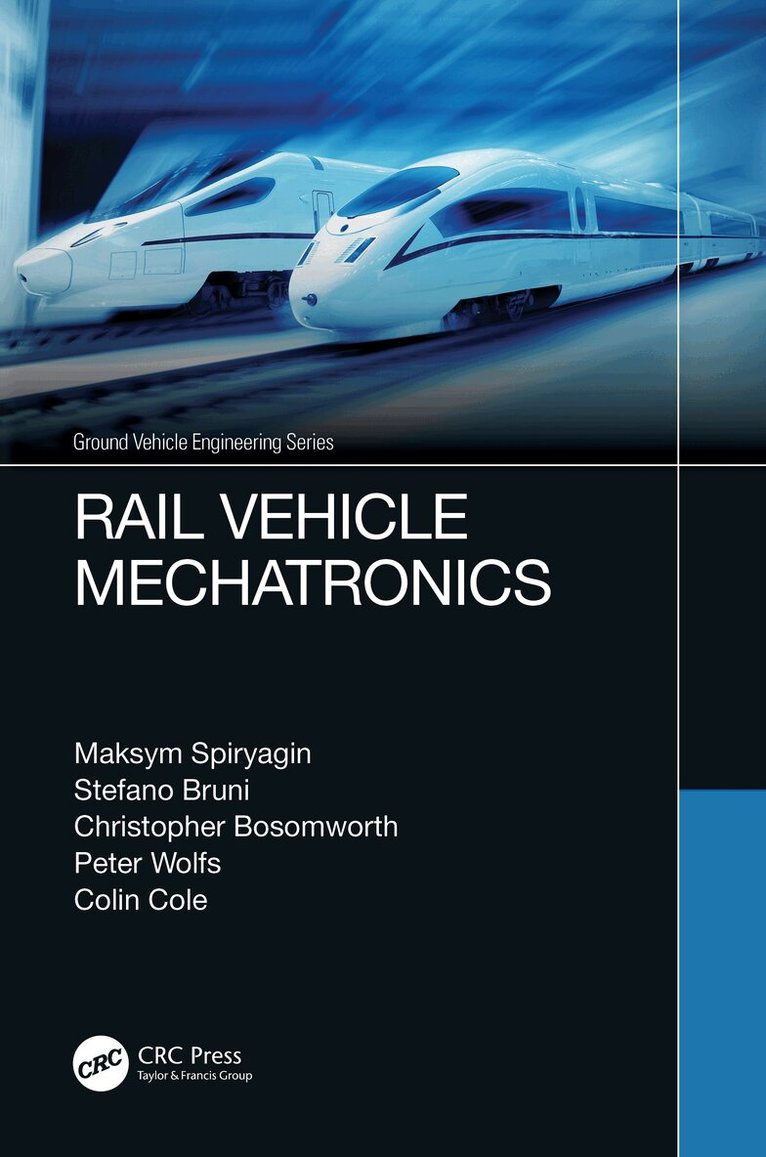
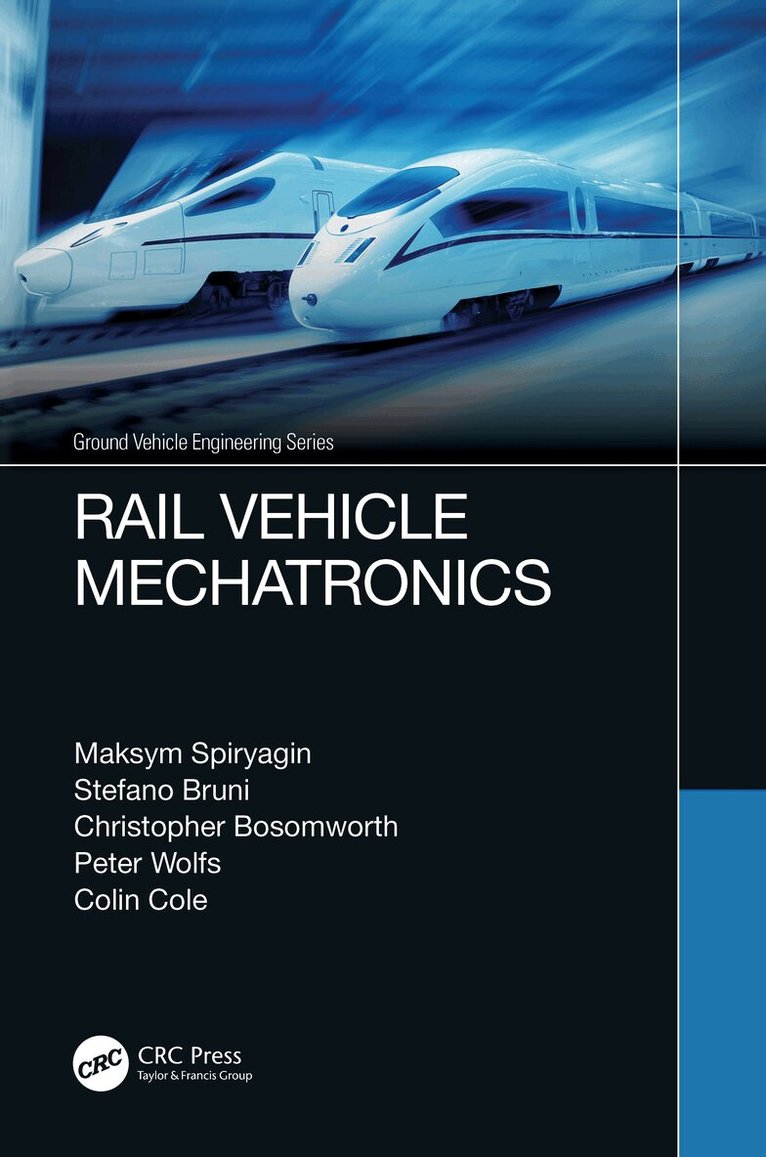
This unique and up-to-date work surveys the use of mechatronics in rail vehicles, notably traction, braking, communications, data sharing, and control. The results include improved safety, comfort, and fuel efficiency.Mechatronic systems are a key element in modern rail vehicle design and operation. Starting with an overview of mechatronic theory, the book covers such topics as modeling of mechanical and electrical systems for rail vehicles, open and closed loop control systems, sensors, actuators, and microprocessors. Modern simulation techniques and examples are included throughout the book. Numerical experiments and developed models for railway application are presented and explained. Case studies are used, alongside practical examples, to ensure that the reader can apply mechatronic theory to real world conditions. These case studies include modeling of a hybrid locomotive and simplified models of railway vehicle lateral dynamics for suspension control studies.Rail Vehicle Mechatronics provides current and in-depth content for design engineers, operations managers, systems engineers, and technical consultants working with freight, passenger, and urban transit railway systems worldwide.
709 kr
Skickas inom 10-15 vardagar
Road Vehicle Dynamics: Fundamentals and Modeling with MATLAB®, Second Edition combines coverage of vehicle dynamics concepts with MATLAB v9.4 programming routines and results, along with examples and numerous chapter exercises. Improved and updated, the revised text offers new coverage of active safety systems, rear wheel steering, race car suspension systems, airsprings, four-wheel drive, mechatronics, and other topics. Based on the lead author's extensive lectures, classes, and research activities, this unique text provides readers with insights into the computer-based modeling of automobiles and other ground vehicles. Instructor resources, including problem solutions, are available from the publisher.
1 289 kr
Skickas inom 10-15 vardagar
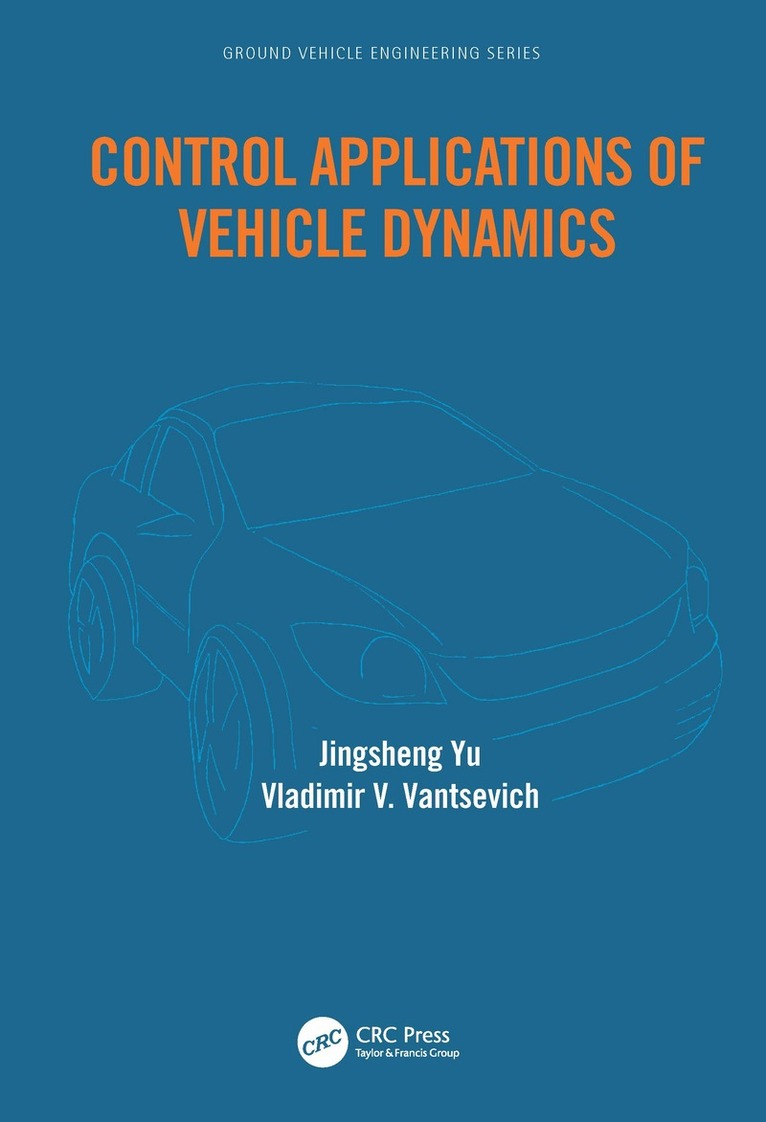
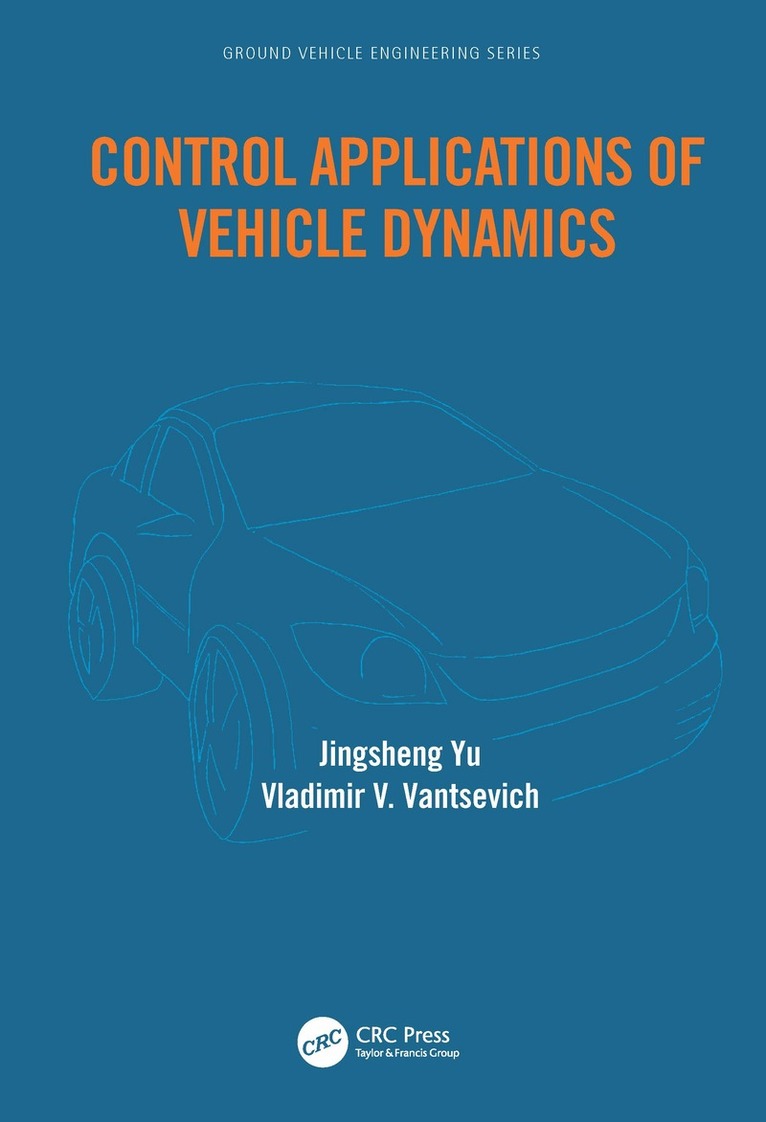
This book presents essential knowledge of car vehicle dynamics and control theory with NI LabVIEW software product application, resulting in a practical yet highly technical guide for designing advanced vehicle dynamics and vehicle system controllers. Presenting a clear overview of fundamental vehicle dynamics and vehicle system mathematical models, the book covers linear and non-linear design of model based controls such as wheel slip control, vehicle speed control, path following control, vehicle stability and rollover control, stabilization of vehicle-trailer system. Specific applications to autonomous vehicles are described among the methods. It details the practical applications of Kalman-Bucy filtering and the observer design for sensor signal estimation, alongside lateral vehicle dynamics and vehicle rollover dynamics. The book also discusses high level controllers, alongside a clear explanation of basic control principles for regenerative braking in both electric and hybrid vehicles, and wheel torque vectoring systems. Concrete LabVIEW simulation examples of how the models and controls are used in representative applications, along with software algorithms and LabVIEW block diagrams are illustrated. It will be of interest to engineering students, automotive engineering students and automotive engineers and researchers.
668 kr
Skickas inom 10-15 vardagar
This book presents essential knowledge of car vehicle dynamics and control theory with NI LabVIEW software product application, resulting in a practical yet highly technical guide for designing advanced vehicle dynamics and vehicle system controllers. Presenting a clear overview of fundamental vehicle dynamics and vehicle system mathematical models, the book covers linear and non-linear design of model based controls such as wheel slip control, vehicle speed control, path following control, vehicle stability and rollover control, stabilization of vehicle-trailer system. Specific applications to autonomous vehicles are described among the methods. It details the practical applications of Kalman-Bucy filtering and the observer design for sensor signal estimation, alongside lateral vehicle dynamics and vehicle rollover dynamics. The book also discusses high level controllers, alongside a clear explanation of basic control principles for regenerative braking in both electric and hybrid vehicles, and wheel torque vectoring systems. Concrete LabVIEW simulation examples of how the models and controls are used in representative applications, along with software algorithms and LabVIEW block diagrams are illustrated. It will be of interest to engineering students, automotive engineering students and automotive engineers and researchers.
772 kr
Skickas inom 10-15 vardagar
This unique and up-to-date work surveys the use of mechatronics in rail vehicles, notably traction, braking, communications, data sharing, and control. The results include improved safety, comfort, and fuel efficiency.Mechatronic systems are a key element in modern rail vehicle design and operation. Starting with an overview of mechatronic theory, the book covers such topics as modeling of mechanical and electrical systems for rail vehicles, open and closed loop control systems, sensors, actuators, and microprocessors. Modern simulation techniques and examples are included throughout the book. Numerical experiments and developed models for railway application are presented and explained. Case studies are used, alongside practical examples, to ensure that the reader can apply mechatronic theory to real world conditions. These case studies include modeling of a hybrid locomotive and simplified models of railway vehicle lateral dynamics for suspension control studies.Rail Vehicle Mechatronics provides current and in-depth content for design engineers, operations managers, systems engineers, and technical consultants working with freight, passenger, and urban transit railway systems worldwide.
1 100 kr
Skickas inom 10-15 vardagar
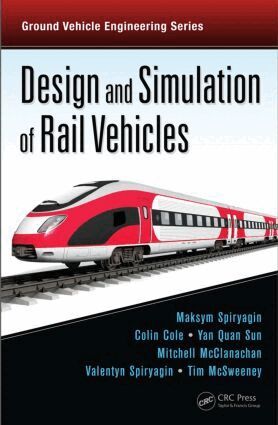
Keep Up with Advancements in the Field of Rail Vehicle DesignA thorough understanding of the issues that affect dynamic performance, as well as more inventive methods for controlling rail vehicle dynamics, is needed to meet the demands for safer rail vehicles with higher speed and loads. Design and Simulation of Rail Vehicles examines the field of rail vehicle design, maintenance, and modification, as well as performance issues related to these types of vehicles. This text analyzes rail vehicle design issues and dynamic responses, describes the design and features of rail vehicles, and introduces methods that address the operational conditions of this complex system. Progresses from Basic Concepts and Terminology to Detailed Explanations and TechniquesFocused on both non-powered and powered rail vehicles—freight and passenger rolling stock, locomotives, and self-powered vehicles used for public transport—this book introduces the problems involved in designing and modeling all types of rail vehicles. It explores the applications of vehicle dynamics, train operations, and track infrastructure maintenance. It introduces the fundamentals of locomotive design, multibody dynamics, and longitudinal train dynamics, and discusses co-simulation techniques. It also highlights recent advances in rail vehicle design, and contains applicable standards and acceptance tests from around the world.• Includes multidisciplinary simulation approaches• Contains an understanding of rail vehicle design and simulation techniques• Establishes the connection between theory and many simulation examples• Presents simple to advanced rail vehicle design and simulation methodologies Design and Simulation of Rail Vehiclesserves as an introductory text for graduate or senior undergraduate students, and as a reference for practicing engineers and researchers investigating performance issues related to these types of vehicles.
878 kr
Tillfälligt slut
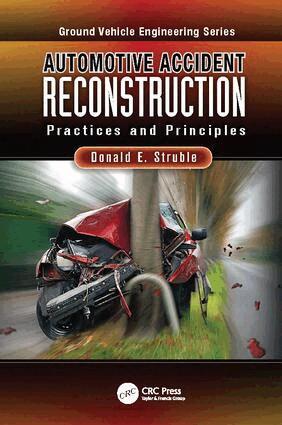
Automotive Accident Reconstruction: Practices and Principles introduces techniques for gathering information and interpreting evidence, and presents computer-based tools for analyzing crashes. This book provides theory, information and data sources, techniques of investigation, an interpretation of physical evidence, and practical tips for beginners. It also works as an ongoing reference for experienced reconstructionists. The book emphasizes three things: the theoretical foundation, the presentation of data sources, and the computer programs and spread sheets used to apply both theory and collected data in the reconstruction of actual crashes.It discusses the specific requirements of reconstructing rollover crashes, offers background in structural mechanics, and describes how structural mechanics and impact mechanics are applied to automobiles that crash. The text explores the treatment of crush energy when vehicles collide with each other and with fixed objects. It delves into various classes of crashes, and simulation models. The framework of the book starts backward in time, beginning with the analysis of post-crash vehicle motions that occurred without driver control. Applies time-reverse methods, in a detailed and rigorous way, to vehicle run-out trajectories, utilizing the available physical evidenceWalks the reader through a collection of digital crash test data from public sources, with detailed instructions on how to process and filter the informationShows the reader how to build spread sheets detailing calculations involving crush energy and vehicle post-crash trajectory characteristicsContains a comprehensive treatment of crush energyThis text can also serve as a resource for industry professionals, particularly with regard to the underlying physics.
Automotive Innovation
The Science and Engineering behind Cutting-Edge Automotive Technology
Inbunden, Engelska, 2019
1 425 kr
Skickas inom 10-15 vardagar
Automotive Innovation: The Science and Engineering behind Cutting-Edge Automotive Technology provides a survey of innovative automotive technologies in the auto industry. Automobiles are rapidly changing, and this text explores these trends. IC engines, transmissions, and chassis are being improved, and there are advances in digital control, manufacturing, and materials. New vehicles demonstrate improved performance, safety and efficiency factors; electric vehicles represent a green energy alternative, while sensor technologies and computer processors redefine the nature of driving. The text explores these changes, the engineering and science behind them, and directions for the future.
3 315 kr
Skickas inom 10-15 vardagar
"With this book, Prof. Dr. Vantsevich brings a tremendous contribution to the field of Automotive Transmission and Driveline Engineering, including his innovative methods for optimum driveline synthesis, as well as his experience with the development of various hardware solutions, from the basic limited slip differentials to the most sophisticated mechatronic systems."—Dr.-Ing. Mircea Gradu Director, Transmission and Driveline Engineering Head, Virtual Analysis ToolsChrysler Group LLCNow that vehicles with four and more driving wheels are firmly ensconced in the consumer market, they must provide energy/fuel-saving benefits and improved operational quality including terrain mobility, traction and velocity properties, turnability, and stability of motion. A first-of-its-kind resource, Driveline Systems of Ground Vehicles: Theory and Design presents a comprehensive and analytical treatment of driveline research, design, and tests based on energy efficiency, vehicle dynamics, and operational properties requirements. This volume addresses fundamental engineering problems including how to investigate the effect of different driveline systems on the properties of vehicles and how to determined the optimal characteristics of the driveline system and its power-dividing units (PDUs) and design it for a specific vehicle to ensure high level of vehicle dynamics, energy efficiency, and performance. The authors develop an analytical apparatus for math modeling of driveline systems that can be compiled from different types of PDUs. They also introduce methodologies for the synthesis of optimal characteristics of PDUs for different types of vehicles. Structured to be useful to engineers of all levels of experience, university professors and graduate students, the book is based on the R&D projects conducted by the authors. It explores intriguing engineering dilemmas such as how to achieve higher energy and fuel efficiency by driving either all the wheels or not all the wheels, solve oversteering issues by managing wheel power distribution, and many other technical problems.
2 572 kr
Skickas inom 10-15 vardagar
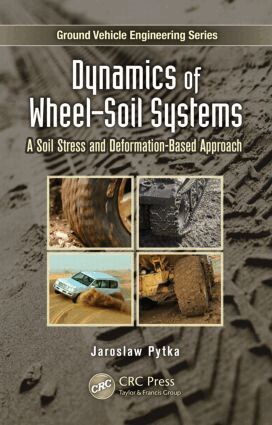
Why is knowledge of soil stress and deformation state important for off-road locomotion? How do you measure soil stress and deformation under wheel loads? What are the actual values of stresses and deformation in soil or snow under a passing wheel? Providing answers to these questions and more, Dynamics of Wheel–Soil Systems: A Soil Stress and Deformation-Based Approach is a practical reference for anyone who works with experiment design and data analysis of soil stress and deformation measurements under vehicle load.Based on the author’s 15 years of experience in field experimentation on wheel–soil dynamics, the book describes methods and devices for soil stress and deformation measurements and presents numerical data from full-scale field experiments. These methods offer practical solutions to methodological problems that may arise during the design and preparation of field experiments. Provides technical information on measuring, modeling, and optimizing off-road vehicle traction—including a novel method for describing off-road traction Provides rare experimental data on soil stress and deformation under a variety of wheeled and tracked vehicles Supplies solutions for designing, building, and using soil or snow pressure transducers and sensors Compiles original experimental data on soil degradation due to agricultural machinery traffic and soil compaction Explains how to create dynamic models of wheel–soil systems based on experimental dataA valuable reference on an important area of terramechanics, this book shows how to analyze and model wheel–soil interactions to create more effective designs for a range of vehicle types.
2 572 kr
Skickas inom 10-15 vardagar
Keep Up with Advancements in the Field of Rail Vehicle DesignA thorough understanding of the issues that affect dynamic performance, as well as more inventive methods for controlling rail vehicle dynamics, is needed to meet the demands for safer rail vehicles with higher speed and loads. Design and Simulation of Rail Vehicles examines the field of rail vehicle design, maintenance, and modification, as well as performance issues related to these types of vehicles. This text analyzes rail vehicle design issues and dynamic responses, describes the design and features of rail vehicles, and introduces methods that address the operational conditions of this complex system. Progresses from Basic Concepts and Terminology to Detailed Explanations and TechniquesFocused on both non-powered and powered rail vehicles—freight and passenger rolling stock, locomotives, and self-powered vehicles used for public transport—this book introduces the problems involved in designing and modeling all types of rail vehicles. It explores the applications of vehicle dynamics, train operations, and track infrastructure maintenance. It introduces the fundamentals of locomotive design, multibody dynamics, and longitudinal train dynamics, and discusses co-simulation techniques. It also highlights recent advances in rail vehicle design, and contains applicable standards and acceptance tests from around the world.• Includes multidisciplinary simulation approaches• Contains an understanding of rail vehicle design and simulation techniques• Establishes the connection between theory and many simulation examples• Presents simple to advanced rail vehicle design and simulation methodologies Design and Simulation of Rail Vehiclesserves as an introductory text for graduate or senior undergraduate students, and as a reference for practicing engineers and researchers investigating performance issues related to these types of vehicles.
2 032 kr
Skickas inom 10-15 vardagar
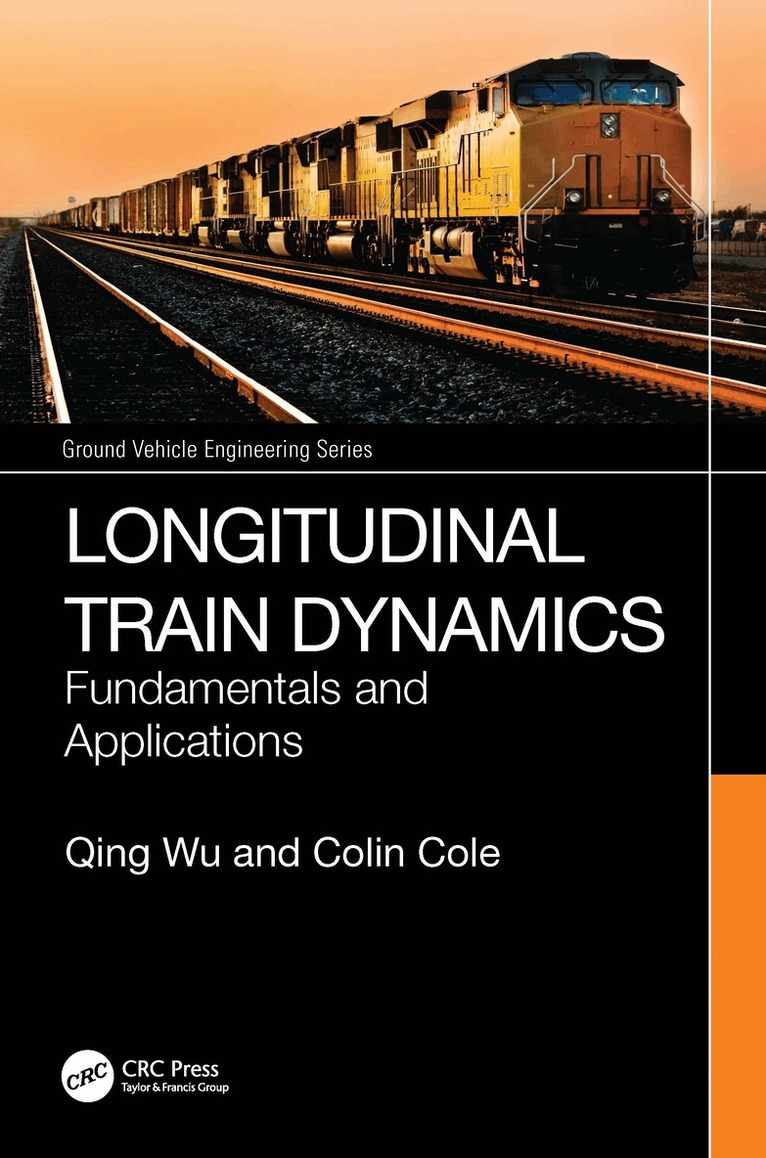
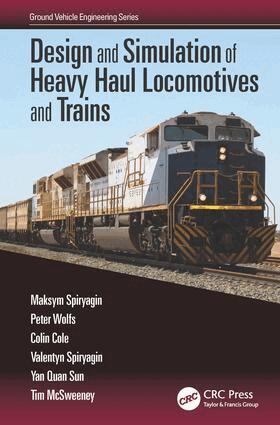
With the increasing demands for safer freight trains operating with higher speed and higher loads, it is necessary to implement methods for controlling longer, heavier trains. This requires a full understanding of the factors that affect their dynamic performance. Simulation techniques allow proposed innovations to be optimised before introducing them into the operational railway environment. Coverage is given to the various types of locomotives used with heavy haul freight trains, along with the various possible configurations of those trains. This book serves as an introductory text for college students, and as a reference for engineers practicing in heavy haul rail network design,