Handbook of Immunopharmacology – Serie
Visar alla böcker i serien Handbook of Immunopharmacology. Handla med fri frakt och snabb leverans.
6 produkter
6 produkter
Immunopharmacology of the Heart
Inbunden, Engelska, 1993
1 703 kr
Skickas inom 7-10 vardagar
This volume sets out to consider a range of cardiac diseases for which drugs may play a therapeutic role by virtue of their effects on aspects of the immune system. The book reviews diseases of the heart which may involve an immunopharmacological component, and methods and techniques for the study of physiological and biochemical functions in the heart. An important focus is the immunopharmacology of the coronary vascular endothelium and the role of cellular and biochemical components of the immune system in the pathogenesis of atherosclerosis. The content also includes a review of the use of immunologically relevant agents in the setting of cardiac transplantation from aclinical perspective. Immunotherapy has a definite role to play in cardiology to a greater or lesser extent than other forms of intervention, depending on the type of cardiac disease. Immunopharmacology of the Heart aims to identify and clarify this role and points to potential developments of the future. Immunopharmacology of the Heart is a volume for the SYSTEMS theme of The Handbook of Pharmacology. In common with all other volumes it contains standardized illustrations and terms/abbreviations (glossaries of illustrations and terms published at the back of the volume). Other topics covered include: Leukocytes and their role in ischaemic heart disease. Complement activation. Sudden cardiac death. The stunned myocardium and reperfusion injury.
1 703 kr
Skickas inom 7-10 vardagar
The consequences for diseases involving the immune system such as AIDS, and chronic inflammatory diseases such as bronchial asthma, rheumatoid athritis, and atherosclerosis, now account for a considerable economic burden to governments worldwide. In response there has been an enormous research effort investigating the basic mechanisms underlying such diseases, and a tremendous drive to identify novel therapeutic applications for their preventions and treatment. Though a plethora of immunological studies have been published in recent years, little has been written about the implications of such research for drug development. As a consequence, this area has not gained the prominence of other new fields such as molecular pharmacology or neuropharmacology, and a focal information source for many pharmacologists interested in diseases of the immune system remains unpublished. The Handbook of Immunopharmacology series provides such a source through the commissioning of a comprehensive collection of volumes on all aspects immunopharmacology. Editors have been sought after for each volume who are not only active in their respective areas of expertise, but who also have distinctly pharmacological bias to their research. The series follows three main themes, each represented by volumes on individual component topics. The first covers each of the major cell types and classes of inflammatory responses that can affect them ("Systems"). The third covers different classes of diseases as well as those under development ("Drugs").
1 741 kr
Skickas inom 7-10 vardagar
Non-selective inhibitors of cyclic nucleotide phosphodiesterase (PDE), such as theophylline, have been used extensively since 1958. In the decade of the '70s, various PDE isoenzymes were defined which led to the development of the second generation of PDE inhibitors. Currently a variety of these new inhibitors are under test as potential anti-inflammatory drugs. During the past five years, molecular biology has revealed a superfamily of these phosphodiesterase isoenzymes. This book summarizes the present state of knowledge, as well as giving a comprehensive description of the compounds available. It will be invaluable for everyone who wants to choose the most suitable PDE inhibitor for their research or who is dealing with such drugs in a clinical setting. Utilizes actual testing and research of new PDE inhibitors Valuable for researchers and students alike
1 703 kr
Skickas inom 7-10 vardagar
The realisation that epithelial tissues are not simply passive barriers to the adsorption of materials into internal environments has brought about an enormous growth of investigation of mucosal functions and their active and passive protective roles. Epithelia are highly organized but complex structures, subserving numerous functions, including immunological defence. The use of pharmacological tools in these systems is increasing, which is improving our understanding of epithelial immunobiology. This volume adopts a step-by-step approach, whereby each chapter builds upon the previous one, progressively adding important foundation information, culminating in a series of chapters concerning particular epithelia, including respiratory, gastrointestinal, renal and ocular. The result is a comprehensive but integrated treatise of epithelial function and its immunopharmacology, which aims to serve as an appropriate starting point at which the clinical pulmonologist and the research scientist can obtain an appreciation of some aspects of epithelial immunopharmacology as they are currently understood.
937 kr
Skickas inom 7-10 vardagar
Immunopharmacology represents the boundary between the immune system and chemical mediators of the inflammatory and neuroendocrine responses. The subject as applied to the respiratory system embraces most of the common non-malignant lung diseases of which asthma and allied disorders are the most prevalent. An understanding of the underlying mechanisms of the disorders provides rationale for prevention and drug treatment as well as creating opportunities for novel drug development. Immunopharmacology of Respiratory System embraces all of these principles and should enable the reader to become rapidly updated in an area of medical importance. Focuses on aspects of disease pathogenesis that are common to a variety of lung disorders Includes coverage of the mechanisms of asthma - origin, progression, and novel therapeutic interventions This volume is another in the "Systems" section of the Handbook of Immunopharmacology
1 578 kr
Skickas inom 7-10 vardagar
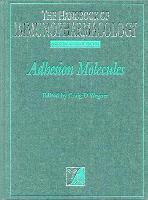
The consequences of diseases involving the immune system such as AIDS, and chronic inflammatory diseases such as bronchial-asthma, rheumatoid arthritis and atherosclerosis, now account for a considerable economic burden to governments worldwide. In response there has been an enormous research effort investigating the basic mechanisms underlying such diseases, and a tremendous drive to identify novel therapeutic applications for their prevention and treatment. Though a plethora of immunological studies have been published in recent years, little has been written about the implications of such research for drugs development. As a consequence, this area has not gained the prominence of other fields such as molecular pharmacology or neuropharmacology, and a focul information source for the many pharmacologists interested in diseases of the immune system remains unpublished.The Handbook of Immunopharmacology series provides such a source through the commissioning of a comprehensive collection of volumes on all aspects of immunopharmacology. Editors have been sought after for each volume who are not only active in their respective areas of expertise, but who also have a distinctly pharmacological bias to their research.The series follows three main themes, each represented by volumes on individual component topics. The first covers each of the major cell types and classes of inflammatory mediators ("cells and mediators"). The second covers each of the major organ systems and the diseases involving the immune and inflammatory responses that can effect them ("systems"). The third covers different classes of drugs currently used to treat these diseases as well as those under development ("drugs").This volume provides a comprehensive overview of the adhsion molecules, processes and concepts that govern both inflammatory and infectious diseases, and also deals in detail with the specific in vivo pathways involved.The first chapter introduces some of the molecules that mediate leukocyte adhesion and ranges from their discovery using monoclonal antibodies and a congenital adhesion deficiency, to their antagonism in preliminary clinical trials as novel therapeutics. An in-depth analysis of the structure, distribution and function of the cell surface glycoproteins that regulates lymphocyte (specific immune response), granulocyte (acute inflammatory response) and metastatic cell (malignant processes) adhesions respectively is provided by the next three chapters. Chapters 5 and 7 detail the molecular structure, intracellular pathways, specificty of carbohydrate interactions, and signalling of the molecules that regulate leukocyte-leukocyte and leukocyte-mesenchymal cell interactions.There follows an exploration into the contributions of specific molecules in inflammatory diseases in various organs from chapters 8-11. The concluding part is unique to this volume by reviewing the comparable, and in some cases same, cell surface molecules that mediate virus, bacteria and parasite interactions with host cells.The research is far from complete, but Adhesion Molecules is extremely comprehensive and will be a valuable resource for many a year to come.