Historia USA – serie
Visar alla böcker i serien Historia USA. Handla med fri frakt och snabb leverans.
12 produkter
12 produkter
Inbunden, Engelska, 2017
1 029 kr
Skickas inom 10-15 vardagar
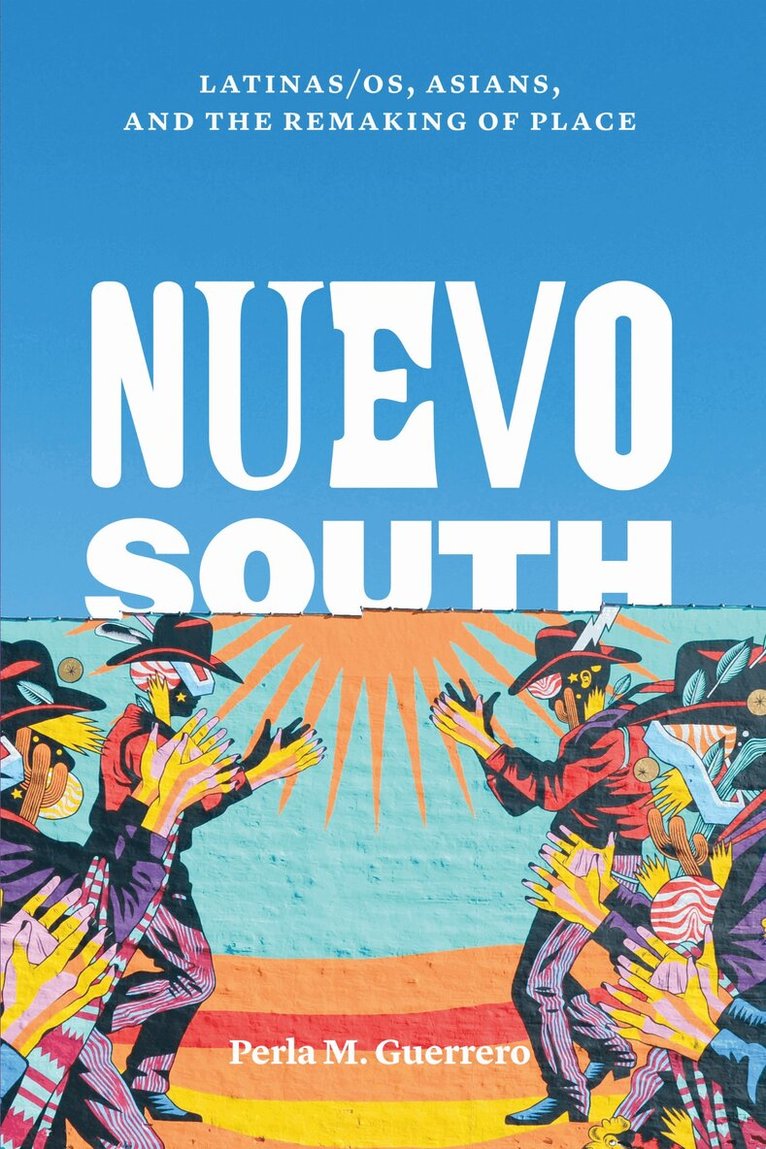
Latinas/os and Asians are rewriting the meaning and history of race in the American South by complicating the black/white binary that has frequently defined the region since before the Civil War. Arriving in southern communities as migrants or refugees, Latinas/os and Asians have experienced both begrudging acceptance and prejudice as their presence confronts and troubles local understandings of race and difference-understandings that have deep roots in each community’s particular racial history, as well as in national fears and anxieties about race.Nuevo South offers the first comparative study showing how Latinas/os and Asians are transforming race and place in the contemporary South. Integrating political, economic, and social analysis, Perla M. Guerrero examines the reception of Vietnamese, Cubans, and Mexicans in northwestern Arkansas communities that were almost completely white until the mid-1970s. She shows how reactions to these refugees and immigrants ranged from reluctant acceptance of Vietnamese as former US allies to rejection of Cubans as communists, criminals, and homosexuals and Mexicans as “illegal aliens” who were perceived as invaders when they began to establish roots and became more visible in public spaces. Guerrero’s research clarifies how social relations are constituted in the labor sphere, particularly the poultry industry, and reveals the legacies of regional history, especially anti-Black violence and racial cleansing. Nuevo South thus helps us to better understand what constitutes the so-called Nuevo South and how historical legacies shape the reception of new people in the region.
Häftad, Engelska, 2017
334 kr
Skickas inom 10-15 vardagar
Latinas/os and Asians are rewriting the meaning and history of race in the American South by complicating the black/white binary that has frequently defined the region since before the Civil War. Arriving in southern communities as migrants or refugees, Latinas/os and Asians have experienced both begrudging acceptance and prejudice as their presence confronts and troubles local understandings of race and difference-understandings that have deep roots in each community’s particular racial history, as well as in national fears and anxieties about race.Nuevo South offers the first comparative study showing how Latinas/os and Asians are transforming race and place in the contemporary South. Integrating political, economic, and social analysis, Perla M. Guerrero examines the reception of Vietnamese, Cubans, and Mexicans in northwestern Arkansas communities that were almost completely white until the mid-1970s. She shows how reactions to these refugees and immigrants ranged from reluctant acceptance of Vietnamese as former US allies to rejection of Cubans as communists, criminals, and homosexuals and Mexicans as “illegal aliens” who were perceived as invaders when they began to establish roots and became more visible in public spaces. Guerrero’s research clarifies how social relations are constituted in the labor sphere, particularly the poultry industry, and reveals the legacies of regional history, especially anti-Black violence and racial cleansing. Nuevo South thus helps us to better understand what constitutes the so-called Nuevo South and how historical legacies shape the reception of new people in the region.
Inbunden, Engelska, 2018
511 kr
Skickas inom 5-8 vardagar
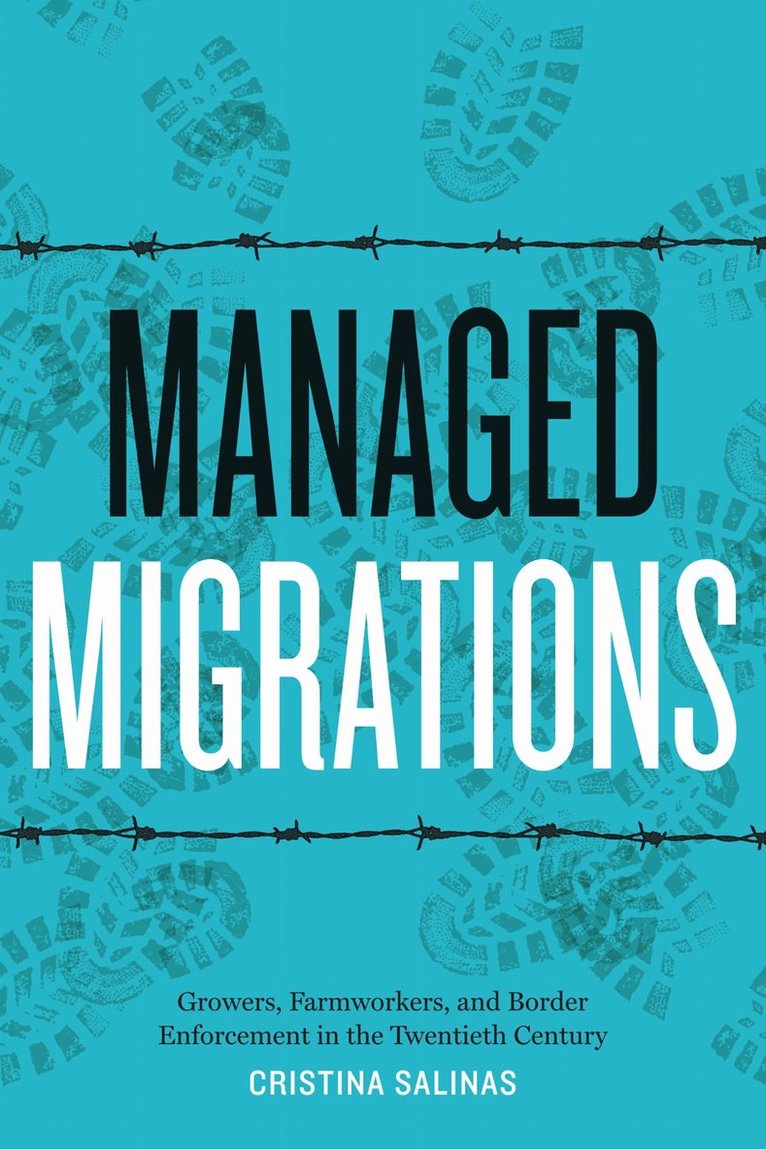
2020 National Association for Chicana and Chicano Studies (NACCS) Book Award WinnerHonorable Mention, Ramirez Family Award for Most Significant Scholarly Book, Texas Institute of Letters, 2019Managed Migrations examines the concurrent development of a border agricultural industry and changing methods of border enforcement in the Rio Grande Valley of Texas during the past century.Needed at one moment, scorned at others, Mexican agricultural workers have moved back and forth across the US–Mexico border for the past century. In South Texas, Anglo growers’ dreams of creating a modern agricultural empire depended on continuous access to Mexican workers. While this access was officially regulated by immigration laws and policy promulgated in Washington, DC, in practice the migration of Mexican labor involved daily, on-the-ground negotiations among growers, workers, and the US Border Patrol. In a very real sense, these groups set the parameters of border enforcement policy. Managed Migrations examines the relationship between immigration laws and policy and the agricultural labor relations of growers and workers in South Texas and El Paso during the 1940s and 1950s. Cristina Salinas argues that immigration law was mainly enacted not in embassies or the halls of Congress but on the ground, as a result of daily decisions by the Border Patrol that growers and workers negotiated and contested. She describes how the INS devised techniques to facilitate high-volume yearly deportations and shows how the agency used these enforcement practices to manage the seasonal agricultural labor migration across the border. Her pioneering research reveals the great extent to which immigration policy was made at the local level, as well as the agency of Mexican farmworkers who managed to maintain their mobility and kinship networks despite the constraints of grower paternalism and enforcement actions by the Border Patrol.
Häftad, Engelska, 2023
329 kr
Skickas inom 5-8 vardagar
2020 National Association for Chicana and Chicano Studies (NACCS) Book Award WinnerHonorable Mention, Ramirez Family Award for Most Significant Scholarly Book, Texas Institute of Letters, 2019Managed Migrations examines the concurrent development of a border agricultural industry and changing methods of border enforcement in the Rio Grande Valley of Texas during the past century.Needed at one moment, scorned at others, Mexican agricultural workers have moved back and forth across the US–Mexico border for the past century. In South Texas, Anglo growers’ dreams of creating a modern agricultural empire depended on continuous access to Mexican workers. While this access was officially regulated by immigration laws and policy promulgated in Washington, DC, in practice the migration of Mexican labor involved daily, on-the-ground negotiations among growers, workers, and the US Border Patrol. In a very real sense, these groups set the parameters of border enforcement policy. Managed Migrations examines the relationship between immigration laws and policy and the agricultural labor relations of growers and workers in South Texas and El Paso during the 1940s and 1950s. Cristina Salinas argues that immigration law was mainly enacted not in embassies or the halls of Congress but on the ground, as a result of daily decisions by the Border Patrol that growers and workers negotiated and contested. She describes how the INS devised techniques to facilitate high-volume yearly deportations and shows how the agency used these enforcement practices to manage the seasonal agricultural labor migration across the border. Her pioneering research reveals the great extent to which immigration policy was made at the local level, as well as the agency of Mexican farmworkers who managed to maintain their mobility and kinship networks despite the constraints of grower paternalism and enforcement actions by the Border Patrol.
Inbunden, Engelska, 2020
496 kr
Skickas inom 5-8 vardagar
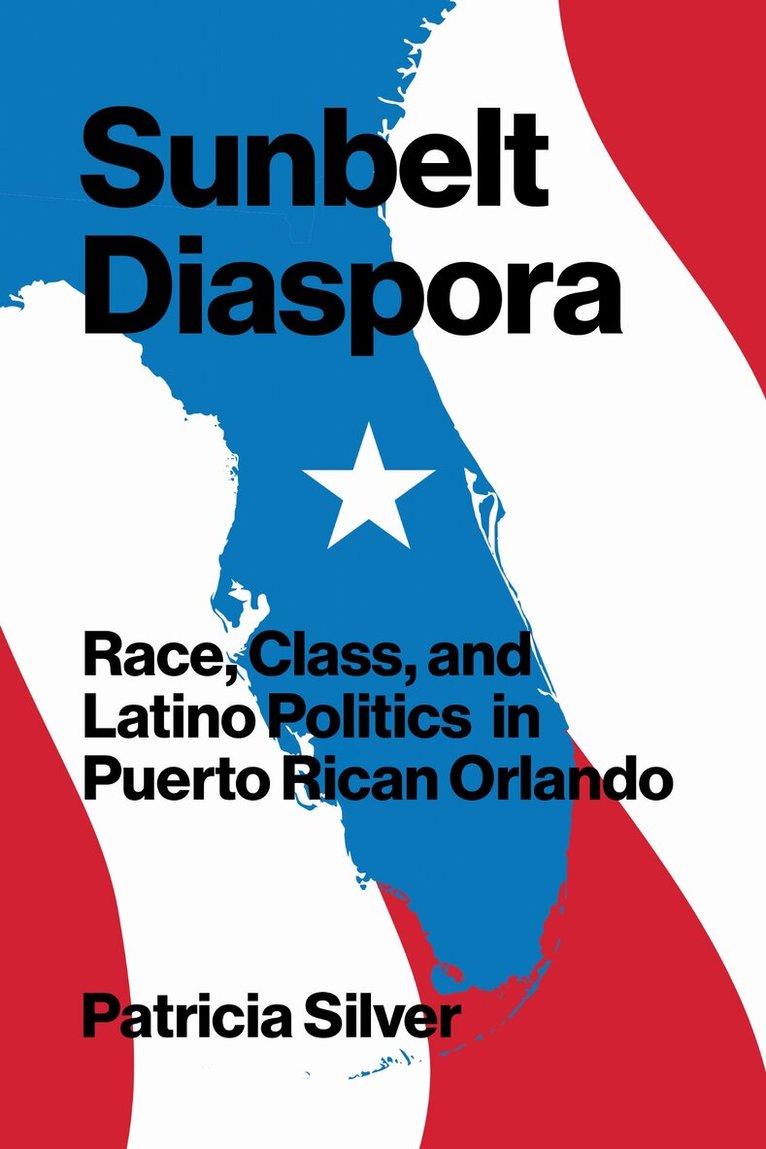
2021 — Silver Medal, Raul Yzaguirre Best Political/Current Affairs Book – International Latino Book Awards, Latino Literacy NowAn in-depth look at an emerging Latino presence in Orlando, Florida, where Puerto Ricans and others navigate differences of race, class, and place of origin in their struggle for social, economic, and political belonging.Puerto Ricans make up half of Orlando-area Latinos, arriving from Puerto Rico as well as from other long-established diaspora communities to a place where Latino politics has long been about Cubans in Miami. Together with other Latinos from multiple places, Puerto Ricans bring diverse experiences of race and class to this Sunbelt city. Tracing the emergence of the Puerto Rican and Latino presence in Orlando from the 1940s through an ethnographic moment of twenty-first-century electoral redistricting, Sunbelt Diaspora provides a timely prism for viewing how differences of race, class, and place play out in struggles to claim political, social, and economic ground for Latinos. Drawing on over a decade of ethnographic, oral history, and archival research, Patricia Silver situates her findings in Orlando’s historically black-white racial landscape, post-1960s claims to “color-blindness,” and neoliberal celebrations of individualism. Through the voices of diverse participants, Silver brings anthropological attention to the question of how social difference affects collective identification and political practice. Sunbelt Diaspora asks what constitutes community and how criteria for membership and legitimate representation are negotiated.
Inbunden, Engelska, 2021
511 kr
Skickas inom 5-8 vardagar
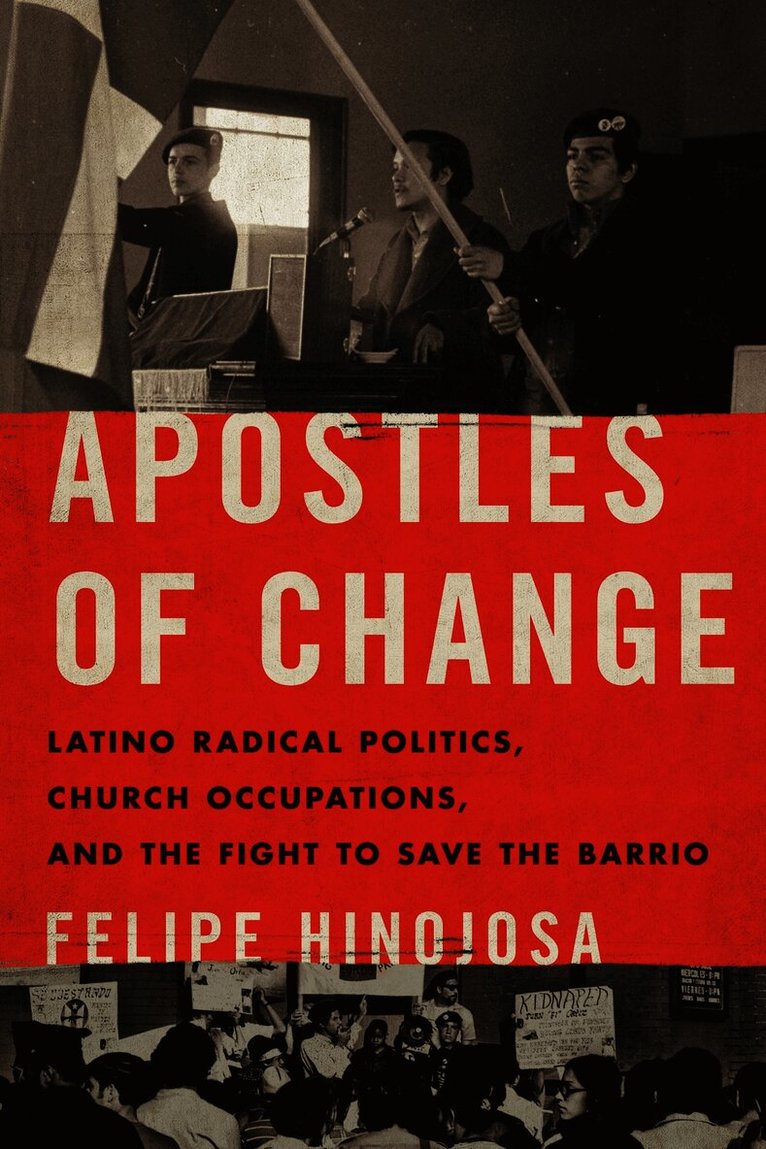
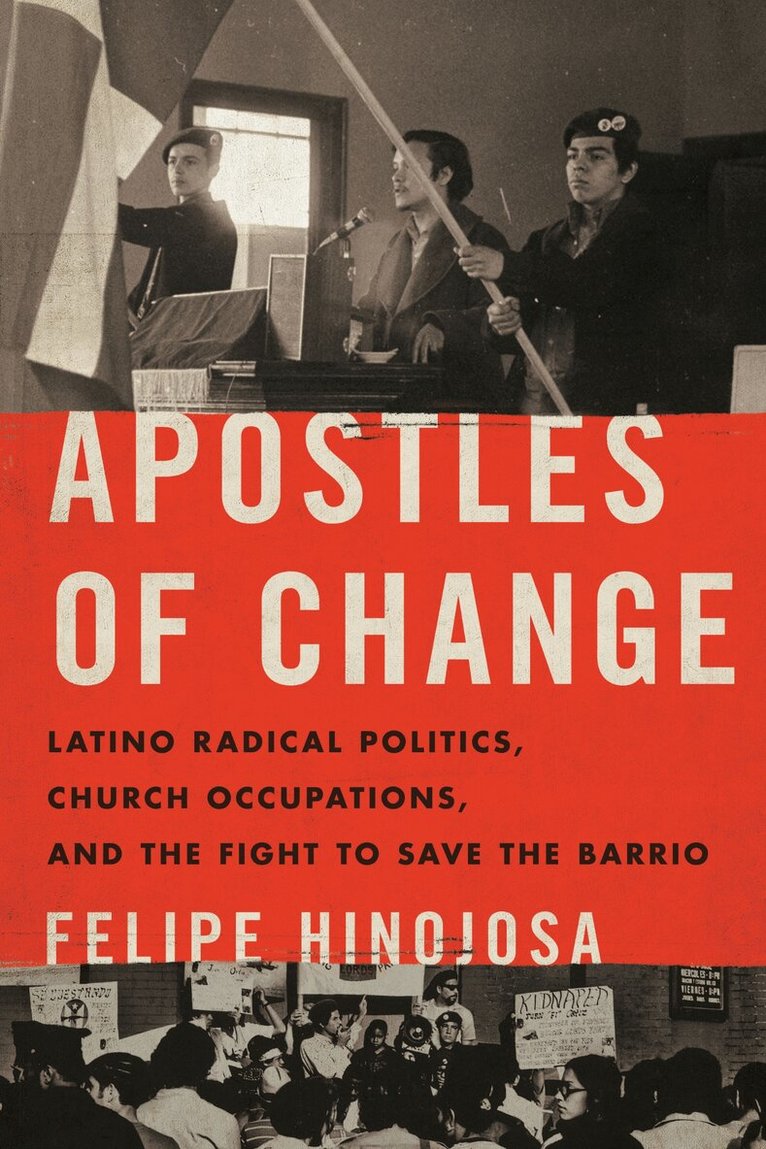
2021 Finalist Raul Yzaguirre Best Political/Current Affairs Book, International Latino Book AwardsWinner of the Texas Association of Chicanos in Higher Education Inaugural Book AwardUnraveling the intertwined histories of Latino radicalism and religion in urban America, this book examines how Latino activists transformed churches into staging grounds for protest against urban renewal and displacement.In the late 1960s, the American city found itself in steep decline. An urban crisis fueled by federal policy wreaked destruction and displacement on poor and working-class families. The urban drama included religious institutions, themselves undergoing fundamental change, that debated whether to stay in the city or move to the suburbs. Against the backdrop of the Black and Brown Power movements, which challenged economic inequality and white supremacy, young Latino radicals began occupying churches and disrupting services to compel church communities to join their protests against urban renewal, poverty, police brutality, and racism. Apostles of Change tells the story of these occupations and establishes their context within the urban crisis; relates the tensions they created; and articulates the activists' bold, new vision for the church and the world. Through case studies from Chicago, Los Angeles, New York City, and Houston, Felipe Hinojosa reveals how Latino freedom movements frequently crossed boundaries between faith and politics and argues that understanding the history of these radical politics is essential to understanding the dynamic changes in Latino religious groups from the late 1960s to the early 1980s.
Häftad, Engelska, 2022
237 kr
Skickas
2021 Finalist Raul Yzaguirre Best Political/Current Affairs Book, International Latino Book AwardsWinner of the Texas Association of Chicanos in Higher Education Inaugural Book AwardUnraveling the intertwined histories of Latino radicalism and religion in urban America, this book examines how Latino activists transformed churches into staging grounds for protest against urban renewal and displacement.In the late 1960s, the American city found itself in steep decline. An urban crisis fueled by federal policy wreaked destruction and displacement on poor and working-class families. The urban drama included religious institutions, themselves undergoing fundamental change, that debated whether to stay in the city or move to the suburbs. Against the backdrop of the Black and Brown Power movements, which challenged economic inequality and white supremacy, young Latino radicals began occupying churches and disrupting services to compel church communities to join their protests against urban renewal, poverty, police brutality, and racism. Apostles of Change tells the story of these occupations and establishes their context within the urban crisis; relates the tensions they created; and articulates the activists' bold, new vision for the church and the world. Through case studies from Chicago, Los Angeles, New York City, and Houston, Felipe Hinojosa reveals how Latino freedom movements frequently crossed boundaries between faith and politics and argues that understanding the history of these radical politics is essential to understanding the dynamic changes in Latino religious groups from the late 1960s to the early 1980s.
Inbunden, Engelska, 2022
1 015 kr
Skickas inom 5-8 vardagar
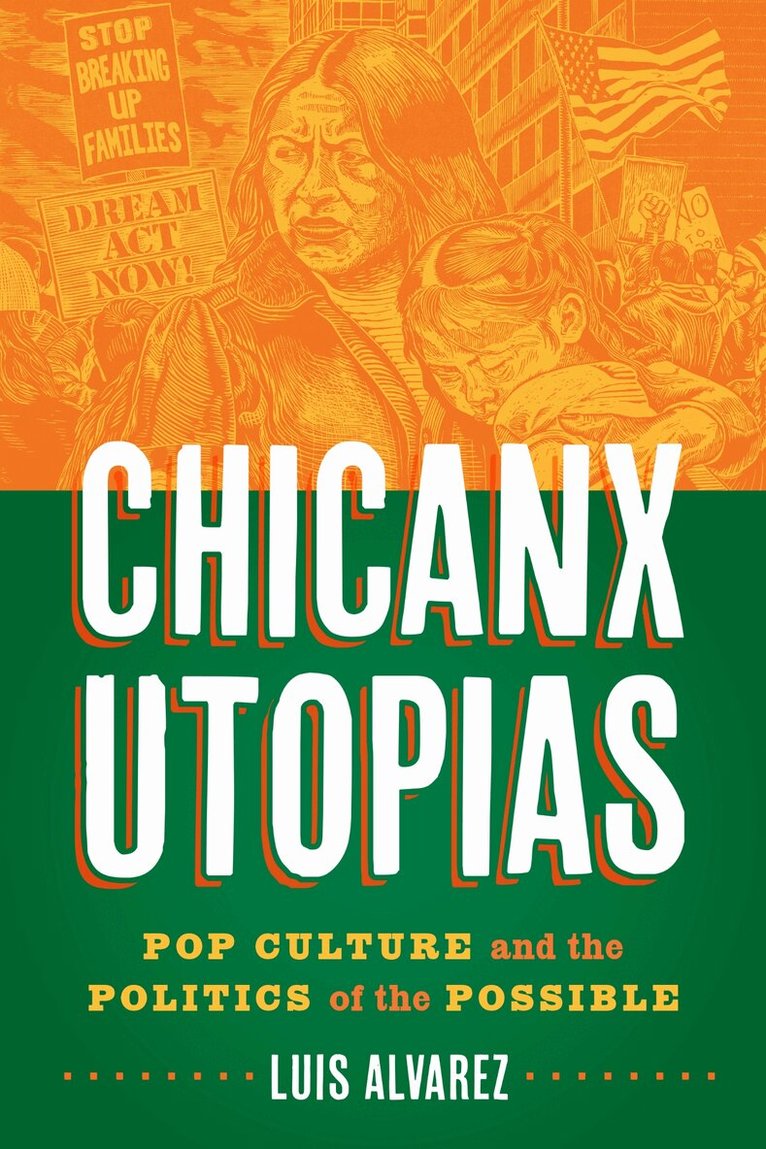
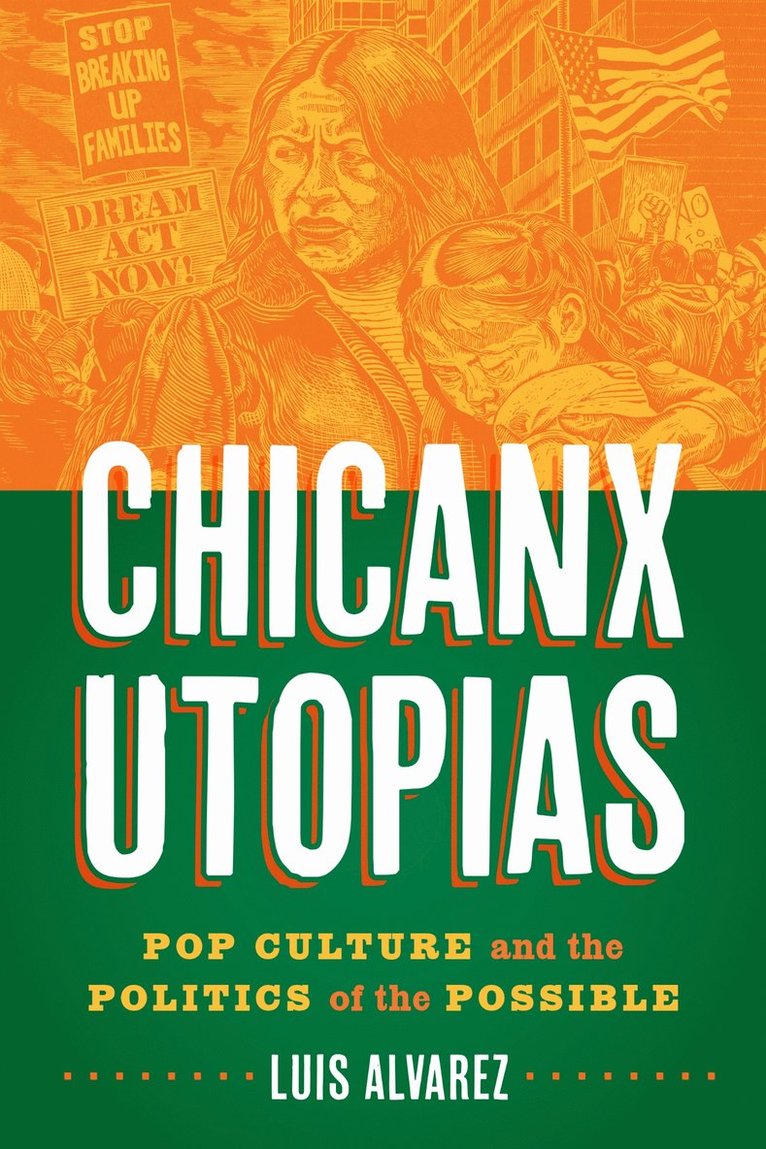
2023 Honorable Mention Best History Book, International Latino Book AwardsBroad and encompassing examination of Chicanx popular culture since World War II and the utopian visions it articulatedAmid the rise of neoliberalism, globalization, and movements for civil rights and global justice in the post–World War II era, Chicanxs in film, music, television, and art weaponized culture to combat often oppressive economic and political conditions. They envisioned utopias that, even if never fully realized, reimagined the world and linked seemingly disparate people and places. In the latter half of the twentieth century, Chicanx popular culture forged a politics of the possible and gave rise to utopian dreams that sprang from everyday experiences. In Chicanx Utopias, Luis Alvarez offers a broad study of these utopian visions from the 1950s to the 2000s. Probing the film Salt of the Earth, brown-eyed soul music, sitcoms, poster art, and borderlands reggae music, he examines how Chicanx pop culture, capable of both liberation and exploitation, fostered interracial and transnational identities, engaged social movements, and produced varied utopian visions with divergent possibilities and limits. Grounded in the theoretical frameworks of Walter Benjamin, Stuart Hall, and the Zapatista movement, this book reveals how Chicanxs articulated pop cultural utopias to make sense of, challenge, and improve the worlds they inhabited.
Häftad, Engelska, 2022
385 kr
Skickas inom 5-8 vardagar
2023 Honorable Mention Best History Book, International Latino Book AwardsBroad and encompassing examination of Chicanx popular culture since World War II and the utopian visions it articulatedAmid the rise of neoliberalism, globalization, and movements for civil rights and global justice in the post–World War II era, Chicanxs in film, music, television, and art weaponized culture to combat often oppressive economic and political conditions. They envisioned utopias that, even if never fully realized, reimagined the world and linked seemingly disparate people and places. In the latter half of the twentieth century, Chicanx popular culture forged a politics of the possible and gave rise to utopian dreams that sprang from everyday experiences. In Chicanx Utopias, Luis Alvarez offers a broad study of these utopian visions from the 1950s to the 2000s. Probing the film Salt of the Earth, brown-eyed soul music, sitcoms, poster art, and borderlands reggae music, he examines how Chicanx pop culture, capable of both liberation and exploitation, fostered interracial and transnational identities, engaged social movements, and produced varied utopian visions with divergent possibilities and limits. Grounded in the theoretical frameworks of Walter Benjamin, Stuart Hall, and the Zapatista movement, this book reveals how Chicanxs articulated pop cultural utopias to make sense of, challenge, and improve the worlds they inhabited.
Inbunden, Engelska, 2024
623 kr
Skickas inom 5-8 vardagar
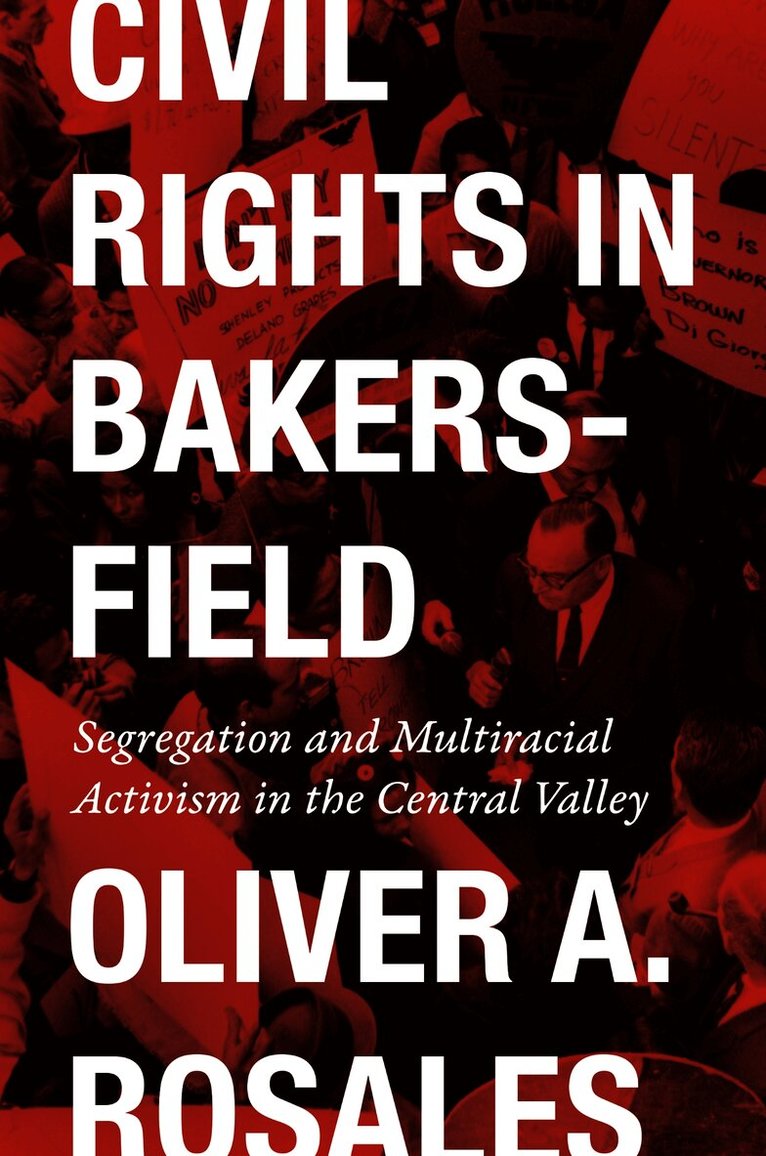
2024 Outstanding Book Award, National Association for Ethnic StudiesA multiracial history of civil rights coalitions beyond the farm worker movement in twentieth-century Bakersfield, California.In Civil Rights in Bakersfield, Oliver Rosales uncovers the role of the multiracial west in shaping the course of US civil rights history. Focusing on Bakersfield, one of the few sizable cities within California’s Central Valley for much of the twentieth century in a region most commonly known as a bastion of political conservatism, oil, and industrial agriculture, Rosales documents how multiracial coalitions emerged to challenge histories of racial segregation and discrimination. He recounts how the region was home to both the historic farm worker movement, led by CÉsar ChÁvez, Dolores Huerta, and Larry Itliong, and also a robust multiracial civil rights movement beyond the fields. This multiracial push for civil rights reform included struggles for fair housing, school integration, public health, media representation, and greater political representation for Black and Brown communities. In expanding on this history of multiracial activism, Rosales further explores the challenges activists faced in community organizing and how the legacies of coalition building contribute to ongoing activist efforts in the Central Valley of today.
Inbunden, Engelska, 2024
511 kr
Skickas inom 5-8 vardagar
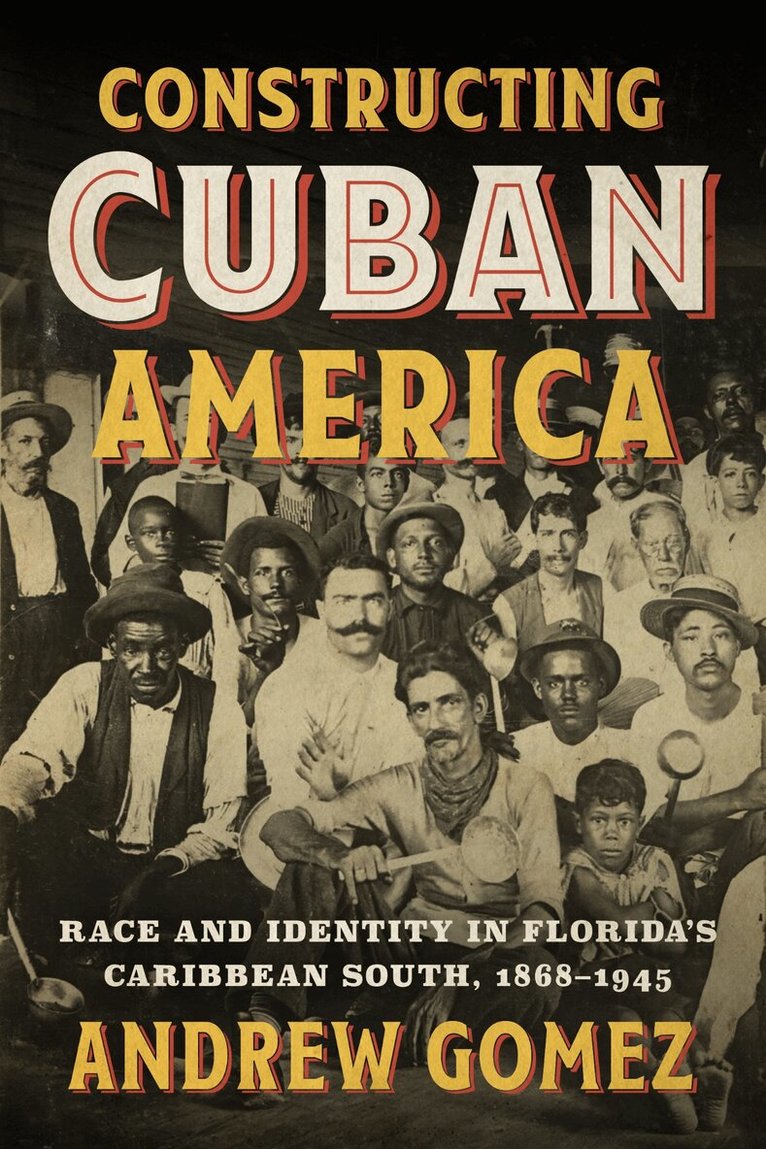
How Black and white Cubans navigated issues of race, politics, and identity during the post-Civil War and early Jim Crow eras in South Florida.On July 4, 1876, during the centennial celebration of US independence, the city of Key West was different from other cities. In some of post–Civil War Florida, Black residents were hindered from participating in 4th of July festivities, but Key West's celebration, “led by a Cuban revolutionary mayor working in concert with a city council composed of Afro-Bahamians, Cubans, African Americans, and Anglos,” represented a profound exercise in interracial democracy amid the Radical Reconstruction era. Constructing Cuban America examines the first Cuban American communities in South Florida-Key West and Tampa-and how race played a central role in shaping the experiences of white and Black Cubans. Andrew Gomez argues that factors such as the Cuban independence movement and Radical Reconstruction produced interracial communities of Cubans that worked alongside African Americans and Afro-Bahamians in Florida, yielding several successes in interracial democratic representation, even as they continued to wrestle with elements of racial separatism within the Cuban community. But the conclusion of the Cuban War of Independence and early Jim Crow laws led to a fracture in the Cuban-American community. In the process, both Black and white Cubans posited distinct visions of Cuban-American identity.
Häftad, Engelska, 2026
403 kr
Kommande
2024 Outstanding Book Award, National Association for Ethnic Studies2025 Honorable Mention, Norris & Carol Hundley Award, Pacific Coast Branch of the American Historical Association2025 The Ambassador Julian Nava Best Ethnic Studies Book, International Latino Book AwardsA multiracial history of civil rights coalitions beyond the farm worker movement in twentieth-century Bakersfield, California.In Civil Rights in Bakersfield, Oliver Rosales uncovers the role of the multiracial west in shaping the course of US civil rights history. Focusing on Bakersfield, one of the few sizable cities within California’s Central Valley for much of the twentieth century in a region most commonly known as a bastion of political conservatism, oil, and industrial agriculture, Rosales documents how multiracial coalitions emerged to challenge histories of racial segregation and discrimination. He recounts how the region was home to both the historic farm worker movement, led by CÉsar ChÁvez, Dolores Huerta, and Larry Itliong, and also a robust multiracial civil rights movement beyond the fields. This multiracial push for civil rights reform included struggles for fair housing, school integration, public health, media representation, and greater political representation for Black and Brown communities. In expanding on this history of multiracial activism, Rosales further explores the challenges activists faced in community organizing and how the legacies of coalition building contribute to ongoing activist efforts in the Central Valley of today.