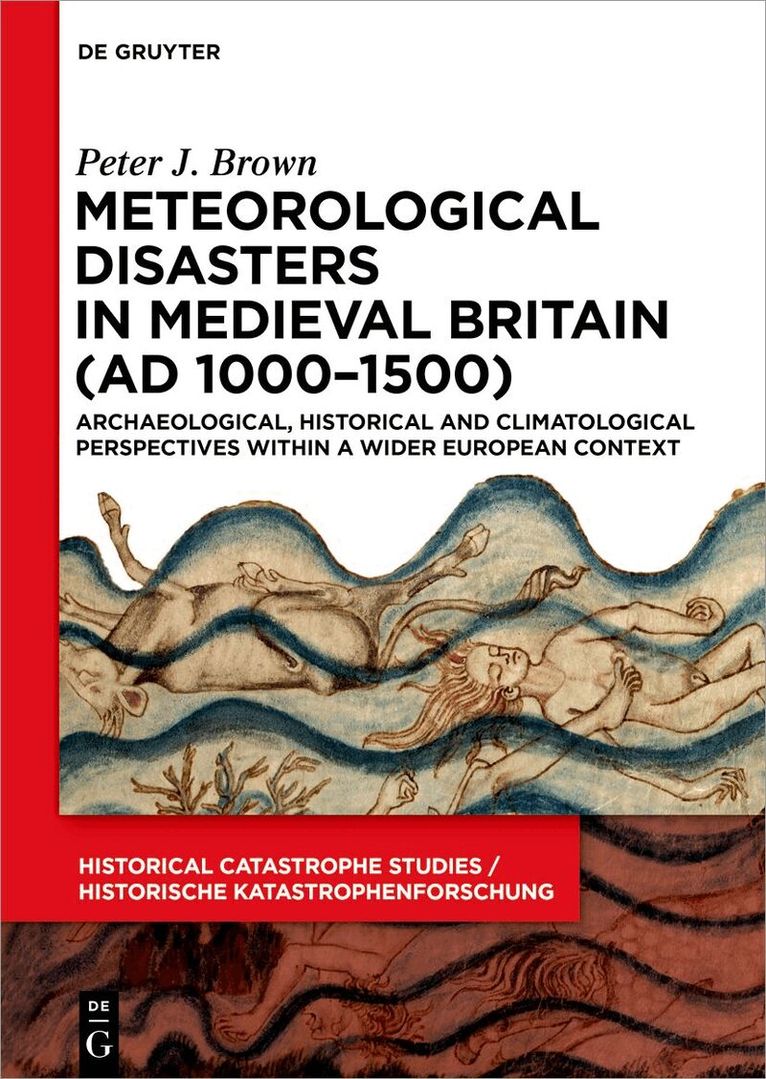
When high-magnitude meteorological hazards impact vulnerable human populations, disasters are the inevitable consequence. Through archaeological and historical evidence, this book investigates how these sudden and unpredictable events affected British medieval populations (AD 1000-1500). Medieval society understood disasters in a practical sense and took steps to minimise risk by constructing flood defences and reinforcing structures damaged by storms. At the same time, natural hazards were widely interpreted through a framework of religious and superstitious beliefs and a wide variety of measures were followed to secure protection against the dangers of the natural world. Disasters, therefore, were interpreted through a duality of understanding in which their occurrence could be the result of spiritual or superstitious triggers but practical solutions were a key component in mitigating their tangible impacts. In evaluating this duality, this book focuses on specific case studies and considers both their diverse historical contexts as well as their consequences for society against the backdrop of significant demographic and climatic change—as a result of the Black Death and the transition to the Little Ice Age.
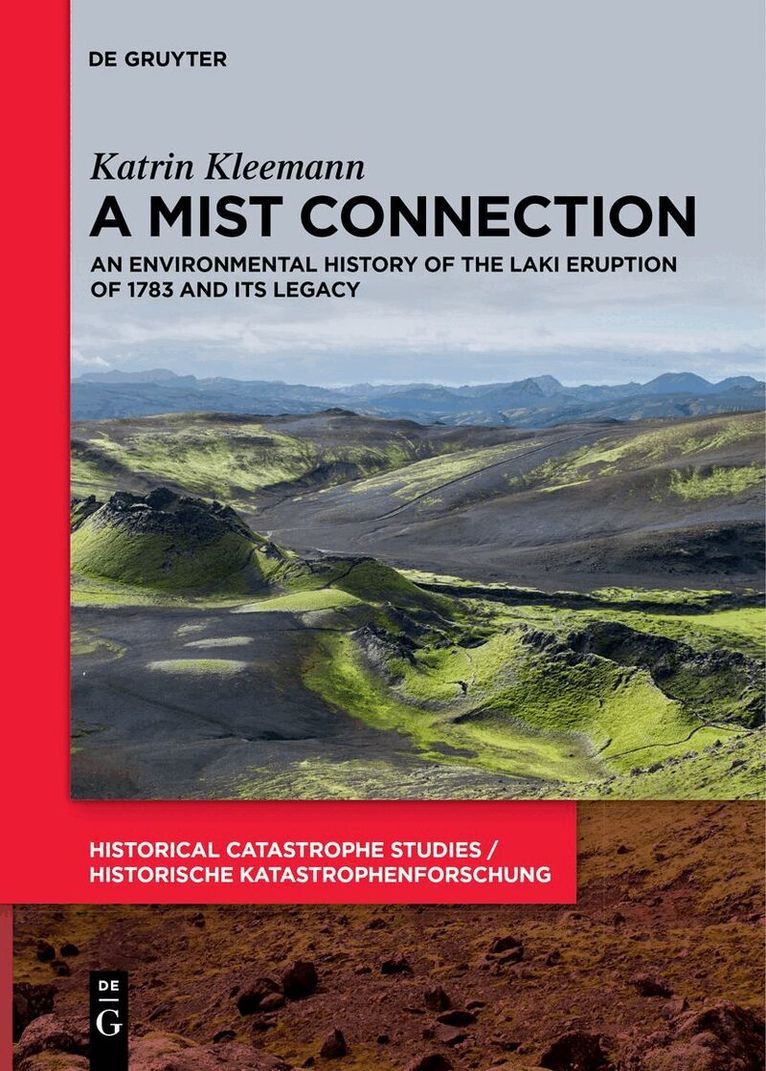
In the summer of 1783, an unusual dry fog descended upon large parts of the northern hemisphere. The fog brought with it bloodred sunsets, a foul sulfuric odor, and a host of other peculiar weather events. Inspired by the Enlightenment, many naturalists attempted to find reasonable explanations for these occurrences. Between 8 June 1783 and 7 February 1784, a 27-kilometer-long fissure volcano erupted in the Icelandic highlands. It produced the largest volume of lava released by any volcanic eruption on planet Earth in the last millennium. In Iceland, the eruption led to the death of one-fifth of the population. The jetstream carried its volcanic gases further afield to Europe and beyond, where they settled as a fog, the origin of which puzzled naturalists and laypersons. "A Mist Connection" is an environmental history that documents the Laki eruption and its consequences for Iceland and the wider world. The book combines methods of historical disaster research, climate history, global history, history of science, and geology in an interdisciplinary approach. Icelandic flood lava eruptions of this scale have a statistical recurrence period of 200 to 500 years; it is crucial to understand their nature so that we can prepare for the next one. An eruption of this magnitude would surely be disastrous for our modern, globalized, and interconnected world.
The investigation of catastrophes from a historical perspective using highly interdisciplinary approaches is now a very dynamic field of research. History, archaeology, social anthropology, sociology, literary studies, philosophy, theology, climatology and geography are just some of the disciplines making vital contributions. Together they seek to understand how past and present societies have perceived, interpreted, coped with and remembered extreme events and what kinds of long-term adaptation strategies have been developed. Methodological considerations on the nature of hazards, risk, vulnerability and resilience are key issues as well. This series is open for publications in both German and English and focuses on monographs (including printed versions of excellent dissertations and theses) as well as edited volumes.
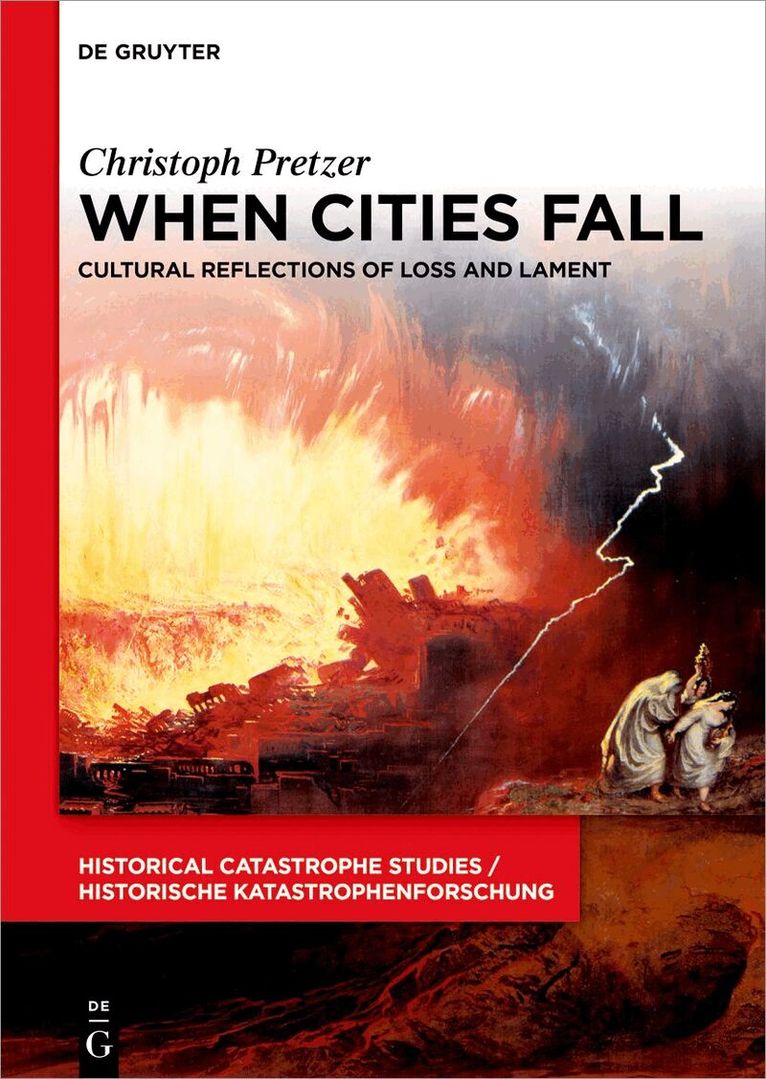
The fall of a city is not just an incisive event with often catastrophic, long-term, and wide-ranging consequences, but also a moment that captivates the imagination, elicits intense cultural reflections, and is used to draw a dividing line in historical narratives. Since Antiquity the fall of cities has been used to mark historical thresholds, which in some instances originated sprawling mythological, historiographical, and literary traditions, such as those centred on the falls of Troy, Jerusalem or Rome. In pre-modern thinking the framing of the fall of cities in various media plays a crucial role: the stories of their (repeated) falls underpin discourses essential for the negotiation of collective trauma, the attenuation of experiences of loss and disorientation, and the generation of political authority and cultural identity. In May 2023 "When Cities Fall" conference brought together an international group of interdisciplinary researchers working on all aspects of city-fall-narratives in general and city laments in particular. The contributions of this conference are now collated and presented in this volume. They range from Classical Greek political oratory, over Anglo-Saxon poetry, to Pinochet-era Chilean literature.
In the summer of 1783, an unusual dry fog descended upon large parts of the northern hemisphere. The fog brought with it bloodred sunsets, a foul sulfuric odor, and a host of other peculiar weather events. Inspired by the Enlightenment, many naturalists attempted to find reasonable explanations for these occurrences. Between 8 June 1783 and 7 February 1784, a 27-kilometer-long fissure volcano erupted in the Icelandic highlands. It produced the largest volume of lava released by any volcanic eruption on planet Earth in the last millennium. In Iceland, the eruption led to the death of one-fifth of the population. The jetstream carried its volcanic gases further afield to Europe and beyond, where they settled as a fog, the origin of which puzzled naturalists and laypersons. "A Mist Connection" is an environmental history that documents the Laki eruption and its consequences for Iceland and the wider world. The book combines methods of historical disaster research, climate history, global history, history of science, and geology in an interdisciplinary approach. Icelandic flood lava eruptions of this scale have a statistical recurrence period of 200 to 500 years; it is crucial to understand their nature so that we can prepare for the next one. An eruption of this magnitude would surely be disastrous for our modern, globalized, and interconnected world.
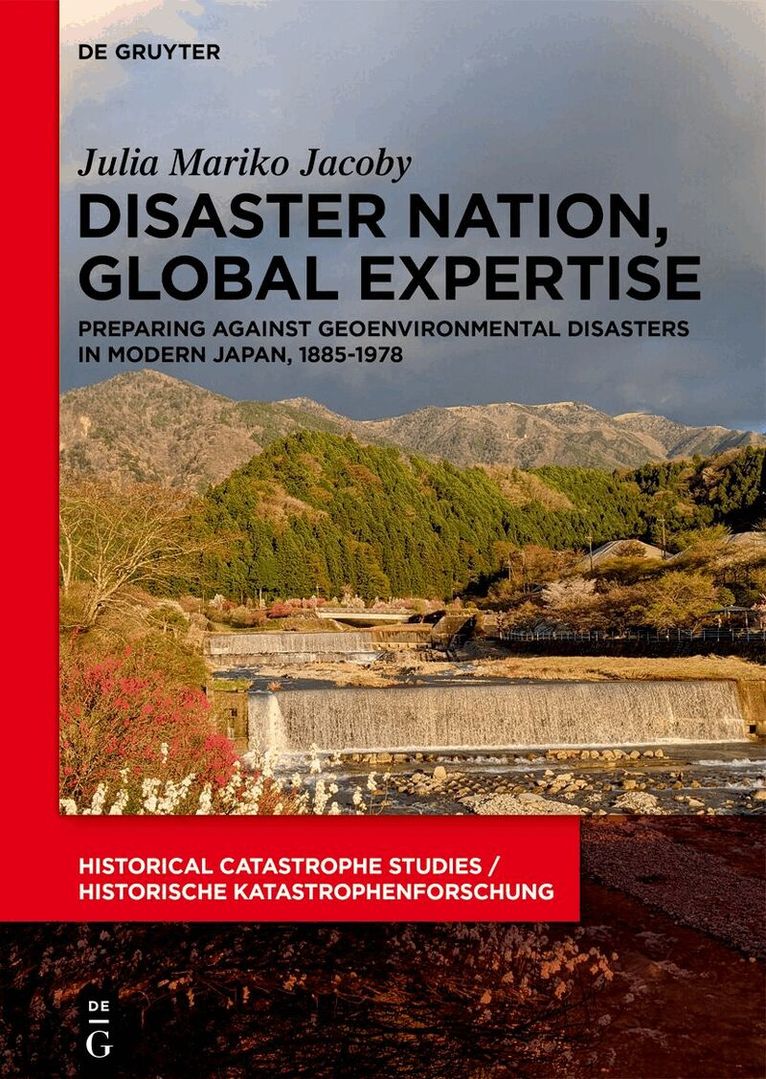
How did the Japanese prepare against disasters in the past? What kinds of knowledge influenced countermeasures? How did disaster prevention (bōsai) become a government responsibility? This book explores the origins of Japan’s disaster prevention regime by focusing on scientific experts from various disciplines, including civil engineering, seismology, geology, meteorology, and urban planning. These experts played a crucial role in shaping disaster prevention measures, legislation, and education, participating in the global scientific and technological developments of their time on the one hand while managing societal expectations on the other. The sense of political urgency created by disasters served as an argument for altering and shaping the environment in the name of disaster prevention. For the experts, generating knowledge in an environment shaped by disasters also created a scientific niche through which Japan could gain an international reputation as a nation that successfully deals with disasters. This book sheds light on how extreme natural conditions, bureaucracy, science, and technology have shaped modern Japanese history and provides insights into how environments have structured the global circulation of knowledge.