Holocaust Studies Series - Böcker
Visar alla böcker i serien Holocaust Studies Series. Handla med fri frakt och snabb leverans.
5 produkter
5 produkter
1 059 kr
Skickas inom 10-15 vardagar
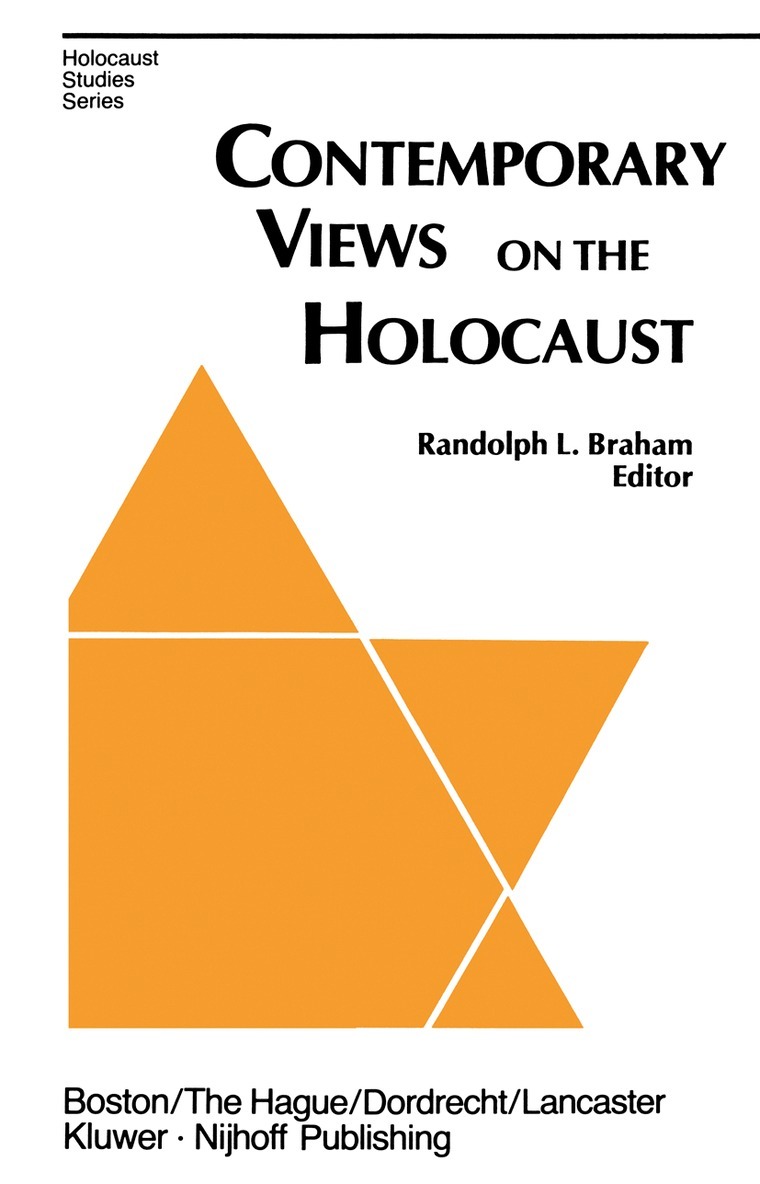
The number of books and articles dealing with various aspects of World War II has increased at a phenomenal rate since the end of the hostilities. Perhaps no other chapter in this bloodiest of all wars has received as much attention as the Holo caust. The Nazis' program for the "Final Solution of the Jewish Question" - this ideologically conceived, diabolical plan for the physicalliquidation of European Jewry - has emerged as a subject of agonizing and intense interest to laypersons and scholars alike. The centrality of the Holocaust in the study of the Third Reich and the Nazi phenomenon is almost universally recognized. The source materials for many of the books published during the immediate postwar period were the notes and diaries kept by many camp and ghetto dwellers, who were sustained during their unbelievable ordeal by the unusual drive to bear witness. These were supplemented after the liberation by a large number of personal narratives collected from survivors alI over Europe. Understandably, the books published shortly after the war ended were mainly martyrological and lachrymological, reflecting the trauma of the Holocaust at the personal, individual level. These were soon followed by a considerable number of books dealing with the moral and religious questions revolving around the role ofthe lay and spiritual leaders of the doomed Jewish communities, especially those involved in the Jewish Councils, as well as God' s responsibility toward the "chosen people.
1 059 kr
Skickas inom 10-15 vardagar
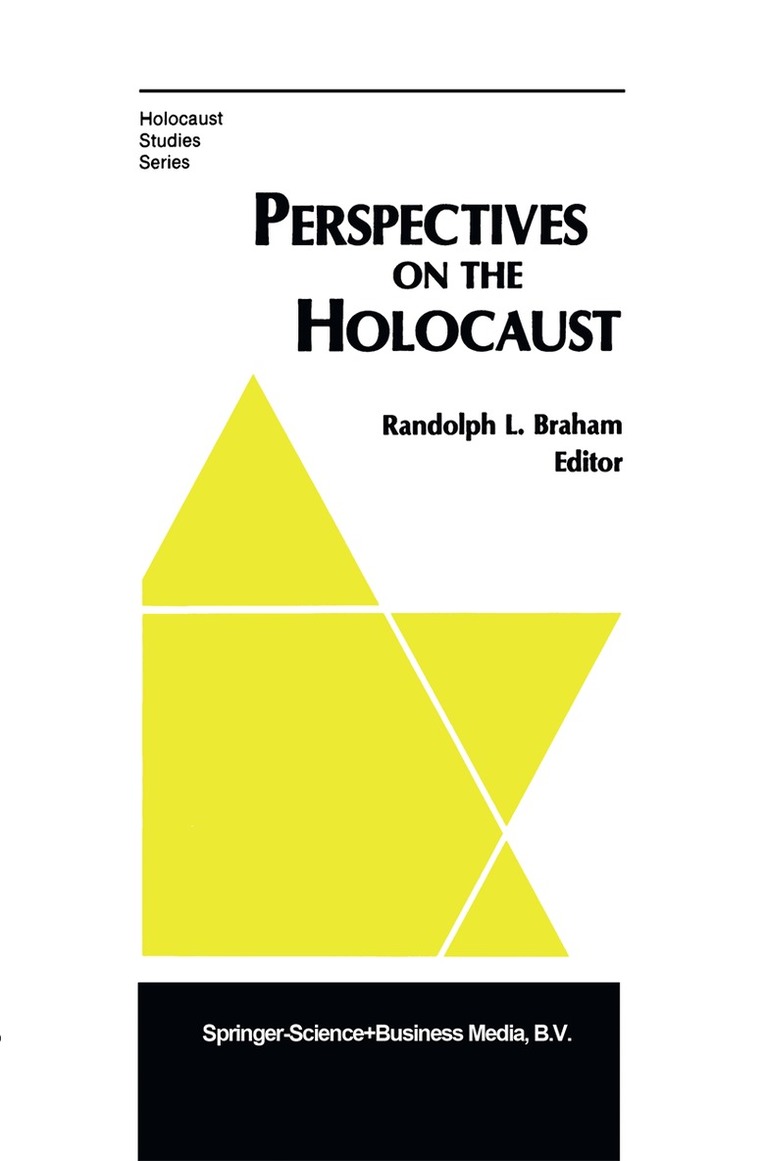
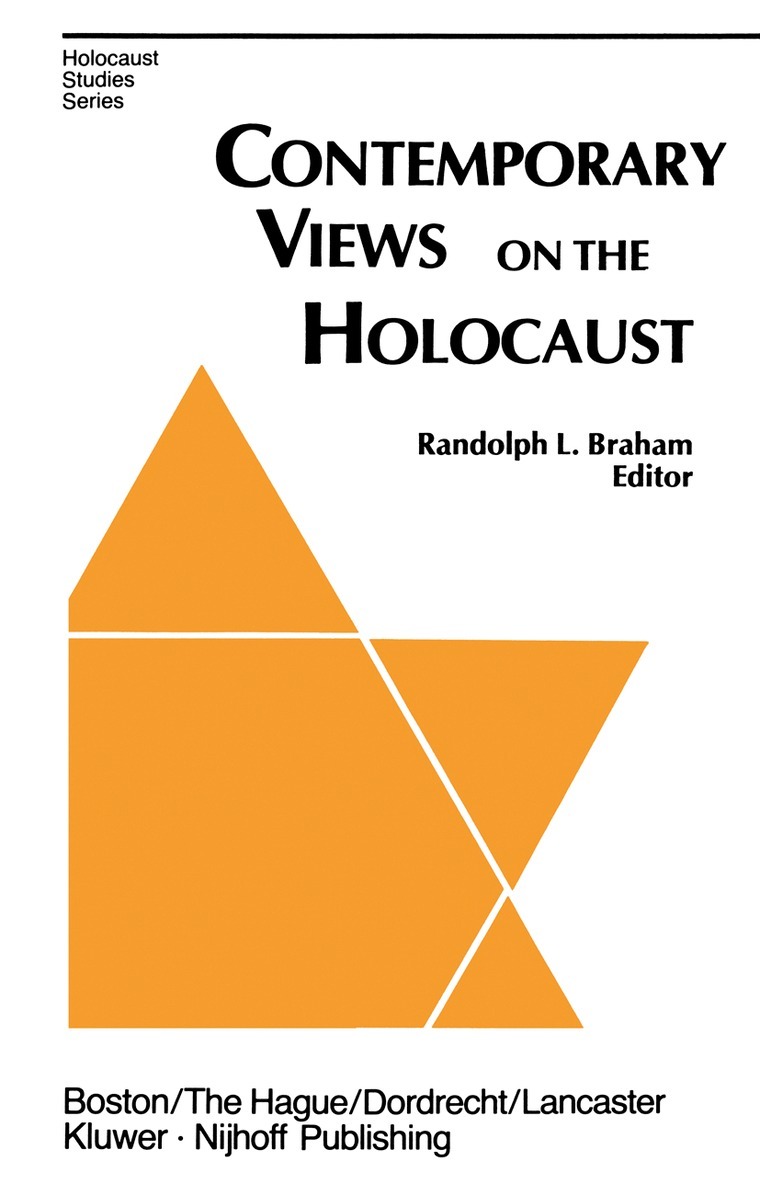
This book is the second in a series of studies published under the auspices of the Institute for Holocaust Studies of the Graduate School and U niver sity Center of The City University of New York. Like the first book, it is an outgrowth of the lectures and special studies sponsored by the institute during the 1981-82 and 1982-83 academic years. This volume is divided into five parts. Part I, Ethics and the Holocaust, contains a pioneering investigation of one of the most neglected areas in Holocaust studies. Francine Klagsbrun, a well-known writer and popular lecturer, provides an erudite overview of the value of life in Jewish thought and tradition. With full understanding of the talmudic scholars' position on Jewish ethics and using concrete examples of the life-and death dilemmas that confronted many Jews in their concentration camp experiences, Klagsbrun provides dramatic evidence of the triumph of moral and ethical principles over the forces of evil during the Holocaust, this darkest period in Jewish history. The next two chapters, grouped under the heading The Allies and the Holocaust, deal with the failure of the Western Allies to respond to the desperate needs of the persecuted Jews of Europe during the Second World War. The first is by Professor Bela Vago, an authority on the Holocaust and East Central European history at the University of Haifa.
1 092 kr
Skickas inom 10-15 vardagar
This book is the second in a series of studies published under the auspices of the Institute for Holocaust Studies of the Graduate School and U niver sity Center of The City University of New York. Like the first book, it is an outgrowth of the lectures and special studies sponsored by the institute during the 1981-82 and 1982-83 academic years. This volume is divided into five parts. Part I, Ethics and the Holocaust, contains a pioneering investigation of one of the most neglected areas in Holocaust studies. Francine Klagsbrun, a well-known writer and popular lecturer, provides an erudite overview of the value of life in Jewish thought and tradition. With full understanding of the talmudic scholars' position on Jewish ethics and using concrete examples of the life-and death dilemmas that confronted many Jews in their concentration camp experiences, Klagsbrun provides dramatic evidence of the triumph of moral and ethical principles over the forces of evil during the Holocaust, this darkest period in Jewish history. The next two chapters, grouped under the heading The Allies and the Holocaust, deal with the failure of the Western Allies to respond to the desperate needs of the persecuted Jews of Europe during the Second World War. The first is by Professor Bela Vago, an authority on the Holocaust and East Central European history at the University of Haifa.
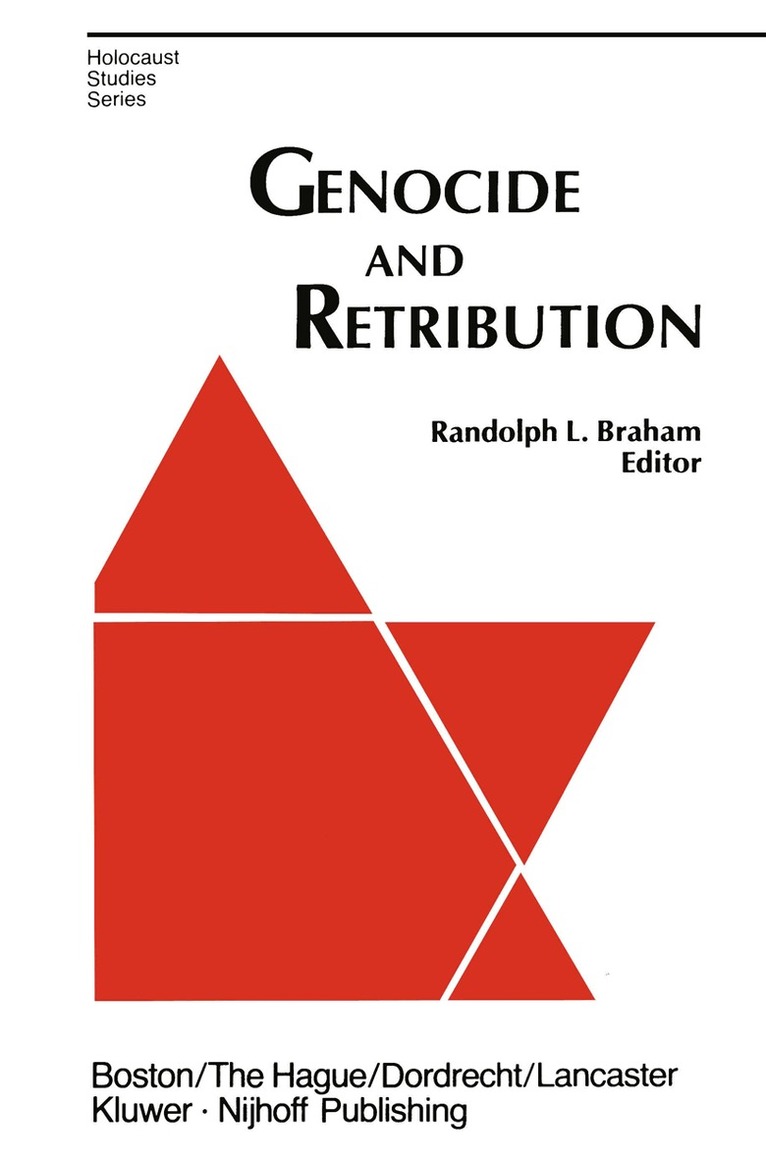
Genocide and Retribution
The Holocaust in Hungarian-Ruled Northern Transylvania
Häftad, Engelska, 2011
550 kr
Skickas inom 10-15 vardagar
During the dark years of the Holocaust, many of the millions of labor and concentration camp victims were sustained in their struggle for survival by the hope that their tormentors would not escape retribution. This expectation was reinforced by the warnings issued by the statesmen of the anti-Axis coalition and the declarations of the United States, Great Britain, and the USSR. Shortly after the cessation of hostilities, war crimes trials were indeed initiated in all parts of liberated Europe. Many of the accused were indicted, among other things, for crimes committed against Jews. People's tribunals for the prosecution of war crimes and crimes against humanity were also estab lished in Romania, a country that extricated itself from the Axis Alliance on 23 August 1944. The Romanian people's tribunals were set up and operated under the provi sions of Law No. 312, issued by the Ministry ofJustice on 21 April 1945. One ofthese tribunals was established in Cluj (Kolozsvar) and entrusted primarily with the prosecution of those involved in the violation of the rights of people living in Northern Transylvania, the part of the province that was transferred to Hungary under the terms of the Second Vienna Award (August 1940) and which remained under Hungarian rule from early September 1940 until its liberation by Soviet-Romanian forces in the fall of 1944. The crimes committed against the citizens of Northern Transylvania both within and outside the province were the subject of two major trials.
1 092 kr
Skickas inom 10-15 vardagar
The number of books and articles dealing with various aspects of World War II has increased at a phenomenal rate since the end of the hostilities. Perhaps no other chapter in this bloodiest of all wars has received as much attention as the Holo caust. The Nazis' program for the "Final Solution of the Jewish Question" - this ideologically conceived, diabolical plan for the physicalliquidation of European Jewry - has emerged as a subject of agonizing and intense interest to laypersons and scholars alike. The centrality of the Holocaust in the study of the Third Reich and the Nazi phenomenon is almost universally recognized. The source materials for many of the books published during the immediate postwar period were the notes and diaries kept by many camp and ghetto dwellers, who were sustained during their unbelievable ordeal by the unusual drive to bear witness. These were supplemented after the liberation by a large number of personal narratives collected from survivors alI over Europe. Understandably, the books published shortly after the war ended were mainly martyrological and lachrymological, reflecting the trauma of the Holocaust at the personal, individual level. These were soon followed by a considerable number of books dealing with the moral and religious questions revolving around the role ofthe lay and spiritual leaders of the doomed Jewish communities, especially those involved in the Jewish Councils, as well as God' s responsibility toward the "chosen people.