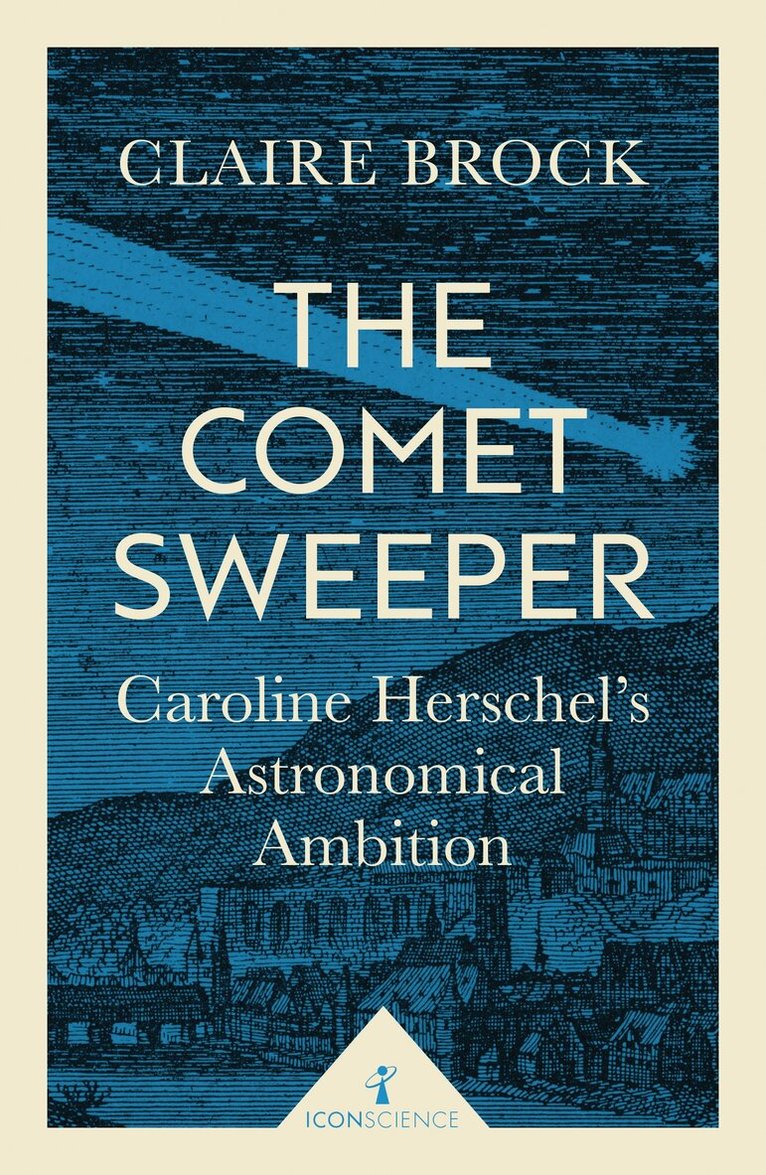
Having escaped domestic servitude in Germany by teaching herself to sing, and established a career in England, Caroline Herschel learned astronomy while helping her brother William, then Astronomer Royal.Soon making scientific discoveries in her own right, she swept to international scientific and popular fame. She was awarded a salary by George III in 1787 - the first woman in Britain to make her living from science.But, as a woman in a male-dominated world, Herschel's great success was achieved despite constant frustration of her ambitions. Drawing on original sources - including Herschel's diaries and her fiery letters - Claire Brock tells the story of a woman determined to win independence and satisfy her astronomical ambition.
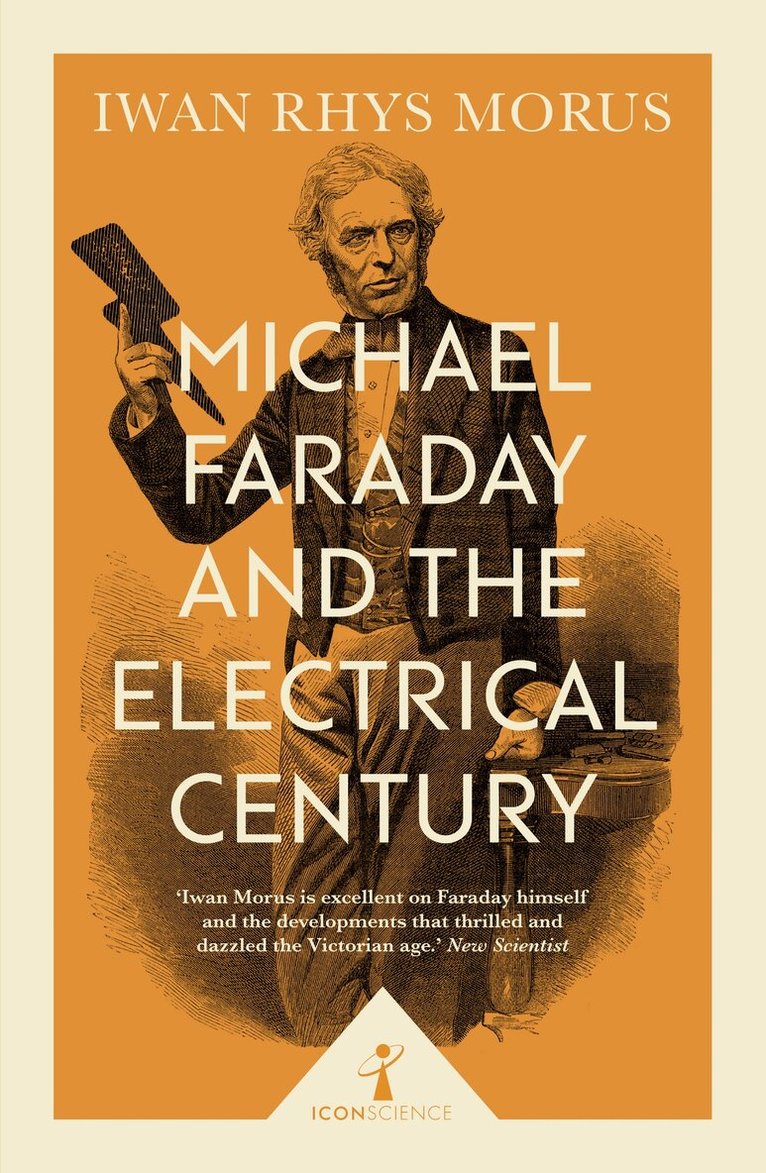
The only scientist to ever appear on the British twenty pound note, Michael Faraday is one of the most recognisable names in the history of science.Faraday's forte was electricity, a revolutionary force in nineteenth-century society. The electric telegraph had made mass-communication possible and inventors looked forward to the day when electricity would control all aspects of life. By the end of the century, this dream was well on its way to being realised. But what was Faraday's role in all this? How did his science come to have such an impact on the lives of the Victorians (and ultimately on us)?Iwan Morus tells the story of Faraday's upbringing in London and his apprenticeship at the Royal Institution under the supervision of the flamboyant chemist, Sir Humphry Davy, all set against the backdrop of a vibrant scientific culture and an empire near the peak of its power.
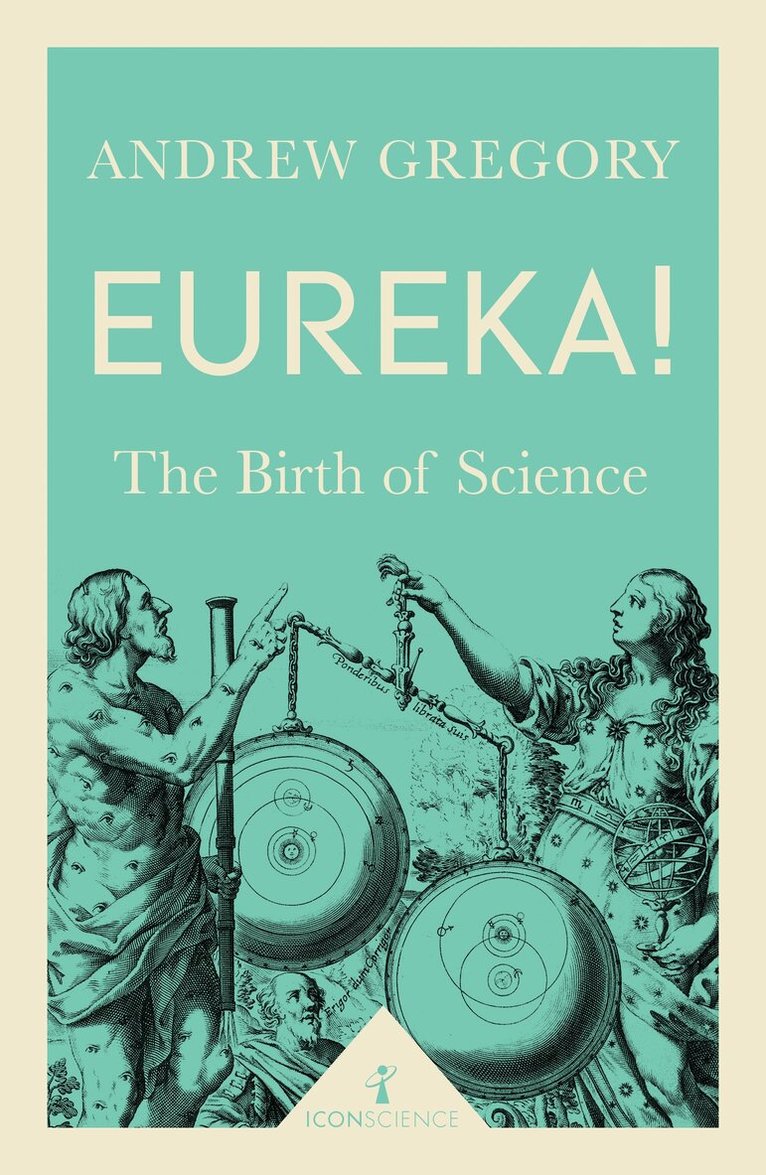
Medicine, anatomy, astronomy, mathematics and cosmology, science began with the Greeks, and Plato, Aristotle, Pythagoras, Archimedes and Hippocrates were amongst its stars. That man ever managed to develop a 'scientific' attitude to the natural world at all is one of the true wonders of human thought.Eureka! shows how, free from intellectual and religious dogma, these early thinkers rejected myths and capricious gods and, in distinguishing between the natural and supernatural, effectively discovered nature.Andrew Gregory, Professor of History and Philosophy of Science at University College London, unravels the genesis of science in this fascinating exploration of the origins of Western civilisation, and our desire for a rational, legitimating system of the world.
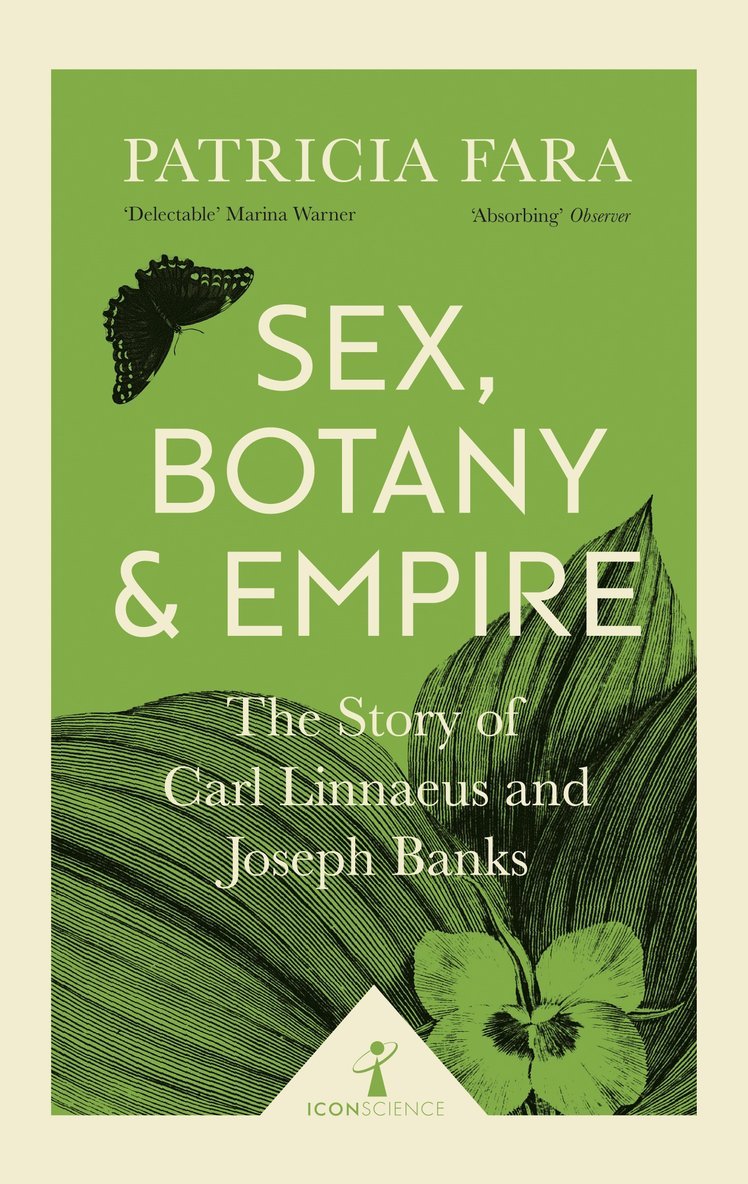
When the imperial explorer James Cook returned from his first voyage to Australia, scandal writers mercilessly satirised the amorous exploits of his botanist Joseph Banks, whose trousers were reportedly stolen while he was inside the tent of Queen Oberea of Tahiti. Was the pursuit of scientific truth really what drove Enlightenment science?In Sweden and Britain, both imperial powers, Banks and Carl Linneaus ruled over their own small scientific empires, promoting botanical exploration to justify the exploitation of territories, peoples and natural resources. Regarding native peoples with disdain, these two scientific emperors portrayed the Arctic North and the Pacific Ocean as uncorrupted Edens, free from the shackles of Western sexual mores.In this 'absorbing' (Observer) book, Patricia Fara reveals the existence, barely concealed under Banks' and Linnaeus' camouflage of noble Enlightenment, of the altogether more seedy drives to conquer, subdue and deflower in the name of the British Imperial state.
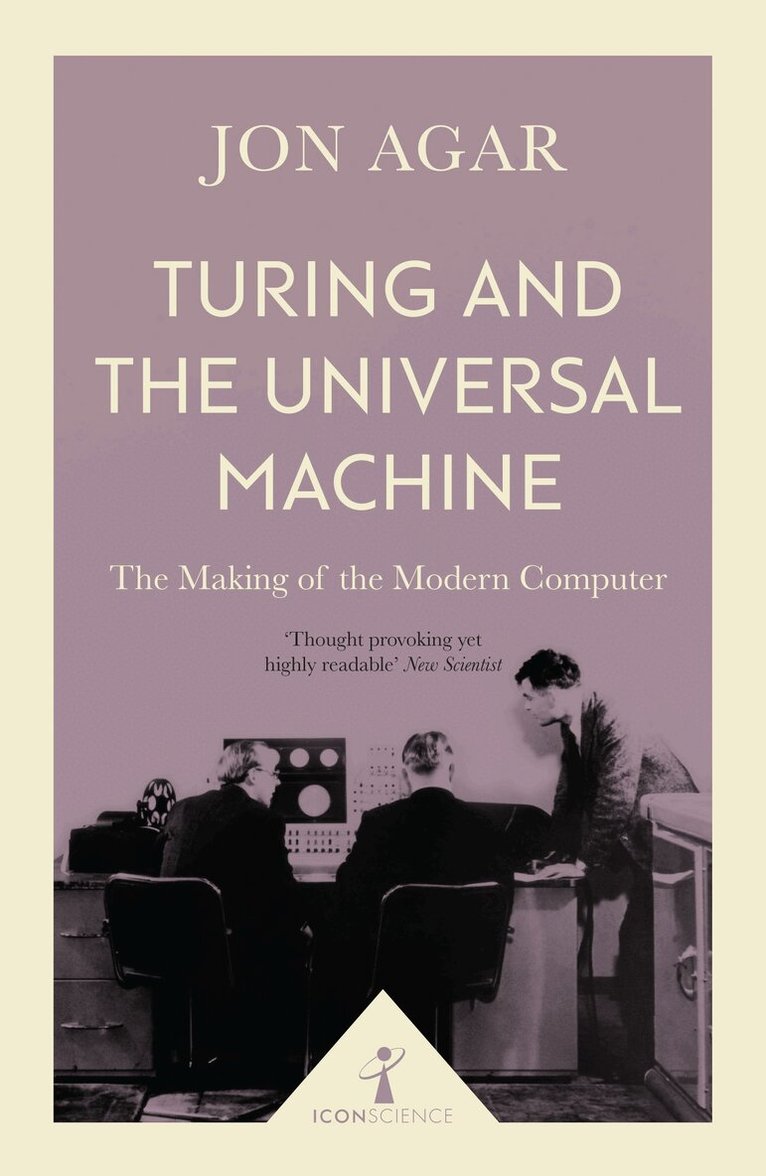
The history of the computer is entwinedwith that of the modern world and with the life of one man, the brilliant buttroubled Alan Turing.How did the computer come to structureand dominate our lives so totally? In Jon Agar's enlightening story of the'universal machine', we discover how Turing's groundbreaking work not onlyhelped break German codes during the Second World War but also founded the beginningsof the modern computer.Persecuted by the authorities for hishomosexuality, and ultimately hounded to suicide, Turing's personaltribulations are as relevant to the modern world as his work on computing, asindicated by his posthumous royal pardon of 2013 and the recent film The Imitation Game, which focuses onTuring's turbulent life.
Having escaped domestic servitude in Germany by teaching herself to sing, and established a career in England, Caroline Herschel learned astronomy while helping her brother William, then Astronomer Royal.Soon making scientific discoveries in her own right, she swept to international scientific and popular fame. She was awarded a salary by George III in 1787 - the first woman in Britain to make her living from science.But, as a woman in a male-dominated world, Herschel's great success was achieved despite constant frustration of her ambitions. Drawing on original sources - including Herschel's diaries and her fiery letters - Claire Brock tells the story of a woman determined to win independence and satisfy her astronomical ambition.
The only scientist to ever appear on the British twenty pound note, Michael Faraday is one of the most recognisable names in the history of science.Faraday's forte was electricity, a revolutionary force in nineteenth-century society. The electric telegraph had made mass-communication possible and inventors looked forward to the day when electricity would control all aspects of life. By the end of the century, this dream was well on its way to being realised. But what was Faraday's role in all this? How did his science come to have such an impact on the lives of the Victorians (and ultimately on us)?Iwan Morus tells the story of Faraday's upbringing in London and his apprenticeship at the Royal Institution under the supervision of the flamboyant chemist, Sir Humphry Davy, all set against the backdrop of a vibrant scientific culture and an empire near the peak of its power.
Medicine, anatomy, astronomy, mathematics and cosmology, science began with the Greeks, and Plato, Aristotle, Pythagoras, Archimedes and Hippocrates were amongst its stars. That man ever managed to develop a 'scientific' attitude to the natural world at all is one of the true wonders of human thought.Eureka! shows how, free from intellectual and religious dogma, these early thinkers rejected myths and capricious gods and, in distinguishing between the natural and supernatural, effectively discovered nature.Andrew Gregory, Professor of History and Philosophy of Science at University College London, unravels the genesis of science in this fascinating exploration of the origins of Western civilisation, and our desire for a rational, legitimating system of the world.
When the imperial explorer James Cook returned from his first voyage to Australia, scandal writers mercilessly satirised the amorous exploits of his botanist Joseph Banks, whose trousers were reportedly stolen while he was inside the tent of Queen Oberea of Tahiti. Was the pursuit of scientific truth really what drove Enlightenment science?In Sweden and Britain, both imperial powers, Banks and Carl Linneaus ruled over their own small scientific empires, promoting botanical exploration to justify the exploitation of territories, peoples and natural resources. Regarding native peoples with disdain, these two scientific emperors portrayed the Arctic North and the Pacific Ocean as uncorrupted Edens, free from the shackles of Western sexual mores.In this 'absorbing' (Observer) book, Patricia Fara reveals the existence, barely concealed under Banks' and Linnaeus' camouflage of noble Enlightenment, of the altogether more seedy drives to conquer, subdue and deflower in the name of the British Imperial state.
The history of the computer is entwinedwith that of the modern world and with the life of one man, the brilliant buttroubled Alan Turing.How did the computer come to structureand dominate our lives so totally? In Jon Agar's enlightening story of the'universal machine', we discover how Turing's groundbreaking work not onlyhelped break German codes during the Second World War but also founded the beginningsof the modern computer.Persecuted by the authorities for hishomosexuality, and ultimately hounded to suicide, Turing's personaltribulations are as relevant to the modern world as his work on computing, asindicated by his posthumous royal pardon of 2013 and the recent film The Imitation Game, which focuses onTuring's turbulent life.