Inside Film - Böcker
Visar alla böcker i serien Inside Film. Handla med fri frakt och snabb leverans.
14 produkter
14 produkter
1 127 kr
Skickas inom 10-15 vardagar
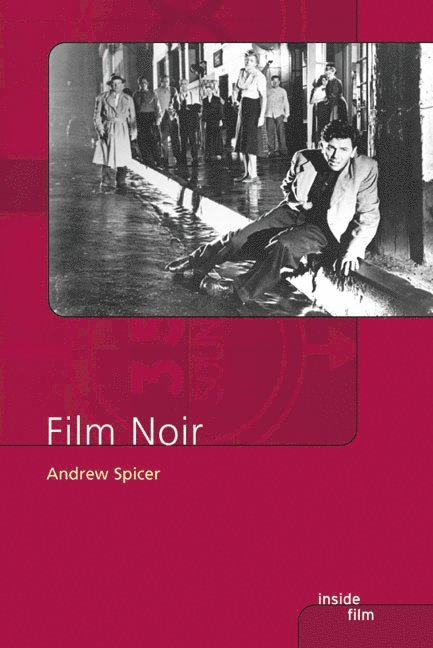
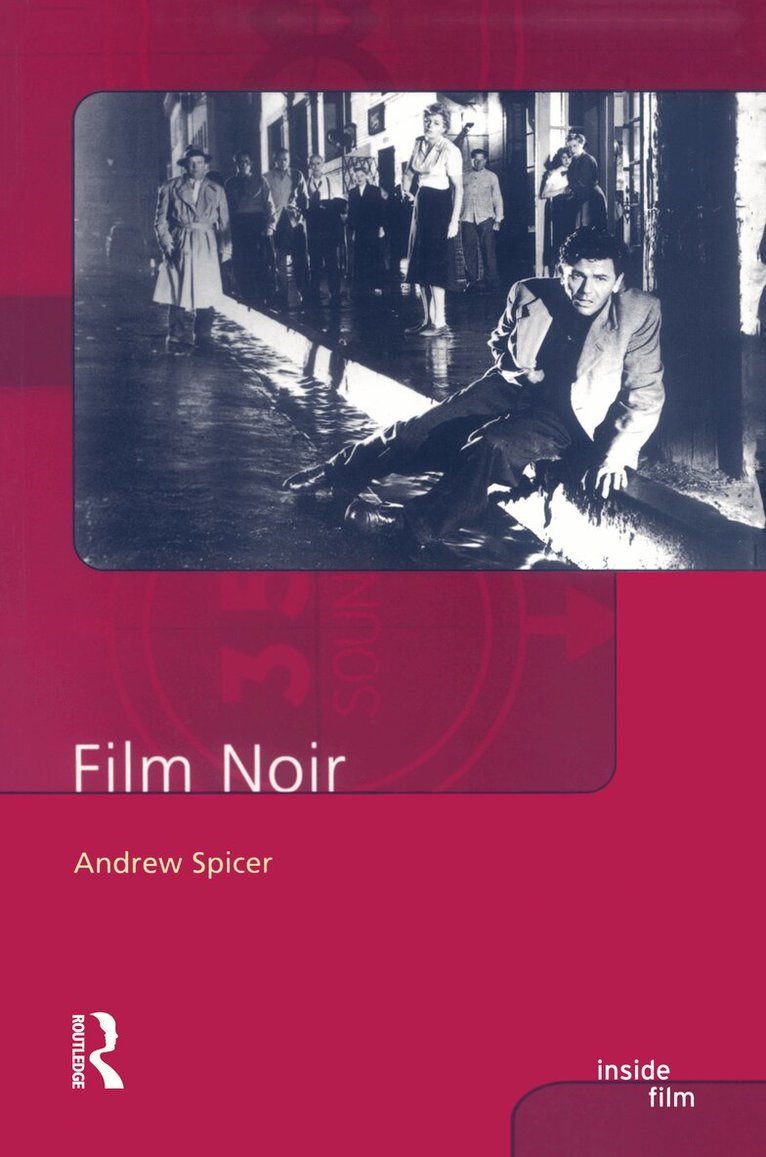
An overview of an often celebrated, but also contested, body of films. It discusses film noir as a cultural phenomenon whose history is more extensive and diverse than American black and white crime thrillers of the forties. An extended Background Chapter situates film noir within its cultural context.
854 kr
Skickas inom 10-15 vardagar
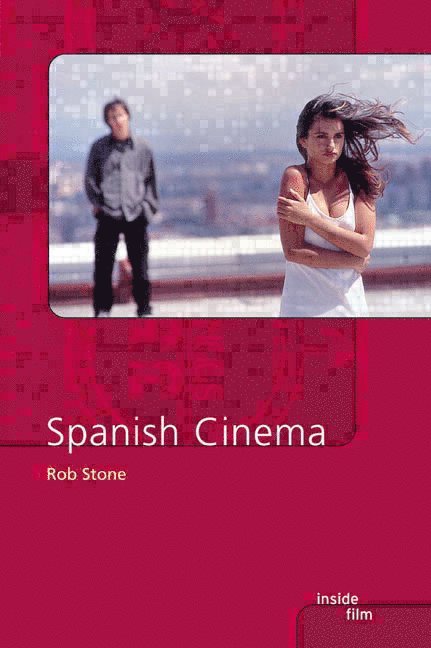
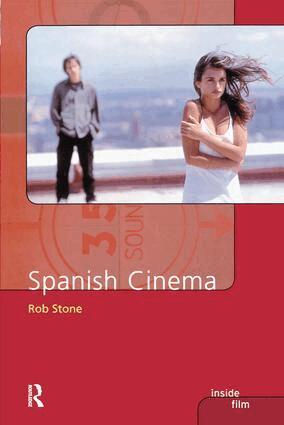
From the surrealist films of Luis Bunuel to the colourful melodramas of Pedro Almodovar, Spain has produced film-makers who have consistently provided a condoning or dissenting eye on Spanish history and culture. Rob Stone charts a history of Spanish Cinema throughout the turbulent Francoist years and beyond.
854 kr
Skickas inom 10-15 vardagar
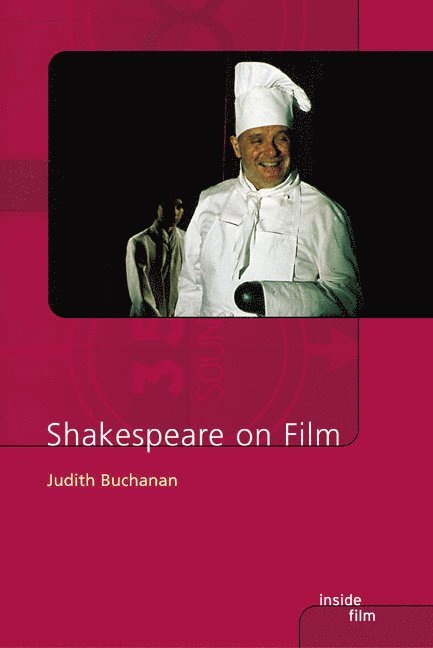
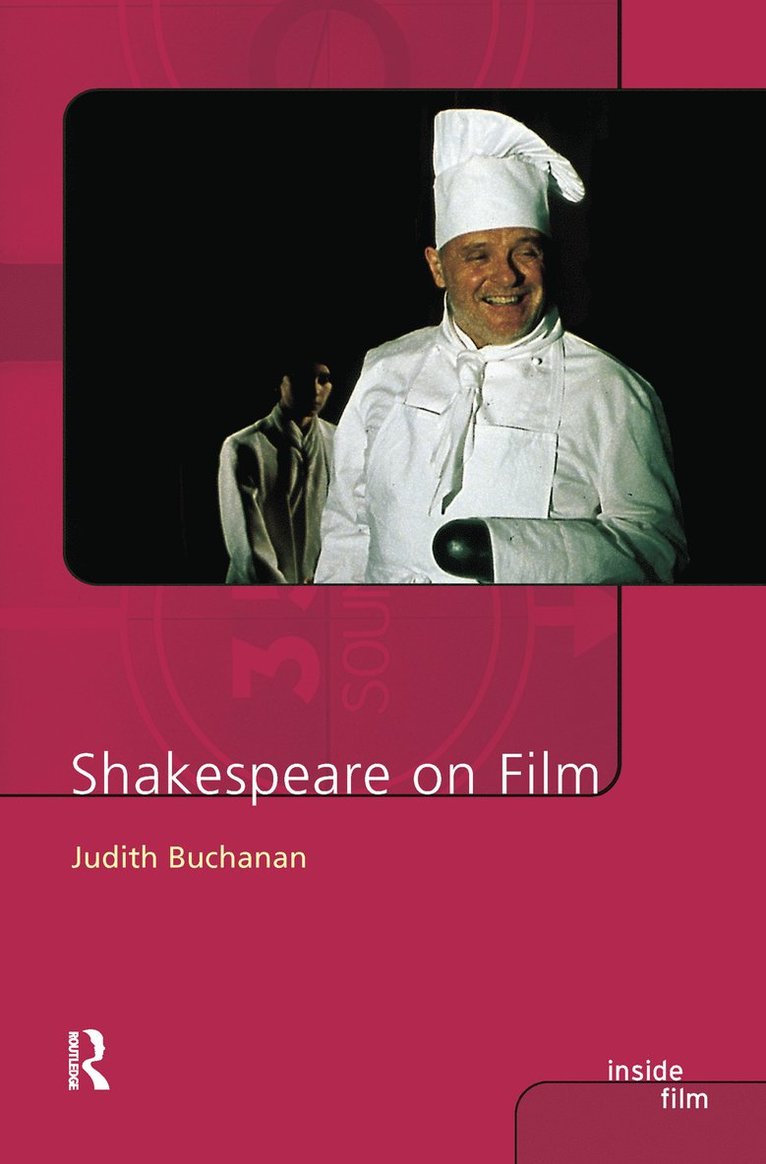
From the earliest days of the cinema to the present, Shakespeare has offered a tempting bank of source material than the film industry has been happy to plunder. Part of the "Inside Film" series, this book examines a range of films that have emerged from the curious union of an iconic dramatist with a medium of mass appeal.
854 kr
Skickas inom 10-15 vardagar
The Western introduces the novice to the pleasures and the meanings of the Western film, shares the excitement of the genre with the fan, addresses the suspicions of the cynic and develops the knowledge of the student. The Western is about the changing times of the Western, and about how it has been understood in film criticism. Until the 1980s, more Westerns were made than any other type of film. For fifty of those years, the genre was central to Hollywood's popularity and profitability. The Western explores the reasons for its success and its latter-day decline among film-makers and audiences alike. Part I charts the history of the Western film and its role in film studies. Part II traces the origins of the Western in nineteenth-century America, and in its literary, theatrical and visual imagining. This sets the scene to explore the many evolving forms in successive chapters on early silent Westerns, the series Western, the epic, the romance, the dystopian, the elegiac and, finally, the revisionist Western. The Western concludes with an extensive bibliography, filmography and select further reading.Over 200 Westerns are discussed, among them close accounts of classics such as Duel in the Sun, The Wild Bunch and Unforgiven, formative titles like John Ford's epic The Iron Horse, and early cowboy star William S. Hart's The Silent One together with less familiar titles that deserve wider recognition, including Comanche Station, Pursued and Ulzana's Raid.
854 kr
Skickas inom 10-15 vardagar
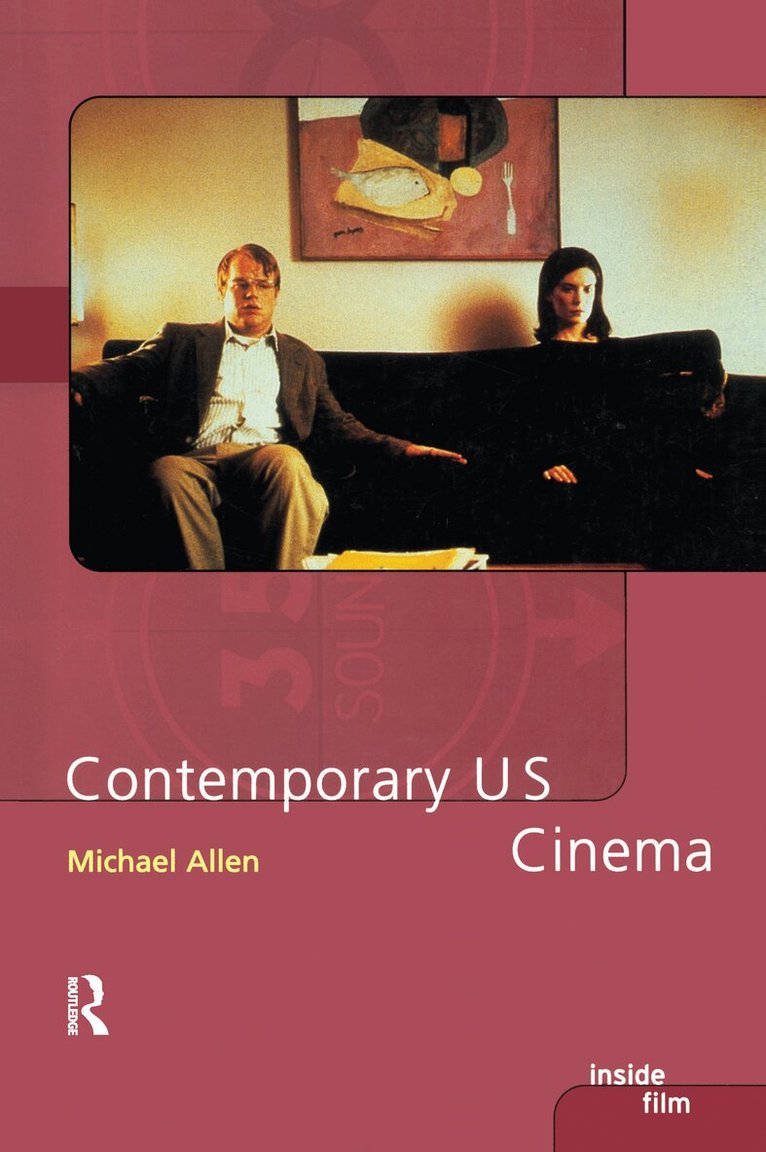
Contemporary U.S. Cinema is a forceful exploration of the tumultuous changes that have dominated the shifting landscape of American film-making over the past three decades. From the explosive release of Easy Rider to the excesses of Heaven's Gate and the comic book figures of Spider-Man, its aim is to examine the economic, social and cultural contexts of mainstream and independent American films.The book divides into nine provocative chapters with material on: the most significant individual film-makers, such as Scorsese, Coppola and Lucas, as well as independent film-makers like Jarmusch and Anders the careers of leading actors of the last thirty years, such as Jack Nicholson, Robert Redford and Julia Roberts, whilst exploring the powerful position of the film star in the modern American film-making process the economics of Contemporary U.S. Cinema with particular reference to the tortuous journey from production, distribution and exhibition of Waterworld and Titanic the artistic influence of foreign film-makers, such as François Truffaut and Jean-Luc Godard, and explores Hollywood's increasing dominance and reliance on the global market genres, sequels and the recent developments in computer-based technologies, using examples from The Godfather I - III, The Matrix, the Star Wars saga and remakes from Shaft to Ocean's Eleven The book is illustrated with stills throughout and includes a bibliography and annotated further reading list.
854 kr
Skickas inom 10-15 vardagar
Russian Cinema provides a lively and informative exploration of the film genres that developed during Russia's tumultuous history, with discussion of the work of Eisenstein, Pudovkin, Mikhalkov, Paradzhanov, Sokurov and others.The background section assesses the contribution of visual art and music, especially the work of the composers Shostakovich and Prokofev, to Russian cinema. Subsequent chapters explore a variety of topics: The literary space - the cinematic rendering of the literary text, from 'Sovietized' versions to bolder and more innovative interpretations, as well as adaptations of foreign classicsThe Russian film comedy looks at this perennially popular genre over the decades, from the 'domestication' of laughter under Stalin to the emergence of satireThe historical film - how history has been used in film to affirm prevailing ideological norms, from October to Taurus Women and Russian film discusses some of the female stars of the Soviet screen (Liubov Orlova, Vera Alentova, Liudmila Gurchenko), as well as films made by male and female directors, such as Askoldov and Kira MuratovaFilm and ideology shows why ideology was an essential component of Soviet films such as The Maxim Trilogy, and how it was later definitively rejectedThe Russian war film looks at Civil War and Second World War films, and the post-Soviet treatment of recent conflicts in Afghanistan and Chechnya Private life and public morality explores the evolution of melodramas about youth angst, town and village life, personal relationships, and the emergence of the dominant sub-genre of the 1990s, the gangster thriller Autobiography, memory and identity offers a close reading of the work of Andrei Tarkovskii, Russia's greatest post-war director, whose films, including Andrei Rublev and Mirror, place him among the foremost European auteur film-makers Russian Cinema offers a close analysis of over 300 films illustrated with representative stills throughout. As with other titles in the Inside Film series it includes comprehensive filmographies, a thorough bibliography and an annotated further reading list. The book is a jargon-free, accessible study that will be of interest to undergraduates of film studies, modern languages, Russian language and literature, as well as cineastes, film teachers and researchers.
854 kr
Skickas inom 10-15 vardagar
The Horror Film is an in-depth exploration of one of the most consistently popular, but also most disreputable, of all the mainstream film genres. Since the early 1930s there has never been a time when horror films were not being produced in substantial numbers somewhere in the world and never a time when they were not being criticised, censored or banned. The Horror Film engages with the key issues raised by this most contentious of genres. It considers the reasons for horror's disreputability and seeks to explain why despite this horror has been so successful. Where precisely does the appeal of horror lie? An extended introductory chapter identifies what it is about horror that makes the genre so difficult to define. The chapter then maps out the historical development of the horror genre, paying particular attention to the international breadth and variety of horror production, with reference to films made in the United States, Britain, Italy, Spain and elsewhere.Subsequent chapters explore: The role of monsters, focusing on the vampire and the serial killer. The usefulness (and limitations) of psychological approaches to horror. The horror audience: what kind of people like horror (and what do other people think of them)? Gender, race and class in horror: how do horror films such as Bride of Frankenstein, The Texas Chainsaw Massacre and Blade relate to the social and political realities within which they are produced? Sound and horror: in what ways has sound contributed to the development of horror? Performance in horror: how have performers conveyed fear and terror throughout horror's history? 1970s horror: was this the golden age of horror production? Slashers and post-slashers: from Halloween to Scream and beyond. The Horror Film throws new light on some well-known horror films but also introduces the reader to examples of noteworthy but more obscure horror work. A final section provides a guide to further reading and an extensive bibliography. Accessibly written, The Horror Film is a lively and informative account of the genre that will appeal to students of cinema, film teachers and researchers, and horror lovers everywhere.
2 807 kr
Skickas inom 10-15 vardagar
The Horror Film is an in-depth exploration of one of the most consistently popular, but also most disreputable, of all the mainstream film genres. Since the early 1930s there has never been a time when horror films were not being produced in substantial numbers somewhere in the world and never a time when they were not being criticised, censored or banned. The Horror Film engages with the key issues raised by this most contentious of genres. It considers the reasons for horror's disreputability and seeks to explain why despite this horror has been so successful. Where precisely does the appeal of horror lie? An extended introductory chapter identifies what it is about horror that makes the genre so difficult to define. The chapter then maps out the historical development of the horror genre, paying particular attention to the international breadth and variety of horror production, with reference to films made in the United States, Britain, Italy, Spain and elsewhere.Subsequent chapters explore: The role of monsters, focusing on the vampire and the serial killer. The usefulness (and limitations) of psychological approaches to horror. The horror audience: what kind of people like horror (and what do other people think of them)? Gender, race and class in horror: how do horror films such as Bride of Frankenstein, The Texas Chainsaw Massacre and Blade relate to the social and political realities within which they are produced? Sound and horror: in what ways has sound contributed to the development of horror? Performance in horror: how have performers conveyed fear and terror throughout horror's history? 1970s horror: was this the golden age of horror production? Slashers and post-slashers: from Halloween to Scream and beyond. The Horror Film throws new light on some well-known horror films but also introduces the reader to examples of noteworthy but more obscure horror work. A final section provides a guide to further reading and an extensive bibliography. Accessibly written, The Horror Film is a lively and informative account of the genre that will appeal to students of cinema, film teachers and researchers, and horror lovers everywhere.
2 166 kr
Skickas inom 10-15 vardagar
From the earliest days of the cinema to the present, Shakespeare has offered a tempting bank of source material than the film industry has been happy to plunder. Shakespeare on Film deftly examines an extensive range of films that have emerged from the curious union of an iconic dramatist with a medium of mass appeal. The many films Buchanan studies are shown to be telling indicators of trends in Shakespearean performance interpretation, illuminating markers of developments in the film industry and culturally revealing about broader influences in the world beyond the movie theatre.As with other titles from the Inside Film series, the book is illustrated throughout with stills. Each chapter concludes with a list of suggested further reading in the field.
2 663 kr
Skickas inom 10-15 vardagar
The Western introduces the novice to the pleasures and the meanings of the Western film, shares the excitement of the genre with the fan, addresses the suspicions of the cynic and develops the knowledge of the student. The Western is about the changing times of the Western, and about how it has been understood in film criticism. Until the 1980s, more Westerns were made than any other type of film. For fifty of those years, the genre was central to Hollywood's popularity and profitability. The Western explores the reasons for its success and its latter-day decline among film-makers and audiences alike. Part I charts the history of the Western film and its role in film studies. Part II traces the origins of the Western in nineteenth-century America, and in its literary, theatrical and visual imagining. This sets the scene to explore the many evolving forms in successive chapters on early silent Westerns, the series Western, the epic, the romance, the dystopian, the elegiac and, finally, the revisionist Western. The Western concludes with an extensive bibliography, filmography and select further reading.Over 200 Westerns are discussed, among them close accounts of classics such as Duel in the Sun, The Wild Bunch and Unforgiven, formative titles like John Ford's epic The Iron Horse, and early cowboy star William S. Hart's The Silent One together with less familiar titles that deserve wider recognition, including Comanche Station, Pursued and Ulzana's Raid.
2 807 kr
Skickas inom 10-15 vardagar
Film Noir is an overview of an often celebrated, but also contested, body of films. It discusses film noir as a cultural phenomenon whose history is more extensive and diverse than American black and white crime thrillers of the forties. An extended Background Chapter situates film noir within its cultural context, describing its origin in German Expressionism, French Poetic Realism and in developments within American genres, the gangster/crime thriller, horror and the Gothic romance and its possible relationship to changes in American society. Five chapters are devoted to ‘classic’ film noir (1940-59): chapters explore its contexts of production and reception, its visual style, and its narrative patterns and themeschapters on character types and star performances elucidate noir’s complex construction of gender with its weak, ambivalent males and predatory femmes fatales and also provide a detailed analysis of three noir auteurs, - Anthony Mann, Robert Siodmak and Fritz LangThree chapters investigate ‘neo-noir’ and British film noir: chapters trace the complex evolution of ‘neo-noir’ in American cinema, from the modernist critiques of Night Moves and Taxi Driver, to the postmodern hybridity of contemporary noir including Seven, Pulp Fiction and Memento the final chapter surveys the development of British film noir, a significant and virtually unknown cinema, stretching from the thirties to Mike Hodges’ Croupier Films discussed include both little known examples and seminal works such as Double Indemnity, Scarlet Street, Kiss Me Deadly and Touch of Evil. A final section provides a guide to further reading, an extensive bibliography and a list of over 500 films referred to in the text. Lucidly written, Film Noir is an accessible, informative and stimulating introduction that will have a broad appeal to undergraduates, cinéastes, film teachers and researchers.
2 103 kr
Skickas inom 10-15 vardagar
From the surrealist films of Luis Buñuel to the colourful melodramas of Pedro Almodóvar, Spain has produced a wealth of exciting and distinctive film-makers who have consistently provided a condoning or dissenting eye on Spanish history and culture. For modern cinema-goers, it has often been the sexually-charged and colourful nature of many contemporary Spanish films, which has made them popular world-wide and led directors and stars such as Almodóvar, Banderas and Penélope Cruz to be welcomed by Hollywood. Using original interview material with Spanish Cinema luminaries such as Carlos Saura, Julio Medem, Imanol Uribe and Elías Querejeta, Rob Stone charts a history of Spanish Cinema throughout the turbulent Francoist years and beyond. The book aims to provide a broad introduction to Spanish Cinema, the nine chapters divided into four types: chapters on Spanish Cinema during the Dictatorship and following the transition to democracy survey current debate and opinion while tracing the development of themes and film movements throughout those periods. chapters on early Spanish cinema and Basque cinema present vital and fascinating aspects of Spanish cinema that have previously been ignored chapters on childhood in Spanish cinema, and sex and the new star system offer new pathways into the study of Spanish cinema chapters on Carlos Saura, Elías Querejeta and Julio Medem offer specific case studies of film-makers who are emblematic of different periods in Spanish cinema and, indeed, Spanish history As with other titles in the Inside Film series, the book is comprehensively illustrated with representative stills and has a thorough bibliography, index and list of resources.
1 900 kr
Skickas inom 10-15 vardagar
Contemporary U.S. Cinema is a forceful exploration of the tumultuous changes that have dominated the shifting landscape of American film-making over the past three decades. From the explosive release of Easy Rider to the excesses of Heaven's Gate and the comic book figures of Spider-Man, its aim is to examine the economic, social and cultural contexts of mainstream and independent American films.The book divides into nine provocative chapters with material on: the most significant individual film-makers, such as Scorsese, Coppola and Lucas, as well as independent film-makers like Jarmusch and Anders the careers of leading actors of the last thirty years, such as Jack Nicholson, Robert Redford and Julia Roberts, whilst exploring the powerful position of the film star in the modern American film-making process the economics of Contemporary U.S. Cinema with particular reference to the tortuous journey from production, distribution and exhibition of Waterworld and Titanic the artistic influence of foreign film-makers, such as François Truffaut and Jean-Luc Godard, and explores Hollywood's increasing dominance and reliance on the global market genres, sequels and the recent developments in computer-based technologies, using examples from The Godfather I - III, The Matrix, the Star Wars saga and remakes from Shaft to Ocean's Eleven The book is illustrated with stills throughout and includes a bibliography and annotated further reading list.
2 103 kr
Skickas inom 10-15 vardagar
Russian Cinema provides a lively and informative exploration of the film genres that developed during Russia's tumultuous history, with discussion of the work of Eisenstein, Pudovkin, Mikhalkov, Paradzhanov, Sokurov and others.The background section assesses the contribution of visual art and music, especially the work of the composers Shostakovich and Prokofev, to Russian cinema. Subsequent chapters explore a variety of topics: The literary space - the cinematic rendering of the literary text, from 'Sovietized' versions to bolder and more innovative interpretations, as well as adaptations of foreign classicsThe Russian film comedy looks at this perennially popular genre over the decades, from the 'domestication' of laughter under Stalin to the emergence of satireThe historical film - how history has been used in film to affirm prevailing ideological norms, from October to Taurus Women and Russian film discusses some of the female stars of the Soviet screen (Liubov Orlova, Vera Alentova, Liudmila Gurchenko), as well as films made by male and female directors, such as Askoldov and Kira MuratovaFilm and ideology shows why ideology was an essential component of Soviet films such as The Maxim Trilogy, and how it was later definitively rejectedThe Russian war film looks at Civil War and Second World War films, and the post-Soviet treatment of recent conflicts in Afghanistan and Chechnya Private life and public morality explores the evolution of melodramas about youth angst, town and village life, personal relationships, and the emergence of the dominant sub-genre of the 1990s, the gangster thriller Autobiography, memory and identity offers a close reading of the work of Andrei Tarkovskii, Russia's greatest post-war director, whose films, including Andrei Rublev and Mirror, place him among the foremost European auteur film-makers Russian Cinema offers a close analysis of over 300 films illustrated with representative stills throughout. As with other titles in the Inside Film series it includes comprehensive filmographies, a thorough bibliography and an annotated further reading list. The book is a jargon-free, accessible study that will be of interest to undergraduates of film studies, modern languages, Russian language and literature, as well as cineastes, film teachers and researchers.