Explorations in the Learning Sciences, Instructional Systems and Performance Technologies - Böcker
Visar alla böcker i serien Explorations in the Learning Sciences, Instructional Systems and Performance Technologies. Handla med fri frakt och snabb leverans.
13 produkter
13 produkter
1 651 kr
Skickas inom 10-15 vardagar
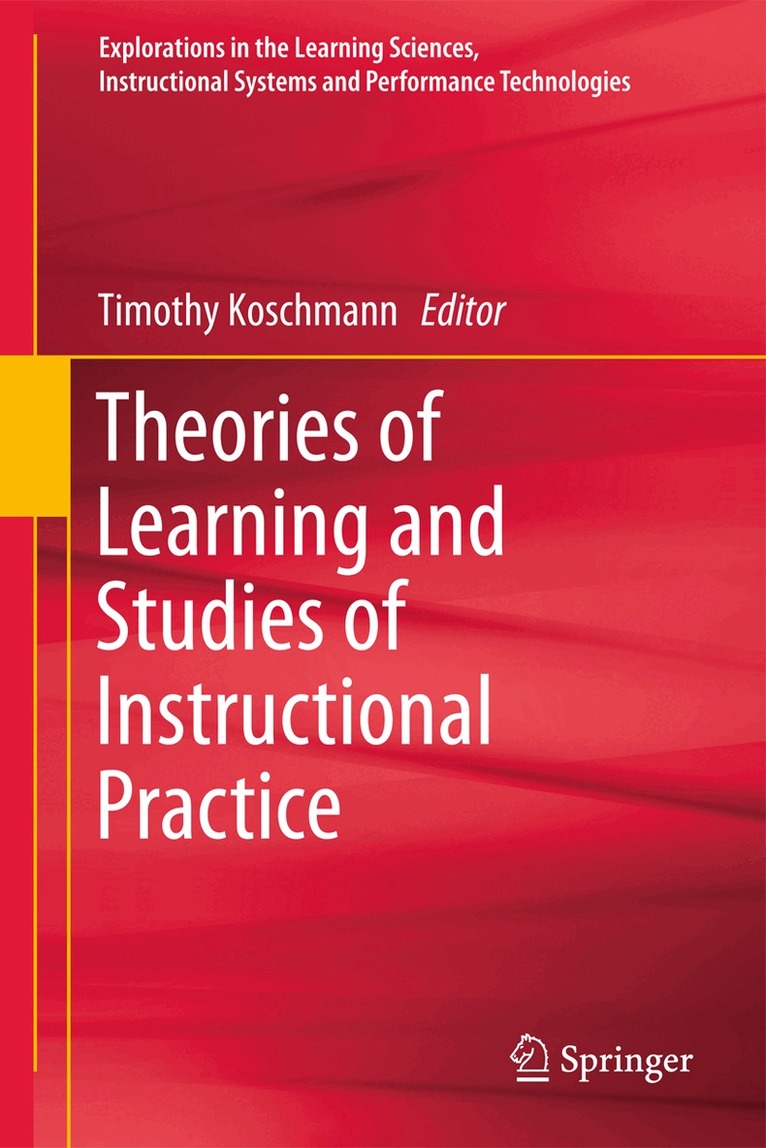
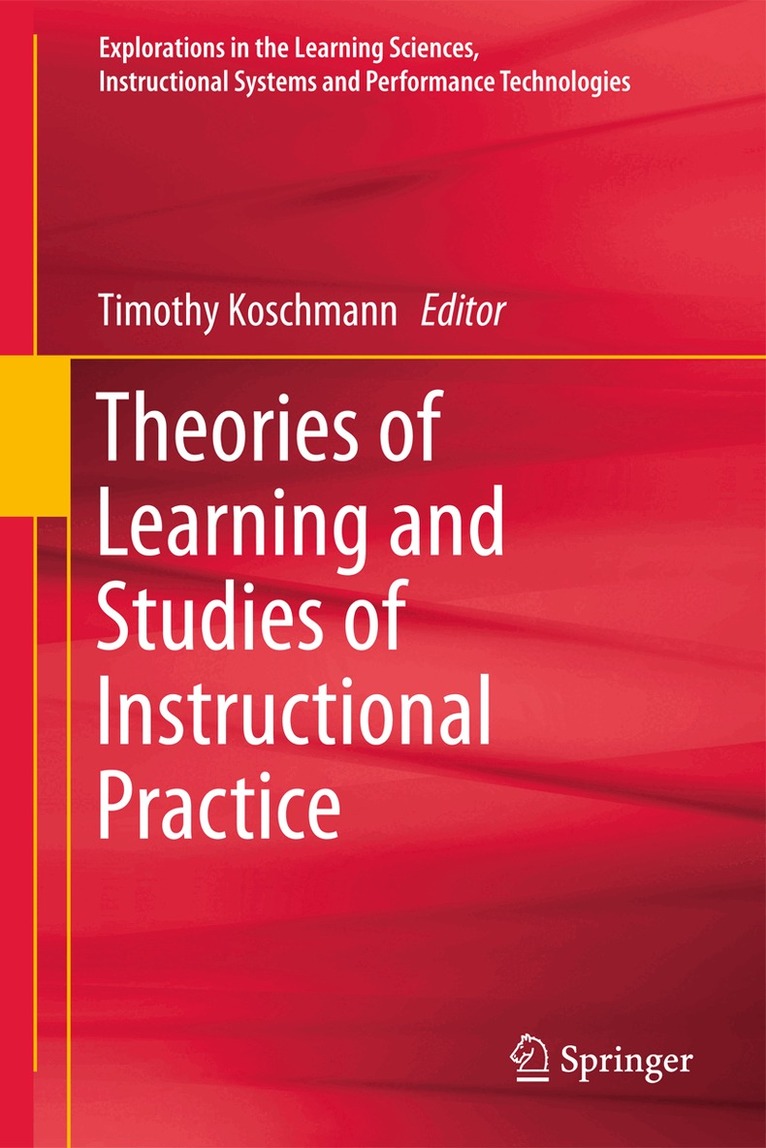
This is a book about an attempt to change the way math was taught in a particular classroom. Its title plays on our everyday usage of the terms theory and practice. In education, these terms are conventionally treated oppositionally—we have theories about what we should do and we have what teachers actually do do. In this way, theory stands prior, logically and chronologically, to practice; practice inevitably becoming theory’s imperfect realization. We seek in this volume, however, to develop a different stance with regard to the relationship between the two. Taking the details of instructional practice as our principle object of study, we explore what role theories of learning might play in illuminating such practices. The book is about actual practices by which teaching is done and how contemporary theories of learning might help us understand those practices. It seeks to provide a foundation for future practice-based inquiry in education, by addressing the methodological question: How do we go about studying instructional practice in a principled way?
1 753 kr
Skickas inom 10-15 vardagar
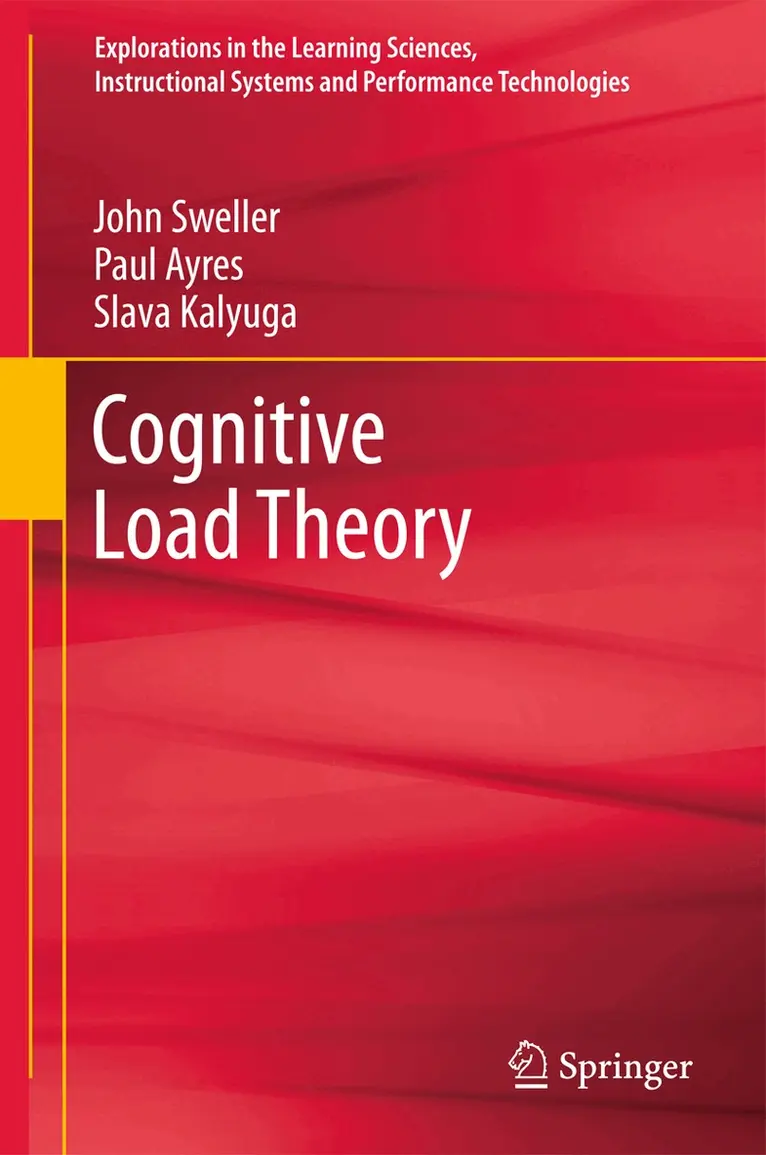
Over the last 25 years, cognitive load theory has become one of the world’s leading theories of instructional design. It is heavily researched by many educational and psychological researchers and is familiar to most practicing instructional designers, especially designers using computer and related technologies.The theory can be divided into two aspects that closely inter-relate and influence each other: human cognitive architecture and the instructional designs and prescriptions that flow from that architecture. The cognitive architecture is based on biological evolution. The resulting description of human cognitive architecture is novel and accordingly, the instructional designs that flow from the architecture also are novel. All instructional procedures are routinely tested using randomized, controlled experiments.Roughly 1/3 of the book will be devoted to cognitive architecture and its evolutionary base with 2/3 devoted to the instructional implications that follow, including technology-based instruction. Researchers, teachers and instructional designers need the book because of the explosion of interest in cognitive load theory over the last few years. The theory is represented in countless journal articles but a detailed, modern overview presenting the theory and its implications in one location is not available.
Del 4 - Explorations in the Learning Sciences, Instructional Systems and Performance Technologies
Designing for Learning in an Open World
Inbunden, Engelska, 2012
1 034 kr
Skickas inom 10-15 vardagar
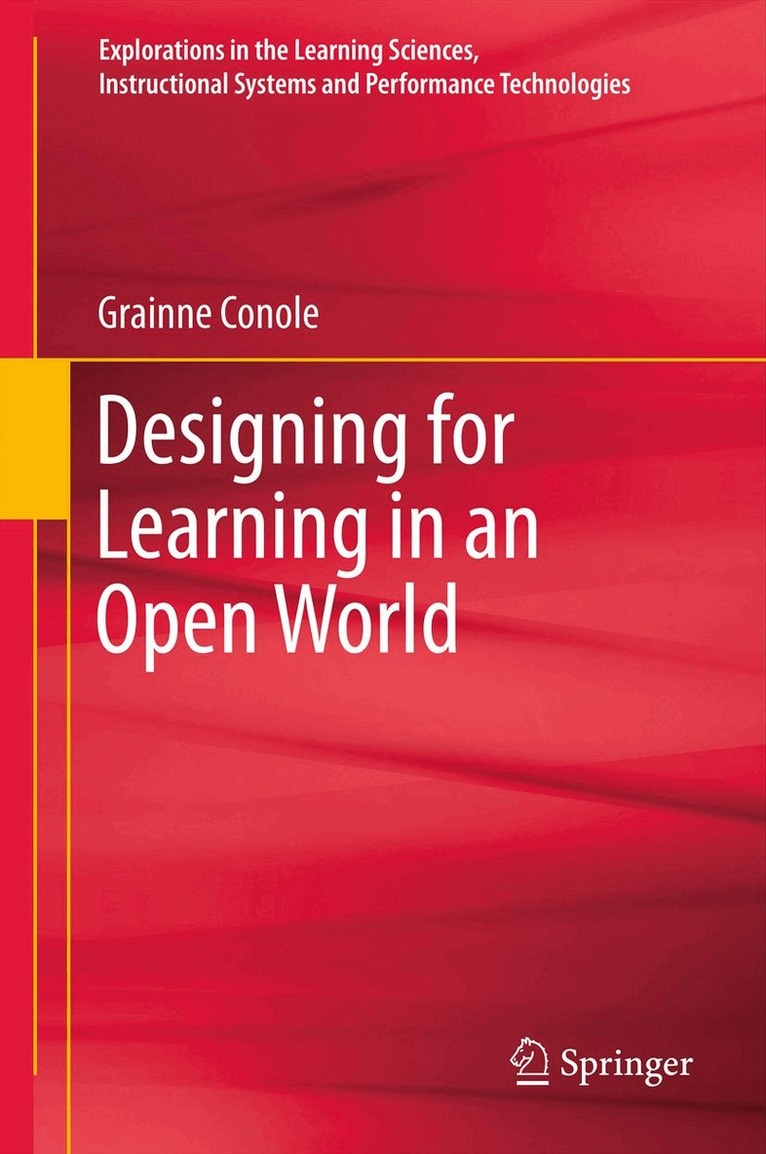
The Internet and associated technologies have been around for almost twenty years. Networked access and computer ownership are now the norm. There is a plethora of technologies that can be used to support learning, offering different ways in which learners can communicate with each other and their tutors, and providing them with access to interactive, multimedia content. However, these generic skills don’t necessarily translate seamlessly to an academic learning context. Appropriation of these technologies for academic purposes requires specific skills, which means that the way in which we design and support learning opportunities needs to provide appropriate support to harness the potential of technologies. More than ever before learners need supportive ‘learning pathways’ to enable them to blend formal educational offerings, with free resources and services. This requires a rethinking of the design process, to enable teachers to take account of a blended learning context.
1 096 kr
Skickas inom 10-15 vardagar
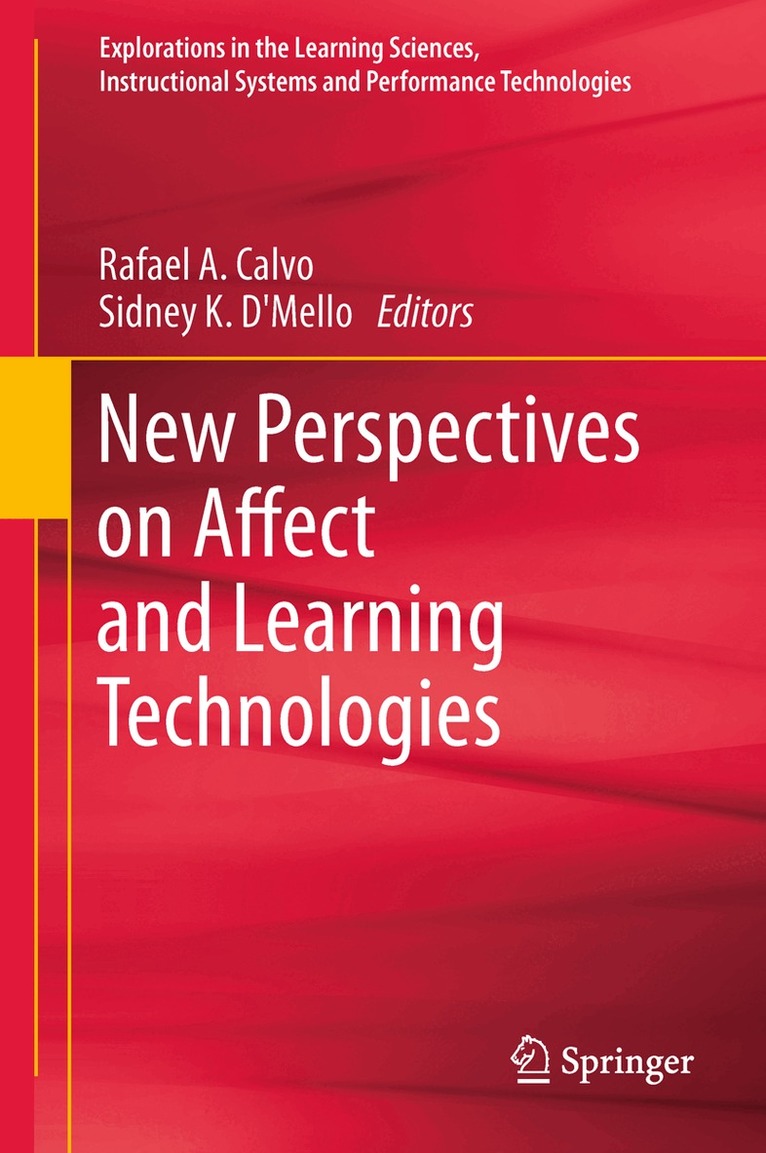
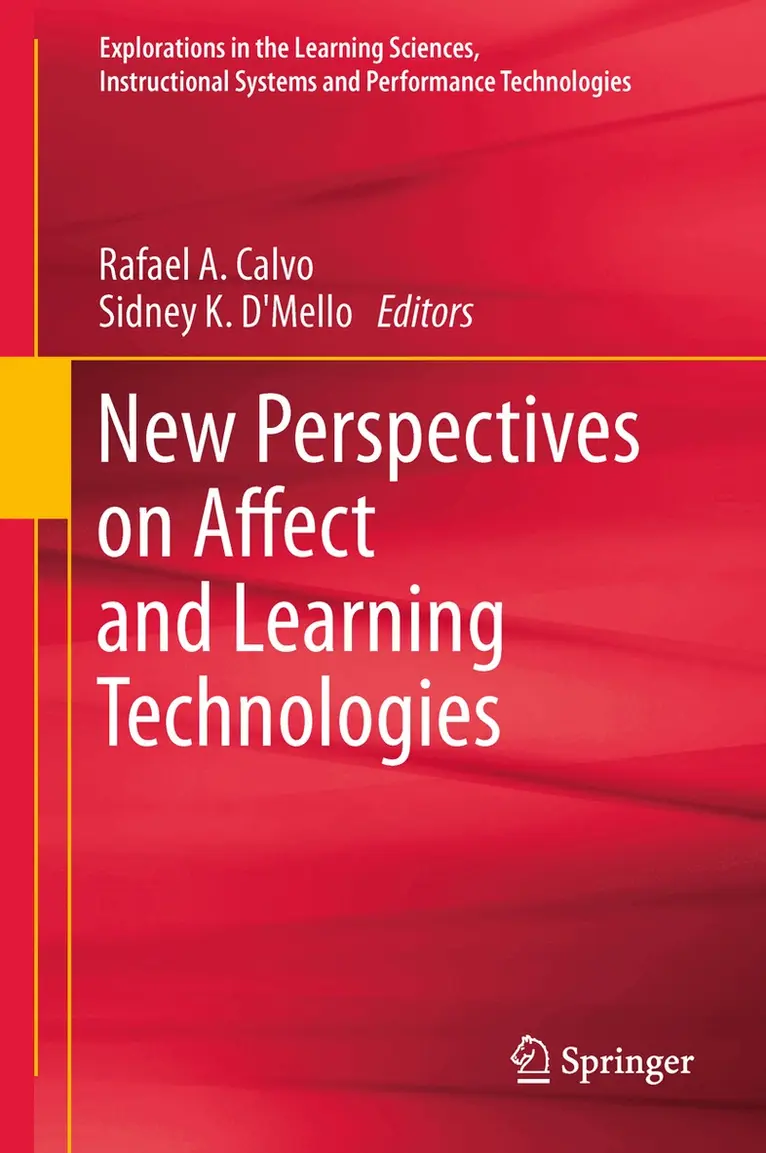
This monograph integrates theoretical perspectives on affect and learning with recent research in affective computing with an emphasis on building new learning technologies. The "new perspectives" come from the intersection of several research themes: -Basic research on emotion, cognition, and motivation applied to learning environments -Pedagogical and motivational strategies that are sensitive to affective and cognitive processes -Multimodal Human Computer Interfaces, with a focus on affect recognition and synthesis -Recent advances in affect-sensitive Intelligent Tutoring Systems -Novel methodologies to investigate affect and learning -Neuroscience research on emotions and learning
Del 5 - Explorations in the Learning Sciences, Instructional Systems and Performance Technologies
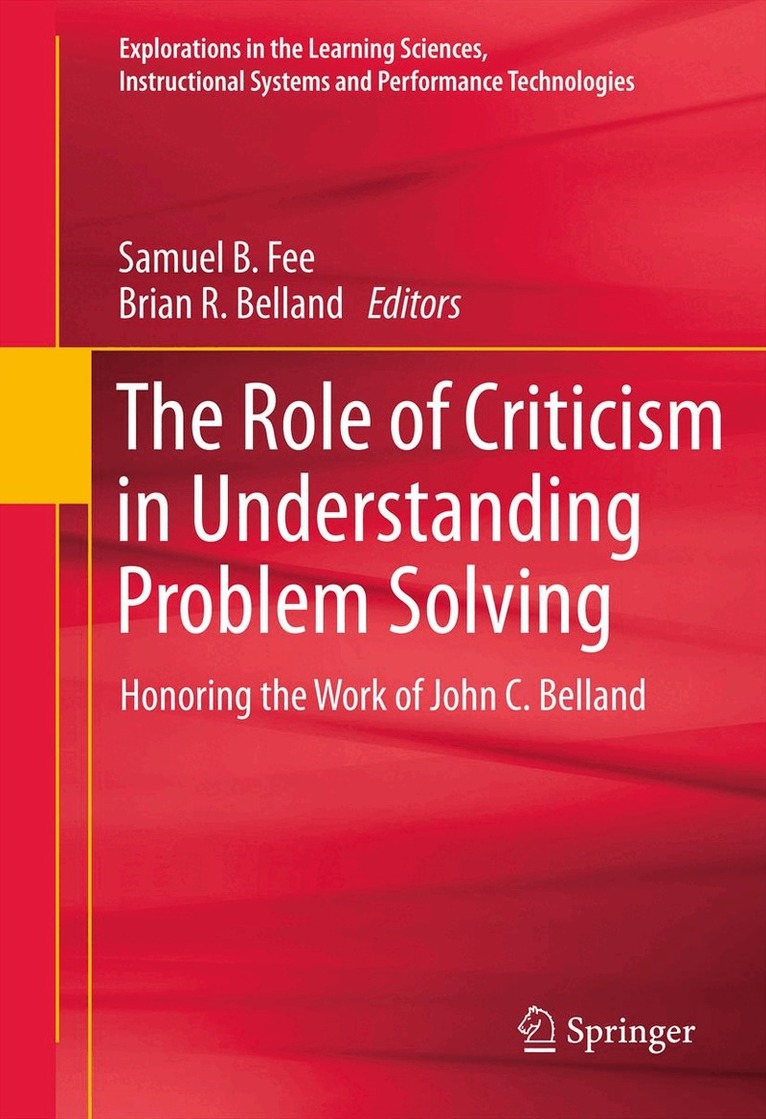
Role of Criticism in Understanding Problem Solving
Honoring the Work of John C. Belland
Inbunden, Engelska, 2012
1 034 kr
Skickas inom 10-15 vardagar
In 1991, Denis Hlynka and John Belland released Paradigms Regained, a well received reader for graduate students in the field of educational technology. The Role of Criticism in Understanding Problem Solving updates some of those ideas initially proposed in Paradigms Regained, and extends the conversation into the contemporary discourse regarding problem based learning (PBL). Paradigms proposed the idea of criticism as a third method for the conduction of educational research, the first two being qualitative and qualitative. The concept of criticism as a tool for research is not well established in educational technology, although it is well established in other educational research traditions such as Curriculum Studies. Unfortunately, it is not always clear how criticism can be applied. This book views criticism as a way to step back and look at an educational intervention within educational technology through a particular critical lens. Criticism is viewed as a valuable approach to guiding meta analyses and theoretical studies, serving to prevent the proverbial "spinning of the wheels" that often happens in educational research. By indicating new potential research questions and directions, criticism approaches can invigorate educational research. This book revisits the ideals of criticism in order to establish their usefulness for studying educational technology interventions to support problem based learning. First, a few foundational chapters set the stage for the conversations on criticism. Then, the role criticism can play in enhancing analysis and interpretation of the PBL literature is explored. Finally, case studies addressing the central concepts of the text are presented and dissected. This book represents a complete overhaul and rethinking of the use of criticism as a method for understanding and furthering the research area of PBL within the field of Educational technology.
1 651 kr
Skickas inom 10-15 vardagar
This is a book about an attempt to change the way math was taught in a particular classroom. Its title plays on our everyday usage of the terms theory and practice. In education, these terms are conventionally treated oppositionally—we have theories about what we should do and we have what teachers actually do do. In this way, theory stands prior, logically and chronologically, to practice; practice inevitably becoming theory’s imperfect realization. We seek in this volume, however, to develop a different stance with regard to the relationship between the two. Taking the details of instructional practice as our principle object of study, we explore what role theories of learning might play in illuminating such practices. The book is about actual practices by which teaching is done and how contemporary theories of learning might help us understand those practices. It seeks to provide a foundation for future practice-based inquiry in education, by addressing the methodological question: How do we go about studying instructional practice in a principled way?
Del 3 - Explorations in the Learning Sciences, Instructional Systems and Performance Technologies
New Perspectives on Affect and Learning Technologies
Häftad, Engelska, 2013
1 096 kr
Skickas inom 10-15 vardagar
This monograph integrates theoretical perspectives on affect and learning with recent research in affective computing with an emphasis on building new learning technologies. The "new perspectives" come from the intersection of several research themes: -Basic research on emotion, cognition, and motivation applied to learning environments -Pedagogical and motivational strategies that are sensitive to affective and cognitive processes -Multimodal Human Computer Interfaces, with a focus on affect recognition and synthesis -Recent advances in affect-sensitive Intelligent Tutoring Systems -Novel methodologies to investigate affect and learning -Neuroscience research on emotions and learning
1 548 kr
Skickas inom 10-15 vardagar
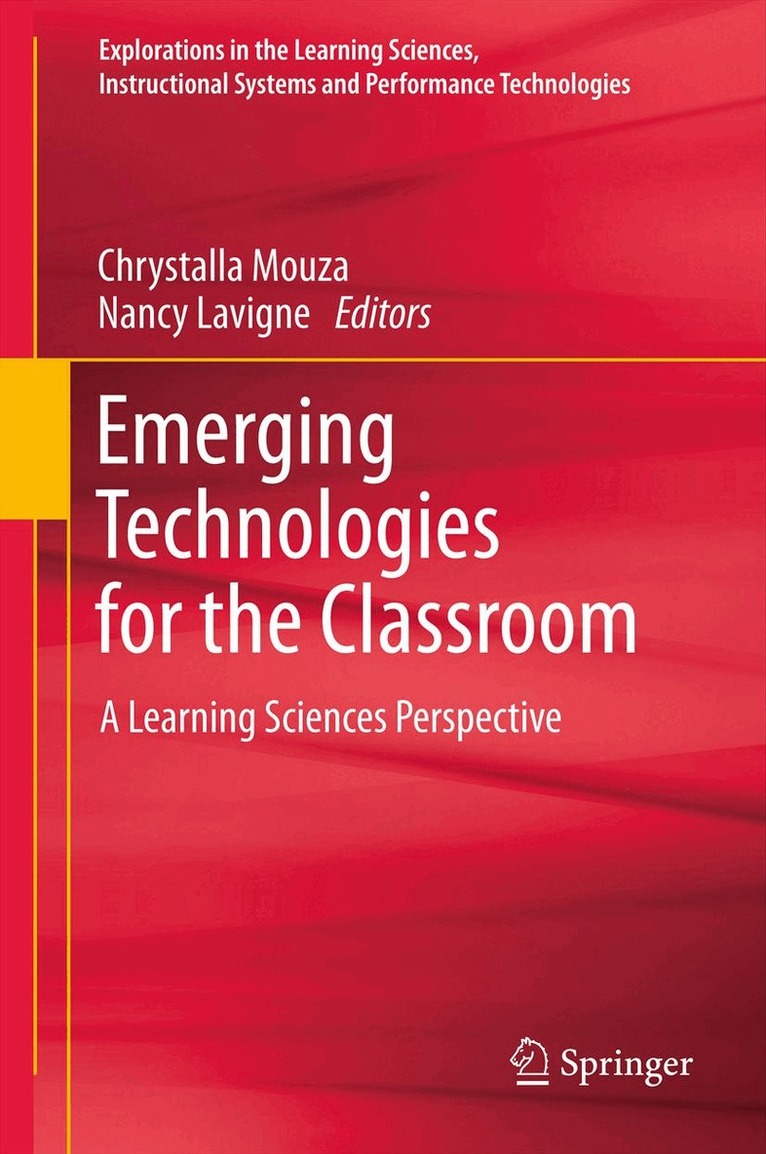
This book provides contemporary examples of the ways in which educators can use digital technologies to create effective learning environments that support improved learning and instruction. These examples are guided by multiple conceptual and methodological traditions evolving from the learning sciences and instructional technology communities as well as other communities doing important work on learning technologies. In particular, the book provides examples of technology innovations and the ways in which educators can use them to foster deep understanding, collaboration, creativity, invention, and reflection. Additional examples demonstrate the ways in which emerging mobile and networked technologies can help extend student learning beyond the confines of the classroom wall and support student-directed learning and new media literacies.
1 137 kr
Skickas inom 10-15 vardagar
This book provides contemporary examples of the ways in which educators can use digital technologies to create effective learning environments that support improved learning and instruction. These examples are guided by multiple conceptual and methodological traditions evolving from the learning sciences and instructional technology communities as well as other communities doing important work on learning technologies. In particular, the book provides examples of technology innovations and the ways in which educators can use them to foster deep understanding, collaboration, creativity, invention, and reflection. Additional examples demonstrate the ways in which emerging mobile and networked technologies can help extend student learning beyond the confines of the classroom wall and support student-directed learning and new media literacies.
Del 5 - Explorations in the Learning Sciences, Instructional Systems and Performance Technologies
Role of Criticism in Understanding Problem Solving
Honoring the Work of John C. Belland
Häftad, Engelska, 2014
1 034 kr
Skickas inom 10-15 vardagar
In 1991, Denis Hlynka and John Belland released Paradigms Regained, a well received reader for graduate students in the field of educational technology. The Role of Criticism in Understanding Problem Solving updates some of those ideas initially proposed in Paradigms Regained, and extends the conversation into the contemporary discourse regarding problem based learning (PBL). Paradigms proposed the idea of criticism as a third method for the conduction of educational research, the first two being qualitative and qualitative. The concept of criticism as a tool for research is not well established in educational technology, although it is well established in other educational research traditions such as Curriculum Studies. Unfortunately, it is not always clear how criticism can be applied. This book views criticism as a way to step back and look at an educational intervention within educational technology through a particular critical lens. Criticism is viewed as a valuable approach to guiding meta analyses and theoretical studies, serving to prevent the proverbial "spinning of the wheels" that often happens in educational research. By indicating new potential research questions and directions, criticism approaches can invigorate educational research. This book revisits the ideals of criticism in order to establish their usefulness for studying educational technology interventions to support problem based learning. First, a few foundational chapters set the stage for the conversations on criticism. Then, the role criticism can play in enhancing analysis and interpretation of the PBL literature is explored. Finally, case studies addressing the central concepts of the text are presented and dissected. This book represents a complete overhaul and rethinking of the use of criticism as a method for understanding and furthering the research area of PBL within the field of Educational technology.
Del 4 - Explorations in the Learning Sciences, Instructional Systems and Performance Technologies
Designing for Learning in an Open World
Häftad, Engelska, 2014
1 034 kr
Skickas inom 10-15 vardagar
The Internet and associated technologies have been around for almost twenty years. Networked access and computer ownership are now the norm. There is a plethora of technologies that can be used to support learning, offering different ways in which learners can communicate with each other and their tutors, and providing them with access to interactive, multimedia content. However, these generic skills don’t necessarily translate seamlessly to an academic learning context. Appropriation of these technologies for academic purposes requires specific skills, which means that the way in which we design and support learning opportunities needs to provide appropriate support to harness the potential of technologies. More than ever before learners need supportive ‘learning pathways’ to enable them to blend formal educational offerings, with free resources and services. This requires a rethinking of the design process, to enable teachers to take account of a blended learning context.
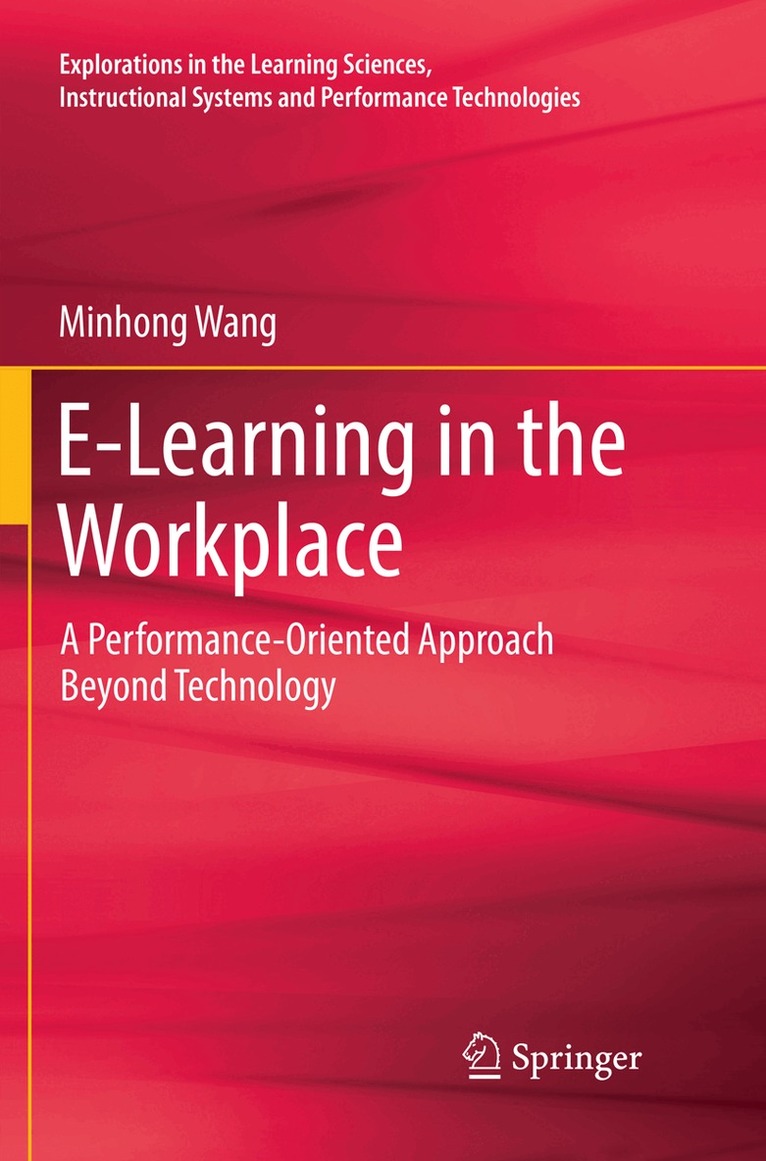
E-Learning in the Workplace
A Performance-Oriented Approach Beyond Technology
Inbunden, Engelska, 2017
520 kr
Skickas inom 10-15 vardagar
This book analyzes the nature and requirements of workplace e-learning based on relevant theories such as adult learning, community of practice, organizational learning, and the systems thinking. By integrating considerations on organization, pedagogy and technology, a performance-oriented e-learning framework is then presented, where performance measurement is used to: 1) clarify and link organizational goals and individual learning needs, 2) direct learning towards work performance; and 3) support social communication and knowledge sharing and management in the workplace. E-learning and related emerging technologies have been increasingly used by organizations to enhance the skills and performance of knowledge workers. However, most of the efforts tend to focus on the technology, ignoring the organizational context and relevant pedagogies of workplace learning. Many e-learning projects in the workplace settings fail to connect learning with work performance and align organizational goals and individual needs in a systemic way. Moreover, there is insufficient effort on externalizing and transferring tacit knowledge embedded in practices and expertise, based on which to maintain and expand knowledge assets for sustainable development. The book presents a systemic theoretical framework, design principles, and implementation methods, together with a case study to demonstrate the use and effectiveness of the performance-oriented approach to workplace e-learning, in which organizational, social and individual perspectives are integrated in a systemic way. The performance-oriented approach to workplace e-learning enables self-regulated and socially constructed learning activities to be clearly motivated and driven towards the goal of performance improvement, and makes learning at the organizational, social and individual levels integrated in a systemic way. The effects of individual and social learning support and organizational learning environment onemployees’ motivation to use performance-oriented e-learning are also investigated.
520 kr
Skickas inom 10-15 vardagar
This book analyzes the nature and requirements of workplace e-learning based on relevant theories such as adult learning, community of practice, organizational learning, and the systems thinking.