IT Pro Practice Notes - Böcker
Visar alla böcker i serien IT Pro Practice Notes. Handla med fri frakt och snabb leverans.
8 produkter
8 produkter
246 kr
Skickas inom 10-15 vardagar
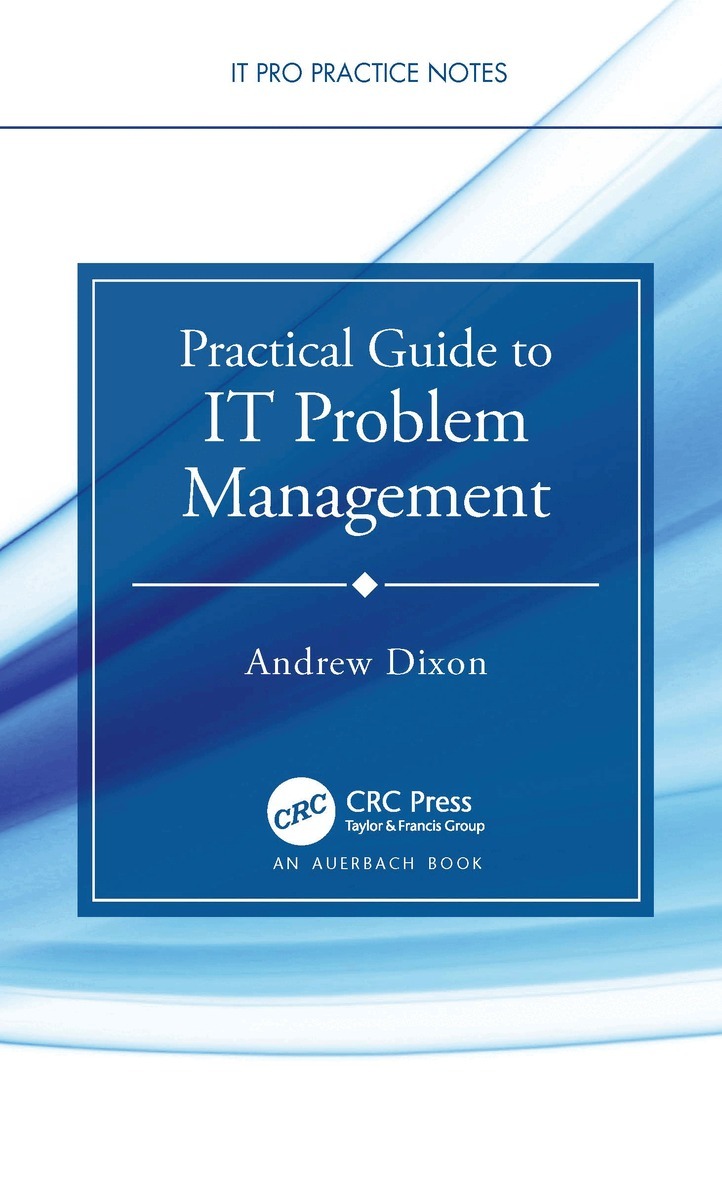
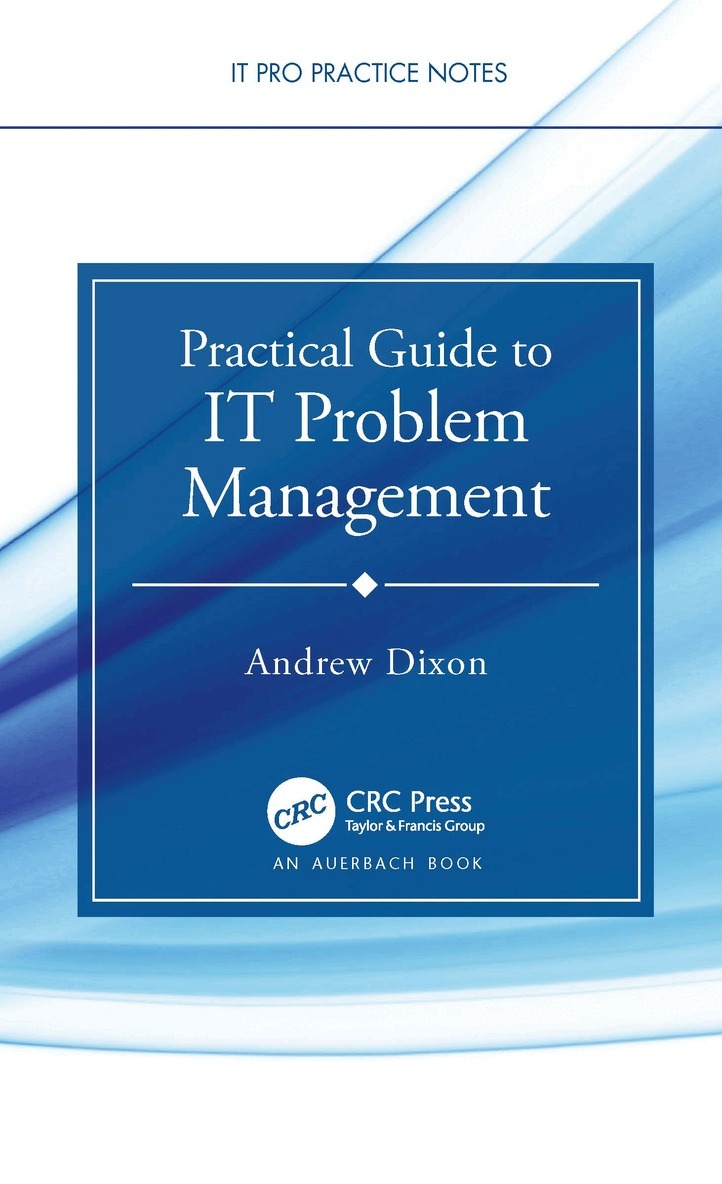
Some IT organisations seem to expend all their energy firefighting – dealing with incidents as they arise and fixing, or patching over, the breakage. In organisations like this, restarting computers is seen as a standard method to resolve many issues. Perhaps the best way to identify whether an organisation understands problem management is to ask what they do after they have restarted the computer. If restarting the computer fixes the issue, it is very tempting to say that the incident is over and the job is done. Problem management recognises that things do not improve if such an approach is taken. Such organisations are essentially spending their time running to stay in the same place.Written to help IT organisations move forward, Practical Guide to IT Problem Management presents a combination of methodologies including understanding timelines and failure modes, drill down, 5 whys and divide and conquer. The book also presents an exploration of complexity theory and how automation can assist in the desire to shift left both the complexity of the problem and who can resolve it. The book emphasises that establishing the root cause of a problem is not the end of the process as the resolution options need to be evaluated and then prioritised alongside other improvements. It also explores the role of problem boards and checklists as well as the relationship between problem management and Lean thinking. This practical guide provides both a framework for tackling problems and a toolbox from which to select the right methodology once the type of problem being faced has been identified. In addition to reactive methods, it presents proactive activities designed to reduce the incidence of problems or to reduce their impact and complexity should they arise.Solving problems is often a combination of common sense and methodologies which may either be learnt the hard way or may be taught. This practical guide shows how to use problem solving tools and to understand how and when to apply them while upskilling IT staff and improving IT problem solving processes.
1 045 kr
Skickas inom 10-15 vardagar
Some IT organisations seem to expend all their energy firefighting – dealing with incidents as they arise and fixing, or patching over, the breakage. In organisations like this, restarting computers is seen as a standard method to resolve many issues. Perhaps the best way to identify whether an organisation understands problem management is to ask what they do after they have restarted the computer. If restarting the computer fixes the issue, it is very tempting to say that the incident is over and the job is done. Problem management recognises that things do not improve if such an approach is taken. Such organisations are essentially spending their time running to stay in the same place.Written to help IT organisations move forward, Practical Guide to IT Problem Management presents a combination of methodologies including understanding timelines and failure modes, drill down, 5 whys and divide and conquer. The book also presents an exploration of complexity theory and how automation can assist in the desire to shift left both the complexity of the problem and who can resolve it. The book emphasises that establishing the root cause of a problem is not the end of the process as the resolution options need to be evaluated and then prioritised alongside other improvements. It also explores the role of problem boards and checklists as well as the relationship between problem management and Lean thinking. This practical guide provides both a framework for tackling problems and a toolbox from which to select the right methodology once the type of problem being faced has been identified. In addition to reactive methods, it presents proactive activities designed to reduce the incidence of problems or to reduce their impact and complexity should they arise.Solving problems is often a combination of common sense and methodologies which may either be learnt the hard way or may be taught. This practical guide shows how to use problem solving tools and to understand how and when to apply them while upskilling IT staff and improving IT problem solving processes.
358 kr
Skickas inom 10-15 vardagar
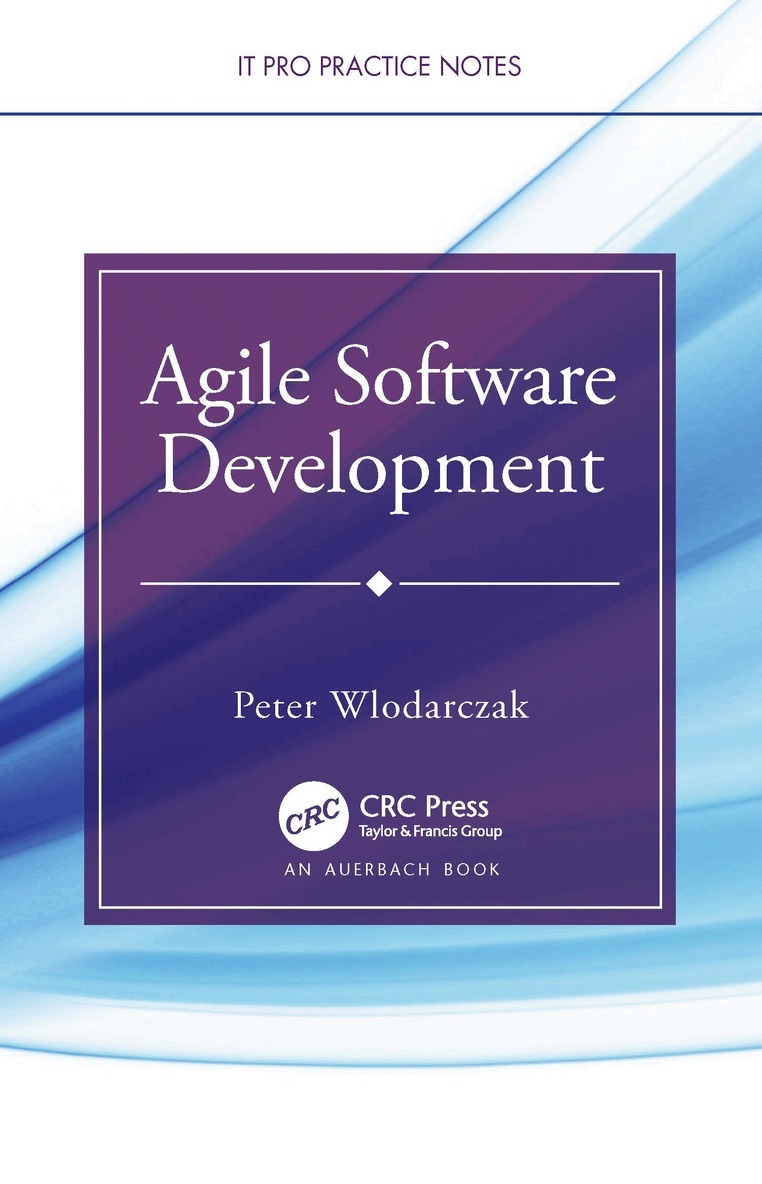
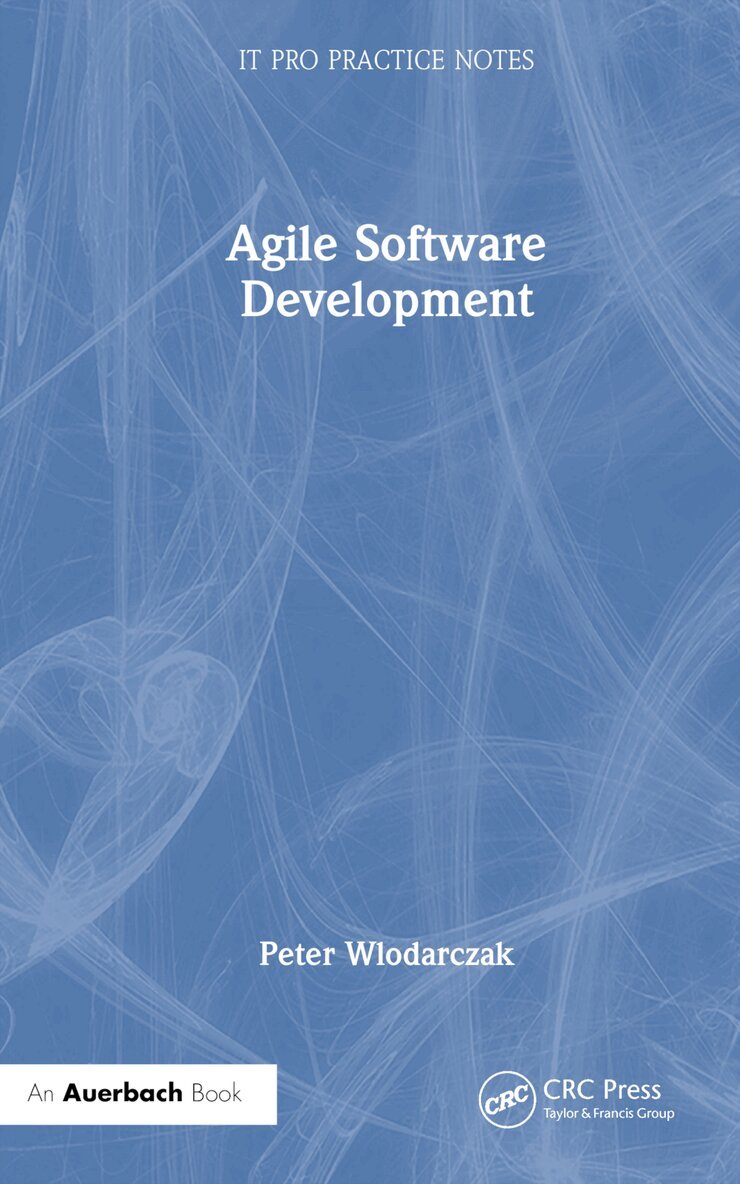
Agile Software Development is an introduction to agile software development methods. Agile methods try to diminish complexity, increase transparency, and reach a deployable product in a shorter time frame. Agile methods use an iterative and incremental approach to minimize risks and to avoid maldevelopment. The book gives a short introduction to agile methods and agile software development principles. It serves as a study book and as a reference manual. Based on the official Scrum Guide, the book also covers other topics such as best practices for agile software development and agile testing. It targets practitioners who want to start with agile software development, as well as developers or project managers who already use agile methodologies. The book can be read from the beginning, but each chapter has been written in a way so it can be read individually.
1 269 kr
Skickas inom 10-15 vardagar
Agile Software Development is an introduction to agile software development methods. Agile methods try to diminish complexity, increase transparency, and reach a deployable product in a shorter time frame. Agile methods use an iterative and incremental approach to minimize risks and to avoid maldevelopment. The book gives a short introduction to agile methods and agile software development principles. It serves as a study book and as a reference manual. Based on the official Scrum Guide, the book also covers other topics such as best practices for agile software development and agile testing. It targets practitioners who want to start with agile software development, as well as developers or project managers who already use agile methodologies. The book can be read from the beginning, but each chapter has been written in a way so it can be read individually.
246 kr
Skickas inom 10-15 vardagar
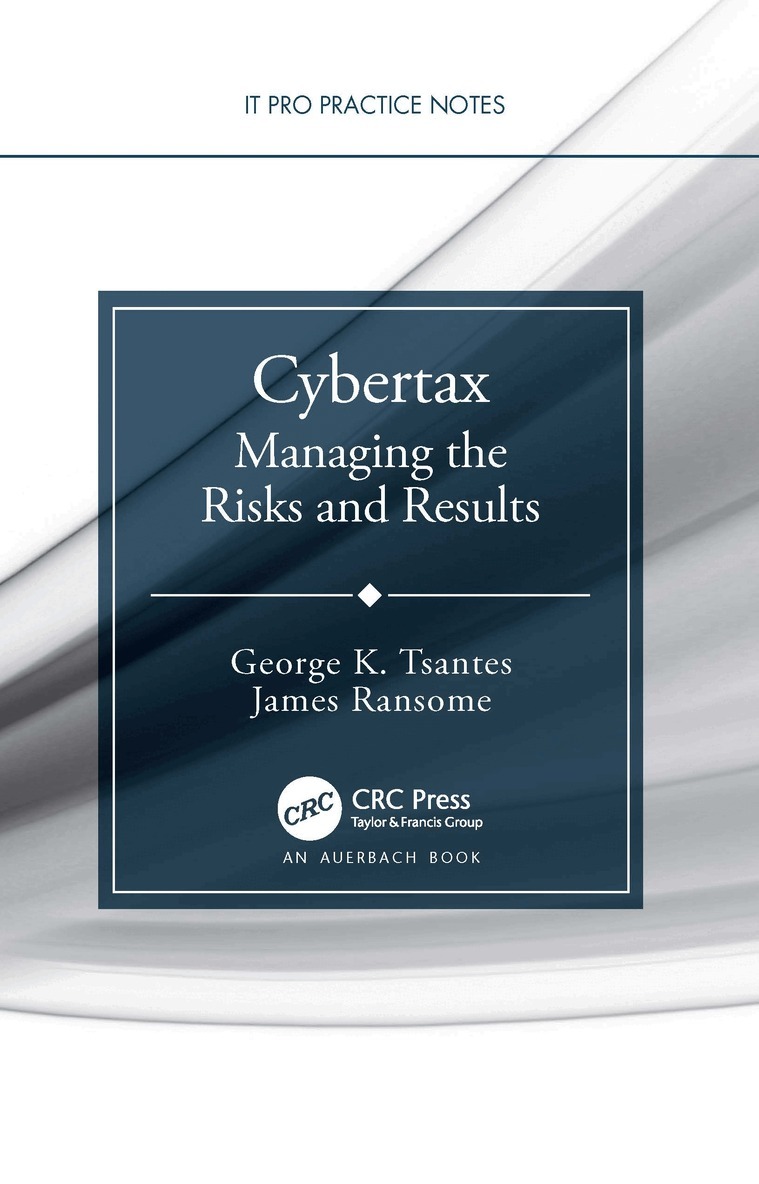
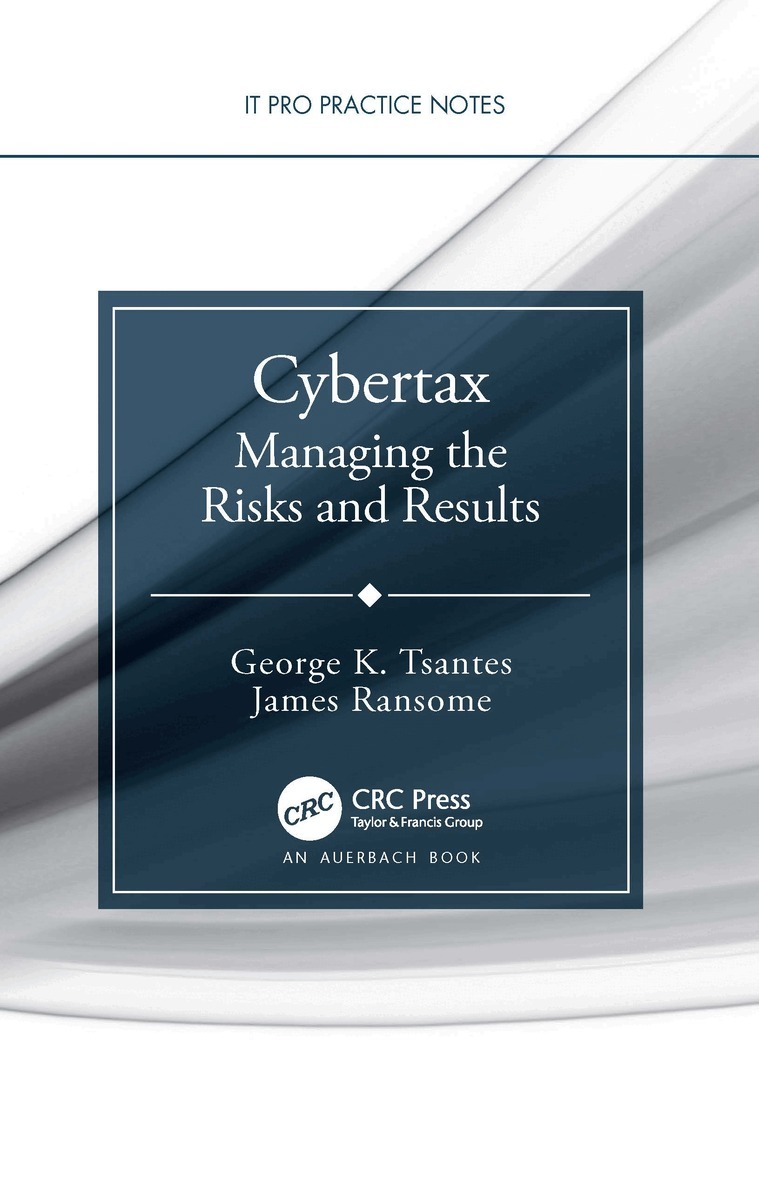
Cybersecurity risk is a top-of-the-house issue for all organizations. Cybertax—Managing the Risks and Results is a must read for every current or aspiring executive seeking the best way to manage and mitigate cybersecurity risk. It examines cybersecurity as a tax on the organization and charts the best ways leadership can be cybertax efficient. Viewing cybersecurity through the cybertax lens provides an effective way for non–cybersecurity experts in leadership to manage and govern cybersecurity in their organizations The book outlines questions and leadership techniques to gain the relevant information to manage cybersecurity threats and risk. The book enables executives to: Understand cybersecurity risk from a business perspective Understand cybersecurity risk as a tax (cybertax) Understand the cybersecurity threat landscape Drive business-driven questions and metrics for managing cybersecurity risk Understand the Seven C’s for managing cybersecurity riskGoverning the cybersecurity function is as important as governing finance, sales, human resources, and other key leadership responsibilities Executive leadership needs to manage cybersecurity risk like they manage other critical risks, such as sales, finances, resources, and competition. This book puts managing cybersecurity risk on an even plane with these other significant risks that demand leaderships’ attention. The authors strive to demystify cybersecurity to bridge the chasm from the top-of-the-house to the cybersecurity function. This book delivers actionable advice and metrics to measure and evaluate cybersecurity effectiveness across your organization.
1 674 kr
Skickas inom 10-15 vardagar
Cybersecurity risk is a top-of-the-house issue for all organizations. Cybertax—Managing the Risks and Results is a must read for every current or aspiring executive seeking the best way to manage and mitigate cybersecurity risk. It examines cybersecurity as a tax on the organization and charts the best ways leadership can be cybertax efficient. Viewing cybersecurity through the cybertax lens provides an effective way for non–cybersecurity experts in leadership to manage and govern cybersecurity in their organizations The book outlines questions and leadership techniques to gain the relevant information to manage cybersecurity threats and risk. The book enables executives to: Understand cybersecurity risk from a business perspective Understand cybersecurity risk as a tax (cybertax) Understand the cybersecurity threat landscape Drive business-driven questions and metrics for managing cybersecurity risk Understand the Seven C’s for managing cybersecurity riskGoverning the cybersecurity function is as important as governing finance, sales, human resources, and other key leadership responsibilities Executive leadership needs to manage cybersecurity risk like they manage other critical risks, such as sales, finances, resources, and competition. This book puts managing cybersecurity risk on an even plane with these other significant risks that demand leaderships’ attention. The authors strive to demystify cybersecurity to bridge the chasm from the top-of-the-house to the cybersecurity function. This book delivers actionable advice and metrics to measure and evaluate cybersecurity effectiveness across your organization.
372 kr
Skickas inom 10-15 vardagar
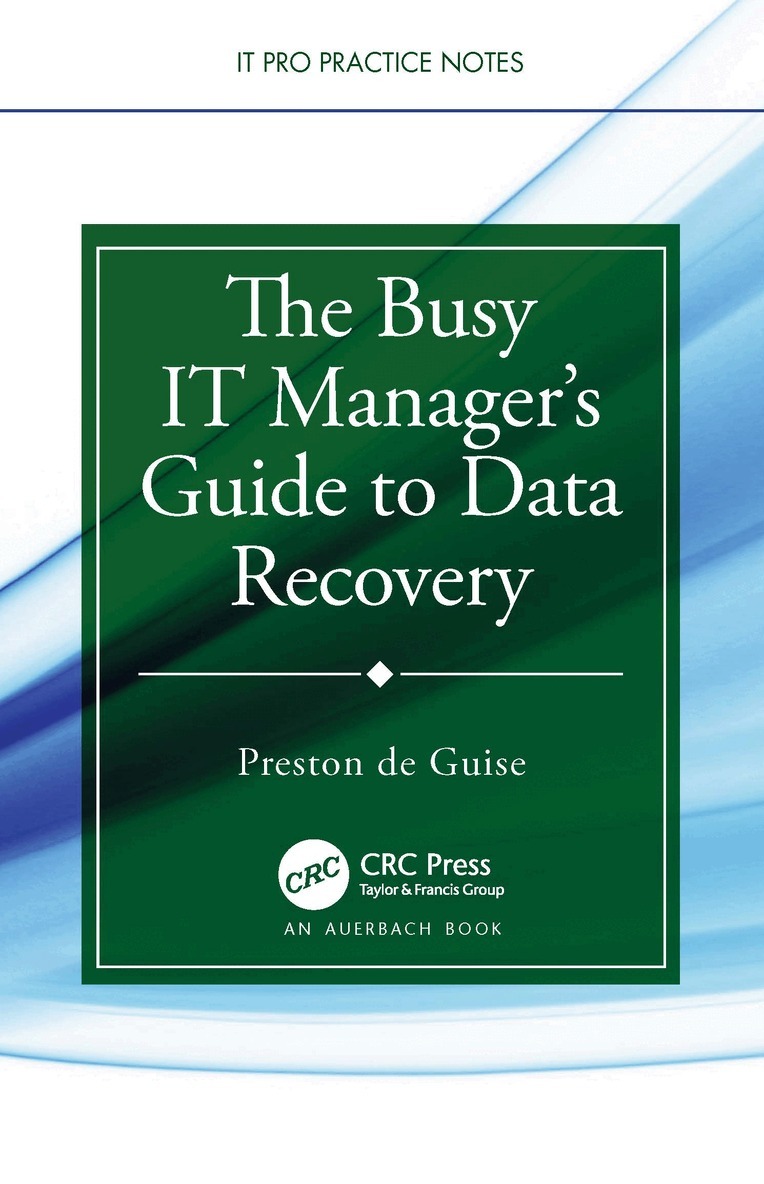
No IT manager or worker enjoys being woken up the middle of the night over a system fault. But arguably the worst way to be awakened is over a situation where data loss has occurred – and the recovery is going wrong.The Busy IT Manager’s Guide to Data Recovery takes a razor focus on the details IT managers (and their teams) responsible for data recovery and resiliency within their business need to be aware of in the design of robust data protection systems. This book covers key architectural requirements of a data resilient system and the types of technology a business can deploy for data protection that maximises the potential for a successful recovery.With cyber-attacks being a daily challenge for IT and business now, the book also takes an in-depth look at the special considerations companies need to take in order to guarantee the recoverability of data after a destructive cyber event.Regardless of whether your IT infrastructure runs on-premises or in the public cloud, this book gives you the information you need to plan and run a successful data recovery solution that meets your business needs. Preston de Guise has been working with data recovery products for his entire career – designing, implementing, and supporting solutions for governments, universities, and businesses ranging from SMEs to Fortune 500 companies. This broad exposure to industry verticals and business sizes has enabled Preston to understand not only the technical requirements of data protection and recovery, but the management and procedural aspects too.
1 674 kr
Skickas inom 10-15 vardagar
No IT manager or worker enjoys being woken up the middle of the night over a system fault. But arguably the worst way to be awakened is over a situation where data loss has occurred – and the recovery is going wrong.The Busy IT Manager’s Guide to Data Recovery takes a razor focus on the details IT managers (and their teams) responsible for data recovery and resiliency within their business need to be aware of in the design of robust data protection systems. This book covers key architectural requirements of a data resilient system and the types of technology a business can deploy for data protection that maximises the potential for a successful recovery.With cyber-attacks being a daily challenge for IT and business now, the book also takes an in-depth look at the special considerations companies need to take in order to guarantee the recoverability of data after a destructive cyber event.Regardless of whether your IT infrastructure runs on-premises or in the public cloud, this book gives you the information you need to plan and run a successful data recovery solution that meets your business needs. Preston de Guise has been working with data recovery products for his entire career – designing, implementing, and supporting solutions for governments, universities, and businesses ranging from SMEs to Fortune 500 companies. This broad exposure to industry verticals and business sizes has enabled Preston to understand not only the technical requirements of data protection and recovery, but the management and procedural aspects too.