Kintop Studies in Early Cinema – serie
Visar alla böcker i serien Kintop Studies in Early Cinema. Handla med fri frakt och snabb leverans.
5 produkter
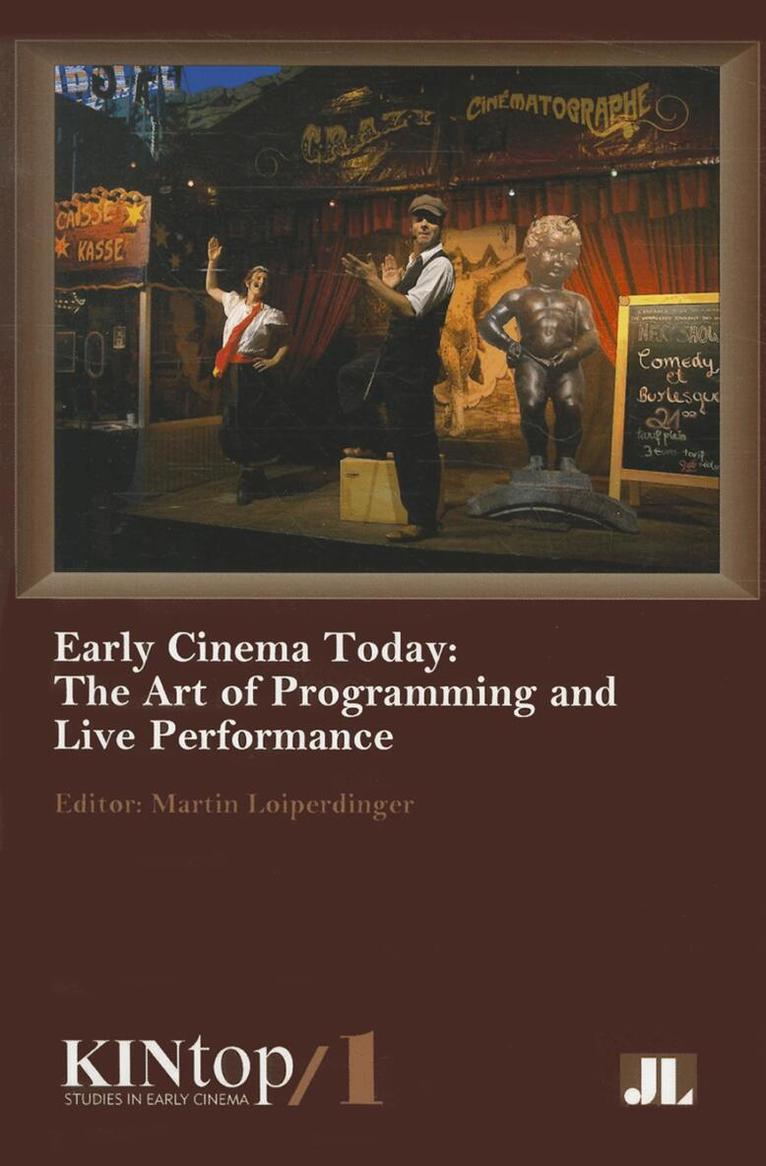
Early Cinema Today, KINtop 1
The Art of Programming and Live Performance
Häftad, 2012
320 kr
Lägg i varukorg
Invented in the 1890s and premiered in Paris by the Lumière brothers, the cinematograph along with Louis Le Prince's single-lens camera projector are considered by film historians to be the precursors to modern-day motion picture devices. These early movies were often shown in town halls, on …
Importing Asta Nielsen, KINtop 2
The International Film Star in the Making, 1910–1914
Av Martin Loiperdinger, Uli Jung
Häftad, 2013
439 kr
Lägg i varukorg
Danish silent film actress Asta Nielsen became a brand name in movie houses around the globe in the early 1900s. Known simply as "The Asta," she exhibited both a subtle eroticism and a naturalistic style in her performances, which propelled her into international stardom. Nielsen's worldwide fame …
Screen Culture and the Social Question, 1880-1914, KINtop 3
Av Ludwig Vogl-Bienek, Richard Crangle
Häftad, 2014
245 kr
Lägg i varukorg
Public performances using the magic or optical lantern became a prominent part of the social fabric of the late 19th century. Drawing on a rich variety of primary sources, Screen Culture and the Social Question, 1880-1914 investigates how the magic lantern and cinematograph, used at public …
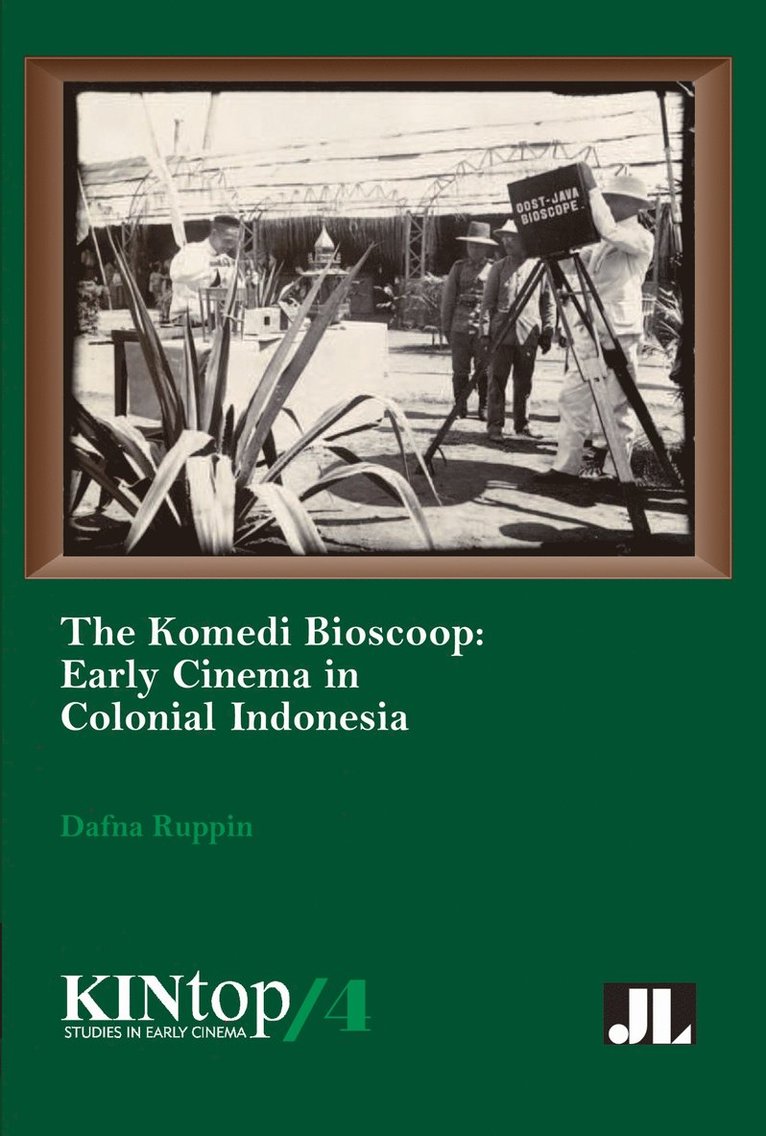
Komedi Bioscoop, KINtop 4
Early Cinema in Colonial Indonesia
Av Dafna Ruppin
Häftad, 2016
439 kr
Lägg i varukorg
The Komedi Bioscoop traces the emergence of a local culture of movie-going in the Netherlands Indies (present-day Indonesia) from 1896 until the First World War in 1914. It outlines the introduction of the new technology by independent touring exhibitors, the constitution of a market for moving …
Nordisk Films Kompagni 1906-1924, Volume 5
The Rise and Fall of the Polar Bear
Av Isak Thorsen
Häftad, 2017
328 kr
Lägg i varukorg
Nordisk Films Kompagni 1906–1924: The Rise and Fall of the Polar Bear is the first comprehensive study of the Danish film company, Nordisk Films Kompagni, in the silent era. Based on archival research, primarily in the company's surviving business archives, this volume of KINtop describes and …