Perspectives on Crime, Law and Justice in the Global South – serie
Visar alla böcker i serien Perspectives on Crime, Law and Justice in the Global South. Handla med fri frakt och snabb leverans.
7 produkter
7 produkter
Inbunden, Engelska, 2019
1 002 kr
Skickas inom 5-8 vardagar
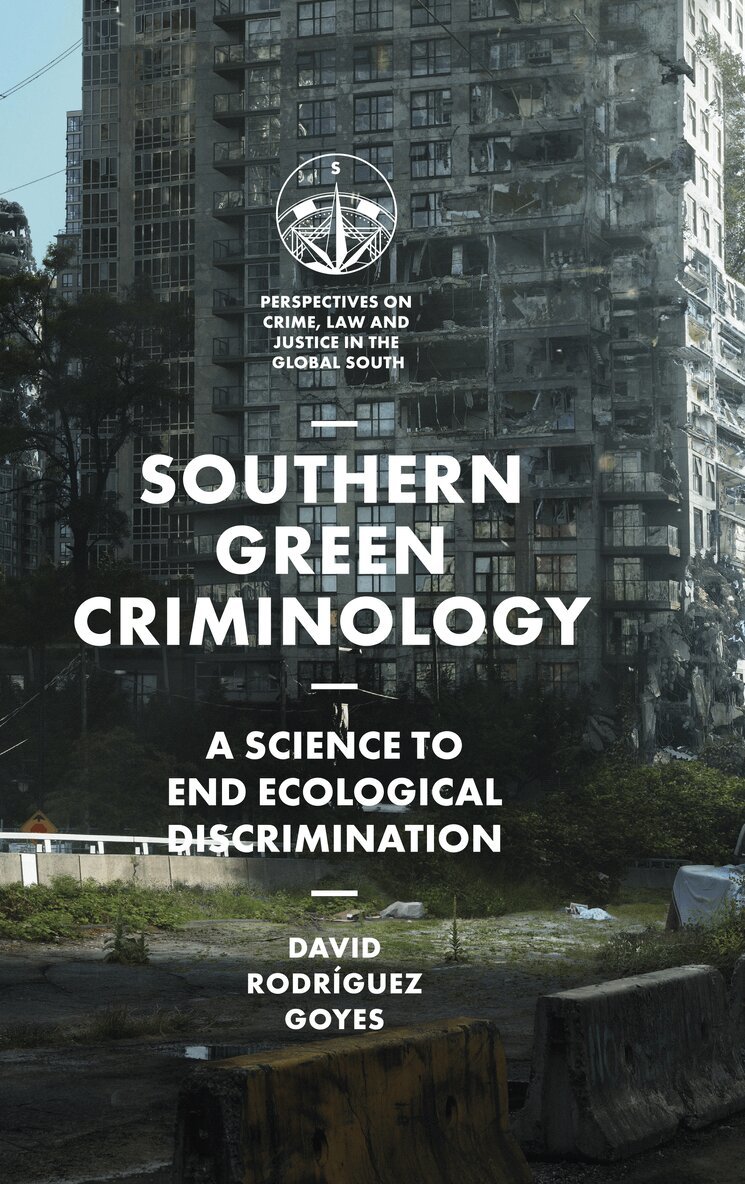
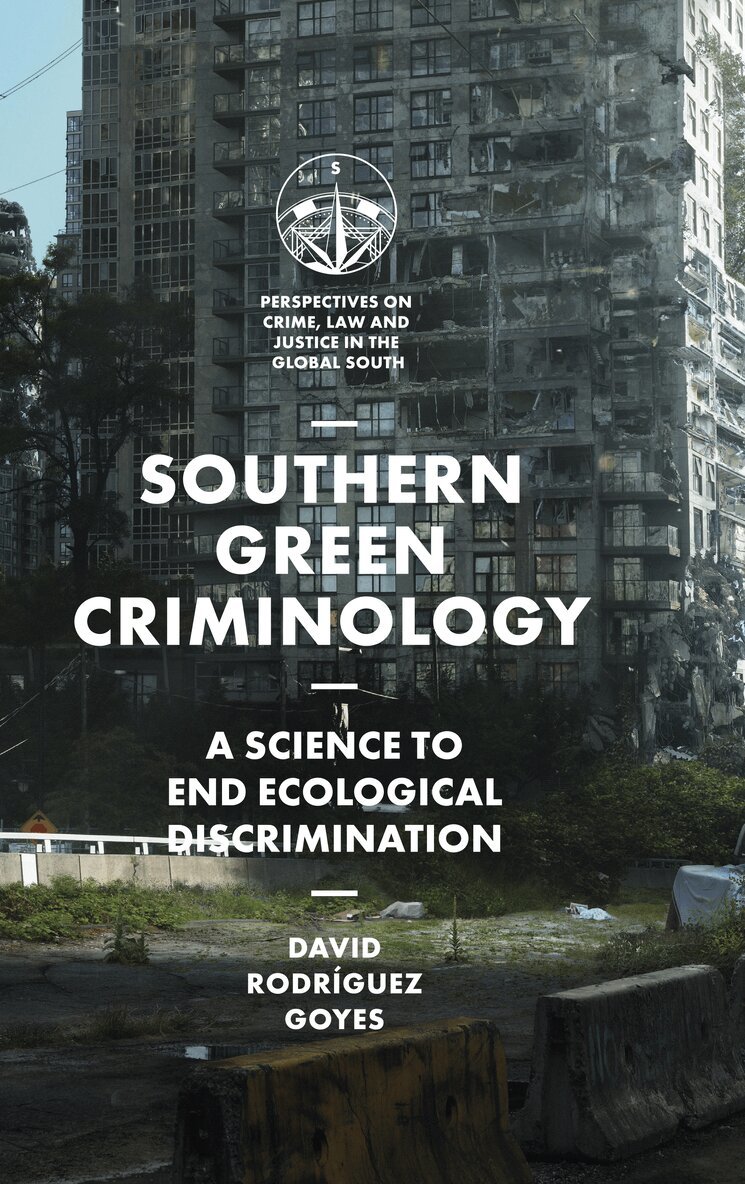
The pressing nature of environmental threats, such as: climate change, land-grabbing, biopiracy, animal exploitation and human environmental victimisation, are pushing the entire world to seek alternatives to prevent environmental damage in every corner of the globe. Southern Green Criminology focuses on the threat the western world poses to the rest of the globe, and how Western imposed ideas of progress are damaging the planet, especially the southern hemisphere.In the past five years, the attention of green criminologists has been directed at the Global South as the geographical site that experiences the severest consequences of harmful environmental practices. Such criminological direction is aimed at combating the environmental harms that affect the geographical and the metaphorical Souths. The main topic of this book is the conflicts that arise in the interaction between human beings and our natural environment, seen from a Southern perspective with a focus on the victimisation of the South. This book is simultaneously a scientific and a political endeavour, and will prove invaluable to students, researchers and environmental enthusiasts alike.
Häftad, Engelska, 2026
511 kr
Skickas inom 5-8 vardagar
The pressing nature of environmental threats, such as: climate change, land-grabbing, biopiracy, animal exploitation and human environmental victimisation, are pushing the entire world to seek alternatives to prevent environmental damage in every corner of the globe. Southern Green Criminology focuses on the threat the western world poses to the rest of the globe, and how Western imposed ideas of progress are damaging the planet, especially the southern hemisphere.In the past five years, the attention of green criminologists has been directed at the Global South as the geographical site that experiences the severest consequences of harmful environmental practices. Such criminological direction is aimed at combating the environmental harms that affect the geographical and the metaphorical Souths. The main topic of this book is the conflicts that arise in the interaction between human beings and our natural environment, seen from a Southern perspective with a focus on the victimisation of the South. This book is simultaneously a scientific and a political endeavour, and will prove invaluable to students, researchers and environmental enthusiasts alike.
Inbunden, Engelska, 2022
1 002 kr
Skickas inom 5-8 vardagar
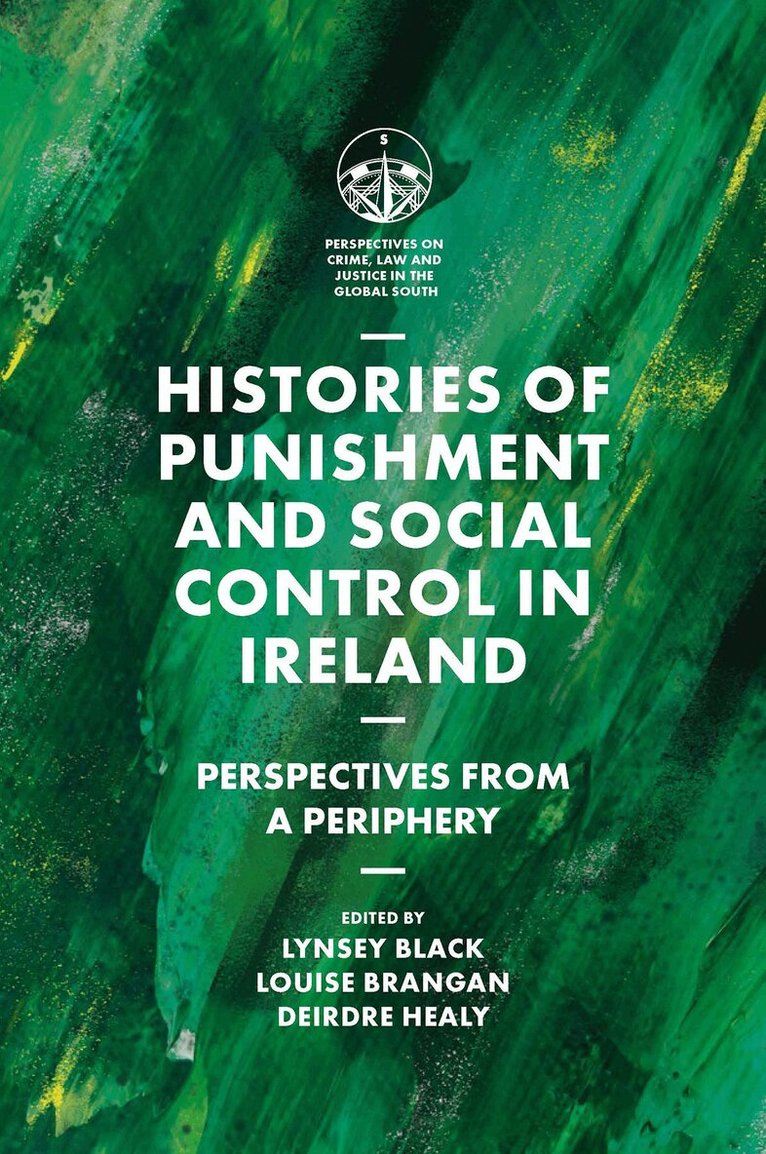
This volume contains an Open Access ChapterAs a peripheral state within English-speaking criminology, Ireland is often overlooked in mainstream Anglophone theories of punitiveness and penal transformation. This edited collection addresses this deficit by bringing together leading scholars on Irish penal history and theory to make a case for Ireland’s wider theoretical relevance.Together, these chapters show in rich detail the trends and debates that have surround patterns of punishment in Ireland since the formation of the State in 1922. However, by being about twentieth century Irish penal history, the volume inherently foregrounds often absent perspectives in criminology and punishment, such as gender, postcoloniality, religion, rurality, and carcerality beyond the criminal justice system. This is more than a collection of Irish criminology, therefore; the social analysis of Irish penal history is undertaken as a contribution towards southernising criminology. The authors each seek to engage criminology in a wider epistemological re-imagining of what is meant by punitiveness, penal culture, and 'Anglophone' penal history.Opening up new avenues of exploration and collaboration, and showing how researchers might look beyond the usual problems, refine the mainstream trends, and rework the obvious questions, this collection demonstrates how the Irish perspective remains relevant for international researchers interested in punishment and history.
Inbunden, Engelska, 2021
661 kr
Skickas inom 5-8 vardagar
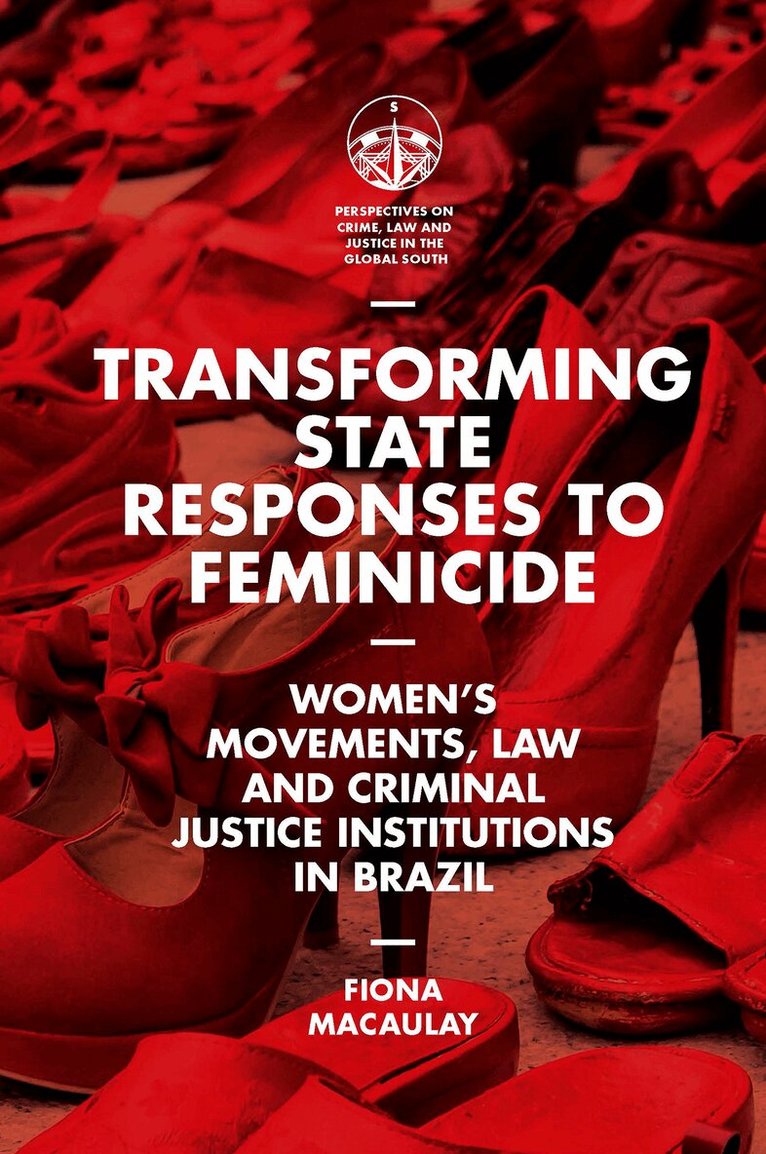
State responses to feminicide in Latin America, characterised in many cases by indifference and incompetence, have caused global concern. This book provides a new and refreshingly positive story from the region by tracing the transformation of state responses to feminicide in Brazil. It is the first single country study to examine in detail how strategic action by the women's movement has resulted in significant improvements in the investigation, prosecution and prevention of domestic violence and feminicide.Fiona Macaulay showcases the main contributory factors to the development of criminal justice best-practices around feminicide. She demonstrates the combined impact of regional efforts, local women's movement mobilisation, changes in the law and its application, and the action of policy entrepreneurs within the criminal justice institutions.Drawing on her knowledge of pioneering coalitions of interest involving feminist academics, NGOs, local campaigners, bureaucrats, politicians, police and prosecutors, the author unveils how these actors were able to identify, create and use institutional spaces to ensure long-lasting positive change. This book is a must-read for activists and researchers interested in practical strategies for improving criminal justice responses to gender-based violence, gender-aware police reform, comparative and feminist criminology, and the social and institutional dynamics of violence in Latin America.
Inbunden, Engelska, 2026
1 190 kr
Kommande
Honour. Violence. Revenge. Words that have cut deep in the sphere of customary justice in the Mediterranean. The subjugation of local systems of justice as 'private justice' by a Eurocentric worldview has prevailed in scholarship, establishing a hegemonic understanding of customary law. Looking to restore the legacy of justice in Crete, this groundbreaking volume deviates from fabricated concept of customary law and provides an understanding of how justice traditions are predominately restorative, instead of vengeful.Through a zemiological lens, Koumentaki explores how native populations acknowledge criminality and work towards harm reduction for protecting their communities against hostility. Her focus on a mountain community in Crete reveals how a community can bypass formal penal legal processes in favour of their restorative justice practices. Moving beyond tired narratives of honour and revenge, Koumentaki reveals a sophisticated system of harm reduction, accountability, and community-led restoration. Women emerge as hidden mediators. Shepherds enact indigenous deterrence. And a parallel justice system operates quietly beneath the drone surveillance and militarised policing of the modern Greek state.Koumentaki provides a fundamentally unique explanation of Mediterranean ‘customary law’ and revenge culture, abundant in ethnographic data and narrative intrigue. At once an intimate ethnography and a decolonial intervention, Decolonising the Traditions of Justice in Crete transforms our understanding of customary law, restorative justice, and the Souths that exist within Europe's own borders. With a profound recognition of the overlaps between local justice practices and restorative justice, this is a must-read for scholars and students interested in critical criminology, zemiology, decolonial and southern perspectives in criminology, restorative justice and ethnography.
Inbunden, Engelska, 2026
1 190 kr
Kommande
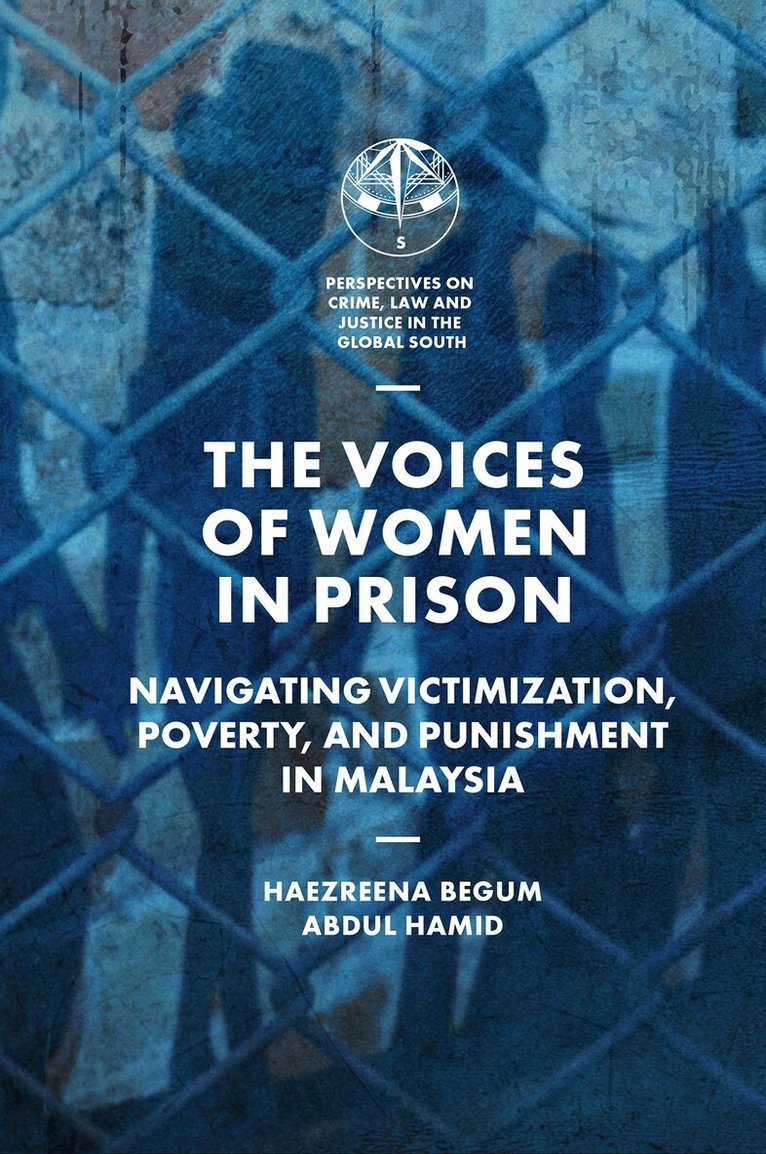
Research on women in prison has largely been concentrated in English-speaking countries and research on female prisoners in Malaysia remains scarce and limited. Malaysia’s prison infrastructure, inherited from colonial rule, remains ill-suited to female inmates, subjecting them to strip searches, inadequate hygiene access, and vocational training that reinforces traditional gender roles. Despite international frameworks such as the Bangkok Rules, prison policies frequently fail to address women’s unique social roles and vulnerabilities.Using in-depth interviews centring lived experiences of women in Malaysian prisons, Haezreena offers a comprehensive socio-legal and criminological analysis of female incarceration in Malaysia. Chapters critically examine how entrenched gender inequality and patriarchal structures shape pathways into crime and the treatment of female prisoners within the justice system, exacerbating the “pains of imprisonment”, including loss of autonomy, privacy, and dignity, often mischaracterized as personal moral failings rather than structural injustice. The author illuminates the urgent need for gender-sensitive reforms in the Malaysian penal system. Offering practical recommendations for improving compliance with international standards and advocating for prison reform, this book makes a significant contribution to the field by integrating criminological, sociological, feminist, and post-colonial perspectives to examine the intersection of gender, punishment, and structural inequality.Drawing upon critical scholarship—including the work of Ben Crewe, Camilla de Magalhães Gomes, and Valeria Vegh Weis—this book applies a Global South lens to Western penal theories, advancing a decolonized, gender-sensitive perspective on carceral power and compliance. Amplifying the voices of female prisoners and advocating for prison reform, this study offers essential insights for scholars, policymakers, and activists working toward more humane and equitable penal systems.
Inbunden, Engelska, 2024
1 098 kr
Skickas inom 5-8 vardagar
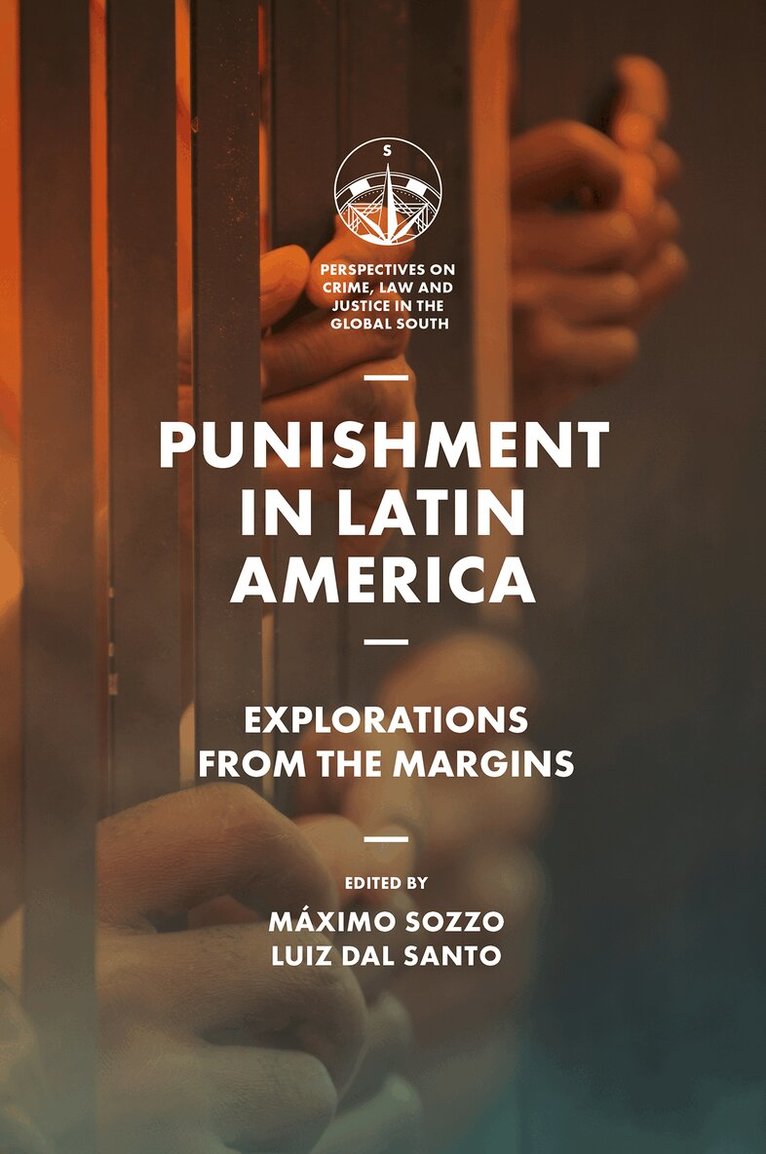
Challenging the Northern-centric approach that has dominated the literature on punishment-and-society, Punishment in Latin America draws on innovative theoretical perspectives to make sense of punishment, penal trends, institutions and practices in peripheral settings, taking Latin American countries as its case studies.Engaging with both historical trajectories and recent theoretical perspectives, contributors examine different aspects and dimensions of punishment and prison, identifying specific dynamics and features in a truly South-South conversation. Taking part in contemporary movements to decolonize, southernize and democratize criminology, the chapters focus on in-depth case studies covering Argentina, Brazil, Chile, Colombia, Ecuador, Peru, Uruguay and Venezuela, as well as wider, comparative analyses that go beyond country-specific contexts. Placing a critical emphasis on the insufficiency of Northern concepts and arguments to make sense of punishment within Latin America, the authors engage with these theories while at the same time avoiding a sense of subordination or dependency disconnected from their own contexts.Bringing together researchers working across Latin American, European and North American universities, this collection advances the southernization and decolonization of this field of knowledge.