Le Mans Official History – serie
Visar alla böcker i serien Le Mans Official History. Handla med fri frakt och snabb leverans.
2 produkter
2 produkter
Del 4 - Le Mans Official History
Mans
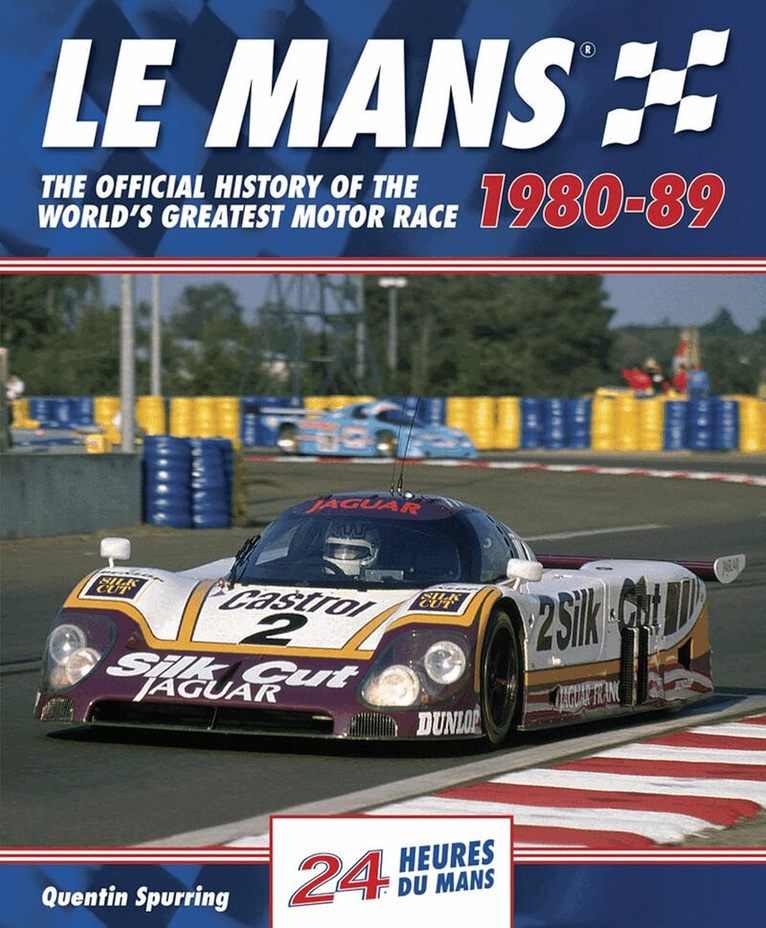
The Official History of the World's Greatest Motor Race, 1980-89
Inbunden, Engelska, 2014
644 kr
Skickas
The 1980s was a momentous decade in Formula 1 and this book captures its extraordinary drama. A superb range of 250 colour photographs by Rainer Schlegelmilch, one of the greatest motor racing photographers of all time, is supported by insightful commentary from Quentin Spurring, who had the senior editorial role on Autosport magazine for much of that decade. Alain Prost, Ayrton Senna and Nigel Mansell all made their debuts in this decade and became, with Nelson Piquet, the stars of the era - they were arch rivals equipped, at one stage, with the most powerful racing engines of all time. McLaren and Williams first established themselves as regular winners in this period, and these teams, with Ferrari, remain big players today. This was a decade when Formula 1 was transformed by political upheaval, technical innovation and extended TV coverage, all of which laid the foundations for today's globally popular sport.
Del 2 - Le Mans Official History
Mans
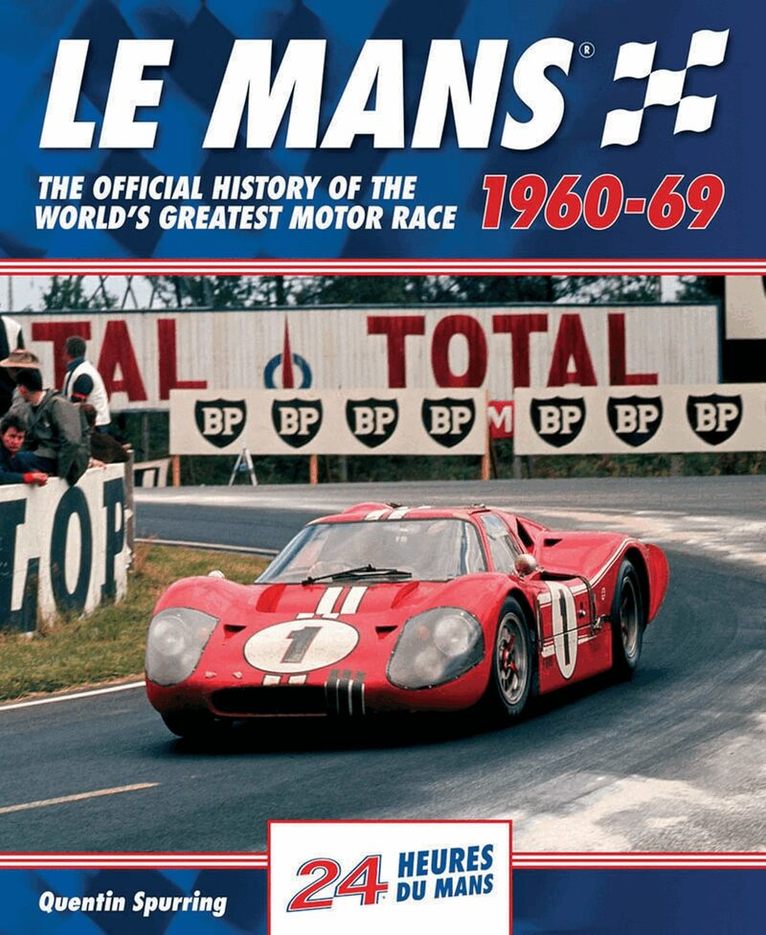
The Official History of the World's Greatest Motor Race, 1960-69
Inbunden, Engelska, 2014
644 kr
Skickas
This was the defining decade for the Le Mans 24 Hours. It started with six consecutive victories by Ferrari, overwhelming Aston Martin and Maserati. But then Ford threw its all-American dollars at the race and won it four times in a technically exciting period that also brought the competitive emergence of brands such as Alfa Romeo, Matra, Porsche and Renault. The participation of great automobile manufacturers spurred the development of many iconic racing cars: Ferrari Testa Rossa and GTO, Ford GT40 and Daytona Cobra, Porsche 904 and 917. The machines that were specially built for Le Mans evolved through the decade from front-engined brutes to mid-engined monsters. By the end of the period, many of them could achieve more than 200mph (300kph) on the awesome straights that defined the race, thrilling as many as 300,000 spectators at trackside. Almost 50 companies built cars that were raced at Le Mans in the 1960s. The 24 Hours became an annual cauldron of corporate rivalry and a high-speed proving ground for innovative automobile technologies.Above all, it became an incomparably arduous and complex challenge to man and machine that captured the imagination of the public the world over.