Life in Extreme Environments - Böcker
Visar alla böcker i serien Life in Extreme Environments. Handla med fri frakt och snabb leverans.
8 produkter
8 produkter
1 881 kr
Skickas inom 7-10 vardagar
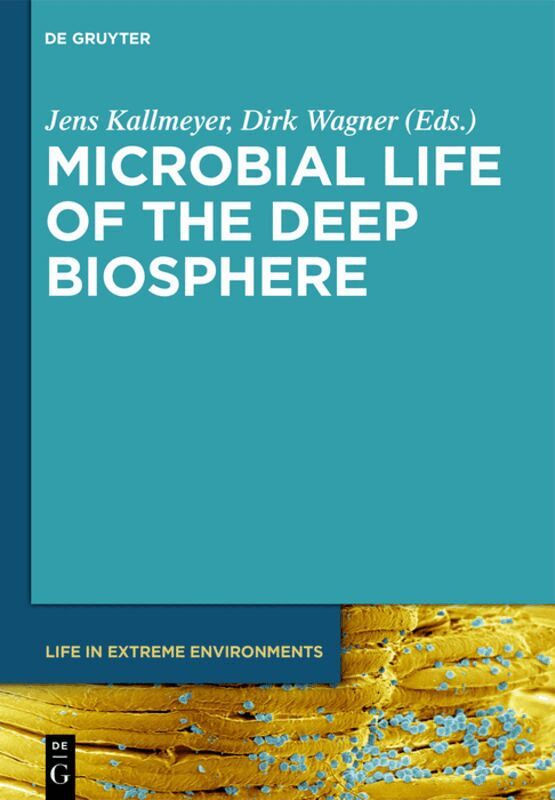
Over the last two decades, exploration of the deep subsurface biosphere has developed into a major research area. New findings constantly challenge our concepts of global biogeochemical cycles and the ultimate limits to life. In order to explain our observations from deep subsurface ecosystems it is necessary to develop truly interdisciplinary approaches, ranging from microbiology and geochemistry to physics and modeling. This book aims to bring together a wide variety of topics, covering the broad range of issues that are associated with deep biosphere exploration. Not only does the book present case studies of selected projects, but also treats questions arising from our current knowledge. Despite nearly two decades of research, there are still many boundaries to exploration caused by technical limitations and one section of the book is devoted to these technical challenges and the latest developments in this field. This volume will be of high interest to biologists, chemists and earth scientists all working on the deep biosphere.
1 752 kr
Skickas inom 7-10 vardagar
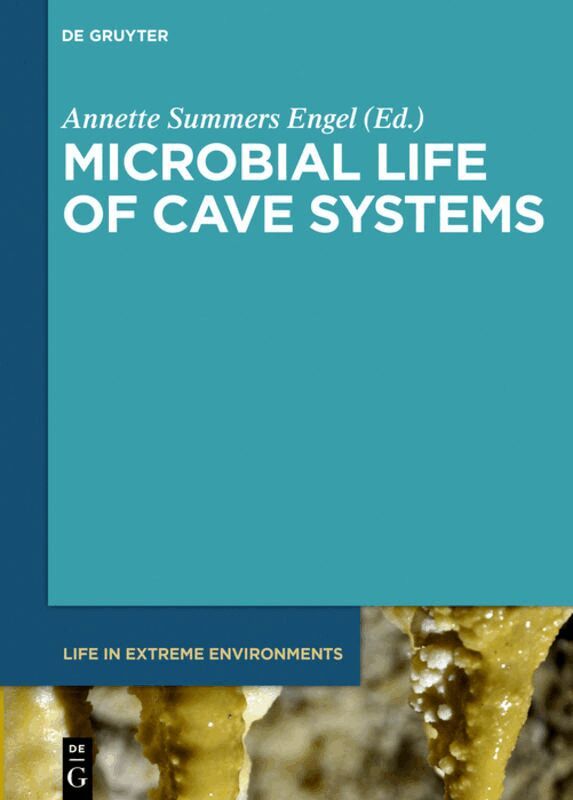
The earth's subsurface contains abundant and active microbial biomass, living in water, occupying pore space, and colonizing mineral and rock surfaces. Caves are one type of subsurface habitat, being natural, solutionally- or collapse-enlarged openings in rock. Within the past 30 years, there has been an increase in the number of microbiology studies from cave environments to understand cave ecology, cave geology, and even the origins of life. By emphasizing the microbial life of caves, and the ecological processes and geological consequences attributed to microbes, this book provides the first authoritative and comprehensive account of the microbial life of caves for students, professionals, and general readers.
1 351 kr
Skickas inom 7-10 vardagar
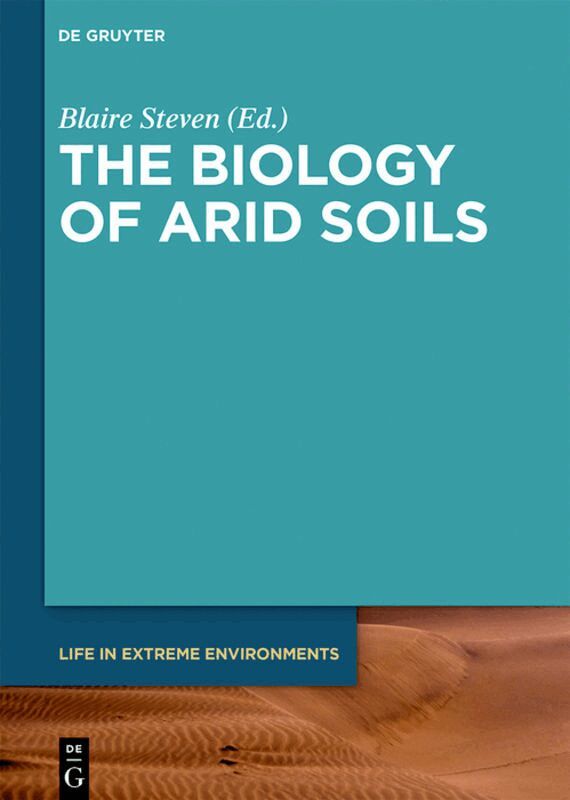
Soils have been called the most complex microbial ecosystems on Earth. A single gram of soil can harbor millions of microbial cells and thousands of species. However, certain soil environments, such as those experiencing dramatic change exposing new initial soils or that are limited in precipitation, limit the number of species able to survive in these systems. In this respect, these environments offer unparalleled opportunities to uncover the factors that control the development and maintenance of complex microbial ecosystems. This book collects chapters that discuss the abiotic factors that structure arid and initial soil communities as well as the diversity and structure of the biological communities in these soils from viruses to plants.
1 318 kr
Skickas inom 7-10 vardagar
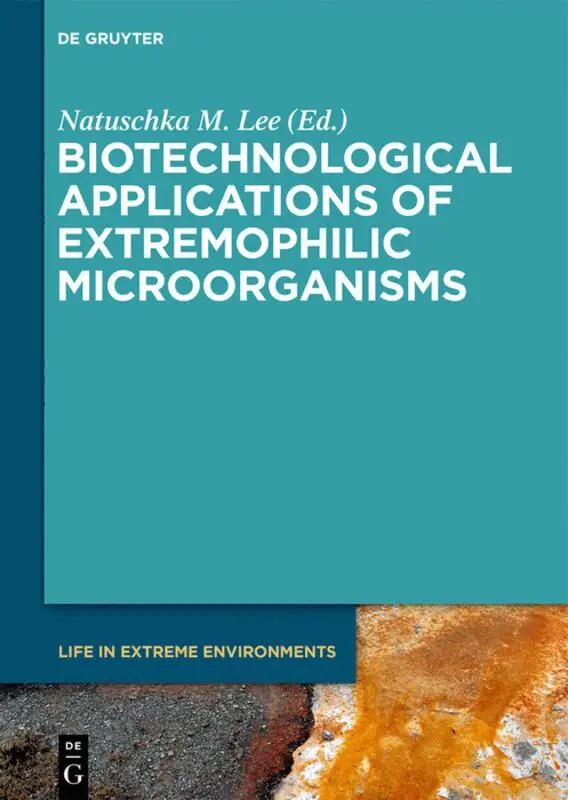
This book provides a broad overview how extremophiles can be used in biotechnology, including for the production and degradation of compounds. It reviews various recent discoveries and applications related to a large variety of extremophiles, considering both prokaryotes as well as eukaryotes.
1 351 kr
Skickas inom 7-10 vardagar
Vents and seeps are the epitome of life in extreme environments, but there is much more to these systems than just black smokers or hydrocarbon seeps. Many other ecosystems are characterized by moving fluids and this book provides an overview of the different habitats, their specific conditions as well as the technical challenges that have to be met when studying them. The book provides the current state of the art and will be a valuable resource for everybody that has an interest in such environments.
1 618 kr
Skickas inom 5-8 vardagar
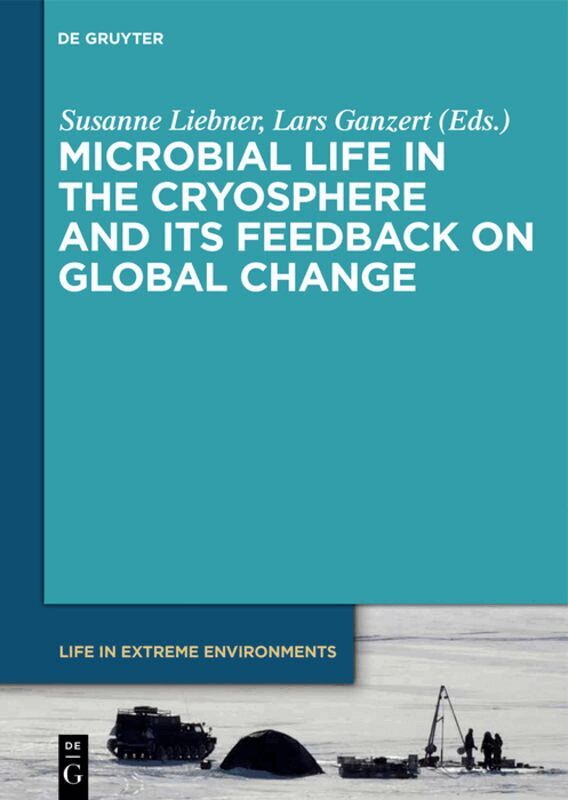
The cryosphere stands for environments where water appears in a frozen form. It includes permafrost, glaciers, ice sheets, and sea ice and is currently more affected by Global Change than most other regions of the Earth. In the cryosphere, limited water availability and subzero temperatures cause extreme conditions for all kind of life which microorganisms can cope with extremely well. The cryosphere’s microbiota displays an unexpectedly large genetic potential, and taxonomic as well as functional diversity which, however, we still only begin to map. Also, microbial communities influence reaction patterns of the cryosphere towards Global Change. Altered patterns of seasonal temperature fluctuations and precipitation are expected in the Arctic and will affect the microbial turnover of soil organic matter (SOM). Activation of nutrients by thawing and increased active layer thickness as well as erosion renders nutrient stocks accessible to microbial activities. Also, glacier melt and retreat stimulate microbial life in turn influencing albedo and surface temperatures. In this context, the functional resilience of microbial communities in the cryosphere is of major interest. Particularly important is the ability of microorganisms and microbial communities to respond to changes in their surroundings by intracellular regulation and population shifts within functional niches, respectively. Research on microbial life exposed to permanent freeze or seasonal freeze-thaw cycles has led to astonishing findings about microbial versatility, adaptation, and diversity. Microorganisms thrive in cold habitats and new sequencing techniques have produced large amounts of genomic, metagenomic, and metatranscriptomic data that allow insights into the fascinating microbial ecology and physiology at low and subzero temperatures. Moreover, some of the frozen ecosystems such as permafrost constitute major global carbon and nitrogen storages, but can also act as sources of the greenhouse gases methane and nitrous oxide. In this book we summarize state of the art knowledge on whether environmental changes are met by a flexible microbial community retaining its function, or if the altered conditions also render the community in a state of altered properties that affect the Earth’s element cycles and climate. This book brings together research on the cryosphere’s microbiota including permafrost, glaciers, and sea ice in Arctic and Antarctic regions. Different spatial scales and levels of complexity are considered, spanning from ecosystem level to pure culture studies of model microbes in the laboratory. It aims to attract a wide range of parties with interest in the effect of climate change and/or low temperatures on microbial nutrient cycling and physiology.
1 351 kr
Skickas inom 7-10 vardagar
This book will highlight advanced techniques that were recently used for studying microorganisms in extreme environments. Recent technological leaps in the study of microorganisms in the environment now make it possible to comprehensively study microbes in the environment. Extreme environments could benefit from the application of these techniques, but many challenges such as low biomass, low activity and slow growth has prevented their wide adoption. This book will review recent application of state-of-the-art techniques in extreme environments, helping researcher and graduate students get a better knowledge of the tools available.
Del 9 - Life in Extreme Environments
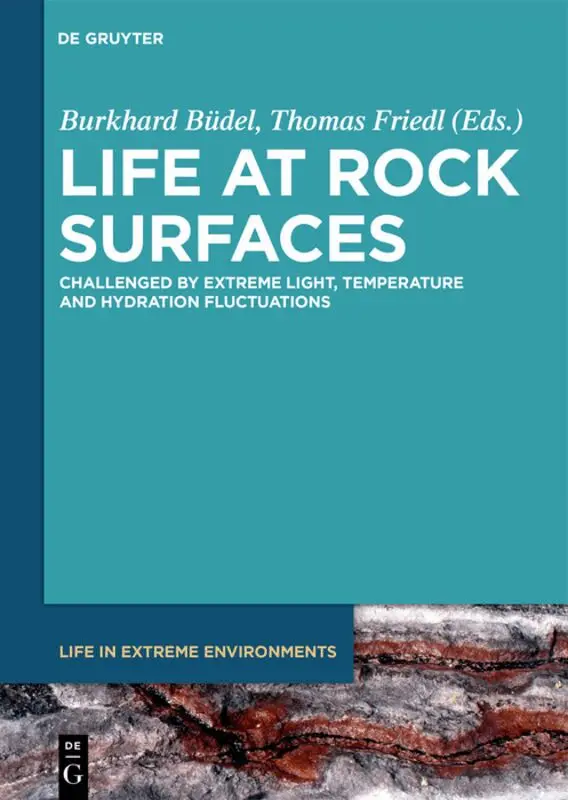
Life at Rock Surfaces
Challenged by Extreme Light, Temperature and Hydration Fluctuations
Inbunden, Engelska, 2021
1 683 kr
Skickas inom 3-6 vardagar
Rock surfaces provide a challenging habitat for a broad diversity of micro- or small-sized organisms. They interact with each other forming complex communities as well with their substrate causing biodeterioration of rock. Extreme fluctuation in light, temperature and hydration are the main factors that determine the rock surface habitats. The habitat includes epilithic organisms which thrive on the surface without penetrating the rock, endolithic organisms which live just beneath the surface using a thin layer of the rock surface for protection against adverse conditions of the environment (e.g. light protection, storage of water) and chasmo-endolithic organisms which use fractures of the rock surface for a more habitable environment. The book will provide an overview of the various organismal groups, from prokaryotes to vascular plants and arthropods, as well as survey organism-mediated interactions with the rock surface. The latter include biogenic weathering (biogeochemistry, state-of-the art imaging methods), photosynthesis and nitrogen fixation at and inside the rock surface.