Men and Masculinities in a Transnational World – serie
Visar alla böcker i serien Men and Masculinities in a Transnational World. Handla med fri frakt och snabb leverans.
5 produkter
5 produkter
434 kr
Skickas inom 10-15 vardagar
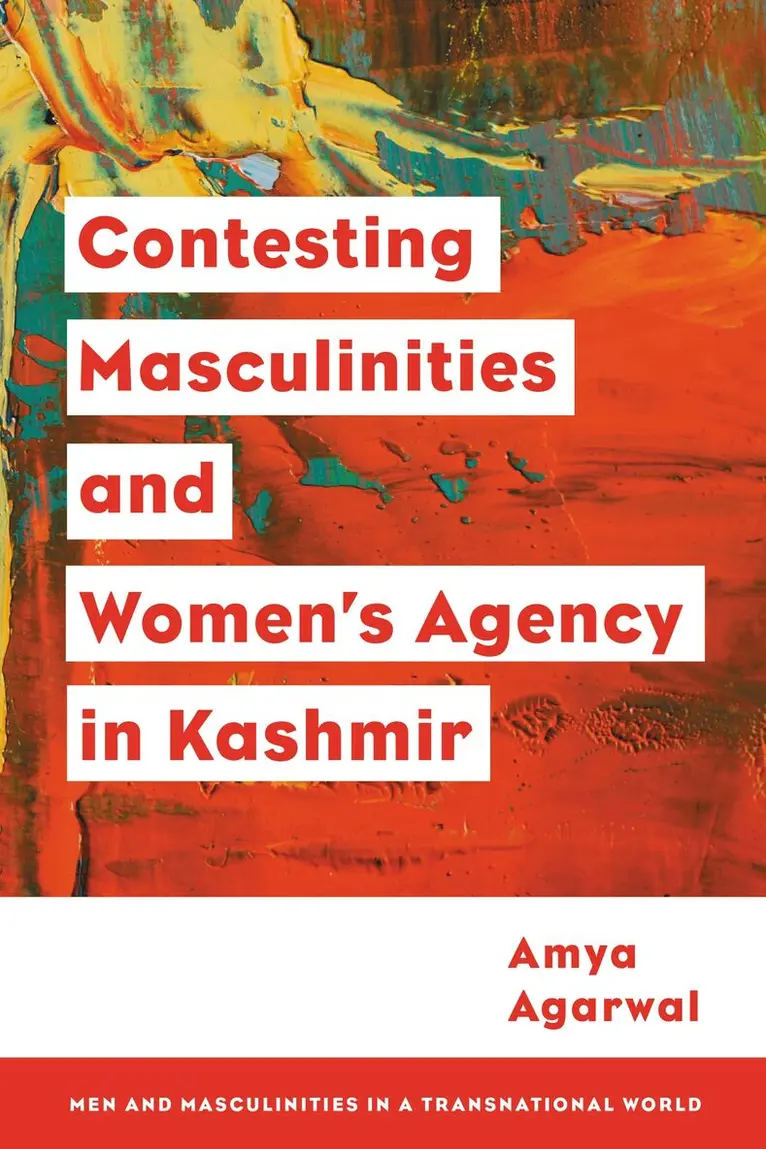
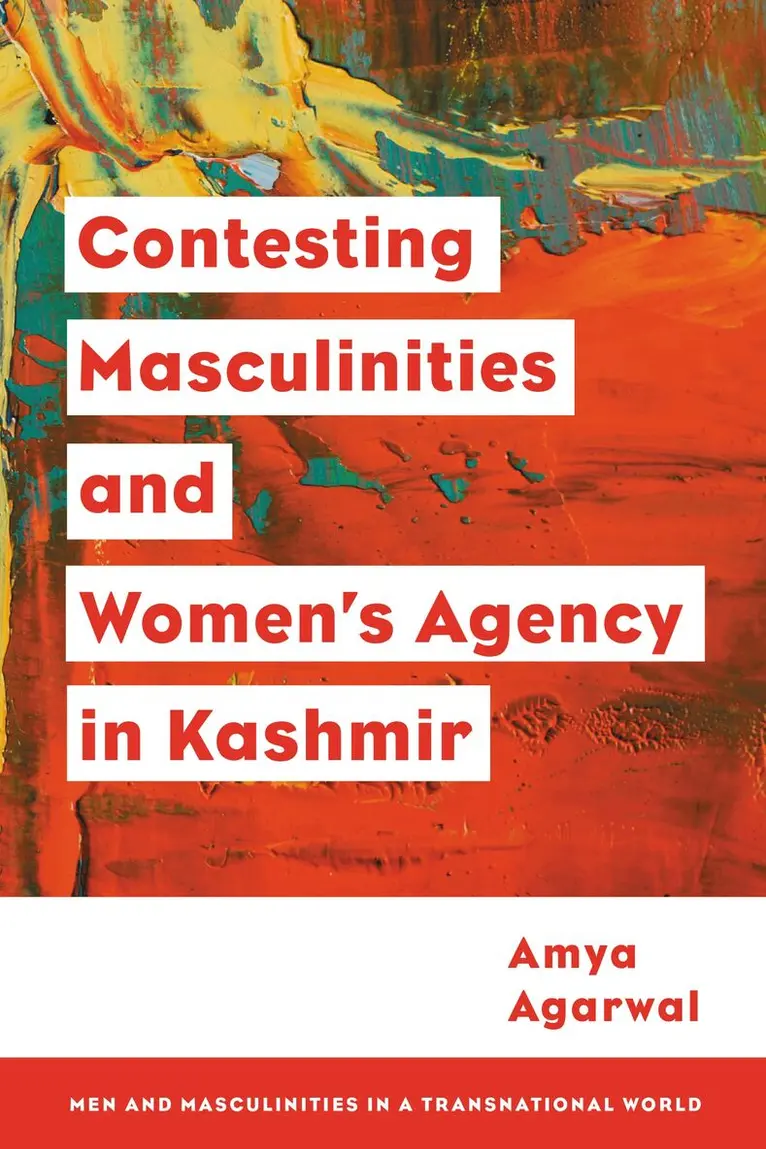
What is the significance of gender and masculinities in understanding conflict?Through an ethnographic study conducted between 2013 and 2016, this book explores the politics of competing and sometimes overlapping masculinities represented by the state armed forces and the non-state actors in the Kashmir valley. In addition, the book broadens the understanding of women’s agency through its engagement with the construction, performance, and interplay of masculinities in the conflict. Combining existing elements of both feminist research and critical scholarship on men and masculinities, the book highlights the significance of foregrounding the interplay of men’s identities in conflicts to understand agency in a meaningful way. Through the focus on the simultaneous play of multiple masculinities, the book also questions the oversimplified and monolithic usage of masculinity being associated only with violence in conflicts. The empirical data in the book includes interviews and narratives of multiple stakeholders belonging to diverse vantage points in the Kashmir conflict. Some of these include activists, widows, wives of the disappeared, ex-militants, surrendered militants, participants of the stone-pelting movement, mothers of sons killed in the conflict, women representatives of the village Halqa Panchayats, and army personnel. The book also draws from alternative material in the form of graffiti, folk songs, poetry on graves, and slogans. Through anecdotal reminiscence, the author reflects on the challenges of field research in Kashmir that served as an opportunity for self-contemplation.
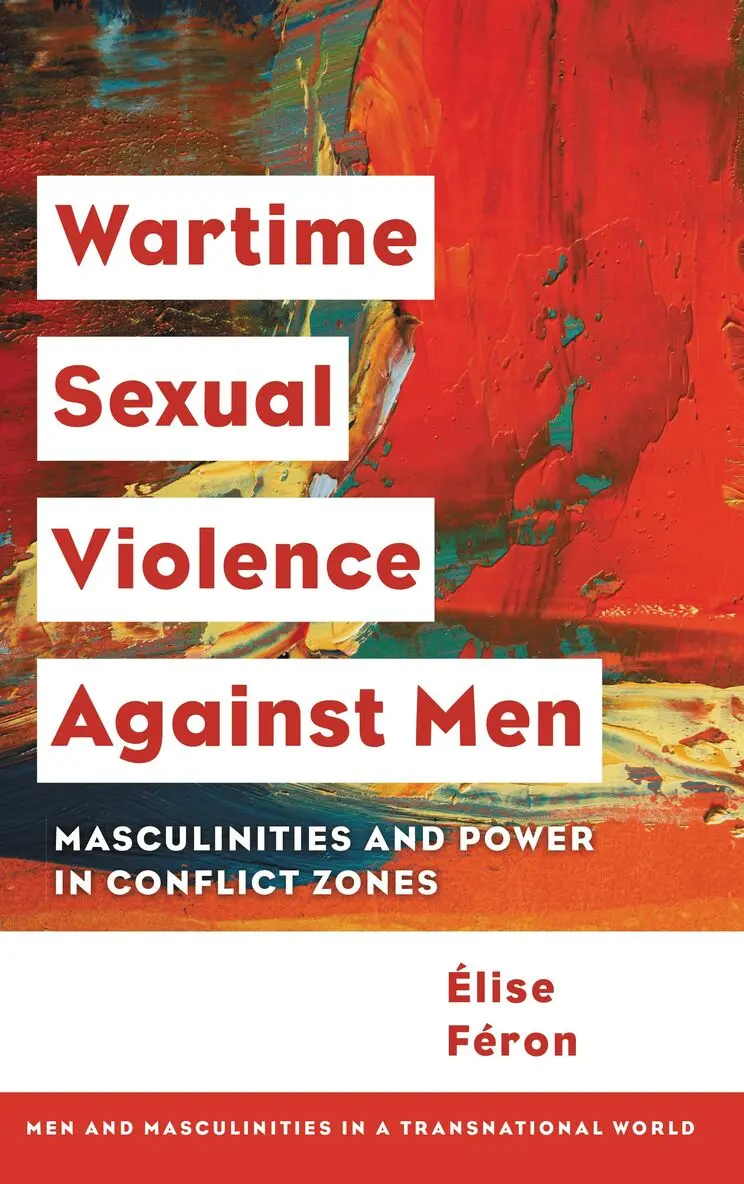
Wartime Sexual Violence against Men
Masculinities and Power in Conflict Zones
Inbunden, Engelska, 2018
1 572 kr
Skickas inom 10-15 vardagar
Cases of sexual violence against men have been documented in a great number of conflicts and wars, both ancient and contemporary. Despite this growing empirical evidence, there is still a dearth of analyses on this type of violence, which stands in stark contrast with the abundant literature dealing with sexual violence against women. Based on a fieldwork conducted primarily in the Great Lakes Region of Africa, this book proposes to look at wartime sexual violence against men as a performative gendered act that, stemming from the same logic underpinning sexual violence against women, (re-)affirms a gendered social hierarchy. The book explores patterns of wartime sexual violence against men, and presents survivors’, but also perpetrators’ stories. The book proceeds to analysing the context in which this type of violence can be understood, narrated, but also addressed, either through support programs for survivors, or through legal means.
541 kr
Skickas inom 10-15 vardagar
Cases of sexual violence against men have been documented in a great number of conflicts and wars, both ancient and contemporary. Despite this growing empirical evidence, there is still a dearth of analyses on this type of violence, which stands in stark contrast with the abundant literature dealing with sexual violence against women. Based on a fieldwork conducted primarily in the Great Lakes Region of Africa, this book proposes to look at wartime sexual violence against men as a performative gendered act that, stemming from the same logic underpinning sexual violence against women, (re-)affirms a gendered social hierarchy. The book explores patterns of wartime sexual violence against men, and presents survivors’, but also perpetrators’ stories. The book proceeds to analysing the context in which this type of violence can be understood, narrated, but also addressed, either through support programs for survivors, or through legal means.
1 009 kr
Skickas inom 10-15 vardagar
What is the significance of gender and masculinities in understanding conflict?Through an ethnographic study conducted between 2013 and 2016, this book explores the politics of competing and sometimes overlapping masculinities represented by the state armed forces and the non-state actors in the Kashmir valley. In addition, the book broadens the understanding of women’s agency through its engagement with the construction, performance, and interplay of masculinities in the conflict. Combining existing elements of both feminist research and critical scholarship on men and masculinities, the book highlights the significance of foregrounding the interplay of men’s identities in conflicts to understand agency in a meaningful way. Through the focus on the simultaneous play of multiple masculinities, the book also questions the oversimplified and monolithic usage of masculinity being associated only with violence in conflicts. The empirical data in the book includes interviews and narratives of multiple stakeholders belonging to diverse vantage points in the Kashmir conflict. Some of these include activists, widows, wives of the disappeared, ex-militants, surrendered militants, participants of the stone-pelting movement, mothers of sons killed in the conflict, women representatives of the village Halqa Panchayats, and army personnel. The book also draws from alternative material in the form of graffiti, folk songs, poetry on graves, and slogans. Through anecdotal reminiscence, the author reflects on the challenges of field research in Kashmir that served as an opportunity for self-contemplation.
Rethinking Masculinities
Ideology, Identity and Change in the People’s War in Nepal and its Aftermath
Inbunden, Engelska, 2022
1 142 kr
Skickas inom 10-15 vardagar
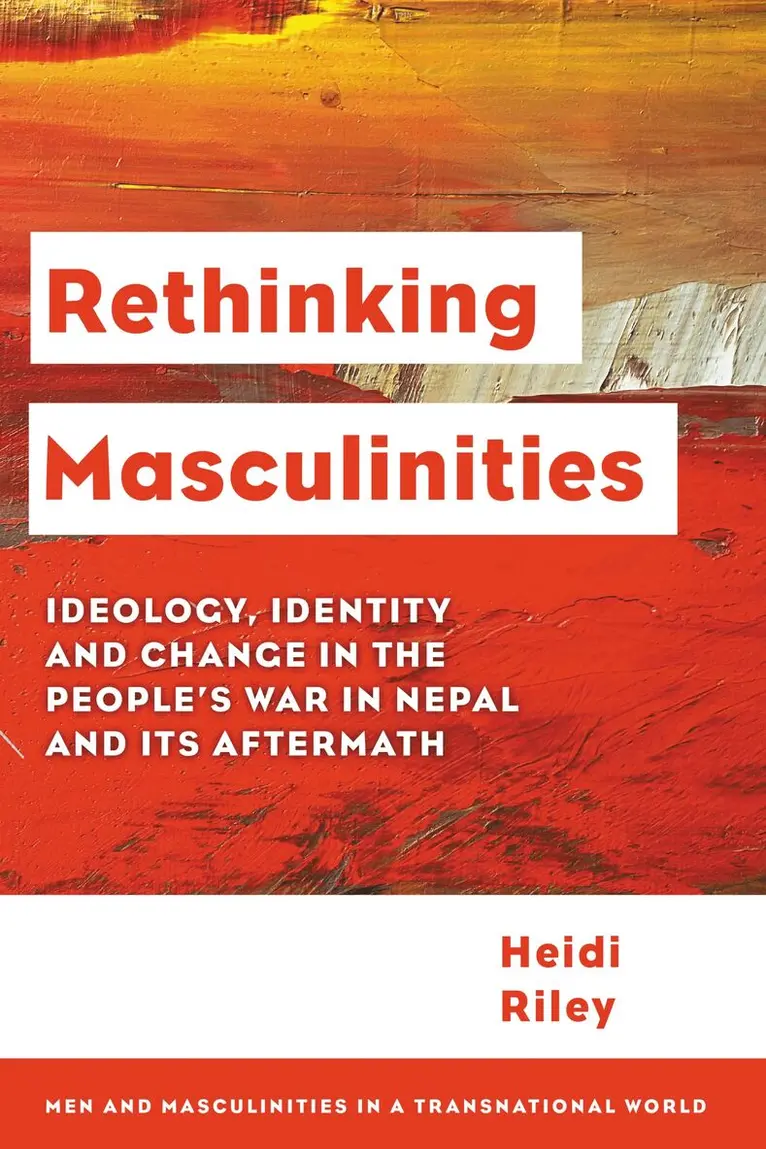
Masculinity associated with armed groups tends to be built on assumptions of violence and insecurity. Rethinking Masculinities: Ideology, Identity and Change in the People’s War in Nepal and Its Aftermath, however, examines other ways in which the experience of participation in an armed group may impact on notions of masculinity held by low-ranking male combatants, both during conflict and in its aftermath. Using the case of Nepal, this book explores how men of the People’s Liberation Army experienced and engaged with an ideology espoused by the leadership that was more gender-positive than what existed in broader Nepali society. Focusing on masculinity change across four different time frames: (1) pre-conflict, (2) conflict time, (3) the cantonment period, and (4) post-conflict – Heidi Riley’s analysis pays close attention to changes in attitudes towards gender specific roles and conduct, as well as perceptions of gender hierarchies. Building on feminist and masculinities literature, Rethinking Masculinities also makes a vital contribution to broader peace and conflict scholarship on insurgency, rebel recruitment, and demobilisation, disarmament and reintegration (DDR). The book exposes how masculinity change is not straightforward but influenced by both past and present, which leads to contradiction and continuity in a post-conflict context.