Mental and Cultural World of Tudor and Stuart England – serie
Visar alla böcker i serien Mental and Cultural World of Tudor and Stuart England. Handla med fri frakt och snabb leverans.
3 produkter
3 produkter
E-bok
PDF, Engelska, 2000984 kr
Läs direkt efter köp
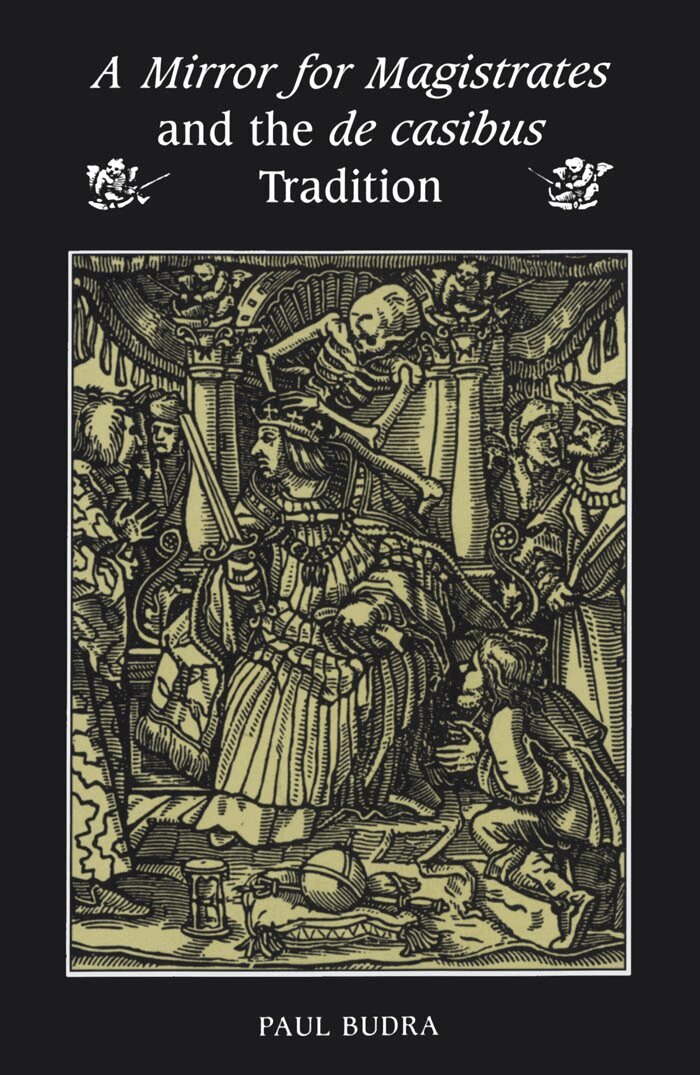
The collection of English Renaissance narrative poems "A Mirror for Magistrates" has long been regarded as a mere repository of tales, significant largely because it was mined as a source of ideas by poets and dramatists, including Shakespeare. Paul Budra invites us to look again and see this text as an important literary document in its own right."A Mirror for Magistrates" brings together the voices of many authors whose tales encompass a variety of characters, from Brute, the mythical founder of Britain, to Elizabeth I. Budra situates the work in the cultural context of its production, locating it not as a primitive form of tragedy, but as the epitome of the de casibus literary tradition started by Boccaccio as a form of history writing. Deploying theories of rhetoric and narrative, cultural production, and feminism, he argues that the document uses linked biographies to demonstrate a purpose at work in the course of human events. Budra's analysis reveals "A Mirror for Magistrates" to be an evolving historiographic innovation - a complex expression of the values and beliefs of its time.This study presents an innovative treatment of an important but neglected subject. It will be of special interest to Renaissance scholars, particularly those concerned with literary theory, English and Italian literary history, historiography, and Shakespearean studies.
E-bok
PDF, Engelska, 19971 219 kr
Läs direkt efter köp
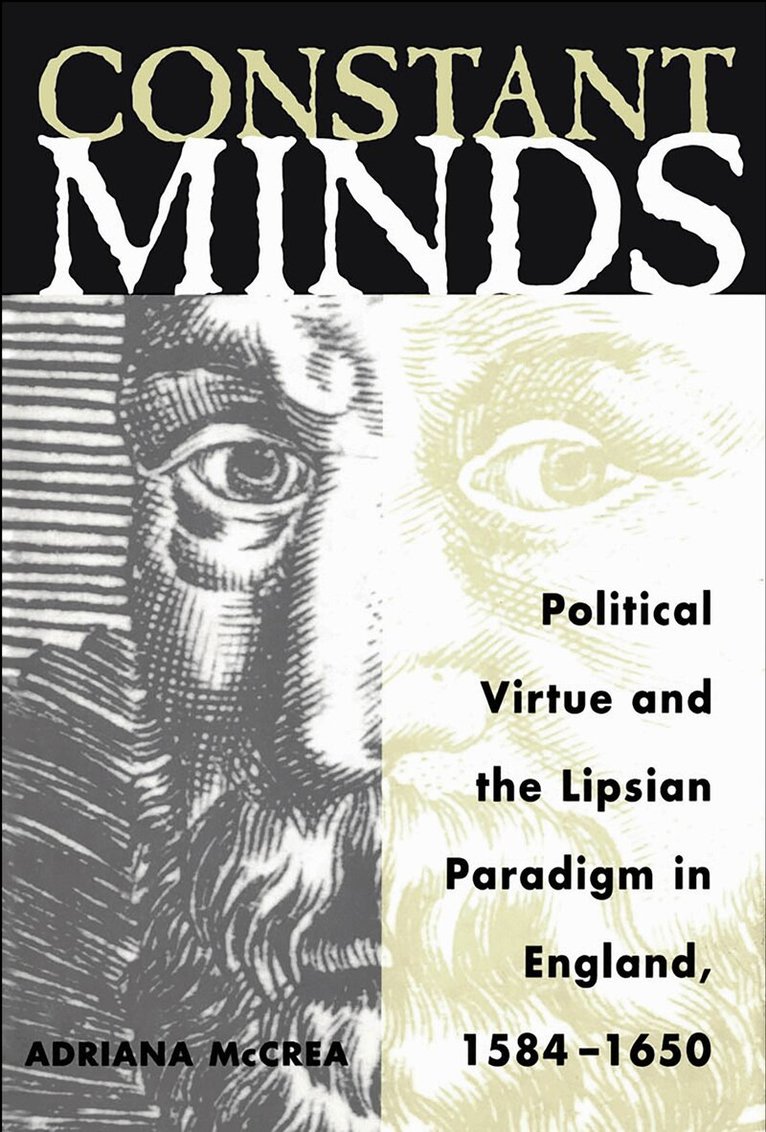
In response to the crisis provoked by the Wars of Religion in Europe in the sixteenth century, the Flemish philosopher Lipsius developed a synthesis of stoic morality and Tacitean political analysis called 'the Lipsian paradigm,' or neostoicism. The paradigm espoused the adaptation to prevailing political circumstances, the practice of 'mixed prudence,' (knowing the circumstances in which to apply deceit) and the use of historical example as a guide to contemporary action as political virtues.Constant Minds investigates the reception and use of Lipsian ideas in the moral, political, and literary culture of late-sixteenth- and early-seventeenth-century England through examination of the writings and activities of Walter Ralegh, Francis Bacon, Fulke Greville, Ben Jonson, and Joseph Hall. Adriana McCrea demonstrates how this continental school of thought permeated the political ideas of these English writers, and places her study in the contexts of the literary conventions of the humanist tradition, the political events of the time, and the activities and circles of the authors themselves. McCrea's study fuses intellectual history with political history and literary analysis, prompting new questions about the nature of English Renaissance humanism and political perception in England during the early modern period.
E-bok
PDF, Engelska, 20041 106 kr
Läs direkt efter köp
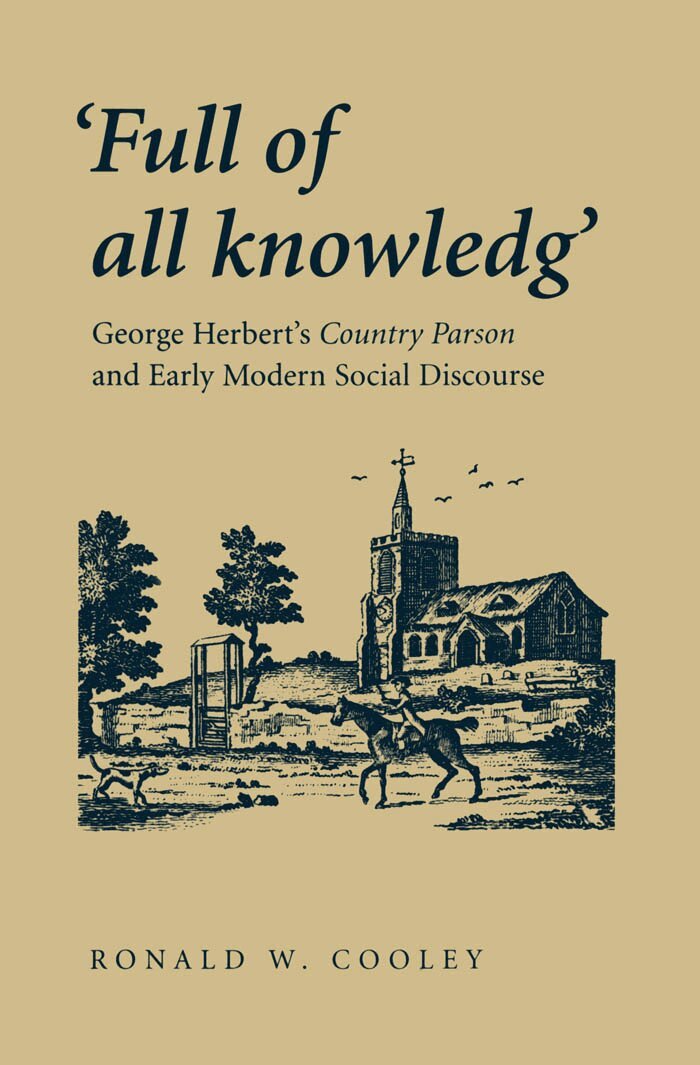
George Herbert is best known as a seventeenth-century sacred poet, often associated with such writers as John Milton and John Donne, but it is Herbert's portrait of an idealized rural clergyman in The Country Parson which perhaps best shows Herbert's engagement in a wide range of complex social debates. In Full of all knowledg', Ronald Cooley examines the 1632 pastoral manual through four distinct lenses, each representing the perspective of a particular historical sub-specialty: church history, the history of the 'learned professions' (law and medicine), local and agricultural history, and the history of the patriarchal nuclear family.Cooley argues that in Herbert's portrait of the clergyman who is 'full of all knowledge,' and who counsels parishioners on matters of faith, law, health, agriculture, and family obligation, Herbert engages with contemporary cultural and social ideals, and offers today's scholar a unique opportunity for synthetic literary-historical study. Through his investigation of The Country Parson and a selection of Herbert's later poems, Cooley shows how traditionalist rhetoric and appeals to customary wisdom facilitated innovative practices in agricultural, professional, social, and domestic affairs, and he provides new illumination of the mental and material world of the seventeenth century cleric and poet. In positioning George Herbert as a spokesman for a legal-rational social order, and in placing The Country Parson in its cultural milieu, Cooley reveals a new dimension to Herbert's work and provides a valuable tool for future study of Herbert and seventeenth-century culture and history.