Mercatorfonds - Böcker
Visar alla böcker i serien Mercatorfonds. Handla med fri frakt och snabb leverans.
6 produkter
6 produkter
518 kr
Skickas inom 7-10 vardagar
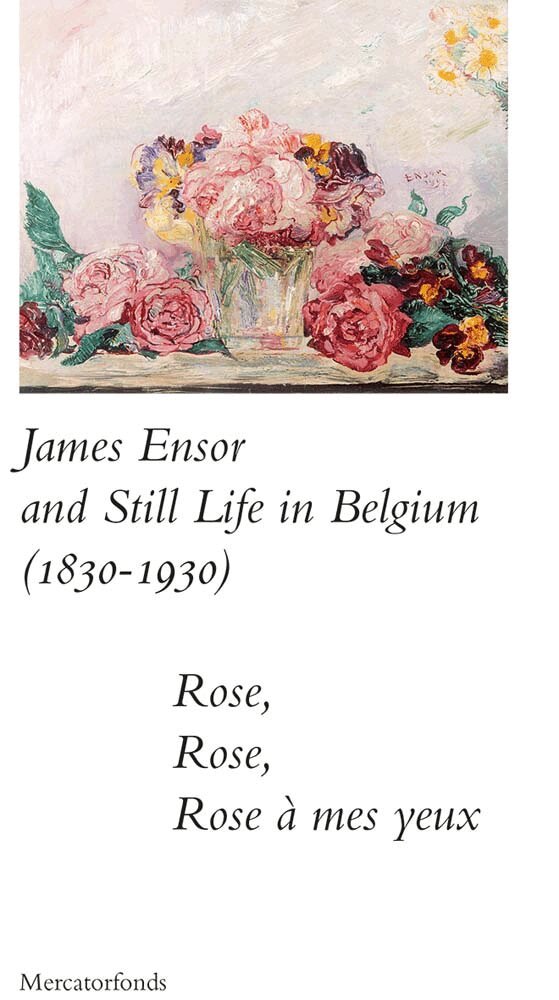
A unique journey with James Ensor through the history of still life in Belgium in the nineteenth and twentieth centuries Still life played an important role within the work of Belgian expressionist and symbolist painter James Ensor (1860–1949). The quality and significance of his intriguingly complex still lifes become clear when placed within the broader development of the genre in Belgium between 1830 and 1930. The book offers an overview of the nineteenth-century Belgian academic tradition of decorative painting, with intriguing work by lesser-known painters such as Jean Robie, Hubert Bellis, Frans Mortelmans, and Henri De Braekeleer, as well as forgotten female artists such as Berthe Art and Alice Ronner. In the early twentieth century, artists such as Louis Thevenet continued to develop the genre of still life in a traditional manner, while innovators such as the late James Ensor, Léon Spilliaert, Marthe Donas, Walter Vaes, and Gustave Van de Woestyne created highly personal interpretations. This book is published on the first exhibition ever entirely devoted to James Ensor's still lifes at Mu.ZEE (Ostend). Distributed for Mercatorfonds
606 kr
Kommande
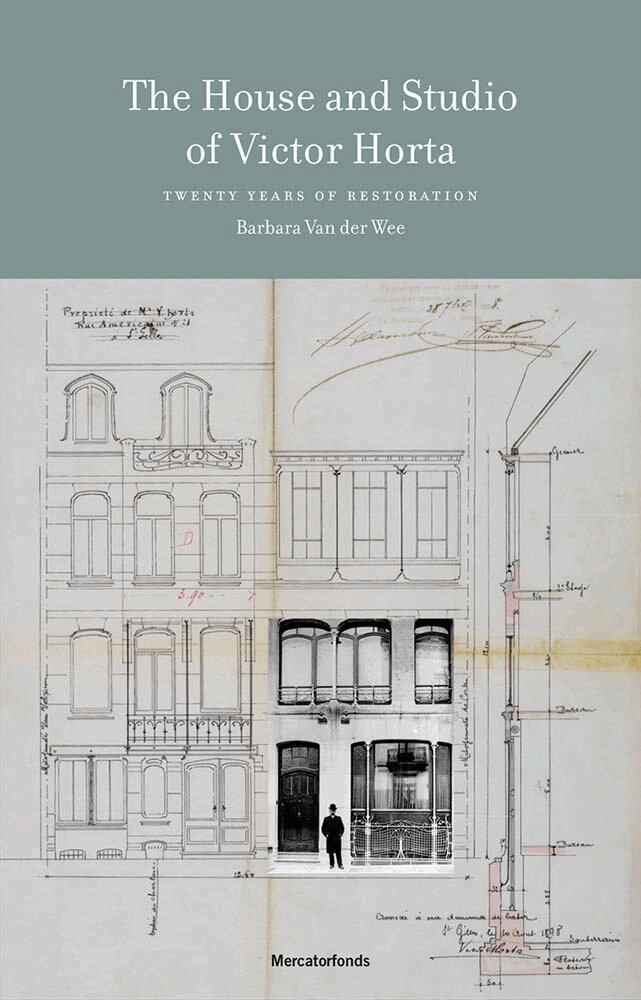
The story of how the Belgian Art Nouveau architect Victor Horta conceived his private residence/studio and how architect Barbara Van Der Wee restored it to its original splendour Victor Horta (1861–1947) is considered the most prominent Belgian architect of the Art Nouveau movement. His private house in Brussels, built in 1901, is a rare and stunning example of this style. In 1990, Barbara Van der Wee was given the challenging task of restoring the house—its original architectural concept being compromised over the years due to many renovations—and of transforming it into a house museum. In this book, she tells the story of her encounter with the house and the various ways in which she explored Horta's home as well as his work, thoughts, and dreams. Through this personal narrative and the text of Françoise Aubry we learn how Horta evolved into a pioneering virtuoso of Art Nouveau and understand how, a century later, Van der Wee developed her own philosophy to restoring this extraordinary piece of heritage in Brussels.
760 kr
Skickas inom 3-6 vardagar
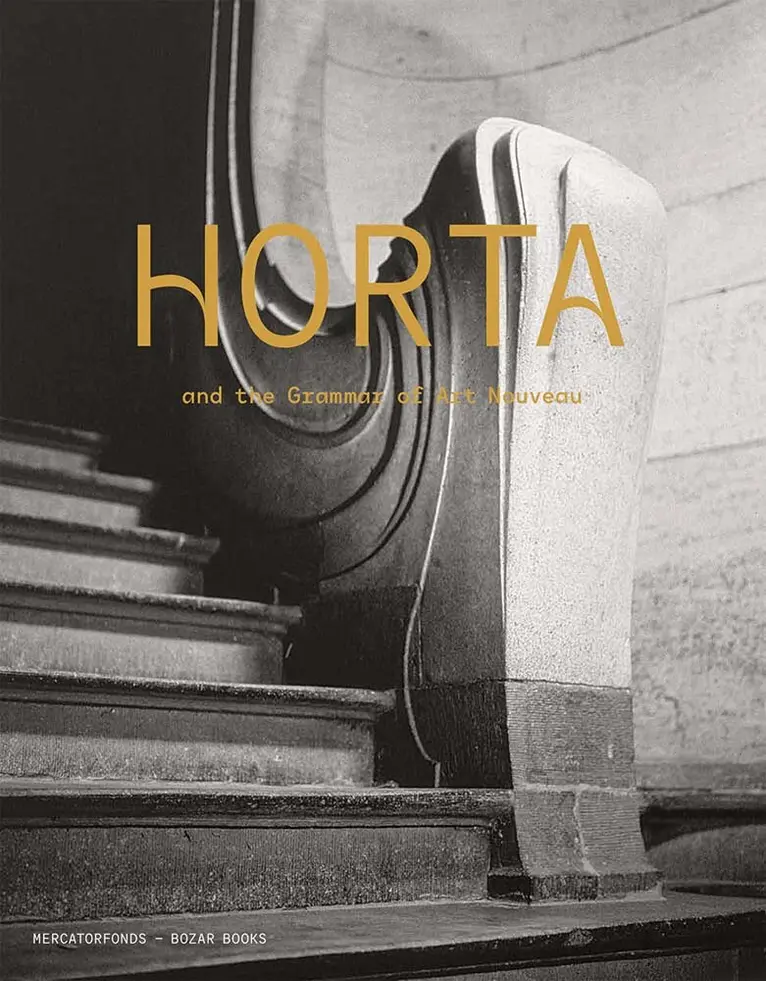
What remains of Horta’s Art Nouveau, apart from his style and typical plant-related vocabulary? Horta and the Grammar of Art Nouveau offers an innovative analysis of the architectural approach of Victor Horta, the Belgian architect whose creations between 1893 and 1905 were seminal for the development of Art Nouveau architecture. The first part of the book sheds a new light on the toolbox of Victor Horta by focusing on the architectural sources of one specific work, the Tassel house. It gives an insight into where and how Horta conceived his designs. The second part discusses fundamental themes of Horta’s architecture, such as the rhetorical use of structure, the innovative use of materials, and the use of light in the development of the dynamic plan. The third part explores the relation between Horta’s invention of Art Nouveau and the colonial enterprise of King Leopold II. This publication is illustrated with maps, plans, and unpublished photographic material commissioned by Victor Horta. Distributed for Mercatorfonds
513 kr
Skickas inom 7-10 vardagar
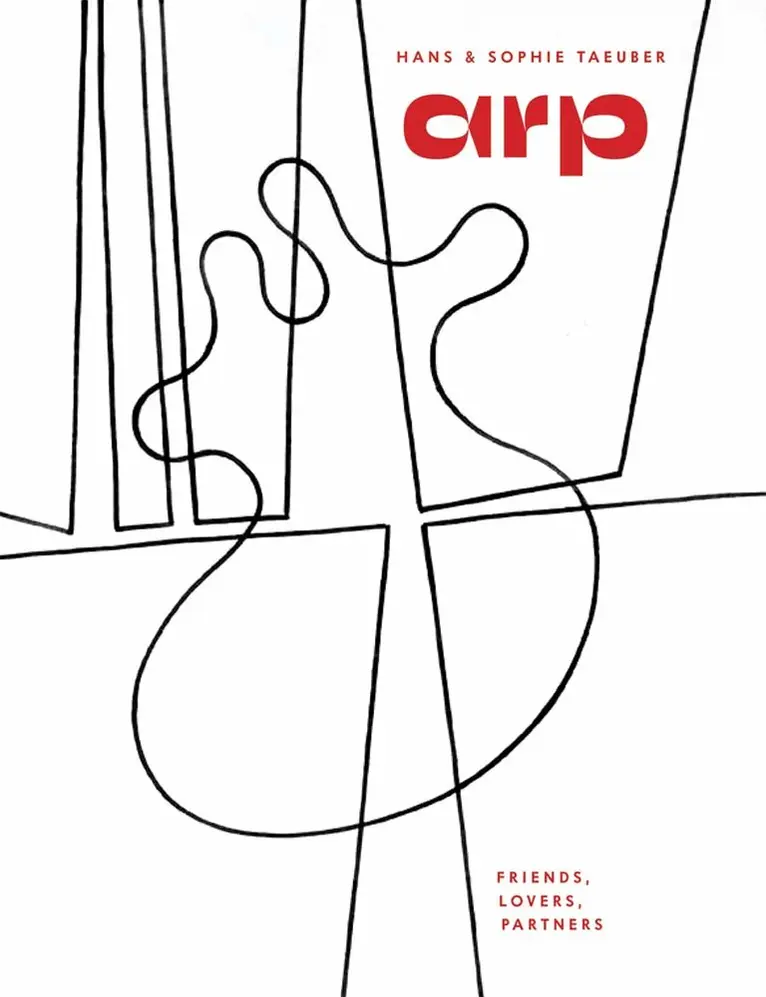
As pioneers of abstract art Hans (Jean) Arp and Sophie Taeuber‑Arp created a unique body of work. They met in Zurich in 1915 and never left each other's side, from drawing to construction, from textile to wall paintings. Sophie Taeuber-Arp and Hans (Jean) Arp gave rhythm to their lives, opening up geometric and organic abstraction to dance, decor, architecture, sculpture, and the applied arts.Thanks to new research and sources, this publication follows in the couple's footsteps from their first encounter, to work made by Arp in remembrance of Taeuber-Arp following her sudden death. The publication includes works of across a range of genres found in both artists' work, such as collage, design, drawing, and illustrated books, jewellery, painting, photography, reliefs, sculpture, and textiles—demonstrating the equal importance of applied and free art for both artists.
291 kr
Skickas inom 7-10 vardagar
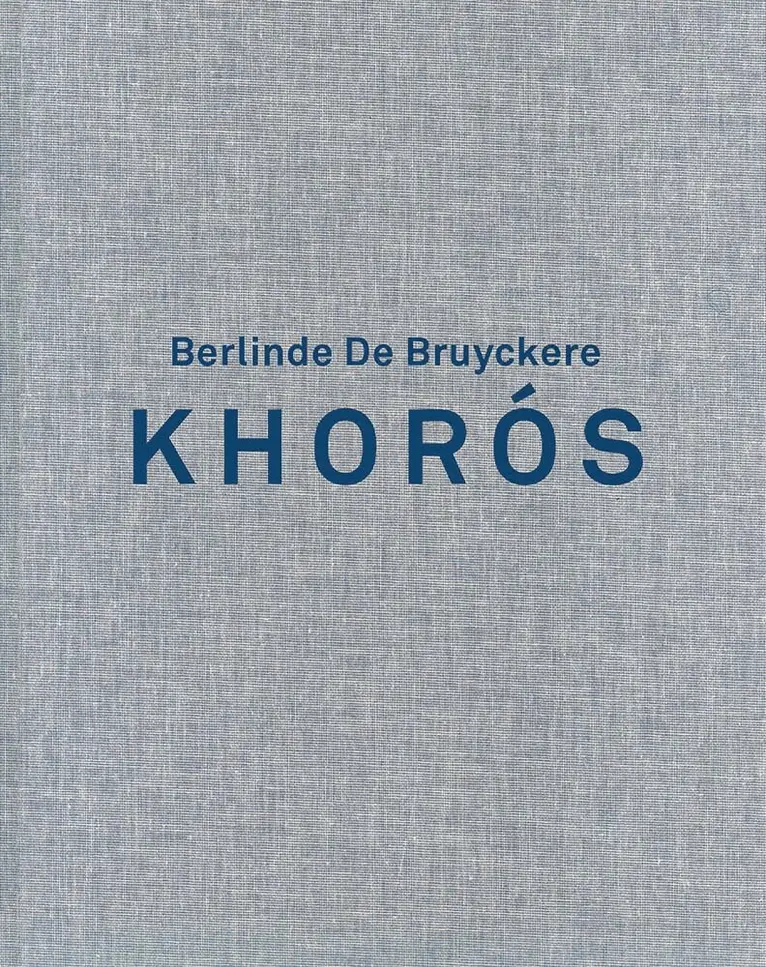
This book highlights a rich blend of acclaimed Belgian artist Berlinde De Bruyckere's (1960, Gent, Belgium) earlier and newer works, interwoven with artistic dialogues featuring figures like Lucas Cranach, Peter Buggenhout, Pier Paolo Pasolini, and Patti Smith.
405 kr
Skickas inom 7-10 vardagar
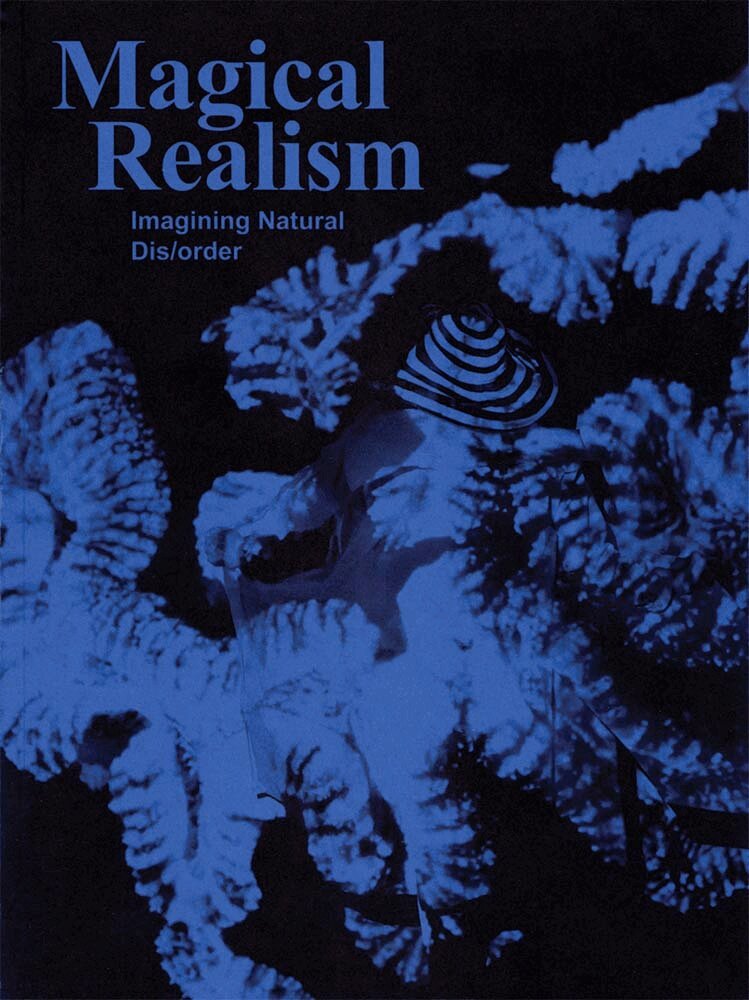
Magical Realism explores the convergence of artistic expressions with scientific and cosmogonic narratives, blending myths, theories, and cosmologies that track the histories of the universe, its organisms, and its elements.For centuries, Western philosophy has prioritised Reason over embodied knowledge, positioning Man as the dominant force over Nature, which was revered as sublime and exploited for capitalist growth. In an era where the limits of natural resources are undeniable, this worldview is now facing its limits. Magical Realism challenges the nature-culture divide, offering new collaborations between scientific observation and mythical storytelling. It examines how these realms can intertwine to reveal fresh insights, from the microscopic to the technological, while questioning extractivist and productivist ideologies.As an extension of the threads running through the art exhibition, the book brings together existing and newly commissioned works of art and texts by leading contemporary thinkers who navigate the intersection of poetics, ecology, science, and the humanities. Following The Absent Museum (2017) and Risquons-Tout (2020), Magical Realism is the third in a series of ambitious large-scale exhibitions in which WIELS engages with specific patterns within contemporary artistic practice, underscoring the necessity for transformation, on an aesthetic level as well as within wider economic, ecological, social, and political shifts.Exhibtion ScheduleWIELS Contemporary Art Center, Brussels, Belgium,29 May – 28 September 2025Magical Realism explores the convergence of artistic expressions with scientific and cosmogonic narratives, blending myths, theories, and cosmologies that track the histories of the universe, its organisms, and its elements.For centuries, Western philosophy has prioritized Reason over embodied knowledge, positioning Man as the dominant force over Nature, which was both revered as sublime and exploited for capitalist growth. In an era where the limits of natural resources are undeniable, this worldview is now facing its limits. Magical Realism challenges the nature-culture divide, offering new collaborations between scientific observation and mythical storytelling. It examines how these realms can intertwine to reveal fresh insights, from the microscopic to the technological, while questioning extractivist and productivist ideologies.As an extension of the threads running through the art exhibition, the book brings together existing and newly commissioned works of arts and texts by leading contemporary thinkers who navigate the intersection of poetics, ecology, science and humanities. Following The Absent Museum (2017) and Risquons-Tout (2020), Magical Realism is the third in a series of ambitious large-scale exhibitions in which WIELS engages with specific patterns within contemporary artistic practice, underscoring the necessity for transformation, on an aesthetic level as well as within wider economic, ecological, social, and political shifts.WIELS Contemporary Art Center, Brussels, Belgium,29 May – 28 September 2025Magical Realism explores the convergence of artistic expressions with scientific and cosmogonic narratives, blending myths, theories, and cosmologies that track the histories of the universe, its organisms, and its elements.For centuries, Western philosophy has prioritized Reason over embodied knowledge, positioning Man as the dominant force over Nature, which was both revered as sublime and exploited for capitalist growth. In an era where the limits of natural resources are undeniable, this worldview is now facing its limits. Magical Realism challenges the nature-culture divide, offering new collaborations between scientific observation and mythical storytelling. It examines how these realms can intertwine to reveal fresh insights, from the microscopic to the technological, while questioning extractivist and productivist ideologies.As an extension of the threads running through the art exhibition, the book brings together existing and newly commissioned works of arts and texts by leading contemporary thinkers who navigate the intersection of poetics, ecology, science and humanities. Following The Absent Museum (2017) and Risquons-Tout (2020), Magical Realism is the third in a series of ambitious large-scale exhibitions in which WIELS engages with specific patterns within contemporary artistic practice, underscoring the necessity for transformation, on an aesthetic level as well as within wider economic, ecological, social, and political shifts.WIELS Contemporary Art Center, Brussels, Belgium,29 May – 28 September 2025