Migrations in South Asia - Böcker
Visar alla böcker i serien Migrations in South Asia. Handla med fri frakt och snabb leverans.
6 produkter
6 produkter
2 113 kr
Skickas inom 10-15 vardagar
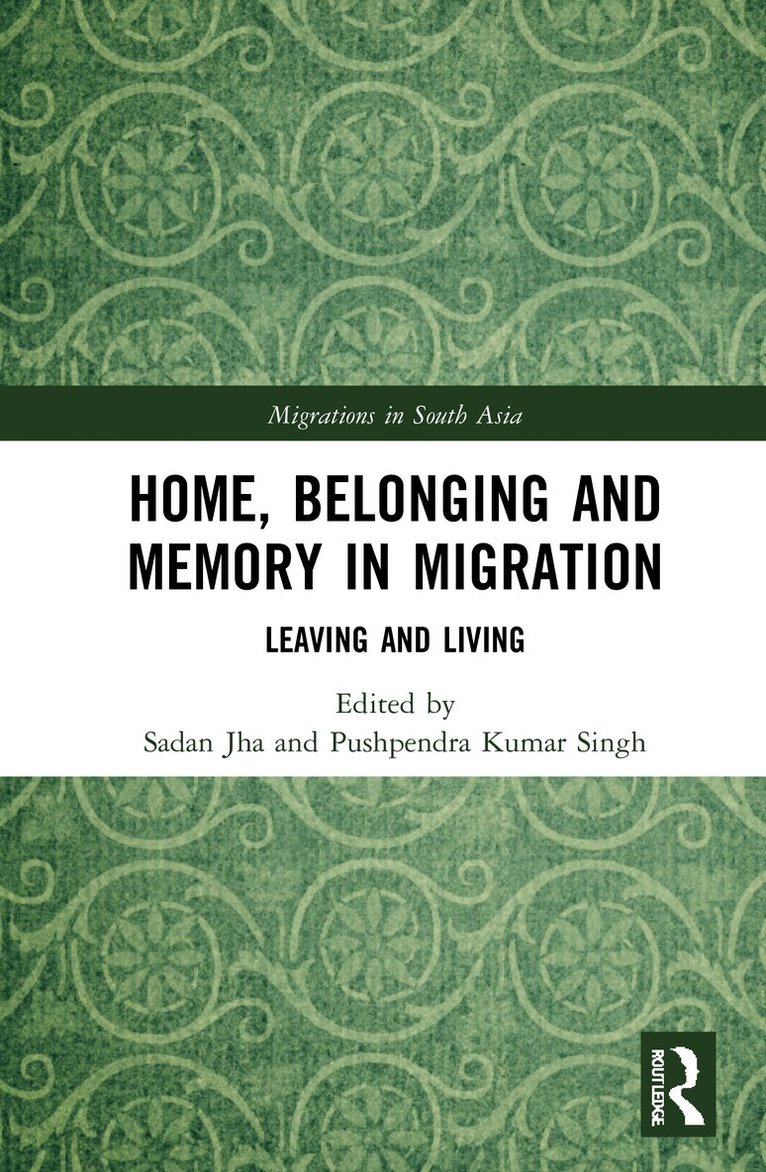
This volume explores ideas of home, belonging and memory in migration through the social realities of leaving and living. It discusses themes and issues such as locating migrant subjectivities and belonging; sociability and wellbeing; the making of a village; bondage and seasonality; dislocation and domestic labour; women and work; gender and religion; Bhojpuri folksongs; folk music; experience; and the city to analyse the social and cultural dynamics of internal migration in India in historical perspectives. Departing from the dominant understanding of migration as an aberration impelled by economic factors, the book focuses on the centrality of migration in the making of society. Based on case studies from an array of geo-cultural regions from across India, the volume views migrants as active agents with their own determinations of selfhood and location.Part of the series Migrations in South Asia, this book will be useful to scholars and researchers of migration studies, refugee studies, gender studies, development studies, social work, political economy, social history, political studies, social and cultural anthropology, exclusion studies, sociology, and South Asian Studies.
618 kr
Skickas inom 10-15 vardagar
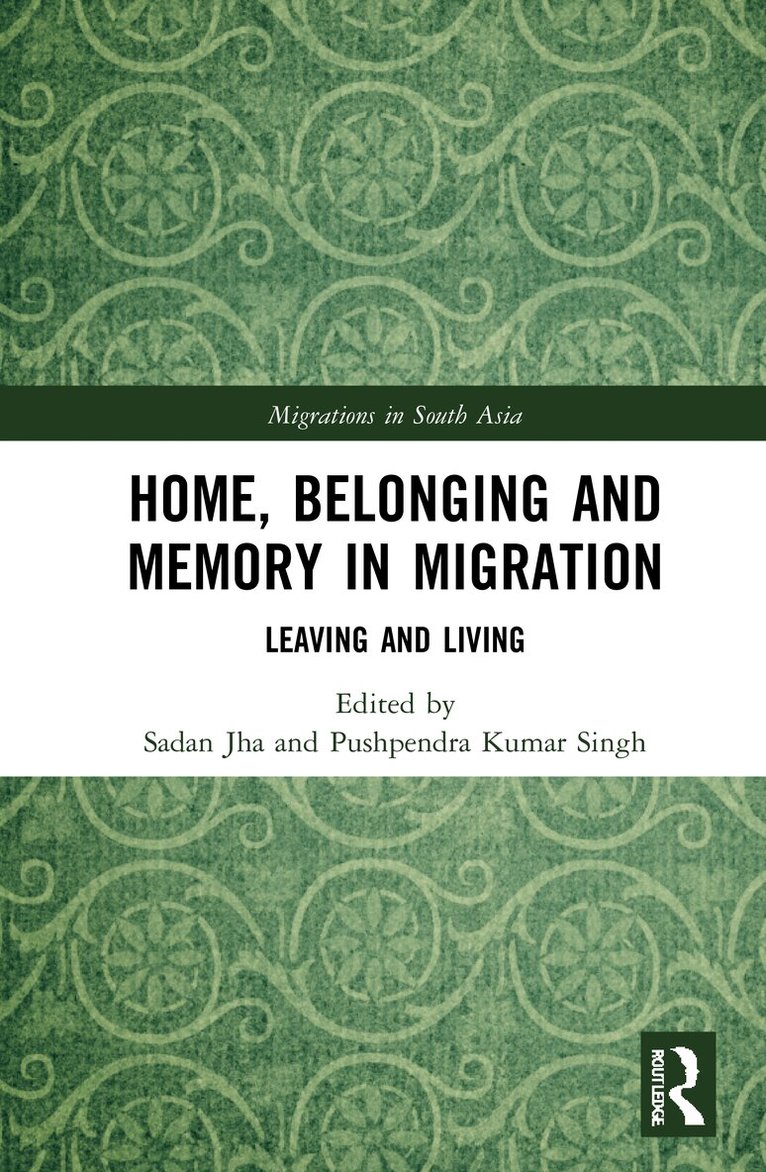
This volume explores ideas of home, belonging and memory in migration through the social realities of leaving and living. It discusses themes and issues such as locating migrant subjectivities and belonging; sociability and wellbeing; the making of a village; bondage and seasonality; dislocation and domestic labour; women and work; gender and religion; Bhojpuri folksongs; folk music; experience; and the city to analyse the social and cultural dynamics of internal migration in India in historical perspectives. Departing from the dominant understanding of migration as an aberration impelled by economic factors, the book focuses on the centrality of migration in the making of society. Based on case studies from an array of geo-cultural regions from across India, the volume views migrants as active agents with their own determinations of selfhood and location.Part of the series Migrations in South Asia, this book will be useful to scholars and researchers of migration studies, refugee studies, gender studies, development studies, social work, political economy, social history, political studies, social and cultural anthropology, exclusion studies, sociology, and South Asian Studies.
1 909 kr
Skickas inom 10-15 vardagar
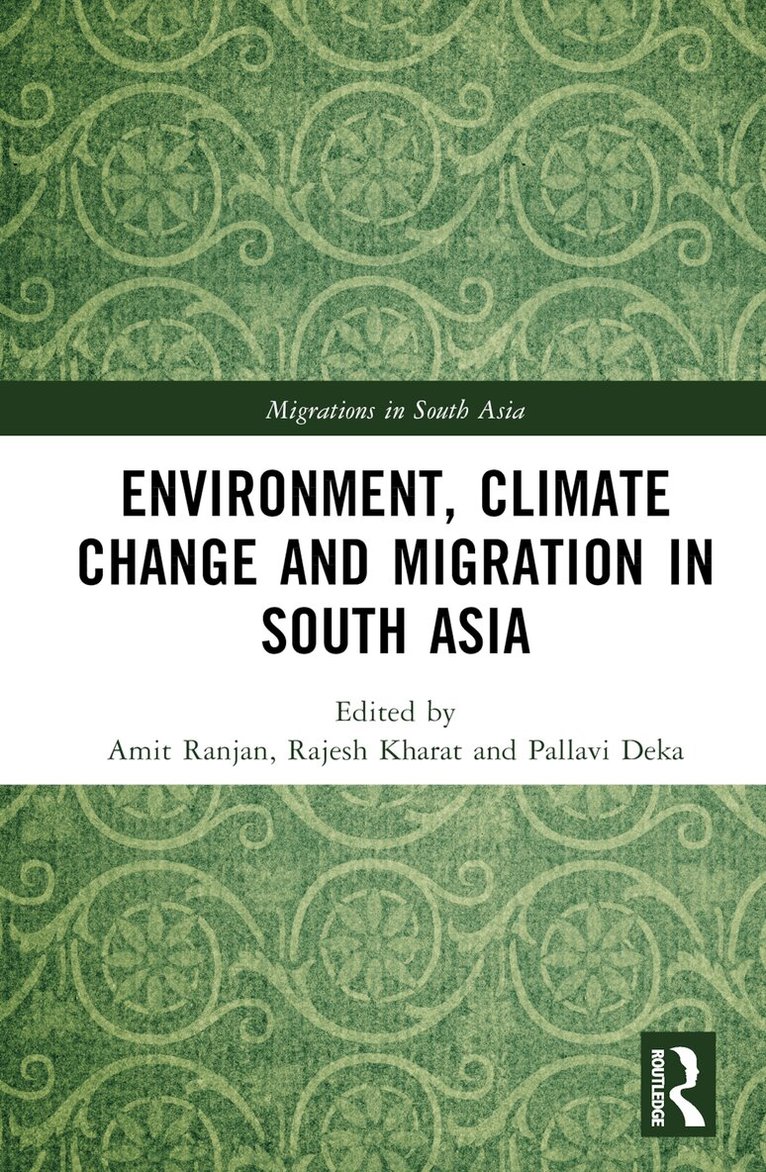
Climate change has been fueling migration, and, according to some policy reports, there could more than one billion climate migrants/refugees across the world by 2050. In South Asia, disasters, environmental degradation, and climate change are increasing the number of migrants every year. In South Asia, like other parts of the world, migrants and displaced people mainly move within their respective countries, but some cross the porous border. At most places, the migrants and displaced people face hostile situation as they are not welcome by their local host population. The chapters in the book highlight the challenges and inadequacies of governments and communities in protecting the environment as well as the disproportionate effect that climate change has on the poor and marginalized groups. The book also discusses the gendered experiences of climate-related migrations and policy measures which need to be implemented to counter forced displacements and environment degradation along with the legal and institutional resources which could help mitigate climate change and protect climate refugees. This book will be of interest to students and researchers of development studies, ecology and environment, migration, sociology, law and governance, human ecology, climate change and economics.
564 kr
Skickas inom 10-15 vardagar
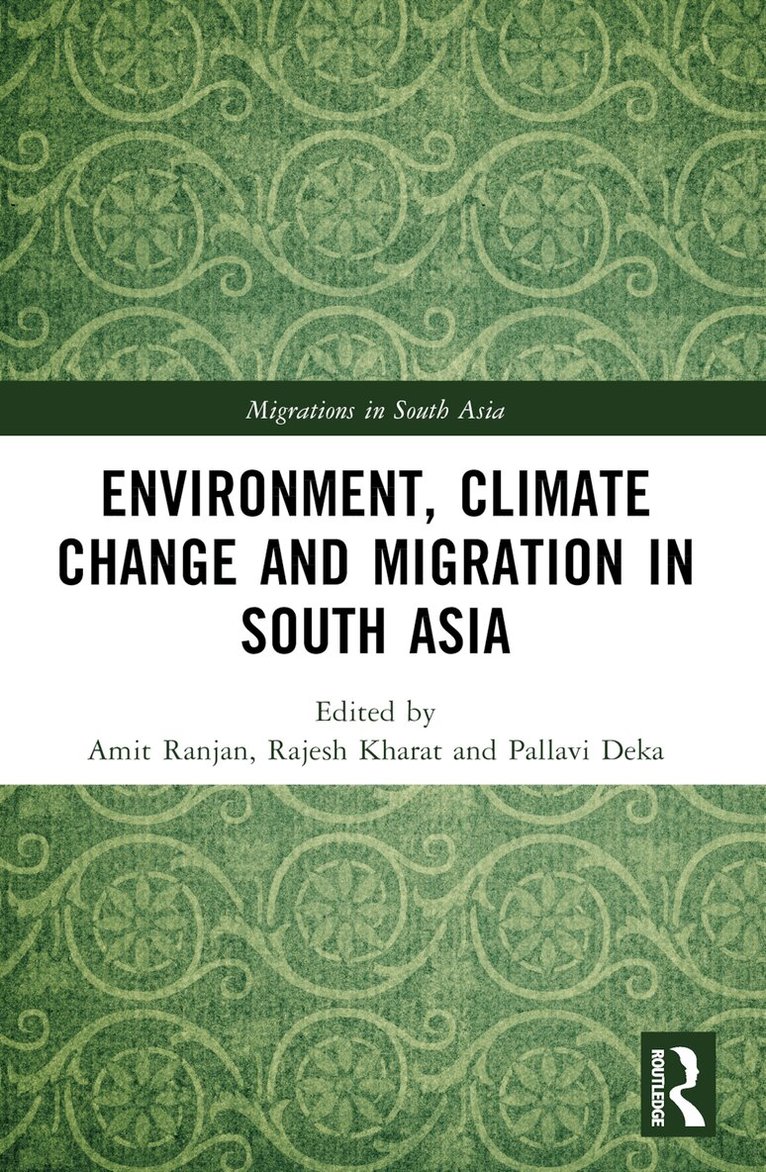
Climate change has been fueling migration, and, according to some policy reports, there could more than one billion climate migrants/refugees across the world by 2050. In South Asia, disasters, environmental degradation, and climate change are increasing the number of migrants every year. In South Asia, like other parts of the world, migrants and displaced people mainly move within their respective countries, but some cross the porous border. At most places, the migrants and displaced people face hostile situation as they are not welcome by their local host population. The chapters in the book highlight the challenges and inadequacies of governments and communities in protecting the environment as well as the disproportionate effect that climate change has on the poor and marginalized groups. The book also discusses the gendered experiences of climate-related migrations and policy measures which need to be implemented to counter forced displacements and environment degradation along with the legal and institutional resources which could help mitigate climate change and protect climate refugees. This book will be of interest to students and researchers of development studies, ecology and environment, migration, sociology, law and governance, human ecology, climate change and economics.
2 176 kr
Skickas inom 10-15 vardagar
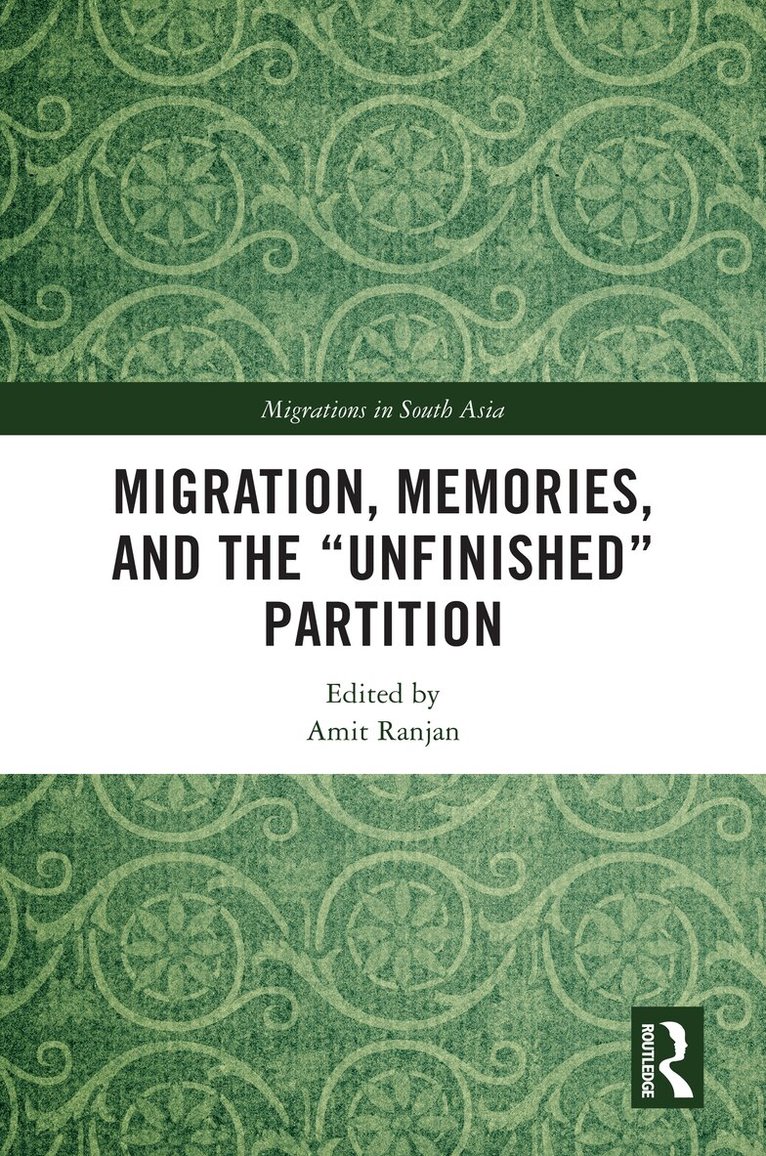
This book looks at migration through the lens of the Partition of India in 1947. The Partition uprooted millions of people from their homelands. This volume examines the initial difficulties faced by the refugees in settling down in their adopted land. It analyses the state’s efforts in facilitating the movement of refugees, the processes it initiated to resettle them after Partition, and the extent to which it was successful. This book also investigates the links between socio-political developments in contemporary India, Pakistan, and Bangladesh as a result of the Partition.Drawing on archival sources, oral histories and literary representations, the contributing authors discuss and analyse the experiences of the migrated population. Part of the Migrations in South Asia series, this book will be an important read for scholars and researchers of migration studies, refugee studies, Partition studies, Indian history, Indian politics, and South Asian studies.
651 kr
Skickas inom 10-15 vardagar
This book looks at migration through the lens of the Partition of India in 1947. The Partition uprooted millions of people from their homelands. This volume examines the initial difficulties faced by the refugees in settling down in their adopted land. It analyses the state’s efforts in facilitating the movement of refugees, the processes it initiated to resettle them after Partition, and the extent to which it was successful. This book also investigates the links between socio-political developments in contemporary India, Pakistan, and Bangladesh as a result of the Partition.Drawing on archival sources, oral histories and literary representations, the contributing authors discuss and analyse the experiences of the migrated population. Part of the Migrations in South Asia series, this book will be an important read for scholars and researchers of migration studies, refugee studies, Partition studies, Indian history, Indian politics, and South Asian studies.