Military Profession - Böcker
Visar alla böcker i serien Military Profession. Handla med fri frakt och snabb leverans.
2 produkter
2 produkter
1 513 kr
Skickas inom 3-6 vardagar
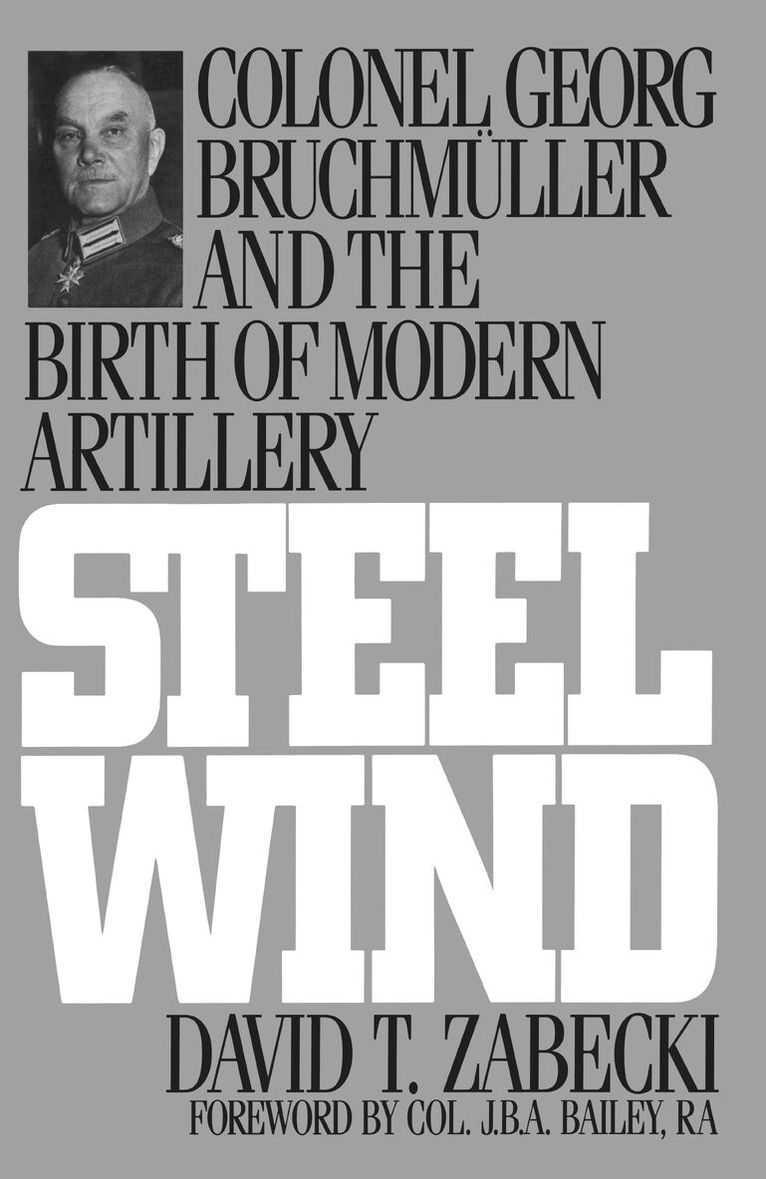
Steel Wind is a piece of historical detective work that explains how Colonel Georg Bruchmuller, an obscure German artillery officer recalled from retirement, played a pivotal role in the revolution of offensive tactics that took place in 1917-18. Ironically, the methods developed by Bruchmuller ultimately were rejected by the German Army of World War II, but they were taken up and applied with a vengeance by the emerging Red Army. The Soviets further developed Bruchmuller's principles and incorporated them into their doctrine, where they remain to this day. Through Soviet doctrine, they have become fundamental to the practice of many other armies. Bruchmuller's influence in shaping the former Soviet Army has also been mirrored in the shape of those armies designed to oppose it.
1 009 kr
Skickas inom 10-15 vardagar
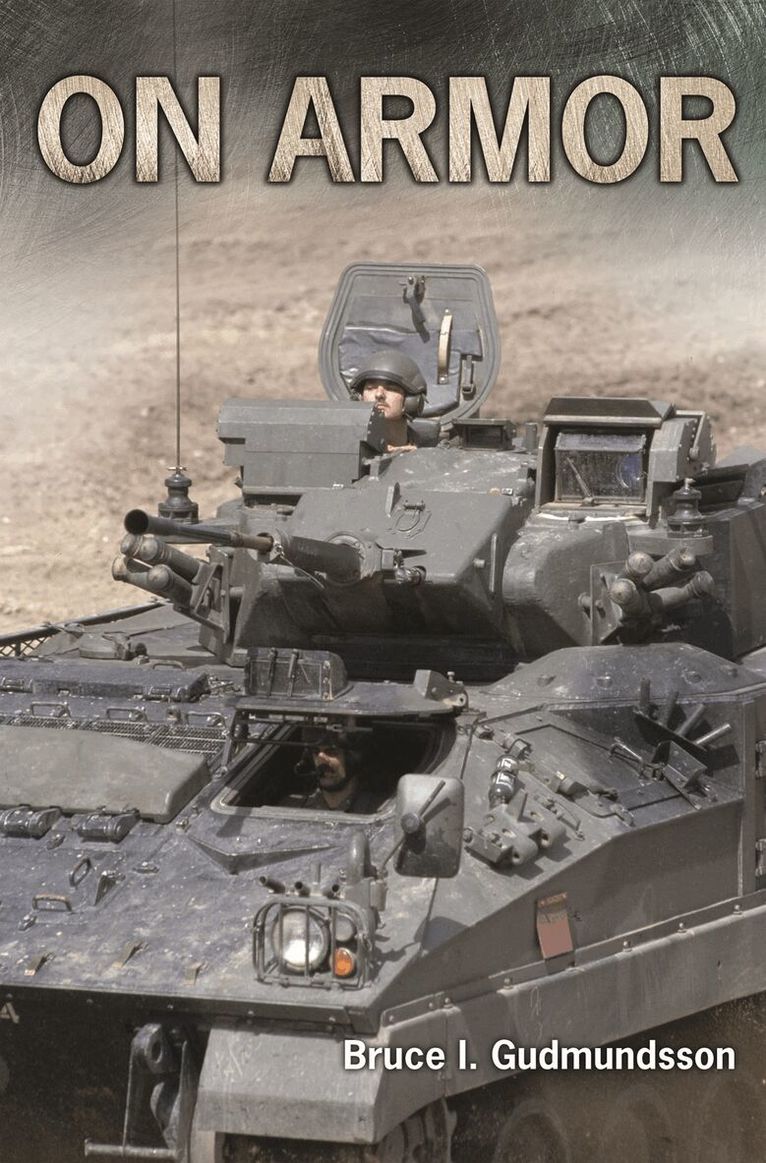
On Armor tells three important and interconnected stories. The first is a tale of a technology, in particular, the rise and fall of the main battle tank—a type of armored vehicle that came to dominate land warfare in the middle of the 20th century but is now obsolete. The second is a history of ideas. The problem that armored vehicles created for 20th-century armies was as much about concepts of operation as it was about technology. Those who got the philosophy right did well. Those who lacked either the imagination or the intellectual capital to understand the rapidly evolving potential of the armored vehicle failed miserably. The third story is one of organization. Gudmundsson pays particular attention to how armored vehicles were combined with other forces to form an extraordinarily rich variety of units and formations. He also comments on the current and future roles various types of armor will play on the battlefield.The main battle tank is probably the single most important fighting vehicle of the 20th century. At the same time, as Gudmundsson makes clear, it is only one of the many different types of armored vehicle that have played an important role in recent warfare. Neither the past glory nor the current obsolescence of the main battle tank can be understood without reference to vehicles such as the armored car, assault guns of various kinds, armored engineer vehicles, and armored personnel carriers. This text also explores the role that mobile operations in World War I played in fostering the development of armored warfare; the rapid decline of the French Army from its highpoint as the leading tank army in the world; the role that weapons other than the tank played in the rise of the German armored force; and the relationship between British ideas of armored warfare and the growth of the American armored force in World War I.