Nano and Energy - Böcker
Visar alla böcker i serien Nano and Energy. Handla med fri frakt och snabb leverans.
19 produkter
19 produkter
1 886 kr
Skickas inom 10-15 vardagar
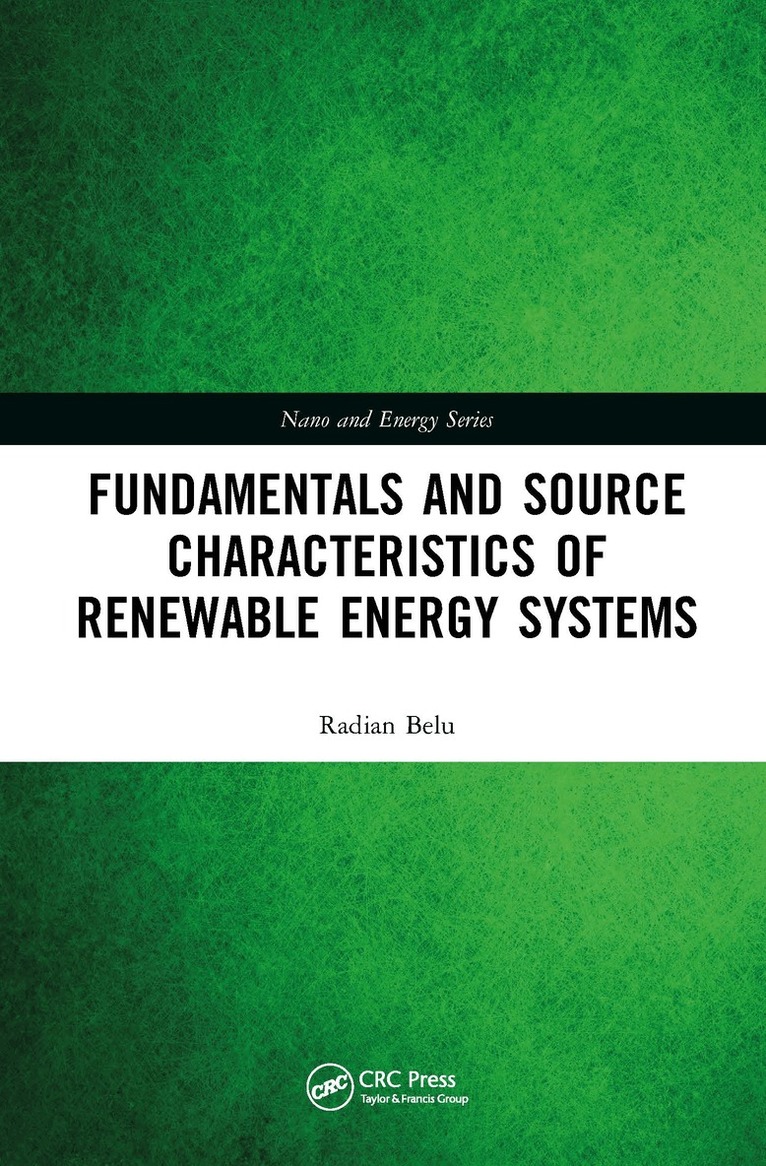
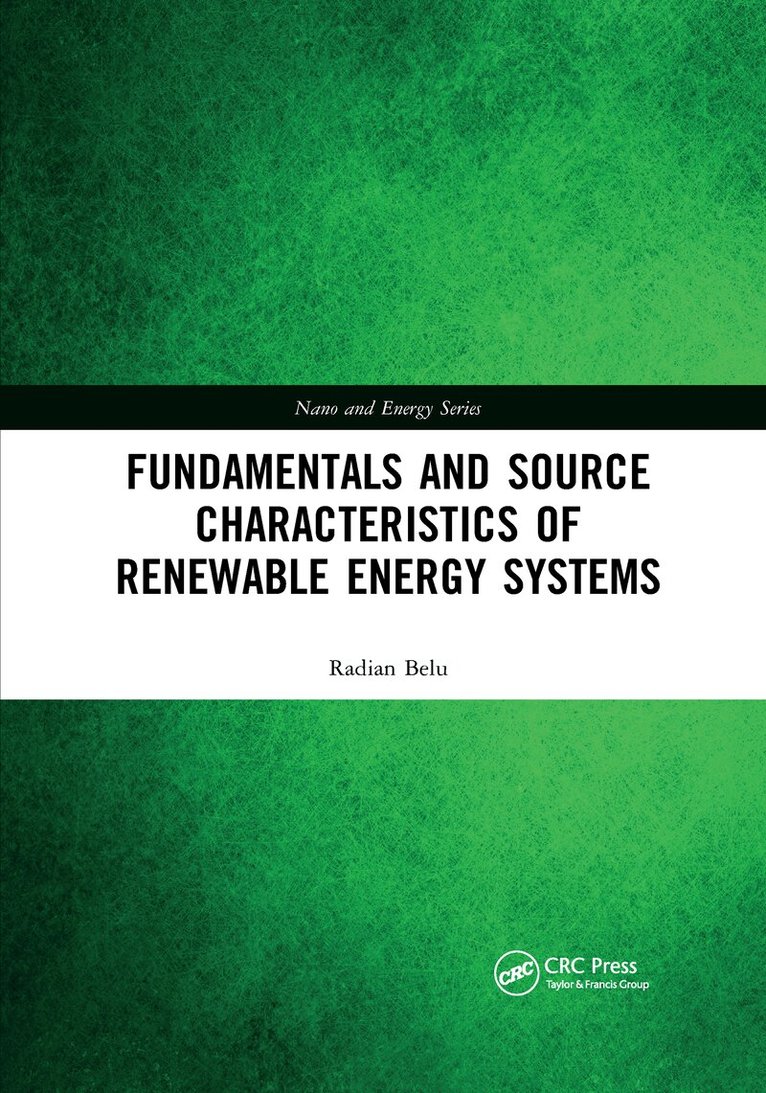
This textbook is intended for an audience with little or no power engineering or renewable energy background. The book covers electric energy from alternative energy sources, including solar, wind, water, hydropower, geothermal, and ocean energy. Core issues discussed include wind and solar resource estimates and analysis, solar thermal systems, solar collectors, photovoltaics, wind turbines, geothermal energy, energy small hydropower, wave, tide and ocean energy, and characteristics of energy conversion, control, and electrical aspects. This is one of the most comprehensive textbooks for students, engineers, and professionals who study renewable energy. There are several questions and problems, presented with increasing difficulty, most of which focus on practical applications. The materials and problems are drawn from the author’s extensive experience in renewable energy analysis, assessment, design, control, and the power electronics of wind and solar energy conversion systems. Each section of the book contains several solved examples, as well as practical and advanced discussions, that instill critical thinking and apply to industrial applications. The book is divided into eight chapters and covers the most important aspects of renewable energy sources and technologies.
1 886 kr
Skickas inom 10-15 vardagar
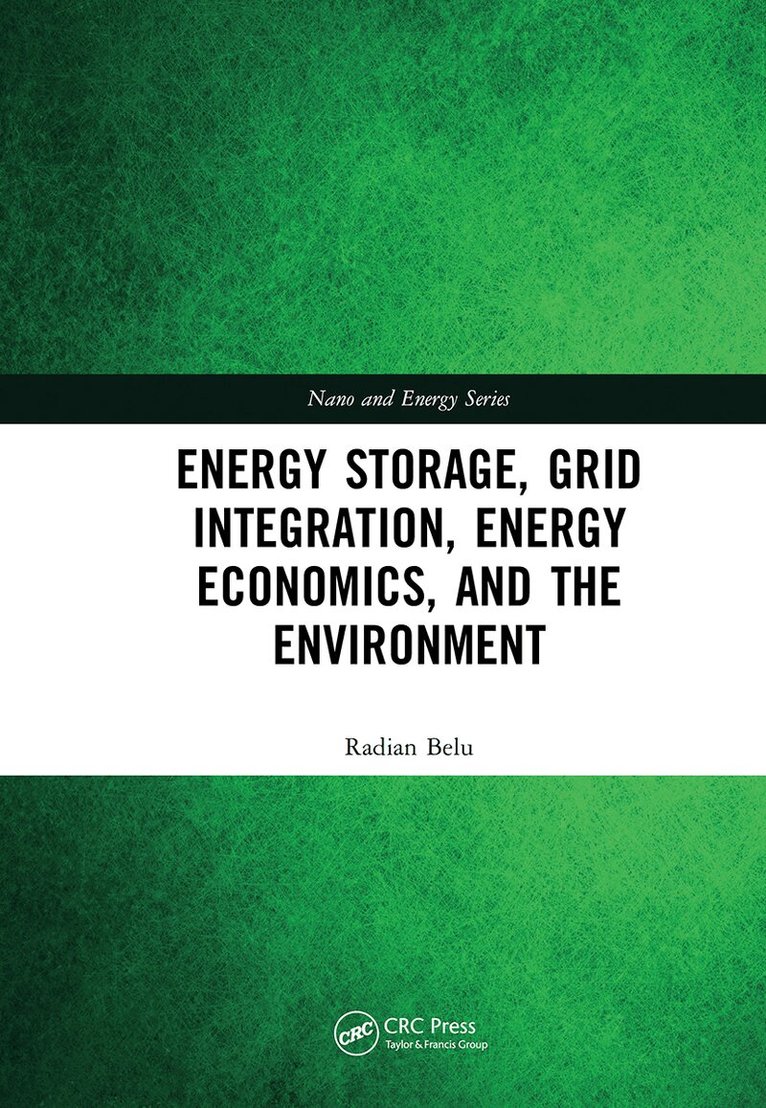
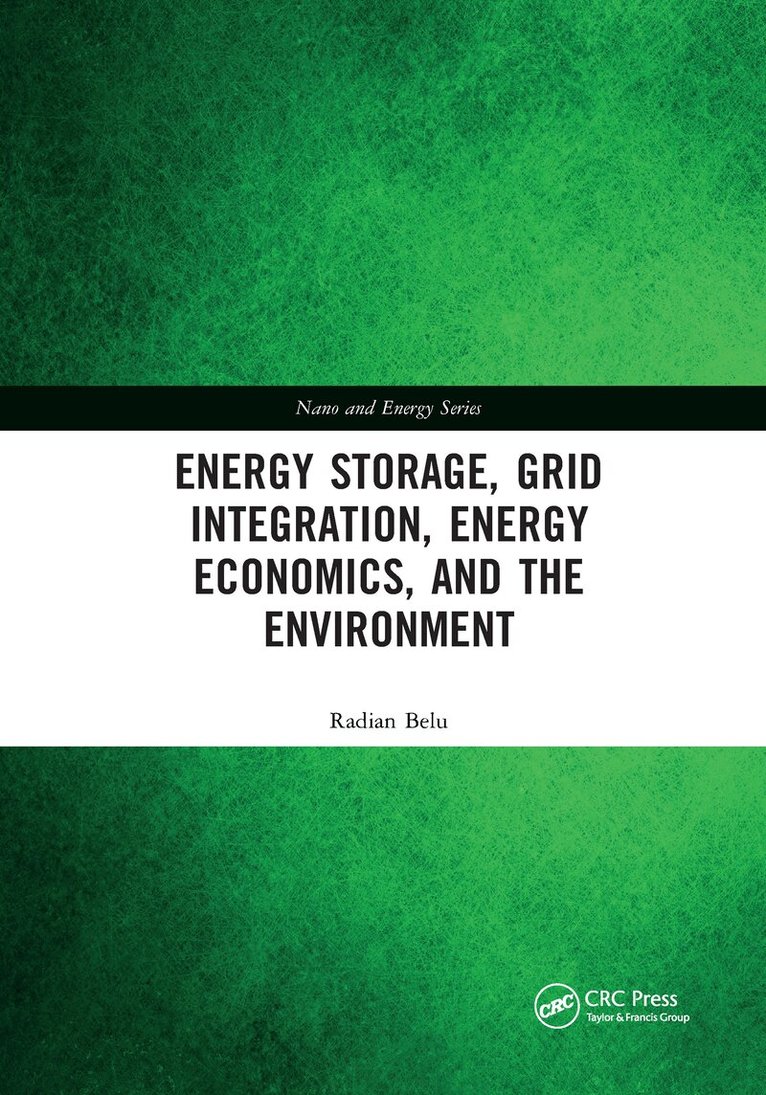
The book covers energy storage systems, bioenergy and hydrogen economy, grid integration of renewable energy systems, distributed generation, economic analysis, and environmental impacts of renewable energy systems. The overall approaches are interdisciplinary and comprehensive, covering economic, environmental, and grid integration issues as well as the physical and engineering aspects. Core issues discussed include mechanical, electrical, and thermal energy storage systems, batteries, fuel cells, biomass and biofuels, hydrogen economy, distributed generation, a brief presentation of microgrids, and in-depth discussions of economic analysis and methods of renewable energy systems, environmental impacts, life-cycle analysis, and energy conservation issues. With several solved examples, holistic material presentation, in-depth subject matter discussions and self-content material presentation, this textbook will appeal strongly to students and professional and nonprofessional readers who wish to understand this fascinating subject. Readers are encouraged to solve the problems and questions, which are useful ways to understand and apply the concepts and the topics included.
818 kr
Skickas inom 10-15 vardagar
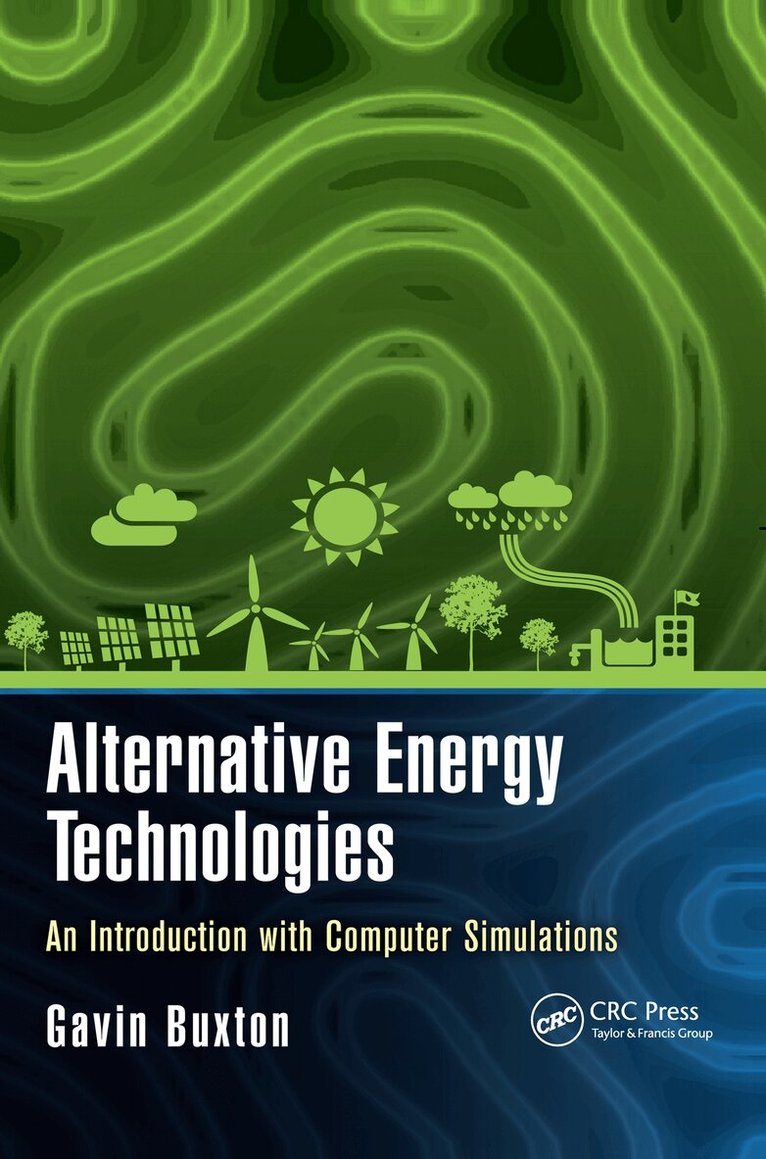
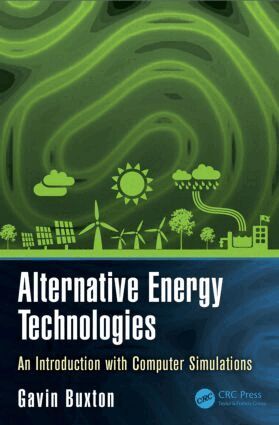
Alternative energy sources are becoming increasingly important in a world striving for energy independence, clean air, and a reprieve from global warming. Solar cells, wind power, and biofuels are some of the competing alternative energy sources hoping to gain a foothold in our future energy mix, and the economic advantages of these technologies are continually increasing as costs are reduced and efficiencies increased. Alternative Energy Technologies: An Introduction with Computer Simulations explores the science and engineering behind a number of emerging alternative energy technologies, including polymer solar cells, algae biofuels, and artificial leaves. It also addresses the environmental need for these technologies. However, unlike its predecessors, this book employs simple computer models implemented within spreadsheet environments to simulate different aspects of the alternative energy technologies and therefore teach the subject matter. This unique approach:Provides a dual introduction to alternative energy technologies and computer simulationElucidates the fundamental behaviors and complex interactions within the alternative energy systemsMakes computer simulation straightforward and accessible to readers with no prior programming experienceFeaturing investigative exercises that deepen understanding and inspire further research, Alternative Energy Technologies: An Introduction with Computer Simulations makes an ideal introductory textbook for undergraduate students and a valuable professional reference for experimental researchers.
634 kr
Skickas inom 10-15 vardagar
Interest in the history of the workplace is on the rise. Recent work in this area has combined traditional methods and theories of social history with new approaches and new questions. It constitutes a ‘topical contact zone’, a particularly dynamic field of research at the junction of social history, history of occupational health and safety, history of technology and the industrial environment. This book focuses on the new approaches in this important and growing area and their possible range of influence. These new attempts to rewrite a history of the workplace are multiple - and in some cases disparate - but share many key characteristics. They are turning away from the assumption that class and class conflict is the prime mover in social history, abandoning the traditional binomial workers vs. entrepreneurs perspective which had long sustained the historical perspective on labour. Moreover, as this collections outlines, these new attempts concentrate on the analysis of complex social networks of actors that defined and configured industrial workplaces, suggesting a broadening of possible social actors. This book was originally published as a special issue of the European Review of History.
712 kr
Skickas inom 10-15 vardagar
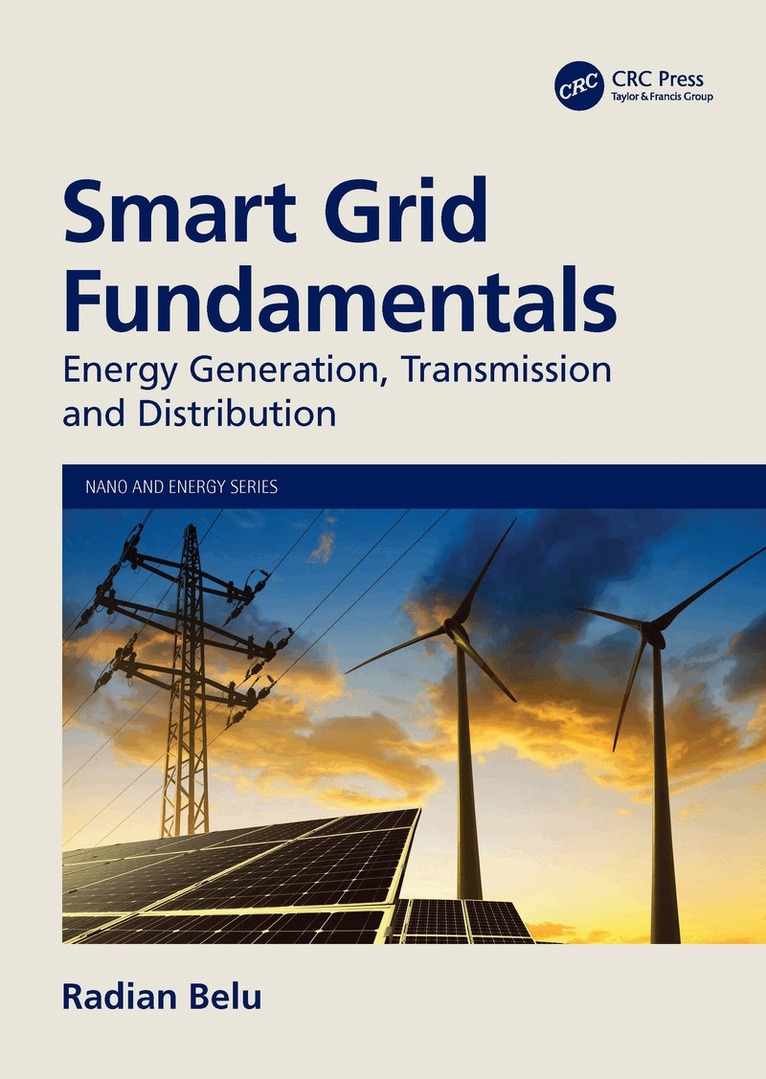
This textbook provides a comprehensive overview of smart grids, their role in the development of new electricity systems, as well as issues and problems related to smart grid evolution, operation, management, control, protection, entities and components.The book consists of eleven chapters, covering core topics such as energy, environmental issues, basic of power systems, introduction to renewable energy, distributed generation and energy storage, smart grid challenges, benefits and drivers, smart power transmission and distribution. It includes chapters focusing on smart grid communication, power flow analysis, smart grid design tools, energy management and microgrids. Each chapter ends with several practical and advanced problems that instilling critical thinking and applies to industrial applications.The book can be used as an introductory and basic textbook, reference and training resource by engineers, students, faculty and interested readers to gain the essential knowledge of the power and energy systems, smart grid fundamentals, concepts and features, as well as the main energy technologies, including how they work and operate, characteristics and how they are evaluated and selected for specific applications.
1 670 kr
Skickas inom 10-15 vardagar
The Renewable Energy Systems: Fundamentals and Source Characteristics is a set book coming in two volumes. The first volume is named "Fundamentals and Source Characteristics of Renewable Energy Systems". It will cover electric energy from alternative energy sources including solar, wind, water, hydropower, geothermal and ocean energy. This textbook is intended for an audience with little or no power engineering or renewable energy background.The second volume is called "Energy Storage, Grid Integration, Energy Economics and the Environment". This book will cover energy storage systems, bioenergy and hydrogen economy, grid integration of the renewable energy systems, distributed generation, economic analysis and environmental impacts of renewable energy systems. Solutions manual and Power Point slides are also included for instructors.
712 kr
Skickas inom 10-15 vardagar
This textbook is intended for an audience with little or no power engineering or renewable energy background. The book covers electric energy from alternative energy sources, including solar, wind, water, hydropower, geothermal, and ocean energy. Core issues discussed include wind and solar resource estimates and analysis, solar thermal systems, solar collectors, photovoltaics, wind turbines, geothermal energy, energy small hydropower, wave, tide and ocean energy, and characteristics of energy conversion, control, and electrical aspects. This is one of the most comprehensive textbooks for students, engineers, and professionals who study renewable energy. There are several questions and problems, presented with increasing difficulty, most of which focus on practical applications. The materials and problems are drawn from the author’s extensive experience in renewable energy analysis, assessment, design, control, and the power electronics of wind and solar energy conversion systems. Each section of the book contains several solved examples, as well as practical and advanced discussions, that instill critical thinking and apply to industrial applications. The book is divided into eight chapters and covers the most important aspects of renewable energy sources and technologies.
712 kr
Skickas inom 10-15 vardagar
The book covers energy storage systems, bioenergy and hydrogen economy, grid integration of renewable energy systems, distributed generation, economic analysis, and environmental impacts of renewable energy systems. The overall approaches are interdisciplinary and comprehensive, covering economic, environmental, and grid integration issues as well as the physical and engineering aspects. Core issues discussed include mechanical, electrical, and thermal energy storage systems, batteries, fuel cells, biomass and biofuels, hydrogen economy, distributed generation, a brief presentation of microgrids, and in-depth discussions of economic analysis and methods of renewable energy systems, environmental impacts, life-cycle analysis, and energy conservation issues. With several solved examples, holistic material presentation, in-depth subject matter discussions and self-content material presentation, this textbook will appeal strongly to students and professional and nonprofessional readers who wish to understand this fascinating subject. Readers are encouraged to solve the problems and questions, which are useful ways to understand and apply the concepts and the topics included.
1 105 kr
Skickas inom 10-15 vardagar
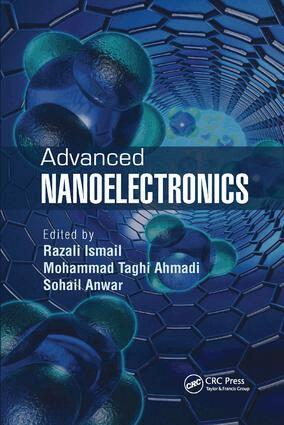
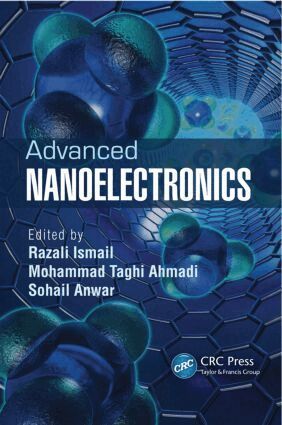
While theories based on classical physics have been very successful in helping experimentalists design microelectronic devices, new approaches based on quantum mechanics are required to accurately model nanoscale transistors and to predict their characteristics even before they are fabricated. Advanced Nanoelectronics provides research information on advanced nanoelectronics concepts, with a focus on modeling and simulation. Featuring contributions by researchers actively engaged in nanoelectronics research, it develops and applies analytical formulations to investigate nanoscale devices.The book begins by introducing the basic ideas related to quantum theory that are needed to better understand nanoscale structures found in nanoelectronics, including graphenes, carbon nanotubes, and quantum wells, dots, and wires. It goes on to highlight some of the key concepts required to understand nanotransistors. These concepts are then applied to the carbon nanotube field effect transistor (CNTFET).Several chapters cover graphene, an unzipped form of CNT that is the recently discovered allotrope of carbon that has gained a tremendous amount of scientific and technological interest. The book discusses the development of the graphene nanoribbon field effect transistor (GNRFET) and its use as a possible replacement to overcome the CNT chirality challenge. It also examines silicon nanowire (SiNW) as a new candidate for achieving the downscaling of devices. The text describes the modeling and fabrication of SiNW, including a new top-down fabrication technique. Strained technology, which changes the properties of device materials rather than changing the device geometry, is also discussed.The book ends with a look at the technical and economic challenges that face the commercialization of nanoelectronics and what universities, industries, and government can do to lower the barriers. A useful resource for professionals, researchers, and scientists, this work brings together state-of-the-art technical and scientific information on important topics in advanced nanoelectronics.
1 105 kr
Skickas inom 10-15 vardagar
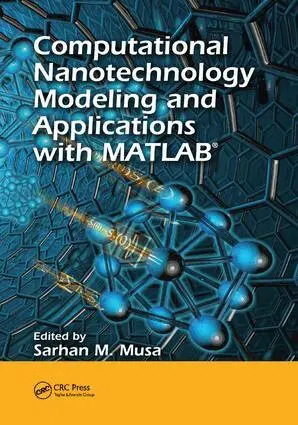
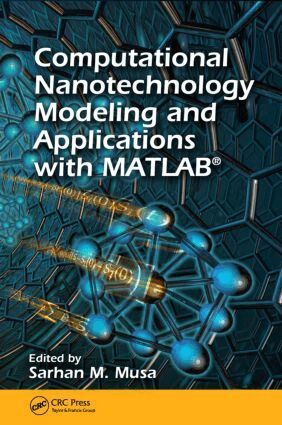
Applications of nanotechnology continue to fuel significant innovations in areas ranging from electronics, microcomputing, and biotechnology to medicine, consumer supplies, aerospace, and energy production. As progress in nanoscale science and engineering leads to the continued development of advanced materials and new devices, improved methods of modeling and simulation are required to achieve a more robust quantitative understanding of matter at the nanoscale. Computational Nanotechnology: Modeling and Applications with MATLAB® provides expert insights into current and emerging methods, opportunities, and challenges associated with the computational techniques involved in nanoscale research. Written by, and for, those working in the interdisciplinary fields that comprise nanotechnology—including engineering, physics, chemistry, biology, and medicine—this book covers a broad spectrum of technical information, research ideas, and practical knowledge. It presents an introduction to computational methods in nanotechnology, including a closer look at the theory and modeling of two important nanoscale systems: molecular magnets and semiconductor quantum dots. Topics covered include: Modeling of nanoparticles and complex nano and MEMS systems Theory associated with micromagnetics Surface modeling of thin films Computational techniques used to validate hypotheses that may not be accessible through traditional experimentation Simulation methods for various nanotubes and modeling of carbon nanotube and silicon nanowire transistorsIn regard to applications of computational nanotechnology in biology, contributors describe tracking of nanoscale structures in cells, effects of various forces on cellular behavior, and use of protein-coated gold nanoparticles to better understand protein-associated nanomaterials. Emphasizing the importance of MATLAB for biological simulations in nanomedicine, this wide-ranging survey of computational nanotechnology concludes by discussing future directions in the field, highlighting the importance of the algorithms, modeling software, and computational tools in the development of efficient nanoscale systems.
2 219 kr
Skickas inom 10-15 vardagar
Interest in the history of the workplace is on the rise. Recent work in this area has combined traditional methods and theories of social history with new approaches and new questions. It constitutes a ‘topical contact zone’, a particularly dynamic field of research at the junction of social history, history of occupational health and safety, history of technology and the industrial environment. This book focuses on the new approaches in this important and growing area and their possible range of influence. These new attempts to rewrite a history of the workplace are multiple - and in some cases disparate - but share many key characteristics. They are turning away from the assumption that class and class conflict is the prime mover in social history, abandoning the traditional binomial workers vs. entrepreneurs perspective which had long sustained the historical perspective on labour. Moreover, as this collections outlines, these new attempts concentrate on the analysis of complex social networks of actors that defined and configured industrial workplaces, suggesting a broadening of possible social actors. This book was originally published as a special issue of the European Review of History.
2 960 kr
Skickas inom 10-15 vardagar
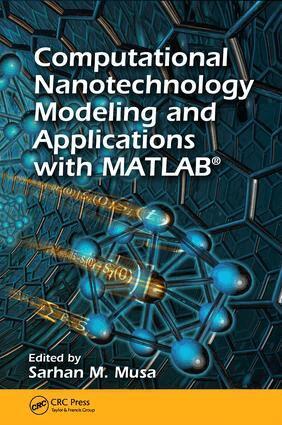
Applications of nanotechnology continue to fuel significant innovations in areas ranging from electronics, microcomputing, and biotechnology to medicine, consumer supplies, aerospace, and energy production. As progress in nanoscale science and engineering leads to the continued development of advanced materials and new devices, improved methods of modeling and simulation are required to achieve a more robust quantitative understanding of matter at the nanoscale. Computational Nanotechnology: Modeling and Applications with MATLAB® provides expert insights into current and emerging methods, opportunities, and challenges associated with the computational techniques involved in nanoscale research. Written by, and for, those working in the interdisciplinary fields that comprise nanotechnology—including engineering, physics, chemistry, biology, and medicine—this book covers a broad spectrum of technical information, research ideas, and practical knowledge. It presents an introduction to computational methods in nanotechnology, including a closer look at the theory and modeling of two important nanoscale systems: molecular magnets and semiconductor quantum dots. Topics covered include: Modeling of nanoparticles and complex nano and MEMS systems Theory associated with micromagnetics Surface modeling of thin films Computational techniques used to validate hypotheses that may not be accessible through traditional experimentation Simulation methods for various nanotubes and modeling of carbon nanotube and silicon nanowire transistorsIn regard to applications of computational nanotechnology in biology, contributors describe tracking of nanoscale structures in cells, effects of various forces on cellular behavior, and use of protein-coated gold nanoparticles to better understand protein-associated nanomaterials. Emphasizing the importance of MATLAB for biological simulations in nanomedicine, this wide-ranging survey of computational nanotechnology concludes by discussing future directions in the field, highlighting the importance of the algorithms, modeling software, and computational tools in the development of efficient nanoscale systems.
1 473 kr
Skickas inom 10-15 vardagar
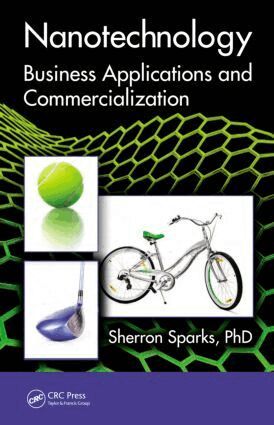
No longer the hidden genius of scientists, nanotechnology is now appearing in products manufactured for everyday life—products that can heal, save lives, be more durable, and last longer. It is also attracting the attention of investors interested in participating in this nano revolution. Nanotechnology: Business Applications and Commercializationis a guide for businesses, investors, and research universities who want to bring nanotechnology products to the commercial market. Showing how academia and business can partner to commercialize nanomaterial research, it delineates business aspects for scientists and highlights opportunities for business professionals.Some of the key topics covered include: Questions to ask before writing a business planProducts consumers are currently usingGrant and funding optionsStandardization that will affect domestic and international productionDangers that must be managed to ensure the safety of nanotechnologyCommercialization centers and organizations that provide supportBarriers to nanotechnology commercializationCompetitive factors that can help bring the international economy more stabilityAreas where nanotechnology is expandingThis timely book outlines how to harness nanotechnology innovations through the application of strong business principles, drive the standards and development, and take the knowledge to the commercial level with business applications. Filled with case studies and useful resources, it helps readers bridge the "valley of death"—the gap period in capital financing that exists between research and the market adoption of new technologies.
3 161 kr
Skickas inom 10-15 vardagar
While theories based on classical physics have been very successful in helping experimentalists design microelectronic devices, new approaches based on quantum mechanics are required to accurately model nanoscale transistors and to predict their characteristics even before they are fabricated. Advanced Nanoelectronics provides research information on advanced nanoelectronics concepts, with a focus on modeling and simulation. Featuring contributions by researchers actively engaged in nanoelectronics research, it develops and applies analytical formulations to investigate nanoscale devices.The book begins by introducing the basic ideas related to quantum theory that are needed to better understand nanoscale structures found in nanoelectronics, including graphenes, carbon nanotubes, and quantum wells, dots, and wires. It goes on to highlight some of the key concepts required to understand nanotransistors. These concepts are then applied to the carbon nanotube field effect transistor (CNTFET).Several chapters cover graphene, an unzipped form of CNT that is the recently discovered allotrope of carbon that has gained a tremendous amount of scientific and technological interest. The book discusses the development of the graphene nanoribbon field effect transistor (GNRFET) and its use as a possible replacement to overcome the CNT chirality challenge. It also examines silicon nanowire (SiNW) as a new candidate for achieving the downscaling of devices. The text describes the modeling and fabrication of SiNW, including a new top-down fabrication technique. Strained technology, which changes the properties of device materials rather than changing the device geometry, is also discussed.The book ends with a look at the technical and economic challenges that face the commercialization of nanoelectronics and what universities, industries, and government can do to lower the barriers. A useful resource for professionals, researchers, and scientists, this work brings together state-of-the-art technical and scientific information on important topics in advanced nanoelectronics.
1 321 kr
Skickas inom 10-15 vardagar
Advances in nanotechnology are transforming the ways of creating materials and products, leading society to the threshold of a second industrial revolution. However, future opportunities will depend significantly on how nanotechnology stakeholders deal with the short-term and long-term benefits, limitations, uncertainties and risks of nanotechnology. They will be tasked with navigating a variety of new social and ethical challenges associated with areas such as privacy, the environment, energy, population, genetics, agriculture, food, and security.Unique in its depth, breadth, and variety of viewpoints, Nanotechnology: Ethical and Social Implications stimulates, inspires, and builds awareness of nanotechnology’s impact on society. Spanning the immense range of disciplines at work in nanotechnology, the book’s selection of chapters focuses on how advances in science, and the convergence of multiple technologies, will impact society at individual, community, national, and international levels.The book focuses on raising the awareness of nanotechnology stakeholders, which includes undergraduate and graduate students; educators in sciences, engineering, business, and public policy; engineers; business and finance professionals; and policymakers. It also addresses the demands on the future workforce to learn new skill sets.The book uses an interactive format—which includes case studies, scenarios, and Web exercises—to promote critical thinking and problem solving skills. Content includes numerous tables, statistics, and figures to supplement and enhance the topics covered in each chapter. The result is a must-read for anyone seeking either a technical or nontechnical understanding of the societal impact of nanotechnology.
1 953 kr
Skickas inom 7-10 vardagar
Alternative energy sources are becoming increasingly important in a world striving for energy independence, clean air, and a reprieve from global warming. Solar cells, wind power, and biofuels are some of the competing alternative energy sources hoping to gain a foothold in our future energy mix, and the economic advantages of these technologies are continually increasing as costs are reduced and efficiencies increased. Alternative Energy Technologies: An Introduction with Computer Simulations explores the science and engineering behind a number of emerging alternative energy technologies, including polymer solar cells, algae biofuels, and artificial leaves. It also addresses the environmental need for these technologies. However, unlike its predecessors, this book employs simple computer models implemented within spreadsheet environments to simulate different aspects of the alternative energy technologies and therefore teach the subject matter. This unique approach:Provides a dual introduction to alternative energy technologies and computer simulationElucidates the fundamental behaviors and complex interactions within the alternative energy systemsMakes computer simulation straightforward and accessible to readers with no prior programming experienceFeaturing investigative exercises that deepen understanding and inspire further research, Alternative Energy Technologies: An Introduction with Computer Simulations makes an ideal introductory textbook for undergraduate students and a valuable professional reference for experimental researchers.
2 088 kr
Skickas inom 10-15 vardagar
This textbook provides a comprehensive overview of smart grids, their role in the development of new electricity systems, as well as issues and problems related to smart grid evolution, operation, management, control, protection, entities and components.The book consists of eleven chapters, covering core topics such as energy, environmental issues, basic of power systems, introduction to renewable energy, distributed generation and energy storage, smart grid challenges, benefits and drivers, smart power transmission and distribution. It includes chapters focusing on smart grid communication, power flow analysis, smart grid design tools, energy management and microgrids. Each chapter ends with several practical and advanced problems that instilling critical thinking and applies to industrial applications.The book can be used as an introductory and basic textbook, reference and training resource by engineers, students, faculty and interested readers to gain the essential knowledge of the power and energy systems, smart grid fundamentals, concepts and features, as well as the main energy technologies, including how they work and operate, characteristics and how they are evaluated and selected for specific applications.
4 398 kr
Skickas inom 10-15 vardagar
The Renewable Energy Systems: Fundamentals and Source Characteristics is a set book coming in two volumes. The first volume is named "Fundamentals and Source Characteristics of Renewable Energy Systems". It will cover electric energy from alternative energy sources including solar, wind, water, hydropower, geothermal and ocean energy. This textbook is intended for an audience with little or no power engineering or renewable energy background.The second volume is called "Energy Storage, Grid Integration, Energy Economics and the Environment". This book will cover energy storage systems, bioenergy and hydrogen economy, grid integration of the renewable energy systems, distributed generation, economic analysis and environmental impacts of renewable energy systems. Solutions manual and Power Point slides are also included for instructors.
1 752 kr
Skickas inom 10-15 vardagar
This book covers all important, new, and conventional aspects of building electrical systems, power distribution, lighting, transformers and rotating electric machines, wiring, and building installations. Solved examples, end-of-chapter questions and problems, case studies, and design considerations are included in each chapter, highlighting the concepts, and diverse and critical features of building and industrial electrical systems, such as electric or thermal load calculations; wiring and wiring devices; conduits and raceways; lighting analysis, calculation, selection, and design; lighting equipment and luminaires; power quality; building monitoring; noise control; building energy envelope; air-conditioning and ventilation; and safety. Two chapters are dedicated to distributed energy generation, building integrated renewable energy systems, microgrids, DC nanogrids, power electronics, energy management, and energy audit methods, topics which are not often included in building energy textbooks. Support materials are included for interested instructors. Readers are encouraged to write their own solutions while solving the problems, and then refer to the solved examples for more complete understanding of the solutions, concepts, and theory.